
What Is Zone Skipping in Ecommerce Shipping?

Last updated on September 21, 2026
 11 minutes
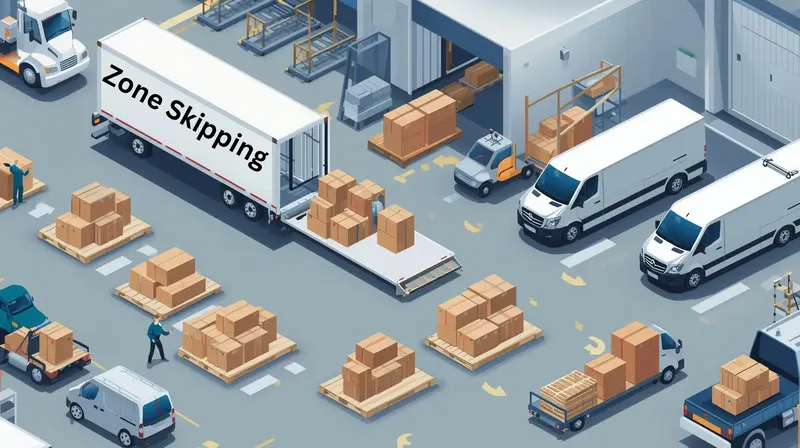
Zone skipping is a shipping strategy that helps ecommerce business owners and high-volume shippers cut parcel costs and speed up delivery by consolidating orders going to the same region into one bulk shipment that bypasses multiple shipping zones before entering a carrier’s facility near the final delivery area. Instead of sending parcels individually from the origin zip code across several zones at higher parcel rates, retailers combine orders heading to the same area into a truckload or less-than-truckload shipment at a central facility or warehouse. That bulk shipment moves across the main haul, is handed off to a regional carrier or national carrier near the destination region, and is then sorted for final delivery at the carrier’s sorting facility.
For companies shipping large parcel volumes, especially packages under 10 pounds going long distances or internationally, this approach can lower per-package shipping expense, reduce handling damage, and often deliver packages 1–2 days faster by avoiding multiple carrier hubs. It also supports sustainability goals by reducing fuel use and carbon footprint. The sections that follow explain how shipping zones affect cost, how zone skipping works, when it makes financial sense, how to implement it through carrier selection, forecasting, and consolidation, and where its limits show up, including gaps in tracking visibility that can affect customer experience.
To implement zone skipping, organizations may select regional carriers with competitive rates or those that best serve the destination region. Key elements of successful zone skipping include demand forecasting, careful carrier selection, and efficient consolidation at a central facility. For high-volume shippers, zone skipping can significantly cut per-package costs and transit time, because it “lowers transportation costs [and] shortens transit times” by reducing zones and touchpoints.
Understanding Shipping Zones
Carriers like UPS, FedEx and USPS divide the country into numbered shipping zones to calculate rates based on distance. The number of zones a shipment will cross is determined by comparing the origin ZIP code and the destination region. A local shipment might fall in Zone 1 or 2, while a cross-country parcel could reach Zone 7 or 8. In practice, each zone corresponds to groups of ZIP codes by distance from the ship-from ZIP. The farther a package travels, the higher its zone and the higher the cost. Importantly, zones are dynamic: the same destination ZIP code could land in different zones when shipped from different origin locations. Shipping directly from the origin ZIP code to the destination region without consolidation can result in higher costs if shipments cross multiple zones.
Understanding this is key, since skipping intermediate zones can reduce how many zones a shipment crosses. Distributed fulfillment, which involves storing inventory in multiple warehouses or sorting hubs across different regions, can help reduce shipping costs and transit times by minimizing the number of zones crossed.
How Zone Skipping Works by Bypassing Multiple Shipping Zones
Zone skipping is a shipping strategy where retailers bundle shipments bound for one region into a single freight load and then deliver them locally. The process generally involves these steps:
- Consolidation: Gather all orders headed to the same broad area at a central facility and combine them into a consolidated truckload or less-than-truckload shipment. For example, an ecommerce site might load all California-bound packages onto one pallet or truck.
- Regional Transport: Ship that consolidated truckload directly to the carrier’s sorting facility or carrier’s facility near the destination region. This direct transport skips multiple zones at once by land freight, bypassing the carrier’s intermediate sortation.
- Last-Mile Delivery: Once the shipment arrives at the carrier’s sorting facility, the carrier sorts the parcel shipments for final delivery to the delivery point, using a regional carrier or local delivery service as needed.
By skipping intermediate zones and reducing handling touchpoints, zone skipping cuts transit time and handling costs. In effect, it leverages a cheaper bulk freight rate for the long haul and only the local parcel rate on the final leg. This mix of bulk shipping and local delivery means businesses pay lower average rates per mile and still meet customer delivery expectations.
Zone skipping works best when the cost of the consolidated truckload or less-than-truckload carrier plus the expense related to the local delivery of the packages is lower than shipping parcels individually from the origin. To achieve the best possible benefits, your company’s shipments must also cross multiple zones. Zone skipping is ideal for high-volume e-commerce companies with parcel shipments below 10 pounds, especially for long-distance or multi-country deliveries.
Key elements of successful zone skipping include efficient consolidation at a central facility, careful carrier selection (including regional carriers), and accurate demand forecasting for parcel shipping and shipping parcels.
Implementing Zone Skipping
Implementing zone skipping as a shipping strategy requires a thoughtful approach to your supply chain and shipping process. The goal is to reduce shipping costs and improve delivery times by bypassing multiple shipping zones and consolidating shipments headed to the same region. Here’s how ecommerce business owners can put zone skipping into action for greater cost savings and a better customer experience.
1. Analyze Your Shipping Data and Strategy Start by reviewing your order volume and shipping patterns. Identify regions where you consistently ship a high number of parcels. Review customer orders by region to evaluate whether zone skipping makes sense and to pinpoint opportunities to consolidate shipments and reduce the number of shipping zones your packages need to cross. By focusing on high-volume destination regions, you can maximize the benefits of zone skipping and lower your total shipping costs.
2. Consolidate Shipments for Bulk Freight Once you’ve identified your target region, the next step is consolidating shipments into consolidated packages. This means sending consolidated shipments in a single bulk freight load to the destination region. Using smart cartonization software to right-size packages further enhances this shipping method and allows you to take advantage of lower bulk freight rates for the main haul, reducing the per-package price and overall transportation costs.
3. Partner with Logistics Providers and Local Carriers Work with a logistics provider or 3PL to determine the most cost-effective shipping routes and to manage the consolidation process, keeping in mind the key criteria for choosing the right 3PL company. As part of a broader logistics strategy, this also helps optimize shipping operations. Once your bulk shipment reaches the injection point near the final delivery location, local carriers can handle last mile delivery. Leveraging local carriers for final mile delivery not only reduces shipping costs but also helps ensure faster delivery and improved transit times.
4. Implement an Inventory Placement Program To further streamline your shipping process, consider an inventory placement program powered by ecommerce fulfillment software with smart inventory placement. By strategically positioning inventory in multiple fulfillment center locations or distribution centers closer to your customers, you can ship parcels from the closest facility, reducing the number of zones crossed and speeding up delivery times while supporting smoother logistics operations. This approach is especially effective for online stores with diverse sales channels and high order volume.
5. Monitor and Optimize Your Zone Skipping Operations Regularly review your shipping data and costs to ensure your zone skipping strategy is delivering the expected cost savings and efficiency. For example, shipping 2,000 packages individually can cost $20,000 versus $17,000 with zone skipping. Adjust your consolidation practices, shipping routes, and carrier partnerships as needed to keep meeting customer expectations and maintaining higher profit margins.
When Zone Skipping Makes Sense for Cost Savings
Zone skipping is most effective when your shipping pattern fits certain criteria. It generally makes sense for retailers that ship high volumes consistently into one or a few destinations, even when orders are spread across multiple regions. For example, if an online store regularly ships hundreds of packages each week to the West Coast, consolidating those orders into one freight run can be far cheaper, especially when supported by ecommerce order fulfillment services built for high-volume shipping. Those shippers benefit from zone skipping because it helps reduce costs and improve delivery speed. For example, shipping 3,000 packages this way can save up to $6,000. Zone skipping can lower shipping costs, reduce transportation costs, and save money by consolidating shipments and minimizing the total cost of delivery. Analysts recommend checking your shipping data to see if a large share of orders go to one destination. If so, zone skipping lets you bypass multiple zones in one shipment and only pay the local parcel rate for delivery in the target ZIP codes.
Other factors that help zone skipping work include:
- Regular, high-volume demand: You need enough orders to fill a bulk shipment. Small or sporadic orders may have to wait until enough are accumulated, reducing the benefit. Zone skipping works best when the cost of a full truckload or less-than-truckload plus local delivery is lower than sending individual packages from the origin.
- High shipping spend: Zone skipping delivers more savings when you have large or heavy shipments. The higher the original per-package rate, the more you save by moving those packages via freight.
- Local delivery network: There must be reliable parcel carriers or distribution hubs in the target region to handle the last-mile. Zone skipping still relies on those carriers, so they must accept and sort your consolidated shipments.
Zone skipping is particularly beneficial for high-volume e-commerce companies with parcel shipments below 10 pounds. To achieve the best possible benefits and reduce overall shipping costs for higher profit margins, your company’s shipments must also cross multiple zones.
Limitations and Trade-Offs
Despite its benefits, zone skipping has important trade-offs. Key limitations include the need for robust warehousing services and providers that can support consolidation and regional inventory strategies:
- Operational complexity: Implementing zone skipping often requires new infrastructure (extra sorting centers or warehouse space), system changes, and more planning for consolidating parcels to handle grouped shipments. Additionally, zone skipping can lead to gaps in shipment tracking visibility, which may negatively affect customer experience and make it harder to meet customer expectations.
- Volume requirements: The strategy only pays off when you regularly ship large, concentrated loads to one region. Without sufficient volume, you may need to hold or delay orders to assemble a full shipment, potentially slowing delivery—this is especially important for sellers that rely on 3PLs for marketplace-specific fulfillment like Wayfair orders.
- Carrier coordination: Zone skipping still depends on parcel carriers for final delivery. You must partner with carriers or regional hubs in the destination zone to accept and sort your consolidated freight, potentially including specialized Amazon 3PL shipping companies, and the regional cost advantage depends on injecting it close enough to the destination for parcel movement to stay within the same zone.
Frequently Asked Questions
What is zone skipping in shipping?
Zone skipping is a strategy where multiple packages bound for the same region are consolidated into one bulk shipment to a nearby carrier hub, allowing the shipper to skip intermediate zones. Each package then goes out for local delivery from that hub. This reduces the number of zones crossed and can lower overall shipping costs.
How do shipping zones affect shipping costs and delivery costs?
Shipping zones measure the distance between the origin ZIP and destination ZIP. Carriers charge higher rates for higher zone numbers, so parcels that cross more zones (farther distances) generally cost more and take longer to deliver. Zone skipping cuts down the zone count per package by moving them closer before handing off to the carrier.
When should an ecommerce business use zone skipping?
Zone skipping is best for an ecommerce business owner who ships a high volume of orders to specific regions on a regular basis. If most of your packages go to one or two areas (for example, a particular state or region), then consolidating those packages can save money. It is generally not useful if shipments are few or spread across many different zones.
What are the downsides of zone skipping?
Zone skipping requires planning and infrastructure changes, including setting up direct line haul and the capacity to consolidate shipments by destination. You need enough order volume to justify it. It also depends on reliable carriers in the target zone for last-mile delivery. If orders are too small, infrequent or widely dispersed, the savings may vanish and orders could be delayed while waiting for consolidation.
Written By:

Indy Pereira
Indy Pereira helps ecommerce brands optimize their shipping and fulfillment with Cahoot’s technology. With a background in both sales and people operations, she bridges customer needs with strategic solutions that drive growth. Indy works closely with merchants every day and brings real-world insight into what makes logistics efficient and scalable.

Turn Returns Into New Revenue
Related Articles

Why Cross-Border DTC Brands Are Moving Fulfillment Inside the US
Cross-border ecommerce fulfillment is the process of shipping ecommerce orders across national borders—often from warehouses outside the United States to U.

Cheapest Shipping from USA to UK: What It Really Costs
Shipping from the USA to the UK is one of the most common international routes for ecommerce brands, and it is also one of the most misunderstood from a cost perspective.
Save Money With Ecommerce Shipping Software: Next-Gen Solutions
Shipping costs are one of the biggest challenges for ecommerce businesses today, and understanding them is essential to reducing expenses and increasing profit margins.