
FIFO Inventory Explained: What It Means for Ecommerce, Warehousing, and Profitability

Last updated on February 16, 2026
In this article
 20 minutes
- What FIFO actually means for warehouse operations
- Physical warehouse implementation determines FIFO success
- Multi-location operations multiply FIFO complexity
- Inventory aging management prevents costly write-offs
- Returns create the most difficult FIFO disruptions
- Most common FIFO implementation mistakes
- When strict FIFO matters most versus where flexibility makes sense
- Calculating Ending Inventory Balance
- Frequently Asked Questions
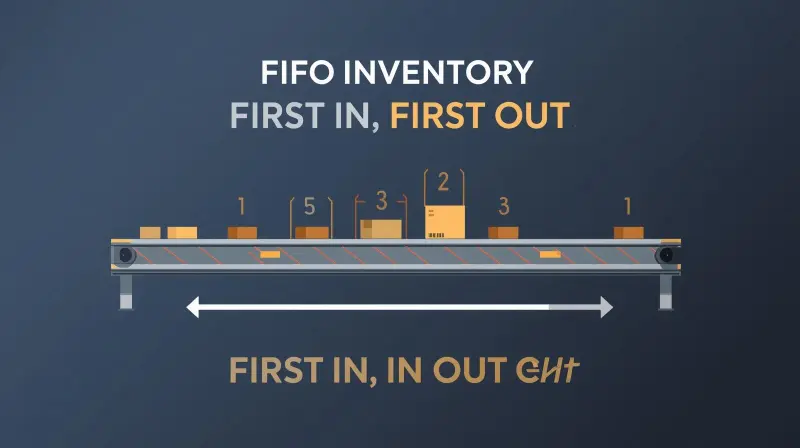
FIFO (First In, First Out) is the dominant inventory method for ecommerce brands for good reason: it prevents obsolescence, aligns with international accounting standards, and delivers better customer experiences. Implementing FIFO requires careful planning and attention to detail, including staff training and updating inventory tracking systems. Businesses should also be prepared for initial costs such as software implementation, warehouse reorganization, and staff training during the transition, which are short-term investments for long-term benefits. For Shopify brands and logistics leaders, understanding FIFO goes far beyond accounting theory. It requires mastering warehouse implementation, returns management, and knowing when strict enforcement pays off versus when flexibility makes sense. About two-thirds of American companies use FIFO, and its prohibition under IFRS for the alternative (LIFO) makes it effectively mandatory for brands with international operations. FIFO is popular because it is intuitive, internationally accepted, and matches the natural flow of business operations. This guide provides the operational playbook mid-market brands need.
What FIFO actually means for warehouse operations
FIFO operates on a deceptively simple principle: FIFO assumes the oldest inventory items (those purchased or produced first) are sold first. This assumption directly influences how costs are assigned to inventory sold, as the cost of your oldest inventory flows to Cost of Goods Sold (COGS), while ending inventory reflects more recent purchase costs. When you buy 100 units at $5 in January, then 100 more at $8 in March, and sell 120 units, FIFO assigns the $5 cost to the first 100 sold and $8 to the remaining 20.
FIFO closely mirrors the actual flow and natural flow of goods in most businesses, making it intuitive and practical for inventory management. The critical distinction that trips up many operations teams is that FIFO is fundamentally a cost flow assumption, not necessarily a physical flow requirement. Accounting FIFO tracks which costs get assigned to COGS (always the oldest purchase costs first, regardless of which physical item ships). Physical FIFO, meanwhile, refers to warehouse practices where the oldest physical items are picked and shipped first. You can technically use FIFO accounting without physically shipping oldest items first, but for perishable goods or items with expiration dates, aligning both is essential. FIFO is recognized and accepted by international financial reporting standards (IFRS) and generally accepted accounting principles (GAAP). Implementing FIFO requires detailed record-keeping of inventory entry and exit dates for accurate inventory accounting and COGS calculations, and each inventory item must be tracked accordingly.
This explains why FIFO dominates ecommerce: it matches the natural inventory flow most brands want anyway, reduces expired product risk, and produces higher reported profits during inflationary periods. The balance sheet accurately reflects current asset values when ending inventory is valued at recent costs rather than costs from purchases made years ago. Aligning the physical flow of goods with their representation on financial statements enhances financial reporting and provides a clearer picture of inventory health.
Physical warehouse implementation determines FIFO success
The most effective infrastructure for FIFO implementation uses gravity flow racking systems, inclined tracks equipped with rollers that naturally move products from the loading end to the pick face. Carton flow racks work for case picking and smaller items, where products are stocked at the back and picked from the front. Pallet flow racks handle bulk storage with pallets sliding on roller beds at a 4% incline, accommodating up to 30 pallets deep per channel while increasing storage density by approximately 60% compared to selective racking.
Modern warehouse management systems calculate optimal pick paths while enforcing FIFO constraints through a multi-step process. The WMS determines oldest inventory based on received date, lot number, or expiration date; identifies bin locations containing that oldest inventory; calculates an efficient route through the warehouse; then guides pickers via RF scanners or mobile devices to specific locations in sequence. The key tension in pick path optimization is balancing shortest route against FIFO requirements. The system should prioritize compliance over pure travel efficiency, even if it adds steps.
Slotting strategy directly impacts FIFO effectiveness. ABC analysis should integrate with FIFO principles: A items (high velocity) belong closest to packing and shipping in flow rack systems, while forward pick areas maintain small quantities of fast-movers near pack stations with replenishment from bulk storage following strict rotation. Dynamic slotting, where WMS assigns available locations rather than fixed slots per SKU, requires robust lot tracking but enables automatic FIFO via system direction. Most mid-market brands benefit from a hybrid approach with fixed zones but dynamic slot assignment within those zones.
Barcode scanning and lot tracking form the enforcement layer. At receiving, incoming products must capture lot number, expiration date, and supplier details. WMS assigns locations and links lot data to bin positions. During picking, scanners direct workers to oldest lots and validate correct products. This systematic approach achieves 98-99.5% inventory accuracy versus 85-95% with manual processes, while providing complete audit trails for regulatory compliance and rapid recall response.
Most businesses use Warehouse Management Systems (WMS) or Inventory Management Software (IMS) to automate FIFO tracking, which improves accuracy and efficiency. Inventory software can further streamline FIFO processes, automate FIFO tracking, and reduce manual errors, especially for large or fast-moving inventories across industries like retail, manufacturing, and medical devices.
Slash Your Fulfillment Costs by Up to 30%
Cut shipping expenses by 30% and boost profit with Cahoot's AI-optimized fulfillment services and modern tech —no overheads and no humans required!
I'm Interested in Saving Time and MoneyMulti-location operations multiply FIFO complexity
Distributed inventory across multiple warehouses creates several interconnected challenges. Systems must coordinate inventory data across locations to prevent stockouts while maintaining FIFO at each facility. Maintaining accurate inventory balances across multiple locations is essential for reliable financial reporting, as discrepancies can impact reported ending inventory values and key financial metrics. The fundamental question becomes whether FIFO applies within each location or across the entire network. When the same SKU exists in multiple warehouses with different ages, should the system ship from the warehouse with oldest inventory or the one closest to the customer?
Three strategic approaches address network-wide FIFO. A hub-and-spoke model maintains strict FIFO at a central bulk storage warehouse that feeds regional fulfillment centers. Decentralized FIFO has each location maintain its own sequence, ideal when shipping speed trumps network-wide rotation. The hybrid approach monitors aging across the network centrally and triggers inter-warehouse transfers or promotions for slow-moving inventory at specific locations. Cloud-based WMS with real-time updates across all locations, automated transfer order generation when inventory ages past threshold, and centralized visibility dashboards form the technology foundation. Effective inventory control in multi-location environments is critical to ensure compliance, operational efficiency, and accurate oversight of inventory processes.
When working with 3PLs, FIFO compliance requires explicit contractual requirements. Key questions include confirming the 3PL’s WMS supports FIFO/FEFO allocation, verifying lot tracking capabilities for batch numbers and expiration dates, ensuring access to inventory aging reports, and defining FIFO compliance in service level agreements with specific metrics. Leading fulfillment providers like ShipBob offer lot tracking from dashboards and support both FIFO and FEFO, while specialized food and supplement 3PLs like Speed Commerce provide FIFO/FEFO implementation with recall management capabilities.
Inventory aging management prevents costly write-offs
FIFO’s primary operational benefit is preventing inventory obsolescence. The systematic rotation ensures products with expiration dates or limited lifecycles sell before deterioration. Industry standard aging categories classify inventory as fresh (0-60 days), aging (60-180 days), or dead stock (180+ days). A healthy inventory turnover target is 60-90 days, and companies conducting monthly audits using FIFO principles reduce excess stock by 20-30%.
Shelf life requirements vary dramatically by product category and create different urgency levels. Food and beverages, especially in grocery stores, require strict temperature-controlled storage and rotation by receipt date for safety compliance. In grocery stores, FIFO inventory management is essential to ensure freshness, reduce waste, and maintain quality and safety standards for perishable products. FIFO is also widely used in industries such as food and beverage, pharmaceuticals, and manufacturing to maintain compliance with health and safety regulations. Cosmetics present a unique challenge: the FDA does not require expiration dates, so manufacturers bear responsibility for stability testing. Mascara typically lasts 2-4 months due to microbial exposure risk, while lipsticks extend 1-2 years. Dietary supplements similarly lack FDA-mandated expiration dates, though most well-formulated products remain within specification for 1-3 years when stored correctly.
For fashion and seasonal inventory, FIFO helps prevent unsellable stock accumulation, but the urgency differs from expiration-based products. Fashion faces style obsolescence where up to 30% of retail items become outdated within one year as consumer trends evolve rapidly. Fashion retailers often use shorter 30-day aging buckets versus the standard 90-day intervals, with markdown cadences of 30-70% discounts to clear seasonal stock.
Products with expiration dates may require FEFO (First Expired, First Out) rather than simple FIFO based on receipt date. The distinction matters: a shipment of dairy products received today may have a shorter shelf life than canned goods received months ago. FEFO recognizes that newer arrivals might expire sooner than older stock and prioritizes by expiration date rather than arrival sequence. Implementation requires labeling with batch numbers and expiration dates, warehouse optimization for easy access to products nearing expiration, WMS integration for automated alerts and expiration-based picking, and thorough staff training.
Looking for a New 3PL? Start with this Free RFP Template
Cut weeks off your selection process. Avoid pitfalls. Get the only 3PL RFP checklist built for ecommerce brands, absolutely free.
Get My Free 3PL RFPReturns create the most difficult FIFO disruptions
Product returns disrupt FIFO’s natural sequence in ways that require careful operational design. When returned items re-enter inventory, they do so at their original cost basis rather than current market value, requiring tracking of which cost layer the item originally came from. A product purchased 60 days ago may return to inventory alongside products received days earlier, and strict FIFO would prioritize the returned item, but it may now be less desirable due to slight wear, older packaging version, or approaching expiration.
Processing delays compound the problem. According to McKinsey research, the fragmentation of reverse-logistics operations leads to increasingly higher complexity, with processing time ranging from 10% overhead for straightforward in-store returns to 42% for mail returns processed centrally and restocked. In-store returns that are restocked in the store take 12-16 fewer days to process compared to mail returns restocked via distribution centers, directly translating to higher likelihood of full-price sell-through.
The economic reality has shifted brand behavior: it costs approximately twice as much to process an online return as it does to sell the original item, and nine of the top 10 U.S. retailers now slate returned inventory directly for liquidation regardless of condition. The liquidation market has accordingly expanded, reaching $644 billion in 2020 according to Colorado State University research.
For brands that do restock returns, a grading system provides the decision framework. Grade A items (like new, unopened, original packaging intact) can restock for full-price sale with 60-80% markup potential. Grade B items (fully functional with minor cosmetic flaws or opened packaging) route to discount or outlet channels at 40-60% markup potential. Grade C items (functional but with significant wear or moderate damage) flow to secondary markets or liquidation at 20-40% markup with volume strategy. Grade D (non-working or cosmetically beyond repair) goes to parts, recycling, or disposal.
Best practices for maintaining FIFO discipline with high return rates include designating a dedicated returns processing zone separate from fresh stock, targeting processing within 24-48 hours of receipt, creating a separate inventory pool for returned items with FEFO principles applied within that pool, and considering a “Returns-First” policy where graded returns fulfill orders before fresh inventory when appropriate for the product category.
Most common FIFO implementation mistakes
Inconsistent application across locations ranks among the top FIFO failures. Different warehouses following varying protocols creates confusion, and without unified visibility, identical SKUs at different locations may be picked inconsistently with newer stock shipping before older stock elsewhere. The solution requires WMS with cross-location FIFO enforcement, priority rules per warehouse for stock allocation, sequential pallet licensing across facilities, and regular compliance audits.
Ignoring lot codes and manufacturing dates creates untraceable inventory layers. Many businesses track receipt date only, missing manufacturing date which determines actual product freshness, a critical failure for perishables where receipt date alone doesn’t capture how long a product has existed. Goods-received procedures must capture SKU identification, lot/batch numbers, receipt date, and manufacturing date.
Manual FIFO tracking fails predictably as businesses grow. Human error plays a significant role when employees overlook older stock or make mistakes during checks. Discrepancies between physical inventory and records become common, and the system is vulnerable to data entry errors causing costly shortages or stockouts. Most mid-market brands processing 500-50,000 orders monthly need automated WMS solutions. Manual processes simply cannot keep pace with dynamic demands at that scale. Automated systems are essential to calculate costs accurately, maintain reliable inventory accounting, and ensure compliance with accounting standards.
Cross-contamination of old and new stock represents the physical manifestation of FIFO breakdown. Newer inventory stacked on top of or in front of older inventory is a fundamental violation, and items racked more than one pallet deep create access challenges requiring additional resources to reach oldest stock. Warehouse design should function like a river rather than a lake. Products flow from receiving to shipping without stagnation points where inventory gets forgotten.
Peak season FIFO breakdown deserves special attention. Volume of goods to process can increase by 40% during peak periods, and technology systems that work fine during normal volumes often buckle under pressure while staff take shortcuts prioritizing speed over proper rotation. Building 10-20% buffer stock, implementing wave picking with batches released based on priority, establishing overflow procedures, and stress-testing technology infrastructure before peak all mitigate risk. Effective inventory management and inventory control are essential to prevent these common FIFO implementation mistakes and support long-term operational success.
When strict FIFO matters most versus where flexibility makes sense
FIFO urgency varies dramatically by product category, and one-size-fits-all enforcement wastes resources while providing diminishing returns.
Product categories requiring strict FIFO or FEFO include food and beverages (where approximately 60% of food waste results from ineffective inventory management), cosmetics and beauty products (where active ingredients like vitamin C and retinol degrade over time), dietary supplements (where potency matters), and pharmaceuticals (where degraded medications may not provide therapeutic benefit or may yield toxic compounds). Fashion and apparel also benefit significantly from FIFO to prevent style obsolescence, though the mechanism differs from expiration-based categories. FIFO is especially beneficial for businesses dealing with price fluctuations, as it helps reduce losses from changing market prices by ensuring older, often cheaper, stock is sold first.
Product categories where FIFO matters less include durable goods without expiration dates or degradation concerns, commodities with homogeneous products where age doesn’t affect quality, building materials like bricks (which may even benefit from LIFO for accounting purposes), and stable products with very long shelf lives. Electronics occupy a middle ground. They don’t expire but face obsolescence risk from new models and warranty tracking needs.
A tiered approach implements strict FIFO/FEFO for perishables and regulated products, standard FIFO for products with moderate shelf life or fashion/seasonal items, and relaxed FIFO for durables and commodities where age doesn’t affect quality. ABC analysis integration focuses strict FIFO on the 20% of products driving 80% of sales while using data analytics to identify which SKU categories require tightest control.
The cost-benefit calculation favors strict FIFO investment when waste reduction from expired or obsolete inventory is significant, quality assurance directly impacts customer satisfaction and return rates, regulatory compliance requirements exist (FDA-regulated categories), and volume exceeds what manual tracking can handle accurately. Choosing FIFO or LIFO should be part of a company’s overall financial strategy, considering tax implications and financial reporting goals. FIFO can result in higher income taxes for a company due to a wider gap between costs and revenue, and during inflationary periods, FIFO can overstate a company’s profits, which can lead to higher tax liabilities. Warehouses using WMS report 25% reduction in labor costs and 50% increase in order accuracy, with most automated solutions paying for themselves within one to two months.
Scale Faster with the World’s First Peer-to-Peer Fulfillment Network
Tap into a nationwide network of high-performance partner warehouses — expand capacity, cut shipping costs, and reach customers 1–2 days faster.
Explore Fulfillment NetworkCalculating Ending Inventory Balance
Accurately calculating your ending inventory balance is a cornerstone of effective inventory valuation and financial reporting, especially when using the FIFO inventory valuation method. The ending inventory balance reflects the value of your remaining inventory at the close of an accounting period, directly impacting your balance sheet, income statement, and overall financial health.
Here’s how to determine your ending inventory balance under FIFO. If you’re managing inventory for Amazon FBA, recent FBA restrictions and IPI score requirements could also impact your inventory strategies.
- Determine the Total Cost of Goods Available for Sale: Start by adding the cost of your beginning inventory to the total cost of all inventory purchases made during the period. This figure represents the total investment in inventory that could potentially be sold.
- Calculate the Cost of Goods Sold (COGS): Using the FIFO method, assign the costs of your oldest inventory to the goods sold during the period. This means the earliest acquired inventory costs are used first when calculating COGS, which is especially important during periods of rising prices or fluctuating inventory costs.
- Subtract COGS from the Total Cost of Goods Available for Sale: The difference between your total cost of goods available for sale and your COGS gives you the value of your remaining inventory. This figure is your ending inventory balance, representing the most recent inventory costs under FIFO.
By following this valuation method, businesses dealing with inventory can ensure their financial statements reflect a current and accurate picture of inventory value. This not only supports compliance with generally accepted accounting principles and international financial reporting standards, but also provides a strategic advantage in managing inventory costs, optimizing cash flow, and making informed decisions about future purchasing and sales strategies. Automating this process with inventory management software or warehouse management systems can further streamline calculations and maintain detailed records for audit and reporting purposes.
Frequently Asked Questions
What is FIFO inventory and how does it work in ecommerce?
FIFO (First In, First Out) is an inventory method where the oldest inventory items (purchased or produced first) are sold first. In accounting, FIFO assigns the cost of your oldest inventory to Cost of Goods Sold (COGS), while ending inventory reflects more recent purchase costs. The critical distinction for ecommerce operations is that FIFO has two meanings: accounting FIFO (cost flow assumption) and physical FIFO (warehouse practice of shipping oldest items first). While you can technically use FIFO accounting without physically shipping oldest items first, for perishable goods or items with expiration dates, aligning both is essential to prevent obsolescence and ensure customer satisfaction.
What’s the difference between FIFO and LIFO inventory methods?
FIFO (First In, First Out) is an inventory accounting method that sells the oldest inventory first, while LIFO (Last In, First Out) sells the newest inventory first. The weighted average cost method, another inventory valuation technique, assigns the same cost to each item by averaging the cost of all inventory units, which helps smooth out price fluctuations. These are among the main inventory valuation methods, and the choice of accounting method directly impacts net income, stock value, current inventory value, and financial statements.
During inflation, FIFO results in lower COGS (using older, cheaper costs) and higher reported profits compared to LIFO, leading to higher net income and potentially higher tax liabilities. In contrast, LIFO shows higher COGS (using recent, expensive costs), which can reduce taxable income and tax liabilities during inflationary periods. The weighted average cost method provides consistent profit margins by assigning the same cost to all units sold.
The Internal Revenue Service (IRS) permits FIFO for tax purposes in the United States, and FIFO is required under International Financial Reporting Standards (IFRS) and is standard in many jurisdictions. LIFO is prohibited under IFRS, making FIFO effectively mandatory for brands with international operations or global expansion plans.
FIFO helps maintain accurate current inventory and current inventory value, which is important for financial reporting and inventory management. Tracking inventory sold (FIFO sells the oldest inventory first) is essential for calculating cost of goods sold (COGS) and analyzing profit margins. Inventory software widely supports the FIFO inventory method, automating FIFO tracking, improving inventory control, and ensuring accurate reporting. Effective inventory management and inventory control are crucial for maintaining accurate inventory balances and supporting business needs. The accounting method chosen should reflect the actual flow of goods and align with the company’s operational requirements.
About two-thirds of American companies use FIFO because it matches natural inventory flow, prevents expiration issues, and produces balance sheets that accurately reflect current asset values.
How do you physically implement FIFO in an ecommerce warehouse?
Physical FIFO implementation requires three key elements: infrastructure (gravity flow racking systems with carton flow racks for small items or pallet flow racks that increase storage density by approximately 60%), technology (WMS that determines oldest inventory based on received date/lot number/expiration, identifies bin locations, calculates efficient routes, and guides pickers via RF scanners), and processes (barcode scanning at receiving to capture lot numbers and expiration dates, slotting strategy with high-velocity items in flow rack systems, and designated returns processing zones). This systematic approach achieves 98-99.5% inventory accuracy versus 85-95% with manual processes.
What product categories require strict FIFO versus where it matters less?
Strict FIFO/FEFO is critical for food and beverages (safety compliance), cosmetics and beauty products (active ingredients like vitamin C and retinol degrade), dietary supplements (potency matters), pharmaceuticals (degraded medications may be ineffective or toxic), and fashion/apparel (style obsolescence where up to 30% of items become outdated within one year). FIFO matters less for durable goods without expiration dates, commodities where age doesn’t affect quality, building materials, and stable products with very long shelf lives. Electronics occupy a middle ground (no expiration but obsolescence risk from new models). A tiered approach implements strict FIFO for high-risk categories while using relaxed FIFO for durables.
How do product returns affect FIFO inventory management?
Returns disrupt FIFO’s natural sequence because returned items re-enter inventory at their original cost basis, not current market value. A product purchased 60 days ago may return alongside items received days earlier, and strict FIFO would prioritize the returned item even though it may be less desirable due to wear, older packaging, or approaching expiration. Processing delays compound the problem (10% overhead for in-store returns versus 42% for mail returns processed centrally). Best practices include designating dedicated returns processing zones separate from fresh stock, processing within 24-48 hours, creating a separate inventory pool for returned items, and using a grading system (Grade A for like-new restocking, Grade B for discount channels, Grade C for liquidation, Grade D for disposal).
What are the most common FIFO implementation mistakes?
The top FIFO failures include inconsistent application across multiple warehouse locations (different protocols create confusion and newer stock may ship before older stock elsewhere), ignoring lot codes and manufacturing dates (tracking receipt date only misses actual product freshness for perishables), manual FIFO tracking that fails predictably as businesses grow (human error, discrepancies, data entry mistakes), cross-contamination of old and new stock (newer inventory stacked on/in front of older inventory preventing access), and peak season FIFO breakdown (volume increases by 40% and staff take shortcuts prioritizing speed over rotation). Solutions require WMS with cross-location enforcement, capturing lot/batch numbers at receiving, automated systems for 500+ monthly orders, and warehouse design that flows like a river rather than a lake.
Written By:

Indy Pereira
Indy Pereira helps ecommerce brands optimize their shipping and fulfillment with Cahoot’s technology. With a background in both sales and people operations, she bridges customer needs with strategic solutions that drive growth. Indy works closely with merchants every day and brings real-world insight into what makes logistics efficient and scalable.

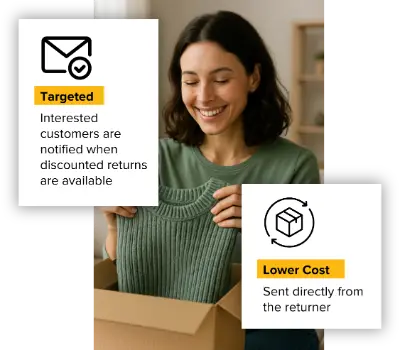
Turn Returns Into New Revenue
Related Articles
HTS Code Explained: What It Is, Why It Matters, and How Ecommerce Brands Use It
Cost of Goods Sold (COGS) represents the direct costs attributable to producing the goods a company sells during an accounting period.
Fast Delivery Isn’t the Hard Part – Inventory Decisions Are
Fast delivery is no longer a differentiator in ecommerce, it is an expectation.

Moving from Amazon 1P to 3P: What It Actually Takes to Succeed
The decision to move from Amazon Vendor Central (1P) to Seller Central (3P) usually follows months of frustration with pricing control loss, erratic purchase orders, and margin com...