
What Is FTL Delivery? Full Truckload Shipping Explained

Last updated on January 13, 2025
 16 minutes
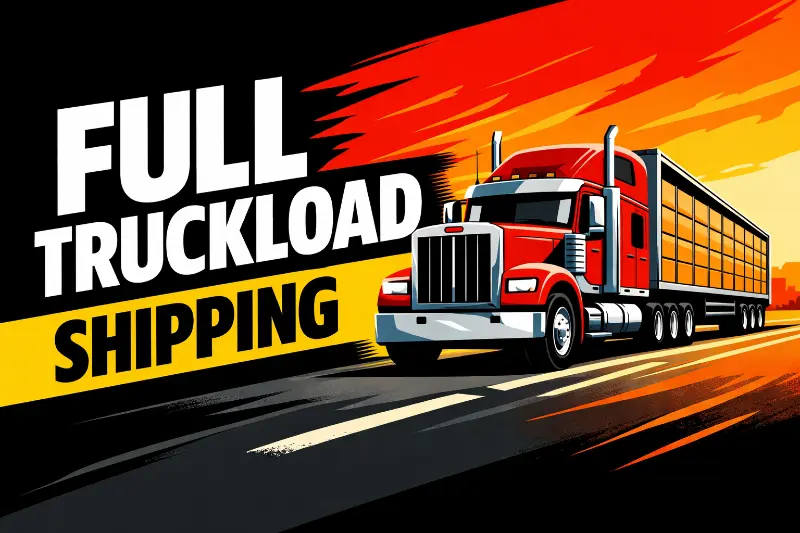
E-commerce and logistics leaders often face the question: should I send freight as full truckload (FTL) or share space with other shipments? FTL shipping means the entire trailer is dedicated to one customer’s cargo, giving the shipper access to the entire space of the trailer. In practice, a shipper hires a whole tractor-trailer even if it’s not completely full. This dedicated truck typically goes straight from the shipper to the delivery point without picking up extra freight. In other words, one order fills the truck and the rest of the space can’t be booked by others.
By contrast, Less-Than-Truckload (LTL) shipping consolidates multiple customers’ smaller shipments into one truck, so the truck space is shared among other shippers. Each shipper pays only for the space used. LTL freight makes several stops to load and unload along the way, which generally adds time and handling to the route. The way freight moving is handled differs: FTL involves direct, single-customer freight moving, while LTL involves multiple stops and multiple shippers’ freight moving together. Knowing how FTL works – and how it differs from LTL – helps supply chain managers choose the right mode for each shipment.
What Is Full Truckload (FTL) Shipping?
Full Truckload (FTL) shipping is a freight mode where one shipment occupies an entire truck. No other cargo is added. This means your goods get exclusive use of the trailer and power unit. FTL freight shipping, FTL transportation, and full truckload freight are ideal for large shipments that require the full capacity of a truck, offering simplified rate calculations based on weight, volume, and distance. FTL carriers generally accept larger or heavier loads than LTL, since weight and size limits are easier to manage when the truck has one shipper. For example, Freightos notes that full-truck shipments are “much less encumbered by size and weight restrictions”. In practice, you might use FTL when your order fills most of a 48’ or 53’ trailer or when the total weight is near or at the allowed capacity. FTL is especially efficient for shipping large quantities, making truckload freight a cost-effective solution for high-volume loads.
With FTL, the truck travels from pickup to delivery directly, rather than stopping at intermediate terminals. This direct route often results in faster delivery. As FedEx explains, an FTL shipment “moves directly to its destination without stops,” which usually means faster transit. Likewise, Freightos highlights that FTL hauls “get to the destination sooner, as the truck is making no other pickups or drop-offs along the way”. Reduced handling is another key feature: because the freight stays on the same trailer throughout the truckload shipment, there’s less transfer risk. In fact, Freightos points out that FTL transport “means less handling (there is no transferring between trucks mid-transit),” lowering the chance of damage or loss. FTL also allows for the use of specialized equipment, such as refrigerated trucks, to accommodate temperature-sensitive or unique cargo. In short, an FTL delivery is a dedicated shipment, directly hauled, with minimal stops or handling.
When it comes to size and weight, the average weight an FTL truck can haul is typically between 42,000 and 44,000 pounds, and FTL shipments can accommodate up to 30 standard pallets, depending on the truck’s capacity. FTL ensures a higher level of freight security, as shipments are rarely unsealed or moved once loaded at their pickup location.
Let AI Optimize Your Shipping and Boost Profits
Cahoot.ai software selects the best shipping option for every order—saving you time and money automatically. No Human Required.
See AI in ActionUnderstanding Freight Shipping
Freight shipping is the backbone of modern commerce, enabling businesses to move goods efficiently across cities, states, and countries. At its core, freight shipping refers to the process of transporting large shipments—often palletized or containerized—using various modes, with truckload shipping being one of the most common. Within truckload shipping, there are two primary options: full truckload (FTL) and less-than-truckload (LTL) shipping. Businesses looking to stay updated on the latest logistics, fulfillment, and supply chain trends can follow leading industry events for valuable insights and networking opportunities.
FTL shipping means reserving an entire truck for a single shipment, ensuring that your freight is the only cargo on board. This approach is ideal for businesses with enough goods to fill an entire truck or when a shipment requires special handling. In contrast, LTL shipping, or less than truckload, combines shipments from multiple companies in one truck, making it a cost-effective solution for smaller loads. Understanding these distinctions is essential for businesses to select the right shipping method for their needs—whether that means booking an entire truck for a single shipment or sharing space with other freight. By evaluating shipment size, urgency, and handling requirements, companies can optimize their shipping strategies and ensure their goods move efficiently through the supply chain.
FTL vs LTL: Key Differences
Choosing between FTL and LTL involves comparing several factors: shipment size, delivery speed, handling, and cost. The table below summarizes major differences:
- Space and loading: FTL dedicates a whole trailer to one shipper, while LTL trailers hold freight from multiple shippers. In FTL, you pay for an entire truck whether you use all its space or not. In LTL, you only pay for the portion of space your cargo fills. When planning FTL shipments, consider that larger or different types of pallets (other pallets) can impact loading efficiency and space utilization.
- Transit speed: FTL usually delivers faster because the truck goes point-to-point. LTL shipments make additional stops to consolidate and deconsolidate freight, so transit times are longer. For time-sensitive orders, the direct route of FTL is a big advantage.
- Handling and reliability: FTL freight is loaded once at origin and stays on one truck until delivery at the final destination, minimizing handling and reducing the risk of damage. LTL freight is typically moved between terminal hubs and trailers en route, increasing handling. LTL loads often involve multiple pickups, transfers, and stops, which can lead to longer transit times and a higher risk of damage compared to FTL. As a result, FTL tends to be more reliable for fragile or high-value items.
- Cost structure: FTL pricing usually involves a flat rate (often per mile or per truck) and does not vary with weight beyond minimums. You pay for unused space if the trailer isn’t full. LTL pricing is more granular: it’s based on weight, distance, freight class, and dimensions. LTL is more cost-effective for smaller shipments because you share costs. However, FTL becomes cheaper per pallet when the truck is full (economies of scale).
LTL routing often involves a hub-and-spoke model where freight is routed through regional terminals. LTL also includes specialized options like liftgate service, residential delivery, and inside pickup, which are less common in FTL. LTL shipping is ideal for shipments that are between one and six pallets or less than 14 linear feet, while FTL is used for larger shipments.
In addition to FTL and LTL, there are alternative shipping options such as partial truckload and shared truckload. Partial truckload (PTL) allows shippers to share truck space without filling the entire trailer, offering cost-sharing benefits and regional flexibility. Shared truckload (STL) combines elements of FTL and LTL by transporting cargo from multiple shippers together in the same trailer, with optimized routes that avoid terminals and stops, and without offloading until reaching the final destination.
In practice, space and speed often drive the decision. If you have enough product to fill most of a trailer, FTL typically yields a lower cost per unit. If your shipment is small and you’re willing to wait, LTL can save money by only billing the space you use.
ShipStation vs. Cahoot: 21x Faster, Real Results
Get the inside scoop on how a leading merchant switched from ShipStation to Cahoot—and what happened next. See it to believe it!
See the 21x DifferenceWhen to Use FTL Shipping
Full Truckload is the right choice in several common situations for transporting freight efficiently, especially for large, urgent, or sensitive shipments:
- Large or dense shipments: If a single order fills (or nearly fills) the truck, FTL usually offers the best shipping cost per unit. For example, manufacturers, wholesalers, or large retailers often have enough volume to justify a dedicated trailer.
- Time-sensitive delivery: When you need a shipment delivered quickly, FTL’s direct route minimizes stops and delays. This makes FTL ideal for time sensitive shipments, such as perishable or urgent goods, where timely delivery is critical to maintain product quality and meet customer demands. Direct point-to-point transport helps ensure the order arrives as fast as possible, which is critical for rush orders.
- Fragile, high-value, or specialized goods: FTL involves fewer handling steps, reducing damage risk. For fragile, perishable, or very expensive cargo, the security of a single trailer is advantageous. Likewise, if your shipment requires special equipment (liftgates, refrigeration, etc.) or multi-stop delivery coordination, a dedicated truck provides more control.
In short, FTL “is ideal for businesses shipping large volumes that justify renting an entire truck,” as one logistics provider notes. It’s also favored when reliability and speed are priorities – for example, when shipping complex orders to retail outlets or fulfilling a time-critical restock. Conversely, if none of these conditions applies, and shipments are smaller, LTL might be more efficient and cost-effective.
Cost and Speed Trade-offs
FTL and LTL involve clear trade-offs between cost and speed:
- Cost efficiency: With FTL, you pay for the entire truck regardless of how full it is. This gives economies of scale when you have enough freight to fill the truck. Industry analysis shows that FTL becomes very cost-efficient for large loads (since the per-pallet cost drops when the truck is full). But if your shipment is small, you’re effectively paying for empty space – making FTL relatively expensive. In contrast, LTL charges based on weight and space used, so small shipments can save money. You only pay for the portion of the trailer you occupy. This means LTL is generally cheaper for light or partial loads. However, LTL pricing is more complex (freight class, dimensions, etc.) and can rise quickly if your shipment is heavy or unusual.
- Transit time and reliability: FTL usually offers faster transit. Because the truck goes straight to the destination, FTL shipments are less likely to face delays. For example, one freight guide notes that the streamlined, point-to-point process of FTL “avoids delays,” which is crucial for time-sensitive deliveries. On the other hand, LTL shipments take longer because they join other freight in hubs and make extra stops. You trade speed for cost: LTL may save money, but delivery times are generally slower.
Carrier selection is a critical step in optimizing FTL delivery. Choose carriers with a proven track record of on-time delivery and a low incidence of damage or loss during transit. Compare freight quotes from different carriers to secure a competitive rate. Look for providers with a nationwide network for broader coverage and reliability. It’s also important to ask for references from previous customers to assess the carrier’s reliability and service quality. Select a carrier that offers clear and consistent communication throughout the shipping process, including updates on load status and any potential delays. In today’s environment, the technology carriers use is essential—look for providers with technology to track shipments, optimize routes, and ensure continual improvement. A robust tracking system enhances real-time shipment visibility and simplifies logistics planning. Using technology to track shipments can significantly improve visibility and efficiency in your shipping operations. Additionally, working with a dedicated team and dedicated account managers ensures you receive personalized support and reliable freight management. Strong customer support is crucial in case any issues arise during transit.
In summary, if your priority is speed and you have enough cargo, FTL can justify its cost. If your priority is saving money on a smaller load, LTL might be the better choice. Each mode has benefits, so logistics planners weigh these trade-offs based on shipment needs.
Choosing the Right Carrier
Selecting the right carrier is a critical step in the freight shipping process, especially when it comes to FTL shipping. The right FTL carrier can make all the difference in ensuring your entire shipment arrives safely, on time, and at a competitive rate. When evaluating carriers, businesses should prioritize those with a reputation for reliable service, a proven track record in handling similar freight, and access to specialized equipment if needed.
For FTL shipping, it’s important to partner with a carrier that can dedicate a truck to your shipment, minimizing handling and reducing the risk of delays or damage. Leading providers like Uber Freight and Amazon Freight offer extensive networks and advanced technology to support a wide range of shipping needs, from standard freight to specialized or time-sensitive loads. Look for carriers that offer transparent pricing, flexible scheduling, and the ability to accommodate unique requirements—such as temperature control or liftgate service. By focusing on reliability, competitive rates, and the right equipment, businesses can ensure their freight shipping experience is smooth and successful from pickup to delivery.
Dry Van Shipping
Dry van shipping is one of the most popular forms of FTL shipping, offering a secure and versatile solution for transporting large quantities of goods. A dry van is an enclosed trailer designed to protect cargo from the elements, making it ideal for products that need to stay dry and secure during transit. This type of shipping is commonly used for items like electronics, furniture, packaged foods, and machinery—essentially any freight that doesn’t require refrigeration but does need protection from weather and road debris.
Dry van trailers often come equipped with specialized equipment such as climate control options and advanced cargo securement systems, ensuring that goods remain in optimal condition throughout the journey. For businesses shipping FTL, dry van shipping provides peace of mind, knowing that their large quantities of freight are shielded from moisture, dust, and theft. Whether you’re moving a single large shipment or recurring loads, dry van shipping is a reliable and cost-effective choice for a wide range of industries.
Optimizing Shipping Operations
Efficient shipping operations are essential for businesses looking to reduce costs and improve overall supply chain management. Leveraging FTL shipping for large quantities of goods can streamline logistics by consolidating freight into fewer, larger shipments—reducing the number of trucks on the road and lowering per-unit shipping costs. This approach not only saves money but also simplifies scheduling and tracking.
To further optimize shipping, many companies implement transportation management systems (TMS) that provide real-time visibility into shipments, automate load planning, and enhance route optimization. These tools help businesses make data-driven decisions, improve delivery times, and minimize disruptions. Additionally, partnering with a third-party logistics (3PL) provider can bring expertise and resources to manage complex shipping needs, negotiate better rates, and ensure compliance with industry regulations. By focusing on FTL shipping for large loads and integrating advanced technology, businesses can achieve greater efficiency and control across their entire supply chain.
Cut Costs with the Smartest Shipping On the Market
Guranteed Savings on EVERY shipment with Cahoot's AI-powered rate shopping and humanless label generation. Even for your complex orders.
Cut Costs TodayConclusion
In summary, FTL shipping stands out as a reliable and efficient solution for transporting large quantities of goods. By understanding the key differences between truckload shipping options—FTL and LTL—businesses can make informed decisions that align with their logistics needs and budget. Choosing the right carrier, utilizing dry van shipping for added protection, and optimizing shipping operations with technology and expert partners are all essential steps in ensuring successful freight shipping.
Whether your business requires the dedicated space of a full truckload or the flexibility of less-than-truckload, knowing when and how to use each method is crucial. By leveraging truckload shipping, FTL shipping, and LTL shipping strategically, companies can navigate the complexities of freight shipping, meet customer expectations, and drive long-term success in their supply chain operations.
Frequently Asked Questions
What is FTL shipping?
FTL stands for Full Truckload. It means an entire truck is reserved for one customer’s freight. No other shipments are on that trailer. The truck goes straight from pickup to delivery. This dedicated service often results in faster transit and less handling. FTL is typically used for large shipments or those requiring special care.
How is FTL different from LTL?
With FTL, you pay for a whole truck and fill it with a single shipment. In Less-Than-Truckload (LTL) shipping, your goods share a trailer with other customers’ freight. FTL trailers travel point-to-point (directly to destination) and involve fewer stops, making transit faster. LTL trailers make multiple stops to load and unload, so delivery takes longer. Also, FTL cargo is handled only once, whereas LTL freight is transferred between trucks and terminals, increasing handling.
When should I use FTL for my shipments?
FTL makes sense when your order volume is large enough to nearly fill a truck, and when speed or low handling is important. For example, retailers or manufacturers shipping entire pallets of goods often use FTL. It’s also preferred for fragile, perishable, or high-value items that shouldn’t be transferred between trucks. If you need fast delivery with minimal stops (such as for a tight deadline), FTL’s direct route is the better choice.
Does FTL shipping cost more than LTL?
FTL isn’t inherently more expensive; it depends on your shipment size. If you have enough freight to fill a truck, FTL can cost less per unit than LTL. However, if your load is small, FTL costs more because you pay for unused space. LTL lets you pay only for the space you use, which saves money on light or partial loads. The trade-off is that LTL is slower. In general, FTL yields lower per-item costs at high volumes, while LTL is cheaper for smaller shipments.
Is FTL shipping faster and more reliable?
Yes. FTL shipments typically arrive faster because the truck goes directly to the destination without stops. There’s also less handling since the cargo isn’t transferred en route. This reduces the risk of damage or delay. LTL shipments, by contrast, take longer on average because they stop at hubs to consolidate freight. Many carriers note that FTL has fewer delays and damage claims for these reasons.
How do I decide between FTL and LTL?
Consider your shipment’s size, timing, and budget. If you need speed and have a large load (or specialized freight), FTL is often worth it. If cost savings on a small shipment matters more than speed, LTL is likely the better fit. Evaluate how much space you need, how quickly you need the goods, and what you can afford. In some cases, a hybrid approach (like combining multiple LTL shipments or using a 3PL with volume discounts) can be considered. The key is balancing cost vs. speed – FTL tends to be faster but can cost more if not full, while LTL is slower but charges only for the space used.
Written By:

Indy Pereira
Indy Pereira helps ecommerce brands optimize their shipping and fulfillment with Cahoot’s technology. With a background in both sales and people operations, she bridges customer needs with strategic solutions that drive growth. Indy works closely with merchants every day and brings real-world insight into what makes logistics efficient and scalable.

Turn Returns Into New Revenue

Related Articles

HTS Code Explained: What It Is, Why It Matters, and How Ecommerce Brands Use It
HTS codes (Harmonized Tariff Schedule codes) are standardized numerical classifications that identify imported products for U.
Shipping Labels Explained: What They Include, How They Work, and Common Mistakes
Shipping labels are the operational backbone of ecommerce fulfillment, a small piece of paper that determines whether packages reach customers successfully or trigger costly failur...
USPS Click-N-Ship Explained: How It Works, Costs, and When Sellers Should Use It
USPS Click-N-Ship is the postal service’s free online label-printing tool, and for most Shopify sellers shipping more than 50 packages monthly, it’s already time to move beyond it....