
What Is Post-Purchase Experience in Ecommerce?

Last updated on January 5, 2025
 15 minutes
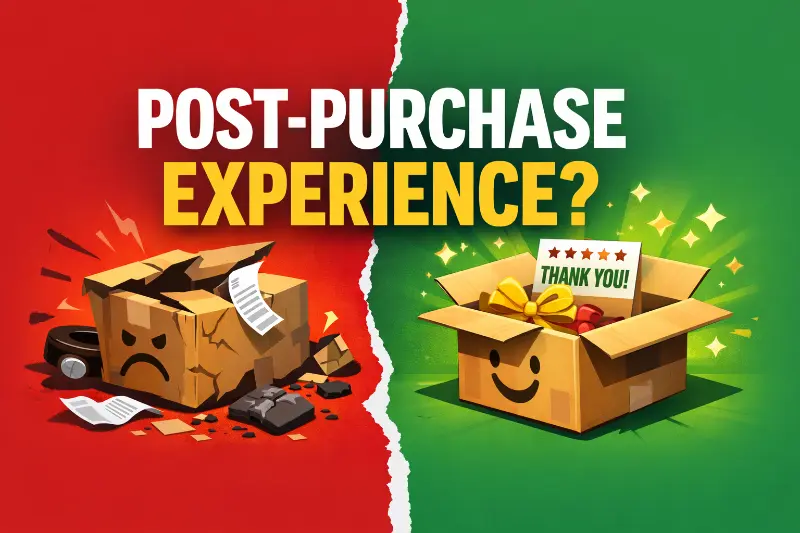
After a customer clicks “buy,” the post-purchase experience begins – it’s all the steps and interactions a shopper encounters from checkout through delivery and beyond. In other words, it covers every interaction after a sale. This includes the initial order confirmation email, regular shipping updates with tracking, the actual delivery and unboxing of the product, and any returns or customer support that follow. A positive post-purchase experience can cement trust and loyalty: one study notes it leads to “repeat business, increased customer loyalty, and positive word-of-mouth”. In practical terms, managing this experience well can turn a one-time buyer into a long-term, loyal customer; getting it wrong often means losing future sales and brand reputation.
Key Components of the Post-Purchase Experience
The post-purchase journey has several critical touchpoints. Leading experts break it down into steps like order confirmation, shipping updates, delivery reliability, packaging (unboxing), returns, and support. In practice, the key components include:
- Order confirmation and notifications: Send a clear confirmation email as soon as the order is placed, with an itemized receipt and next steps. For example, an automated shipping confirmation email (with order and address details) immediately reassures the customer that their purchase went through. This one email can also include a tracking link so customers know when to expect their package. The order confirmation page is a key touchpoint for engaging customers post-purchase, offering opportunities for customization, collecting feedback, and encouraging repeat business. Order confirmation emails have a high open rate and can alleviate customer anxiety after a purchase. Post-purchase emails also have higher open rates than promotional emails, making them especially valuable for marketing.
- Real-time tracking updates: Provide live tracking or status emails/SMS as the order moves. Allow customers to see where their package is in transit. Timely updates (e.g. “Shipped – expected delivery Friday”) cut uncertainty and reduce “Where is my order?” support calls. Delivery speed is a top factor for 63% of buyers, while 52% would wait up to two days for accurate tracking.
- Reliable delivery & branded packaging: Partner with dependable carriers to ensure on-time delivery. The packaging itself matters: secure, well-branded boxes or nice unboxing touches can turn receiving a package into a positive surprise. An enjoyable unboxing experience (branded tissue paper, thank-you note, protective wrapping) can reinforce a good impression of your brand. A seamless checkout experience and a positive customer experience are reinforced by thoughtful packaging and presentation.
Proper packaging not only protects the item but also reinforces brand quality. A professional-looking package and a well-organized unboxing moment can delight customers and make them more likely to shop again.
- Easy returns and exchanges: Clearly explain your return policy and make returns hassle-free. A customer-friendly system (pre-paid return labels, a self-service return portal, or store credit options) encourages customers to buy with confidence. Complex or opaque return processes frustrate buyers and hurt trust. For example, if a clothing retailer offers instant refunds or exchanges, shoppers know they can easily swap sizes, which boosts their confidence to purchase. In fact, 95% of satisfied returners will shop again with a merchant that offers a hassle-free returns experience, and 92% of customers will buy again if the return process is easy.
- Accessible customer support: Ensure customers can quickly reach out (via email, chat, phone, or social media) if they have questions or issues. Even with great systems, questions may arise, so a responsive support team is part of the journey. Having a knowledgeable support team ready to assist keeps customers happy and can turn a potentially negative situation (like a delayed shipment) into a positive one by handling it promptly.
The thank you page is a strategic touchpoint in the post purchase experience. It can be optimized for upselling and cross-selling complementary products to customers right after their purchase, increasing average order value and revenue. Collecting customer birthdays on the thank you page can enhance personalization and lead to targeted marketing opportunities. Including product recommendations in post-purchase emails can also increase average order value and encourage repeat purchases.
Collecting customer feedback and encouraging positive reviews after the purchase is essential, as positive reviews serve as social proof and help build trust with future buyers. Inviting customers to leave positive reviews and feedback can be integrated into post-purchase emails and the thank you page, further enhancing the overall post purchase experience.
These elements together form the post-purchase journey. For instance, a well-known ecommerce store might automatically email shipping confirmations with tracking links and follow up with a delivery notification. Other brands might include small thank-you cards or discount codes in the package to encourage another order. Each step provides an opportunity to reassure the buyer and build brand loyalty.
Let AI Optimize Your Shipping and Boost Profits
Cahoot.ai software selects the best shipping option for every order—saving you time and money automatically. No Human Required.
See AI in ActionWhy Post-Purchase Experience Matters (Beyond Marketing)
A strong post-purchase experience goes far beyond simple marketing – it directly impacts customer satisfaction, trust, and your bottom line. In 2025, 83% of customers expect regular communication from brands after purchase, and customer expectations have risen due to innovations from major ecommerce brands. Research consistently shows that shoppers care deeply about what happens after they buy. In one survey, over 93% of consumers said the post-purchase phase is important, yet 83% believe retailers have room to improve. Another report found that nearly 80% of customers expect a positive post-purchase experience, but only about 1% of companies always deliver on that. Retail brands and ecommerce brands are now prioritizing the post-purchase experience as a key marketing strategy to drive customer loyalty and engagement.
- Higher customer lifetime value (CLV): Improving the post-purchase journey keeps customers coming back. Retailers that address gaps in post-purchase care see higher CLV. For example, parcelLab notes that by “addressing PPX loopholes and enhancing the post-purchase journey, retailers can boost CLV”. In short, each customer generates more revenue over their lifetime. In fact, a mere 5% increase in retention can boost profits by 25% to 95%, and it is cheaper to retain existing customers than to acquire new ones.
- More repeat purchases and loyalty: A smooth experience after the first sale encourages people to buy again. According to parcelLab, delivering a positive post-purchase experience is “crucial for customer retention and future brand loyalty”. Gorgias (a helpdesk provider) likewise reports that post-purchase care “nurtures customers to make repeat purchases”. Repeat customers are 60-70% likely to make a repeat purchase, while new customers are only 5-20% likely to make an initial purchase. Additionally, 89% of customers are likely to make a repeat purchase after a positive experience. The longer a customer stays with a brand, the more their average order value increases with subsequent purchases. Simply put, customers who feel well-treated after buying are more likely to stick with the brand. Engaging with existing customers and past customers through proactive post-purchase communication strengthens the customer relationship and encourages repeat business.
- Increased customer satisfaction and trust: Timely updates and clear communication make customers feel respected and informed. Package tracking alone is cited as “one of the easiest ways to boost your post-purchase customer satisfaction”. When customers know what’s happening with their order, anxiety drops. In contrast, a lack of information breeds frustration. Gorgias emphasizes that the post-purchase phase “affects customer retention” and offers a chance to set your brand apart. Surveys show that if the post-purchase experience is poor, customers lose trust – for instance, over 70% of customers said they would not return after a bad delivery experience.
- Positive word-of-mouth and referrals: Happy post-purchase customers often share their experience. ParcelLab notes that better post-purchase care leads to more word-of-mouth referrals. Conversely, an unhappy customer is “three times more likely to tell their friends” about a bad experience. Good updates and surprise delights (like free samples or thoughtful packaging) give shoppers something to talk about.
- Operational efficiency and cost savings: Behind the scenes, a well-designed post-purchase flow streamlines operations. Clear tracking and automated notifications mean fewer “Where’s my order?” calls to your customer support team. According to industry experts, automating these steps “saves time and resources on customer service” and reduces support tickets. It also cuts down return-related workload: easy self-service returns mean fewer manual interventions. In short, efficient post-purchase processes free up staff to focus on growth, not basic status inquiries.
In summary, investing in post-purchase experience builds customer satisfaction and loyalty – which in turn drives more repeat purchases and higher CLV. In 2025, the post-purchase experience is a critical driver of sustainable growth, with businesses prioritizing proactive engagement. It also reduces churn and operational costs. By contrast, neglecting this phase wastes marketing money (acquiring new customers to replace those lost) and hurts your brand’s reputation.
Post-Purchase Communication
Effective post-purchase communication is the backbone of a powerful post purchase customer experience. Once a customer completes their initial purchase, the way your ecommerce business continues the conversation can determine whether they become a one-time buyer or a loyal, repeat customer. A well-crafted post purchase communication strategy keeps your brand top-of-mind, nurtures trust, and encourages repeat business—key drivers of customer lifetime value.
Beyond basic order updates, post-purchase communication should focus on building a relationship throughout the entire customer journey. This can include sending personalized thank you messages, sharing helpful tips for using the product, or offering exclusive discounts for future purchases. Thoughtful post purchase email flows—such as invitations to join a loyalty program, reminders about items left in a wishlist, or tailored product recommendations—help keep customers engaged and coming back for more.
Encouraging customers to provide feedback or leave a review not only shows that you value their opinion, but also helps you improve your service and attract new customers. Inviting satisfied customers to share their experience on social media or within online communities can amplify positive word of mouth and strengthen your brand’s reputation.
For ecommerce businesses, a proactive post purchase communication strategy is essential for customer retention. By consistently reaching out with relevant, timely, and valuable information, you demonstrate that you care about the customer’s experience long after the sale. This ongoing engagement is what transforms first-time buyers into loyal customers, increases repeat purchases, and maximizes the customer lifetime. In today’s competitive landscape, brands that prioritize post-purchase communication gain a significant advantage in building lasting customer relationships and driving sustainable growth.
ShipStation vs. Cahoot: 21x Faster, Real Results
Get the inside scoop on how a leading merchant switched from ShipStation to Cahoot—and what happened next. See it to believe it!
See the 21x DifferenceOperational Implications for Your E-commerce Store
The impact of post-purchase experience is not just theoretical – it has clear operational consequences. A strong post-purchase process means fewer manual tasks and lower costs. For example, automating shipping updates and simplifying returns can drastically cut the number of support tickets your team handles. Collecting customer feedback and valuable feedback during these stages helps identify pain points and improve operational processes. Instead of spending hours answering “Where is my order?” emails, your customer support team can focus on higher-value work. Using email templates for customer support can save time and ensure high-quality responses. A well-designed post purchase email flow can streamline customer interactions and improve efficiency. This improved efficiency directly reduces operational expenses. Acting on customer feedback also leads to continuous improvement in the post-purchase process.
Conversely, a weak post-purchase system can blow up costs. If customers don’t get timely updates or find returns confusing, they flood support channels and abandon your brand. Industry data warns that customers “anxiously awaiting their package” are greatly reassured by small details like confirmation emails and tracking notifications. Without those, you often see more refunds, more complaints, and a higher return rate. More than 70% of shoppers report they won’t return after a single bad delivery. Losing those buyers means spending extra on marketing and promotions to replace them. In short, a poor post-purchase experience increases churn and drives up your customer acquisition costs.
In practical terms for a Shopify store, this means: streamline your fulfillment and communications. Use integrated tools to send order status emails/SMS automatically. Provide tracking links on your site. Implement an easy-to-use returns portal. These steps not only make customers happier but also lighten the load on your staff and systems. When done right, the post-purchase process becomes a source of operational efficiency, not overhead.
Frequently Asked Questions
What is the post-purchase experience in ecommerce?
It’s the series of steps a customer goes through after completing an online purchase. This includes the order confirmation message, shipment and tracking updates, the delivery and unboxing of the product, and any follow-up like returns or customer support. Each interaction during the post-purchase phase shapes the customer’s experience and can significantly impact their perception of your brand. Understanding customers’ post purchase behavior is key to optimizing these steps and ensuring a seamless process.
Optimizing the customer’s post purchase experience can lead to higher satisfaction, increased loyalty, and positive word-of-mouth. A smooth post-purchase experience builds trust and satisfaction by keeping the buyer informed and supported throughout the entire post-sale journey.
Why is a good post-purchase experience important for my online store?
A positive post-purchase process helps turn first-time buyers into repeat customers. Shoppers who feel well taken care of after a sale are more likely to return and spend more over time. A positive customer experience after purchase not only encourages customers to return but also invites customers to engage further with your brand. Sending a welcome email makes customers feel like part of a community and can offer them key resources. Studies show that satisfied customers spend significantly more in their lifetime than new customers. Good post-purchase communication (like timely shipping notifications and easy returns) also increases customer satisfaction and brand trust. In contrast, a bad experience (late delivery, confusing returns, no updates) can cause customers to abandon the brand – one survey found over 70% won’t buy again after a single poor delivery experience.
What are common elements of the post-purchase journey?Typical elements include:
- Order confirmation email: An immediate email or SMS confirming the order details and payment. This is also a great opportunity to invite customers to leave feedback or make repeat purchases.
- Shipping notification: A second message when the item ships, often with a tracking link (a shipping confirmation email).
- Order tracking: The ability for customers to track their package in real time on a tracking page or through notifications.
- Delivery and unboxing: The actual handover of the product. How the item is packaged and presented can delight the customer (branded packaging or freebies) or disappoint if it arrives damaged.
- Returns and exchanges: A straightforward returns process and clear policy if the customer needs to send the item back. Fast refunds or exchanges are important.
- Customer support: Accessible support channels (email, chat, phone, social media) to answer any questions after purchase.
- Loyalty and reviews: Remind customers about your loyalty program and encourage customers to participate by offering special offers or rewards. Invite customers to leave positive reviews, which can influence potential customers and build trust in your brand.
Together, these steps – often called the post-purchase journey – shape the customer’s overall impression of your store’s service.
How can a poor post-purchase experience affect my ecommerce store?
It can have serious consequences. If customers don’t get order updates or find returns difficult, they become frustrated. Many will abandon the store for future purchases, which lowers customer lifetime value and hurts revenues. Increased customer complaints also burden your customer support team with repetitive inquiries (like “where is my order?”), raising operational costs. Negative word-of-mouth may spread: unhappy customers are far more likely to tell friends about a bad experience than share a positive one. Poor post-purchase experiences can damage customer relationships and hinder word of mouth marketing, making it harder to attract new customers through recommendations. However, providing stellar customer service post-purchase can help recover trust and encourage positive word of mouth. In short, a weak post-purchase process wastes marketing spend (losing customers you worked hard to acquire) and erodes trust in your brand.
How can I improve the post-purchase experience in my ecommerce store?
Start by automating and communicating clearly. Send an immediate order confirmation and a follow-up shipping confirmation email with a tracking link. Include a review request in your post-purchase email flow to encourage feedback and generate social proof. Update customers proactively if delays occur.
Optimize your ecommerce site to engage customers right after a customer buys—use the thank you page to offer a free gift or incentive for their next purchase, or present strategic upsell offers. Building an online community and encouraging user-generated content can further strengthen customers’ connection to your brand and foster loyalty.
Make your delivery fast and reliable, and package items securely with a branded touch if possible. Simplify returns: provide easy instructions, prepaid return labels, or a portal so customers aren’t left guessing. Lastly, ensure your customer support team can quickly answer questions post-sale (for example, via live chat or prompt email replies).
A coordinated marketing strategy that integrates post-purchase engagement with logistics and customer service is essential for meeting customer expectations and building long-term loyalty. These practical steps boost customer satisfaction and loyalty by making the post-purchase phase hassle-free and informative.
Written By:

Indy Pereira
Indy Pereira helps ecommerce brands optimize their shipping and fulfillment with Cahoot’s technology. With a background in both sales and people operations, she bridges customer needs with strategic solutions that drive growth. Indy works closely with merchants every day and brings real-world insight into what makes logistics efficient and scalable.

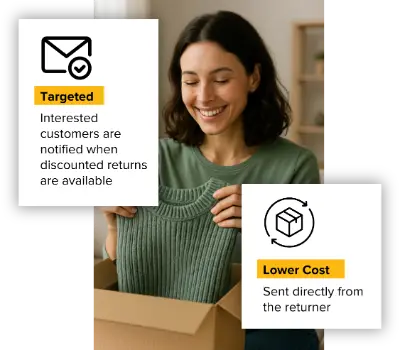
Turn Returns Into New Revenue
Related Articles
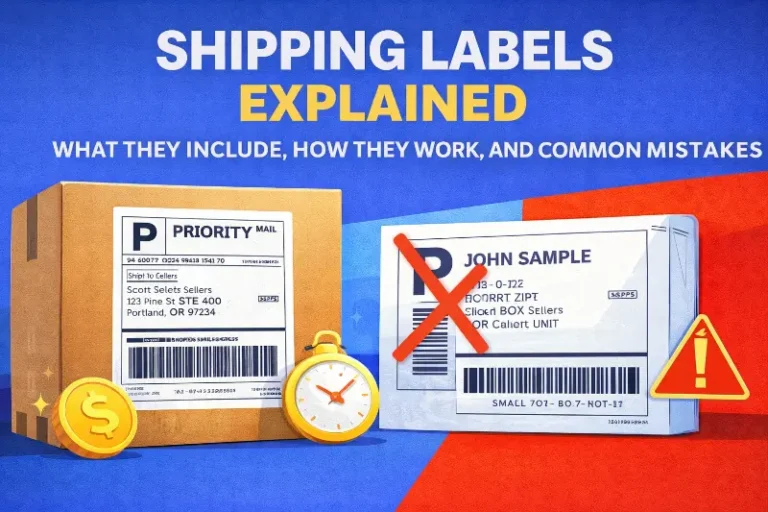
Shipping Labels Explained: What They Include, How They Work, and Common Mistakes
Shipping labels are the operational backbone of ecommerce fulfillment, a small piece of paper that determines whether packages reach customers successfully or trigger costly failur...
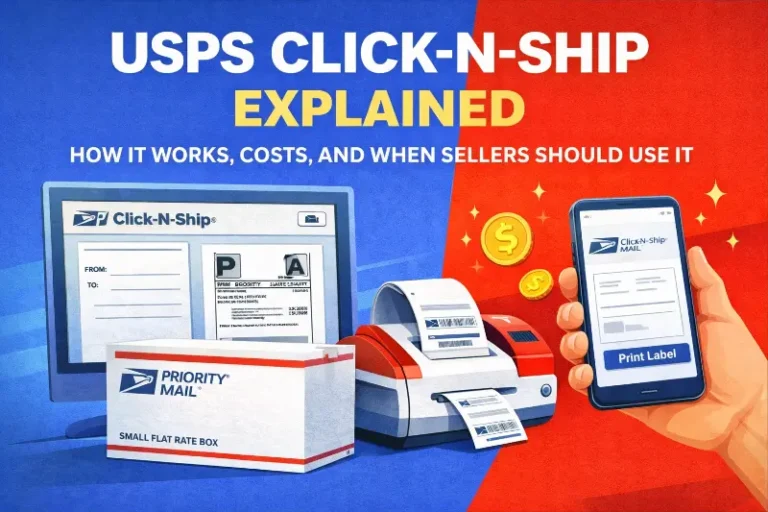
USPS Click-N-Ship Explained: How It Works, Costs, and When Sellers Should Use It
USPS Click-N-Ship is the postal service’s free online label-printing tool, and for most Shopify sellers shipping more than 50 packages monthly, it’s already time to move beyond it....
USPS Tracking Explained: What Each Status Means and How Sellers Should Respond
The “if it fits, it ships” model offers compelling economics for heavy items traveling cross-country, but costs Shopify brands up to 175% more than alternatives for lig...