
Why the Auctane-WWEX Merger Redefines the Future of Ecommerce Logistics

Last updated on December 24, 2025
 21 minutes
Introduction
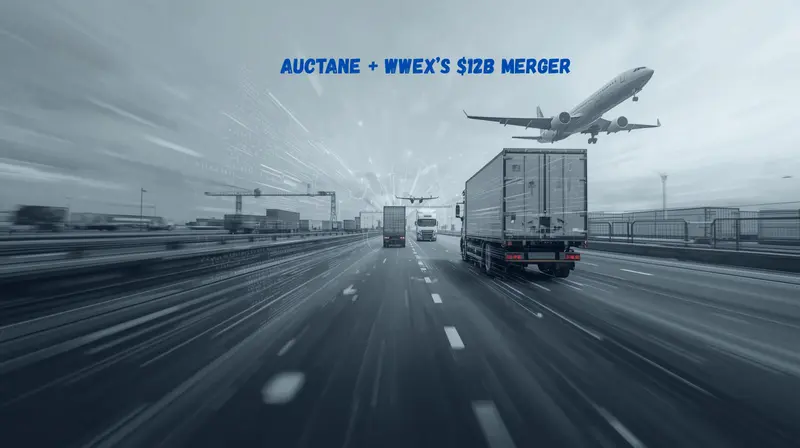
The $12 billion merger of Auctane and WWEX Group is poised to reshape how ecommerce brands manage shipping and logistics. By combining a leading shipping software platform with a major third-party logistics provider, this deal signals that software alone is no longer sufficient to stay competitive in the evolving fulfillment landscape. The Auctane–WWEX merger isn’t about adding warehouse space or trucks for the sake of scale—it’s about software moving closer to physical operations. As shipping profit margins shrink and every provider offers similar basic tools, Auctane’s union with WWEX hints at a new strategy: integrate technology with logistics services to gain an edge. This article will explore who these companies are, why private equity is driving this convergence now, how the buzz around AI fits in, and what it all means for ecommerce brands choosing their shipping solutions.
Meet the Players: Auctane and WWEX
Before diving into the implications, it’s important to understand the two companies involved. Auctane (formerly Stamps.com) is a leading provider of ecommerce shipping software solutions. If you’ve printed USPS or UPS labels online for your business, there’s a good chance you’ve used an Auctane product. Auctane operates a family of well-known platforms including ShipStation, Stamps.com, ShippingEasy, ShipEngine, ShipWorks, Endicia, Metapack, and others. These tools help online sellers manage orders, compare carrier rates, print labels, and track shipments across multiple sales channels. In fact, Auctane’s software powers billions of shipments each year for businesses around the globe. Thoma Bravo, a private equity firm, took Auctane private in 2021 by acquiring Stamps.com for about $6.6 billion, reflecting the high value of these shipping software platforms during the ecommerce boom.
WWEX Group, on the other hand, is a logistics powerhouse built from the merger of Worldwide Express, GlobalTranz, and Unishippers. WWEX isn’t a warehouse operator in the traditional sense—it’s a third-party logistics (3PL) services platform that specializes in parcel and freight shipping solutions. Worldwide Express (together with its franchise network Unishippers) has long been one of the largest authorized UPS resellers for small and mid-size businesses, while GlobalTranz brought strength in freight brokerage (LTL and truckload) for larger shippers. Today, under the WWEX Group banner, the company serves over 121,000 customers with a broad suite of shipping options: small package delivery via UPS, LTL freight, full truckload brokerage, and more. WWEX Group is the second-largest privately held logistics company in the U.S., with an annual system-wide revenue nearing $5 billion. It’s also the largest non-retail UPS Authorized Reseller in the country, meaning it leverages huge volume to secure discounted shipping rates for clients. WWEX Group is headquartered in Tempe, Arizona. In short, WWEX is a major 3PL intermediary that uses technology (like its SpeedShip platform) and a network of carrier relationships to help businesses ship smarter. By late 2025, WWEX Group reported roughly $4.4 billion in revenue for 2024, highlighting its significant scale in logistics.
Bringing these two players together means uniting Auctane’s software capabilities with WWEX’s physical carrier network and operational know-how. Auctane excels in the “digital” side of shipping—order data, label generation, and automation—while WWEX excels in the “physical” side—getting packages picked up, consolidated, and delivered via carrier partners. Each on their own is a leader in its niche; together, they form a more vertically integrated shipping solution. The merger will result in the formation of a new company, with strategic investors including Ridgemont Equity Partners and Providence Equity Partners. As we’ll see, this marriage is being driven by forces that are reshaping the logistics industry.
Private Equity’s Push for Software–Logistics Convergence
It’s no coincidence that this merger is happening under the guidance of private equity investors. Thoma Bravo, which owns Auctane, is spearheading the plan to merge Auctane with WWEX Group into a single company valued around $12 billion, creating what competitors are calling a 12 billion shipping technology powerhouse. Talks to merge the two companies began as early as December, with ongoing discussions and a formal proposal being considered as of 12 2025. This matter is significant, as the transaction is worth billions and will result in the merging of software and logistics units. In doing so, Thoma Bravo isn’t just merging two companies—it’s merging two historically separate parts of the ecommerce supply chain (software and logistics) under one roof. The combined company will leverage Auctane’s cloud-based software and WWEX Group’s extensive agent network for enhanced supply chain visibility and analytics. The merger aims to create a vertically integrated supply chain entity linking e-commerce shipping with a large agent-based brokerage network. This kind of convergence has a clear financial logic. By combining Auctane’s high-margin software business with WWEX’s extensive logistics volume, the new entity can offer a one-stop solution and potentially unlock cost efficiencies that neither could achieve alone. Thoma Bravo has signaled its commitment by planning a $500 million new equity investment into the combined company and intends to raise a direct loan of $5 billion to finance the merger. Thoma Bravo’s plan includes refinancing Auctane and WWEX’s existing debt with this $5 billion direct loan, utilizing private credit as a flexible alternative to traditional bank loans. In other words, the private equity firm is literally betting half a billion dollars of its own capital (and leveraging private credit markets for more) on the idea that an integrated shipping-tech company will be more valuable than the sum of its parts. The deal is expected to be completed following the finalization of ongoing talks and approval of the proposal.
Why are investors pushing this now? Private equity firms like Thoma Bravo specialize in accelerating growth and creating value, often through strategic mergers. In this case, they see operational synergies in uniting a software provider with a logistics provider. The goal is to create a vertically integrated platform capable of optimizing end-to-end supply chain operations. Instead of Auctane just providing the software that prints a shipping label and then handing off to a third party, the merged company can potentially handle the entire shipping process from order through delivery. This could mean streamlined services for customers (e.g. automatic selection of the best carrier or service for each order, guaranteed capacity during peak seasons, integrated parcel and freight solutions) that a standalone software firm couldn’t easily offer. It also means the combined company can capture more of the economic value of each shipment—software fees and a slice of the shipping spend—rather than each business taking only one piece.
Private equity’s playbook here also reflects a broader trend of consolidation in a fragmented market. The shipping software space has many competing tools, and the third-party logistics space has many regional players; both arenas have been ripe for roll-ups. By merging Auctane and WWEX, investors aim to create a dominant one-stop shop. This isn’t a growth-at-all-cost tech merger of two unprofitable startups—it’s a calculated combination of mature businesses to squeeze out inefficiencies and boost margins. Notably, the financing structure (heavily using private credit from firms like Blackstone) indicates confidence that the merged entity will generate strong, stable cash flows to service debt. In a high interest rate environment, private credit has become a key enabler for such large PE-driven deals, offering more flexible terms than traditional banks. The willingness of lenders to back a $5B direct loan for this merger underscores an expectation that together, Auctane and WWEX will be financially stronger than they were separately. Private equity firms share resources and relationships to achieve these ambitious investment goals.
Post this strategic and financial rationale, we’ll examine the market realities driving this convergence. The timing of this merger is a response to mounting pressures on standalone shipping businesses.
Let AI Optimize Your Shipping and Boost Profits
Cahoot.ai software selects the best shipping option for every order—saving you time and money automatically. No Human Required.
See AI in ActionWhy Now? Shrinking Margins and the End of the “Standalone” Moat
Several industry pressures have set the stage for why this merger is happening in late 2025. The merger talks and deal announcement occurred in December, highlighting the immediacy and strategic timing of the move. One major factor is margin pressure in shipping and fulfillment. Over the past few years, carriers like UPS, FedEx, and USPS have steadily raised rates and surcharges. Ecommerce merchants, in turn, are extremely sensitive to shipping costs and transit times. This squeeze means that intermediaries – whether shipping software providers or 3PL resellers – have less room to take a cut. Auctane’s platforms historically earned revenue through subscriptions and by facilitating discounted postage (for example, Stamps.com resells USPS postage at a small margin). As carriers tighten discount programs and more merchants demand lowest-cost shipping, the profit margins on simply providing labels or API access have been compressing. In short, printing postage has become a commodity service; everyone expects cheap labels and good rates. The differentiation that standalone shipping software once had (like a nicer user interface or easier integrations) has narrowed as well. Competing platforms now offer very similar features – rate shopping, order management, bulk label printing, returns processing, etc. It’s hard to stand out on software features alone in 2025, because even ecommerce platforms like Shopify and marketplaces like Amazon offer built-in shipping tools to sellers.
WWEX faces a similar commoditization challenge on the logistics side. As a UPS reseller and freight broker, WWEX’s value to customers is to negotiate better rates and provide service. But digitalization in freight and small parcel is bringing more transparency. Small businesses can get instant shipping quotes online from multiple sources. UPS itself launched digital access programs that give platforms like Shopify and WooCommerce negotiated rates, which can bypass traditional resellers. To stay relevant, a 3PL like WWEX needs more than just a salesforce – it needs unique tech and data offerings.
This is why combining software with logistics is a timely defensive move. By merging, Auctane and WWEX can create proprietary advantages that neither could alone. For instance, the combined entity could use WWEX’s massive shipping volume data to feed into Auctane’s software, giving merchants smarter recommendations (like flagging the cheapest or fastest option across carriers based on real-time network conditions). It could also leverage Auctane’s integration into shopping carts and marketplaces to funnel more shipping business directly into WWEX’s network. Essentially, they want to move up the value chain from just providing labels or rates to actually controlling the shipping flow. This deeper operational involvement is harder for a new startup or a single-feature tool to replicate, thus rebuilding a “moat” against competition.
Another reason this is happening now is the pervasive narrative around AI and automation in logistics. 2023–2025 has been an era where every logistics tech company is touting AI-driven optimization, predictive analytics, and end-to-end visibility. To be sure, there are real gains to be had here: automated decision-making can route packages more efficiently, and machine learning can help predict shipping delays or choose optimal warehouse locations. Thoma Bravo itself has pointed to the importance of tech – the firm noted that logistics is undergoing a “tech-led transformation” with an emphasis on automation, real-time tracking, and predictive analytics to reduce costs and improve efficiency. In pitching the Auctane-WWEX deal, there’s been talk of creating data-driven logistics solutions and leveraging AI to disrupt old-school shipping processes.
However, it’s important to separate the AI hype from the core drivers in this merger. The reality is that AI alone isn’t a silver bullet for what ails shipping software companies. Yes, the combined Auctane/WWEX entity will surely use AI for things like dynamic pricing, delivery route optimization, or customer analytics. But those features are increasingly expected in modern software – competitors can often implement similar algorithms or use third-party AI services. What truly sets the stage for this merger is not a fancy new AI model, but the old-fashioned economics of scale and integration. When shipping volumes are high and margins per package are slim, controlling more of the supply chain is the surest way to squeeze out cost savings. For example, by integrating operations, the merged company might reduce duplicate overhead (one IT system instead of two, one support team, etc.) and negotiate even better carrier contracts by combining volume.
AI is thus part of the story, but it’s more of an enhancer than the foundation. Think of AI as the icing on the cake: it can make the combined platform smarter and more attractive, but it’s not the cake itself. The real “cake” here is the merging of physical logistics capabilities with software, creating a platform that can actually execute on the insights that AI might provide. Without trucks, planes, and carrier contracts, even the best shipping algorithm is just advice on a screen. Competitors in shipping tech can copy each other’s software features and AI tools relatively quickly, but they can’t overnight replicate a nationwide logistics network or a base of 100,000+ shipping customers. This is why Thoma Bravo is betting on a strategy that goes beyond software. As one analysis noted, the success of this deal will hinge on integrating systems and realizing cost synergies in operations, not just on any single technology trick.
In summary, the timing of the Auctane-WWEX merger comes as: (a) shipping software is becoming commoditized and needs a new edge, (b) logistics providers are seeking tech integration to stay competitive, (c) economic pressures (inflation, high interest rates) reward those who can cut costs via scale, and (d) the industry is buzzing about AI, providing a convenient narrative to package the deal as forward-looking. The next question is what this all means in practice for ecommerce businesses that rely on these kinds of services.
What the Auctane–WWEX Merger Means for Ecommerce Brands
If you’re an operations or logistics leader at an ecommerce brand, you might be wondering how this big merger in the shipping world will trickle down to you. On the surface, it might not cause any immediate changes—after all, it’s a merger of two vendors behind the scenes. But over time, a combined Auctane-WWEX could impact the options and value you get when choosing shipping software or services.
For one, expect more “all-in-one” shipping solutions to be offered. Traditionally, an online seller might use Auctane’s ShipStation (software) to manage orders and print labels, and separately use a 3PL or carriers for fulfillment and transport. Going forward, those lines will blur. The merged company will likely pitch ecommerce brands a unified package: use our platform to manage orders and access discounted shipping rates and get logistics support like pick-ups or freight quotes. For some brands, this could be very convenient. You might get a single point of contact and a single bill for software + shipping. There could be cost incentives too. For example, the combined firm could afford to offer the software at a low cost (or even free) if you commit to shipping volume through their logistics network – effectively bundling the service. This model is already seen in other areas (e.g. Amazon’s Seller Central provides free tools but makes money on fulfillment fees). Ecommerce companies should evaluate these bundles carefully: you could save money and hassle with an integrated solution, but you’ll want to ensure the shipping rates and service quality remain competitive.
The new entity aims to provide a premier customer experience with digital platforms and local agent support. People with knowledge of the deal expect these improvements in customer experience to be a key outcome of the merger.
The merger also means there may be fewer independent software choices over time. If shipping software alone isn’t a sustainable business, we might see more consolidation or partnerships in this space. Smaller shipping app providers could get acquired by logistics companies or shut down if they can’t differentiate. For brands, this consolidation can be a double-edged sword. On one hand, the remaining platforms will be more robust and feature-rich (since they’re backed by larger organizations). On the other hand, reduced competition can sometimes lead to higher prices or less flexibility. Brands should keep an eye on whether the merged Auctane-WWEX entity changes its pricing structure or pushes users into long-term agreements. Competition from alternatives (like Shopify’s native shipping features, or other 3PLs with tech platforms) will act as a check, but if the whole industry moves towards a few big integrated players, negotiating power may shift away from small customers.
Importantly, ecommerce leaders will need to consider how neutral their shipping software is. One advantage of using a standalone tool was that it was carrier-agnostic – the software would show you rates from USPS, UPS, FedEx, etc., and you choose what’s best for you. With a 3PL-owned platform, there could be a tilt. For instance, WWEX has a strategic relationship with UPS. If you’re on their platform, will it favor UPS services in the interface or offer better incentives for using UPS over FedEx or USPS? It’s possible. The merged company will of course claim to remain objective and give customers choices, but naturally they’ll want to steer volume to their preferred partners (that’s how they maximize their margins). As a brand, you should stay savvy: continue to compare offers and performance across carriers periodically, even if you’re getting comfortable with one integrated solution. The good news is that WWEX’s business model is built on offering multi-carrier options (UPS for parcel, a whole roster of LTL carriers for freight), so a tool like ShipStation under WWEX would likely still support many carriers – but the depth of integration or discounts might differ.
Another implication is the potential for improved support and innovation. A larger combined company can invest more in R&D. Ecommerce brands might see faster feature development in the shipping platforms – for example, more advanced analytics (combining operational data with your order data) to give insights like “ship-from locations that could save you time and cost” or proactive alerts about supply chain disruptions. The merger press releases talk about “data-driven logistics solutions” – if that materializes, merchants could benefit from smarter recommendations (like automatically splitting an order to ship from two warehouses because it’s cheaper, or suggesting switching carriers due to a service delay). Also, WWEX’s army of shipping consultants and agents could be at your disposal alongside the software. Some growing brands may appreciate having a human logistics expert who can help optimize their shipping strategy – something that pure software companies typically don’t provide. On the flip side, very small sellers who just want a self-serve app might feel a big organization is less personal or flexible than a niche software vendor was.
Finally, consider the resilience and roadmap of your shipping solution. The fact that Auctane felt the need to merge might indicate that the standalone software model has limitations in the long run. If you’re using an independent platform today (not Auctane’s), ask whether that provider has a path to stay competitive – will they partner with carriers or 3PLs, or could they be left behind? This doesn’t mean you should abandon ship immediately, but it’s wise to ensure any critical software you use is financially healthy or has strong backing. The last thing you want is your shipping software provider going under or being acquired suddenly without a plan, potentially disrupting your operations. In the coming years, we may see a tighter ecosystem where shipping tech and logistics services are intertwined. Brands should be prepared for that and focus on partners that offer real operational leverage, not just fancy tech demos. The Auctane-WWEX merger is a bellwether: it tells us that to truly reduce shipping costs and improve reliability, providers are willing to fundamentally change their business models and unite forces.
In conclusion, the Auctane–WWEX deal marks a shift in ecommerce logistics from siloed software or services toward integrated platforms. It highlights that as an ecommerce business, you should look for solutions that not only have sleek software features but also the physical network and leverage to back those features up. While we watch how effectively Auctane and WWEX execute this integration (and it’s by no means guaranteed success—combining two big companies is always tricky), the rationale behind it is clear. Shipping software on its own isn’t a moat anymore, and logistics services without top-tier software leave value on the table. The future belongs to those who can blend the two seamlessly.
ShipStation vs. Cahoot: 21x Faster, Real Results
Get the inside scoop on how a leading merchant switched from ShipStation to Cahoot—and what happened next. See it to believe it!
See the 21x DifferenceFAQ
Who is Auctane and what do they do?
Auctane is the parent company of several popular ecommerce shipping software brands, including ShipStation, Stamps.com, ShipEngine, ShippingEasy, Cahoot, and others. Formerly known as Stamps.com, Auctane’s platforms help online businesses compare carrier rates, print shipping labels, and manage order fulfillment across marketplaces and websites. In 2021, private equity firm Thoma Bravo acquired Stamps.com (Auctane) for about $6.6 billion, underlining Auctane’s status as a leader in shipping software.
Who is WWEX Group?
WWEX Group (Worldwide Express group) is a large third-party logistics provider that encompasses Worldwide Express, GlobalTranz, and Unishippers. It specializes in small-parcel shipping (especially through UPS) and freight services (LTL and full truckload) for over 121,000 customers ranging from small businesses to enterprises. WWEX Group is the second-largest privately held logistics company in the U.S., with annual revenue around $4–5 billion. Essentially, WWEX acts as an intermediary that gives businesses access to discounted shipping rates, logistics expertise, and a technology platform (SpeedShip) to manage shipments.
Why are Auctane and WWEX merging?
The merger is driven by a need to combine strengths as the market changes. Auctane brings best-in-class shipping software, while WWEX brings physical logistics networks and carrier relationships. Standalone shipping software tools are facing margin pressures and competition – many offer similar features and carriers have tightened discounts – so software companies like Auctane seek deeper integration with operations to stay competitive. Meanwhile, logistics providers like WWEX see value in offering a superior tech platform to their clients. By merging, they aim to create a one-stop shipping solution that can handle everything from order management to delivery. Private equity backer Thoma Bravo is facilitating the $12 billion deal, investing new equity and leveraging private financing to combine the companies. The expectation is that the merged firm can reduce costs, improve service via integration, and capture more of each transaction’s value than the two could separately.
What role does AI play in the Auctane-WWEX merger?
AI is a consideration but not the primary reason for the merger. Thoma Bravo and the companies have mentioned using data analytics and AI to optimize supply chains – for example, using predictive algorithms to choose the best shipping method or to streamline routes. However, the core motivator is operational synergy, not any specific AI technology. In other words, Auctane and WWEX are merging to combine software and logistics capabilities; AI will be a tool they use within that combined platform (to enhance automation, forecasting, etc.). It’s part of the broader industry trend of tech-enabled logistics, but the merger would likely be happening even without the AI hype. The real differentiator they seek is owning both the digital and physical aspects of shipping, which AI can help improve but cannot replace.
How will this merger affect ecommerce brands that use shipping software?
In the near term, brands using Auctane’s tools (like ShipStation) or WWEX’s services shouldn’t see immediate changes – you can continue shipping as usual. Over time, though, ecommerce sellers might be offered more integrated services. For example, you might get an option to use a unified platform that handles your order shipping and gives you WWEX-negotiated rates on UPS or freight, all in one place. This could simplify operations and possibly reduce costs if the combined company passes on savings. On the flip side, there may be fewer standalone software choices in the market as consolidation increases. Brands should remain vigilant about service quality and pricing. If you prefer a neutral multi-carrier approach, ensure that any platform you use continues to support all the carriers and methods you need. The merger is a sign that the industry is shifting toward consolidated solutions, so ecommerce companies should evaluate offers based on both software capabilities and the underlying logistics support. Always consider whether a provider has the network reach and leverage to truly help you save on shipping, beyond just providing a user-friendly interface.
Written By:

Rinaldi Juwono
Rinaldi Juwono leads content and SEO strategy at Cahoot, crafting data-driven insights that help ecommerce brands navigate logistics challenges. He works closely with the product, sales, and operations teams to translate Cahoot’s innovations into actionable strategies merchants can use to grow smarter and leaner.

Turn Returns Into New Revenue
Related Articles
Moving from Amazon 1P to 3P: What It Actually Takes to Succeed
The decision to move from Amazon Vendor Central (1P) to Seller Central (3P) usually follows months of frustration with pricing control loss, erratic purchase orders, and margin com...
Why Amazon 1P Feels Out of Control — and Why That’s Not Your Fault
When your Amazon Vendor Central account starts generating problems faster than your team can fix them, the instinct is to treat each issue as a separate operational failure.
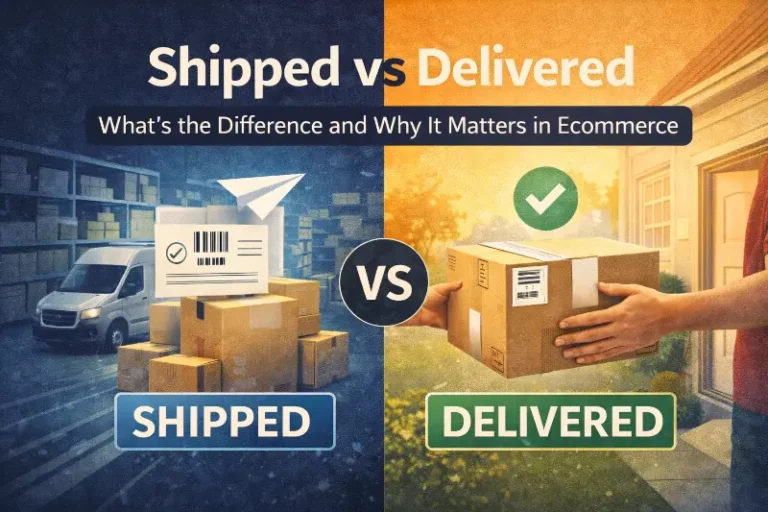
Shipped vs Delivered: What’s the Difference and Why It Matters in Ecommerce
“Shipped” and “delivered” are carrier status updates, not customer truth.