
How Much is Free Shipping REALLY Costing You?

In this article
Gone are the days when you could actually make money on shipping. Merchants are all too willing to move to a free shipping model without being aware of the entire cost of shipping a package. If you’re offering free shipping, it’s probably costing you 30 percent MORE than you think. If you talk to many companies that offer free shipping and ask, “How can you afford this?” Their answer: “I work the cost of shipping into the product.”
There are many other costs involved in shipping a product in addition to postage. Are you monitoring your delivery area surcharge (DAS) or extended delivery area surcharge (EDAS)? Most carriers have these charges.
A good exercise for companies doing ecommerce order fulfillment is to look at your average monthly packaging, warehouse labor and credit card fees, then divide that total by the number of packages you shipped
Written By:

Indy Pereira
Indy Pereira helps ecommerce brands optimize their shipping and fulfillment with Cahoot’s technology. With a background in both sales and people operations, she bridges customer needs with strategic solutions that drive growth. Indy works closely with merchants every day and brings real-world insight into what makes logistics efficient and scalable.

Turn Returns Into New Revenue
Related Articles

HTS Code Explained: What It Is, Why It Matters, and How Ecommerce Brands Use It
HTS codes (Harmonized Tariff Schedule codes) are standardized numerical classifications that identify imported products for U.
Shipping Labels Explained: What They Include, How They Work, and Common Mistakes
Shipping labels are the operational backbone of ecommerce fulfillment, a small piece of paper that determines whether packages reach customers successfully or trigger costly failur...
USPS Click-N-Ship Explained: How It Works, Costs, and When Sellers Should Use It
USPS Click-N-Ship is the postal service’s free online label-printing tool, and for most Shopify sellers shipping more than 50 packages monthly, it’s already time to move beyond it....
Post Office Wants to Shift Focus from Mail to Ecommerce Deliveries
In this article
USPS has floated a new proposal to Congress that would see it reducing mail delivery from six to five days a week while expanding packaging deliveries to seven days.
The shipping world has changed dramatically over the past decade. Since 2007, total U.S. mail volume has declined 31% to 146 million pieces, including a 41% drop in first-class mail, its most profitable product. At the same time, ecommerce has exploded, offering a way to plug the lost revenue while also adding burden to USPS operations as it handles more packages. USPS has already started to dip its toes into 7-day a week delivery to manage the 20 million packages it averages daily. It now delivers some Amazon.com packages on Sundays and also other ecommerce retail fulfillment during the busy Christmas holiday season.
The agency lost $3.9 billion in 2018, its 12th straight year of losses. According to the agency, this move better reflects the market conditions and would save it billions of dollars per year. Republican and Democratic members of Congress, however are opposed to making a change to mail deliveries.
Written By:

Jeremy Stewart
Jeremy Stewart leads customer success at Cahoot, helping merchants achieve high-performance logistics through smart technology and process optimization. With a background in both ecommerce operations and client services, Jeremy ensures that every merchant using Cahoot gets measurable results—whether they’re scaling from one warehouse to many or managing complex returns.
Turn Returns Into New Revenue
Related Articles
HTS Code Explained: What It Is, Why It Matters, and How Ecommerce Brands Use It
HTS codes (Harmonized Tariff Schedule codes) are standardized numerical classifications that identify imported products for U.
Shipping Labels Explained: What They Include, How They Work, and Common Mistakes
Shipping labels are the operational backbone of ecommerce fulfillment, a small piece of paper that determines whether packages reach customers successfully or trigger costly failur...
USPS Click-N-Ship Explained: How It Works, Costs, and When Sellers Should Use It
USPS Click-N-Ship is the postal service’s free online label-printing tool, and for most Shopify sellers shipping more than 50 packages monthly, it’s already time to move beyond it....
Teamsters Vote Down UPS Contract but Negotiations Continue
In this article
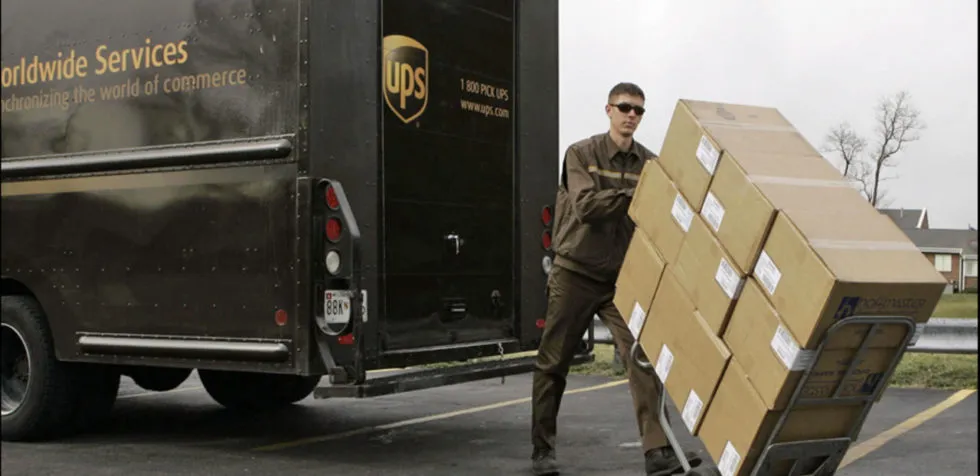
While the majority of UPS workers represented by the Teamsters union voted against a new contract, negotiations will continue as turnout was low and the no votes didn’t meet the threshold for killing the deal.
According to the Wall Street Journal, 54.3% of 243,000 Teamsters members that include UPS drivers, sorters and other workers voted against a new five-year contract Friday, while 62.1% of 11,000 freight workers voted down a separate agreement; several regional and local deals were voted down as well.
Union rules require a two-thirds vote to reject a contract when less than 50% of members vote.
Written By:
Jeremy Stewart
Jeremy Stewart leads customer success at Cahoot, helping merchants achieve high-performance logistics through smart technology and process optimization. With a background in both ecommerce operations and client services, Jeremy ensures that every merchant using Cahoot gets measurable results—whether they’re scaling from one warehouse to many or managing complex returns.
Turn Returns Into New Revenue
Related Articles
HTS Code Explained: What It Is, Why It Matters, and How Ecommerce Brands Use It
HTS codes (Harmonized Tariff Schedule codes) are standardized numerical classifications that identify imported products for U.
Shipping Labels Explained: What They Include, How They Work, and Common Mistakes
Shipping labels are the operational backbone of ecommerce fulfillment, a small piece of paper that determines whether packages reach customers successfully or trigger costly failur...
USPS Click-N-Ship Explained: How It Works, Costs, and When Sellers Should Use It
USPS Click-N-Ship is the postal service’s free online label-printing tool, and for most Shopify sellers shipping more than 50 packages monthly, it’s already time to move beyond it....
Global Postal System Fast-Tracks Rate Review After Trump Pullout Threat

In this article
By Heidi Vogt
Discounts established to help less-developed countries have continued to apply even as China has become a major e-commerce shipper.
WASHINGTON—A Trump administration threat to pull out of a global mail system over its discounted shipping rates from China could spur a change in those rates as early as April, the head of the United Nations agency that oversees the system said.The U.S. last week started a year long process to withdraw from the 144-year-old Universal Postal Union because it had failed to eliminate international discounts. Those discounts, aimed at helping developing countries, have continued to apply to China even as it has grown to become the world’s second-largest economy. They can make it cheaper to ship small packages from China to the U.S. than from locations within the U.S.
The move was the latest salvo by the Trump administration against China and a reminder of the president’s willingness to abandon international organizations that he says don’t help U.S. interests. American manufacturers welcomed the move, saying the flood of cheap goods from China undercut their business. The UPU, which is now holding previously scheduled council meetings, commissioned a report Tuesday that is the first step toward fast-tracking new rates, Director General Bishar Hussein said in an interview.
“If we work fast enough, and the member countries are all in consensus on these issues and decisions are made, by April next year I think it is a possibility,” Mr. Hussein said.The discounts also benefit countries including Russia and Mexico. The U.S. has stressed that its decision isn’t only about China, though that obviously is a large factor. Administration officials have said the lower rates cost the U.S. Postal Service some $300 million a year, with discounts ranging from 40% to 70%. Mr. Hussein said he welcomed the move by the U.S. if it manages to reform the group’s “archaic” rates.
Slash Your Fulfillment Costs by Up to 30%
Cut shipping expenses by 30% and boost profit with Cahoot's AI-optimized fulfillment services and modern tech —no overheads and no humans required!
I'm Interested in Saving Time and Money“Now with the U.S. coming in and saying, ‘Sorry, enough is enough,’ I think this is going to take the conversation to another level, and I’m very happy to see that,” Mr. Hussein said.
Mr. Hussein stressed that even a fast-tracked process has many steps, including the research report, a proposal and a vote by members. At least half of the organization’s 192 members have to vote for a proposal to be considered, and it can pass only with a two-thirds majority.
If the U.S. were to withdraw from the UPU, it would lose access to global processing and coding systems that make international mail possible, and it would have to negotiate bilateral postal agreements with every individual country, Mr. Hussein said. The U.S. has said it hopes to negotiate a solution that keeps it from having to withdraw from the UPU, but also has said it is proceeding with a plan to institute “self-declared” rates that could take effect within six months.
Written By:
Jeremy Stewart
Jeremy Stewart leads customer success at Cahoot, helping merchants achieve high-performance logistics through smart technology and process optimization. With a background in both ecommerce operations and client services, Jeremy ensures that every merchant using Cahoot gets measurable results—whether they’re scaling from one warehouse to many or managing complex returns.
Turn Returns Into New Revenue
Related Articles
HTS Code Explained: What It Is, Why It Matters, and How Ecommerce Brands Use It
HTS codes (Harmonized Tariff Schedule codes) are standardized numerical classifications that identify imported products for U.
Shipping Labels Explained: What They Include, How They Work, and Common Mistakes
Shipping labels are the operational backbone of ecommerce fulfillment, a small piece of paper that determines whether packages reach customers successfully or trigger costly failur...
USPS Click-N-Ship Explained: How It Works, Costs, and When Sellers Should Use It
USPS Click-N-Ship is the postal service’s free online label-printing tool, and for most Shopify sellers shipping more than 50 packages monthly, it’s already time to move beyond it....
Managing Through Record 2019 USPS Rate Increases
In this article
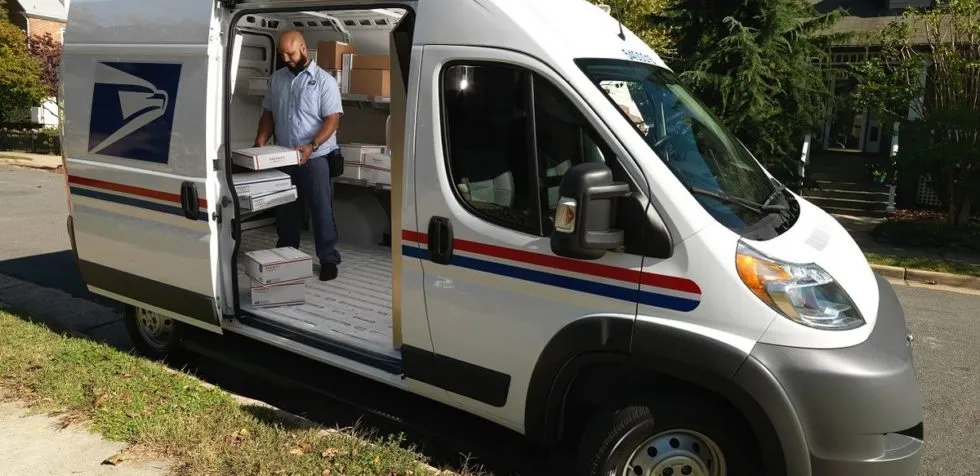
Recently, the USPS proposed a record price increase. If approved, which is expected, the higher rates will go into effect on Jan. 27, 2019. This will be the biggest rate increase in USPS history. Amazon’s retail operating income would take a 5 percent hit from shipping cost inflation if the new rates take effect, according to Barclays.
Here are some of the significant proposed 2019 USPS Shipping rate changes:
- The elimination of Commercial Plus Pricing (CPP), where now Priority Mail pricing will match Commercial Base Pricing (CBP). Many e-commerce and subscription trade shippers will be facing a painful price increase with the elimination of CPP programs.
- A conservative 5.9 percent Priority Mail increase is expected, while First Class Flat Pricing will change to zone-based pricing with an expected 11.9 percent increase. For shippers with a high proportion of outer zone shipments, the increase will be appreciably higher (as much as 21 percent).
- Perhaps most concerning is the pending reaction of UPS and FedEx as they re-evaluate their “hybrid” postal delivery products that use the USPS for last-mile delivery. Buried in the postal rate change are increases ranging from 9 percent to 30 percent on the work-share rate structures used by UPS and FedEx.
Written By:
Jeremy Stewart
Jeremy Stewart leads customer success at Cahoot, helping merchants achieve high-performance logistics through smart technology and process optimization. With a background in both ecommerce operations and client services, Jeremy ensures that every merchant using Cahoot gets measurable results—whether they’re scaling from one warehouse to many or managing complex returns.
Turn Returns Into New Revenue
Related Articles
HTS Code Explained: What It Is, Why It Matters, and How Ecommerce Brands Use It
HTS codes (Harmonized Tariff Schedule codes) are standardized numerical classifications that identify imported products for U.
Shipping Labels Explained: What They Include, How They Work, and Common Mistakes
Shipping labels are the operational backbone of ecommerce fulfillment, a small piece of paper that determines whether packages reach customers successfully or trigger costly failur...
USPS Click-N-Ship Explained: How It Works, Costs, and When Sellers Should Use It
USPS Click-N-Ship is the postal service’s free online label-printing tool, and for most Shopify sellers shipping more than 50 packages monthly, it’s already time to move beyond it....
The Post Office Wants to Raise the Fees it Charges Amazon and Other Shippers
In this article
The U.S. Postal Service has proposed a 9 to 12 percent increase in fees for the shipping service used by Amazon, just months after President Donald Trump criticized the USPS, saying it gives Amazon too good of a deal.
The parcel select service, which is also used by United Parcel Service and FedEx, is the last and typically the most expensive step in the shipping process that gets the packages to customers’ doorsteps. The USPS proposed a 9.3 percent increase on this service for packages weighing over one pound and a 12.3 percent increase on lighter packages.
Trump issued an executive order in April to set up a task force to examine the USPS, claiming that it was on an “unsustainable financial path.” He’s also tweeted that the USPS is Amazon’s “delivery boy” and doesn’t make money from Amazon’s business.
Written By:
Jeremy Stewart
Jeremy Stewart leads customer success at Cahoot, helping merchants achieve high-performance logistics through smart technology and process optimization. With a background in both ecommerce operations and client services, Jeremy ensures that every merchant using Cahoot gets measurable results—whether they’re scaling from one warehouse to many or managing complex returns.
Turn Returns Into New Revenue
Related Articles
HTS Code Explained: What It Is, Why It Matters, and How Ecommerce Brands Use It
HTS codes (Harmonized Tariff Schedule codes) are standardized numerical classifications that identify imported products for U.
Shipping Labels Explained: What They Include, How They Work, and Common Mistakes
Shipping labels are the operational backbone of ecommerce fulfillment, a small piece of paper that determines whether packages reach customers successfully or trigger costly failur...
USPS Click-N-Ship Explained: How It Works, Costs, and When Sellers Should Use It
USPS Click-N-Ship is the postal service’s free online label-printing tool, and for most Shopify sellers shipping more than 50 packages monthly, it’s already time to move beyond it....
UPS 2019 Rate Increase of 4.9% Given 3 Weeks Before Effective Date
In this article
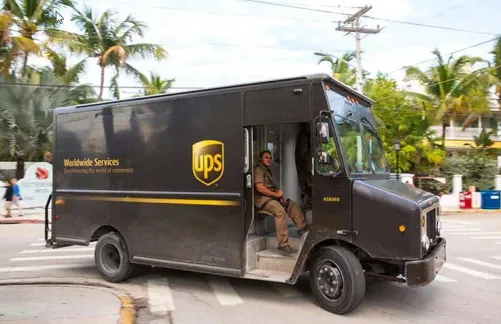
Less than three weeks before the prices take effect the day after Christmas, UPS announced its 2019 rate schedule, including an overall rate increase of 4.9% for its ground, air and international services, leaving shippers scrambling to adapt at the busiest time of year.
Last year UPS announced its general rate increase (GRI) in October, and in September the year before that. FedEx announced its 4.9% GRI for 2019 in early November. While the new FedEx rate schedule takes effect Jan. 7, UPS’s hike happens as of Dec.26, meaning it will hit the first massive wave of Christmas returns.
“This year (UPS) announced it three weeks before the effective date and in the heat of the fourth quarter peak shipping,” said parcel consultant Jerry Hempstead. “Large shippers will have little time nor the IT resources to sift through the nuances of this year’s announced changes.”
Written By:
Jeremy Stewart
Jeremy Stewart leads customer success at Cahoot, helping merchants achieve high-performance logistics through smart technology and process optimization. With a background in both ecommerce operations and client services, Jeremy ensures that every merchant using Cahoot gets measurable results—whether they’re scaling from one warehouse to many or managing complex returns.
Turn Returns Into New Revenue
Related Articles
HTS Code Explained: What It Is, Why It Matters, and How Ecommerce Brands Use It
HTS codes (Harmonized Tariff Schedule codes) are standardized numerical classifications that identify imported products for U.
Shipping Labels Explained: What They Include, How They Work, and Common Mistakes
Shipping labels are the operational backbone of ecommerce fulfillment, a small piece of paper that determines whether packages reach customers successfully or trigger costly failur...
USPS Click-N-Ship Explained: How It Works, Costs, and When Sellers Should Use It
USPS Click-N-Ship is the postal service’s free online label-printing tool, and for most Shopify sellers shipping more than 50 packages monthly, it’s already time to move beyond it....
Warehousing Services: How to Choose the Right Provider
In this article
 7 minutes
- Warehousing Isn’t Just Storage Anymore
- Types of Warehouses: Finding the Right Fit
- What You Should Really Look For
- Technology and Automation in Modern Warehousing
- Cold Storage, Cross Docking & Specialized Services
- Returns and Reverse Logistics: Managing the Flow Back
- How Cahoot Approaches Warehousing
- Wrapping It Up
- Frequently Asked Questions
When you oversee a nationwide warehouse network like I do, you get a front-row seat to what works, and what definitely doesn’t, in modern warehousing services. The right provider can deliver a competitive advantage by streamlining logistics and reducing costs.
I’ve spent years watching ecommerce brands scale up (or burn out) based on warehouse choices. The right warehousing solutions for ecommerce businesses can boost margins and CX. The wrong one? That’ll tank both.
So, how do you choose the right provider when every one of them promises to cut costs, improve service, and handle your inventory management? Choosing wisely is the smart way to optimize warehousing services for business growth.
Warehousing Isn’t Just Storage Anymore
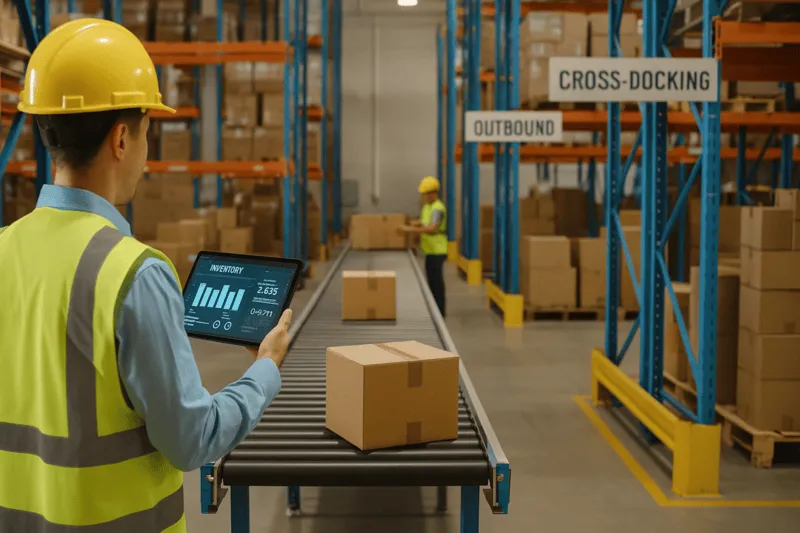
Ten years ago, a warehouse space was just a place to store goods, serving as a storage facility within the supply chain. Today, it’s the beating heart of your supply chain.
Smart warehouses now offer:
- Real-time inventory tracking
- Warehouse automation
- Cross-docking services
- Fast order fulfillment
- Seamless reverse logistics
- Efficient order processing
A well-organized shipping dock is also crucial for ensuring smooth inbound and outbound logistics.
But not every provider can deliver all of this with consistency. I’ve seen too many 3PLs overpromise and underdeliver.
Slash Your Fulfillment Costs by Up to 30%
Cut shipping expenses by 30% and boost profit with Cahoot's AI-optimized fulfillment services and modern tech —no overheads and no humans required!
I'm Interested in Saving Time and MoneyTypes of Warehouses: Finding the Right Fit
When it comes to optimizing your supply chain, not all warehouses are created equal. The right warehousing solutions depend on your business model, inventory management needs, and growth plans. Here’s a quick breakdown of the most common types of warehouses and how they can help you maximize efficiency:
- Private Warehouses: Owned and operated by a single company, these facilities offer complete control over warehouse operations, inventory management, and security. They’re ideal for businesses with high-volume, consistent storage needs and a desire for tailored solutions.
- Public Warehouses: These storage spaces are shared among multiple businesses, making them a cost-effective option for companies looking to reduce warehousing costs. Public warehouses provide flexible storage space and shared resources, which are perfect for businesses with fluctuating inventory levels or seasonal spikes.
- Bonded Warehouses: Specializing in imported goods, bonded warehouses allow you to store products before customs clearance. This can help businesses manage cash flow and compliance while keeping inventory secure until duties are paid.
- Distribution Warehouses: Focused on aggregating stock from various suppliers, distribution warehouses streamline wholesale deliveries and help businesses improve efficiency in their supply chain.
- Fulfillment Warehouses (3PLs): Third-party logistics providers offer a full suite of services, including inventory management, order fulfillment, and shipping. These solutions are designed for businesses that want to outsource warehouse operations and focus on scaling their core business.
By understanding the strengths of each warehouse type, you can select the solution that best fits your warehousing needs, reduce costs, and deliver a higher level of customer satisfaction.
What You Should Really Look For
From my seat, the top-performing fulfillment centers I’ve worked with share a few traits. Choosing a reliable fulfillment partner is crucial for optimizing your storage solutions, reducing costs, and improving overall supply chain efficiency.
- Operational excellence: Processes are clean, predictable, and built for continuous improvement.
- Technology-driven: If they’re not offering a warehouse management system with visibility, move on. Make sure their systems and automation are implemented correctly to ensure seamless operations and maximum efficiency.
- Strategic warehouse locations: Coverage matters more than you think, especially for fast delivery.
- Value-added services: Think kitting, bundling, or returns processing. Reliable delivery is also a critical component of customer satisfaction.
- Transparent pricing: Avoid black-box pricing models. They always cost more.
Looking for a New 3PL? Start with this Free RFP Template
Cut weeks off your selection process. Avoid pitfalls. Get the only 3PL RFP checklist built for ecommerce brands, absolutely free.
Get My Free 3PL RFPTechnology and Automation in Modern Warehousing
Modern warehousing is driven by technology and automation, transforming how businesses manage inventory, order fulfillment, and warehouse operations. Today’s smart warehouses leverage advanced warehouse management systems (WMS) to provide real-time inventory tracking and complete visibility across the supply chain. This means you can monitor inventory levels, storage space, and outbound orders from anywhere, at any time.
Warehouse automation, like robotic picking, automated conveyors, and AI-powered sorting, boosts operational excellence by reducing manual errors and labor costs. Proprietary systems, such as RyderShip and RyderShare, take it a step further by integrating real-time data, enabling businesses to make informed decisions and respond quickly to market changes.
Technologies like RFID, GPS, and IoT sensors offer real-time visibility into inventory movement and storage conditions, ensuring products are appropriately packed and stored. These innovations help businesses drive efficiencies, cut costs, and gain a competitive edge in a fast-moving market.
By embracing smart warehouses and advanced technology, businesses can optimize warehouse management, improve order fulfillment speed, and maintain complete control over their operations, no matter how complex their supply chain becomes.
Cold Storage, Cross Docking & Specialized Services
More and more brands I work with need cold storage, bonded warehouse options, or cross-dock facilities. But finding providers that can scale specialized services and still offer a competitive edge? That’s tough. In certain industries, there is also a need for dedicated storage of raw materials to support manufacturing and production processes.
This is why tailored solutions and shared resources matter. Especially if your brand has excess inventory or seasonal spikes, effective inventory control is crucial for maintaining accuracy and optimizing operations.
These specialized services not only improve efficiency but also play a key role in reducing costs for businesses.
Returns and Reverse Logistics: Managing the Flow Back
Returns and reverse logistics are no longer an afterthought; they’re a critical part of the modern supply chain. Efficient returns processing can make or break customer satisfaction, especially in ecommerce, where expectations for fast refunds and exchanges are high.
A leading provider of warehousing solutions will offer specialized services for reverse logistics, using advanced technology to streamline the flow of returned goods. Cross-docking services can minimize storage time by quickly sorting and redirecting returns, while distribution services ensure products are processed and restocked or disposed of efficiently.
By implementing robust reverse logistics systems, businesses can reduce warehousing costs, improve service levels, and gain valuable insights into product quality and customer preferences. This data-driven approach not only helps cut costs but also drives your business forward by identifying opportunities for continuous improvement.
Partnering with a provider that excels in returns management means you can maintain high customer satisfaction, optimize your supply chain management, and stay ahead in a competitive market.
Scale Faster with the World’s First Peer-to-Peer Fulfillment Network
Tap into a nationwide network of high-performance partner warehouses — expand capacity, cut shipping costs, and reach customers 1–2 days faster.
Explore Fulfillment NetworkHow Cahoot Approaches Warehousing
At Cahoot, we operate an extensive network of fulfillment centers with high standards across every node. We’re not just brokering space. We govern how that space operates, with standard SOPs, system integrations, and SLA accountability.
Our warehousing approach includes:
- Advanced technology for tracking and routing
- Support for cold storage and specialty goods
- Strategic locations near key metro hubs
- Reliable service, even during peak season
- Flexible storage solutions for different business needs
I collaborate daily with our operators to ensure everything runs like a system, not a collection of parts. Cahoot provides comprehensive warehouse solutions to address diverse supply chain challenges.
Wrapping It Up
Choosing a warehousing provider is less about how many square feet they have and more about whether they can support your long-term business’s success.
It’s also crucial to select a provider that prioritizes the needs and satisfaction of your customers, ensuring their experience is seamless and positive.
Ask hard questions. Demand transparency. And choose a partner that helps you scale smart, not just fast.
Frequently Asked Questions
What are warehousing services, and how do they support ecommerce businesses?
Warehousing services include inventory storage, order fulfillment, returns processing, and value-added services like kitting or labeling, all essential for ecommerce scalability.
What’s the difference between a shared warehouse and a dedicated warehouse?
A shared warehouse serves multiple businesses using shared resources, while a dedicated warehouse is reserved for one client, offering more control but at a higher cost.
What are the most important features to look for in a warehousing partner?
Key features include real-time inventory tracking, automation, cross-docking capabilities, temperature control, and flexible storage options.
How do warehousing services help reduce costs?
By streamlining inventory management, improving order accuracy, and using strategically located warehouses, businesses can cut transportation and storage costs.
Why choose Cahoot for warehousing services?
Cahoot’s nationwide network of fulfillment centers offers advanced tech, real-time tracking, and flexible storage, all optimized to meet ecommerce warehousing needs efficiently.
Written By:
Jeremy Stewart
Jeremy Stewart leads customer success at Cahoot, helping merchants achieve high-performance logistics through smart technology and process optimization. With a background in both ecommerce operations and client services, Jeremy ensures that every merchant using Cahoot gets measurable results—whether they’re scaling from one warehouse to many or managing complex returns.
Turn Returns Into New Revenue
Related Articles
Seller Fulfilled Prime Works — But Only With the Right Operating Model
Seller Fulfilled Prime is attractive for very rational reasons.
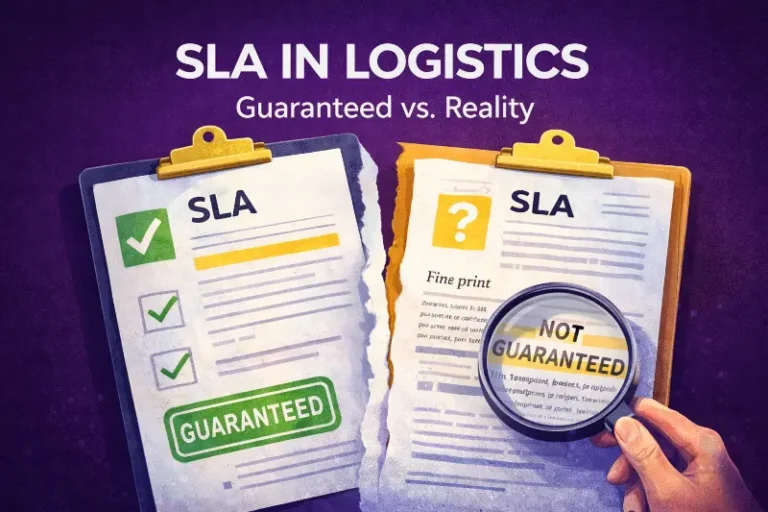
SLA Meaning in Logistics: What Service Level Agreements Actually Guarantee (and What They Don’t)
The gap between what 3PL providers promise in SLA marketing (“99.
HTS Code Explained: What It Is, Why It Matters, and How Ecommerce Brands Use It
HTS codes (Harmonized Tariff Schedule codes) are standardized numerical classifications that identify imported products for U.
FedEx Announces 2019 General Rate Increase

In this article
FedEx Express and FedEx Ground will increase shipping rates effective Jan. 7, 2019 by an average of 4.9 percent, while FedEx Freight will increase by an average of 5.9 percent.
The change will impact the following: Express package and freight standard list rates for U.S., U.S. export and U.S. import services. In addition, there will be changes to FedEx surcharges and minimums also effective on Jan. 7
Written By:
Jeremy Stewart
Jeremy Stewart leads customer success at Cahoot, helping merchants achieve high-performance logistics through smart technology and process optimization. With a background in both ecommerce operations and client services, Jeremy ensures that every merchant using Cahoot gets measurable results—whether they’re scaling from one warehouse to many or managing complex returns.
Turn Returns Into New Revenue
Related Articles
HTS Code Explained: What It Is, Why It Matters, and How Ecommerce Brands Use It
HTS codes (Harmonized Tariff Schedule codes) are standardized numerical classifications that identify imported products for U.
Shipping Labels Explained: What They Include, How They Work, and Common Mistakes
Shipping labels are the operational backbone of ecommerce fulfillment, a small piece of paper that determines whether packages reach customers successfully or trigger costly failur...
USPS Click-N-Ship Explained: How It Works, Costs, and When Sellers Should Use It
USPS Click-N-Ship is the postal service’s free online label-printing tool, and for most Shopify sellers shipping more than 50 packages monthly, it’s already time to move beyond it....
Shippers Beware: New USPS Dimensional Pricing Coming June 23
In this article
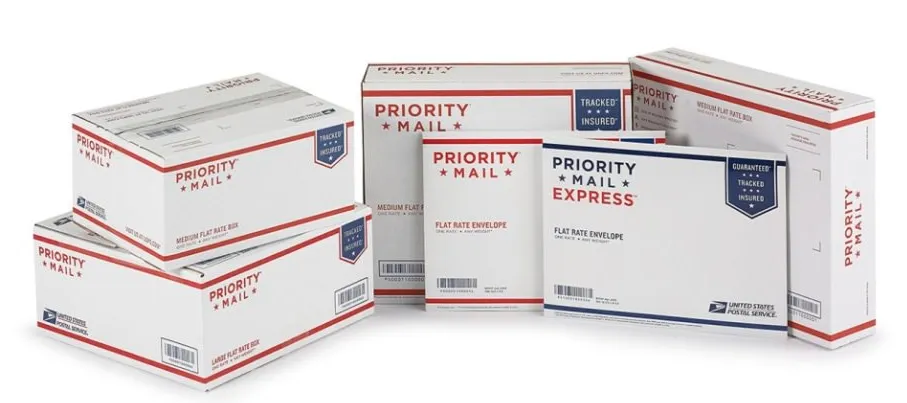
The second phase of the United States Postal Service changes kicks in on June 23, 2019. USPS is changing the way it charges for boxes shipped via Priority Mail, Priority Mail Express as well as new international weight limitations. Currently, USPS applies a dimensional divisor (DIM) of 194 for boxes that exceed one cubic foot in volume, and DIM only applies to zones 5 and above. Starting June 23, 2019, the DIM divisor will be reduced to 166 and will apply to ALL zones (local and 1-9) for Priority Mail, Priority Mail Express and Parcel Select.
The second phase of the United States Postal Service changes kicks in on June 23, 2019. USPS is changing the way it charges for boxes shipped via Priority Mail, Priority Mail Express as well as new international weight limitations. Currently, USPS applies a dimensional divisor (DIM) of 194 for boxes that exceed one cubic foot in volume, and DIM only applies to zones 5 and above. Starting June 23, 2019, the DIM divisor will be reduced to 166 and will apply to ALL zones (local and 1-9) for Priority Mail, Priority Mail Express and Parcel Select.
The first phase of USPS rate hike went into effect in January earlier this year.
Retailers doing order fulfillment must also provide dimensions when the package cubic volume measures over one cubic foot (1,728 inches) while generating labels. Shippers are also encouraged to provide dimensions for all packages and allow for configurable dim divisors to support future changes. Negotiated Service Agreements (NSAs) will be allowed to have a configurable dim divisor for each Zone at this present time.
If you are a USPS shipper, this will impact you. Let’s see this via the following example.
|
Dimensions |
Old Price |
New Price (effective June 23) |
Price Increase |
|---|---|---|---|
|
15 x 12 x 10 |
10 Pounds (194 DIM) = $26.85* |
11 Pounds (166 DIM) = $29.00* |
$2.15 (8% INCREASE) |
*Priority Mail Retail Rates to Zone 5
While the DIM change from 194 to 166 will certainly impact some postal shippers, it’s important to know that the Postal Service will continue to apply actual weight for packages that don’t exceed one cubic foot in volume. That is, if the cubic volume of a box doesn’t exceed 1728 inches, the charge will continue to be based on the actual weight (not DIM weight).
Let AI Optimize Your Shipping and Boost Profits
Cahoot.ai software selects the best shipping option for every order—saving you time and money automatically. No Human Required.
See AI in ActionThat’s not all. The Postal Service will also revise the weight limitation for First-Class Mail International (FCMI) flat pieces to 15.994 oz. to more closely align the definition of FCMI large envelopes (flats) with that of the Universal Postal Union Conventions.
For FCMI flats that are over 15.994 oz., USPS will not process those as FCMI starting June 23, instead, you will need to classify and mail those pieces under First-Class Package International Service (FCPIS).
You could alternatively elect to use another class of mail such as Priority Mail Express International or Priority Mail International, if the mail piece meets the requirements for those mail classes.
Below are few strategies for offsetting the impact of the new DIM billing:
1. Move package volume from USPS to FedEx/UPS or other parcel carriers. High-volume shippers can negotiate deeper discounts and more favorable DIM divisors. Many regional carriers offer shipper-friendly DIM divisors compared to the large national carriers. The large national carriers right now may be more open to offering special incentives to shippers as they try to offset the loss of business from Amazon.
2. Try to get commercial base pricing (CBP) or commercial plus pricing (CPP). Most Cahoot merchants qualify for special CBP and CPP pricing; please contact us if you are not enjoying these rates already. High-volume shippers can get even deeper discounts by pursuing a negotiated services agreement (NSA) with the Postal Service or through authorized postal resellers. These discounts could offset DIM increases, at least in the short-term.
3. Improve packaging. By reducing excess box dimensions and minimizing fill, shippers can reduce the impact of dimensional pricing, reduce corrugated and packing material costs, and reduce carbon emissions.
4. Optimize via Cahoot. By joining Cahoot’s innovative peer-to-peer ecommerce order fulfillment networkTM, you can convert say a zone 8 shipment to a zone 2 shipment. You save big which more than makes up for any DIM billing increase, plus the packages get delivered to your customers faster.
If you haven’t yet considered the impact of the upcoming June 23 changes, you could be looking at an 8 percent-plus increase on some or more of your USPS packages. Please contact a Cahoot Expert, if you need help or would like to learn more.
Written By:
Jeremy Stewart
Jeremy Stewart leads customer success at Cahoot, helping merchants achieve high-performance logistics through smart technology and process optimization. With a background in both ecommerce operations and client services, Jeremy ensures that every merchant using Cahoot gets measurable results—whether they’re scaling from one warehouse to many or managing complex returns.
Related Articles
HTS Code Explained: What It Is, Why It Matters, and How Ecommerce Brands Use It
HTS codes (Harmonized Tariff Schedule codes) are standardized numerical classifications that identify imported products for U.
Shipping Labels Explained: What They Include, How They Work, and Common Mistakes
Shipping labels are the operational backbone of ecommerce fulfillment, a small piece of paper that determines whether packages reach customers successfully or trigger costly failur...
USPS Click-N-Ship Explained: How It Works, Costs, and When Sellers Should Use It
USPS Click-N-Ship is the postal service’s free online label-printing tool, and for most Shopify sellers shipping more than 50 packages monthly, it’s already time to move beyond it....