
Cahoot vs Veeqo: A Value-Driven Comparison for Modern Ecommerce Sellers
In this article
 9 minutes
- At a Glance: Cahoot vs Veeqo
- Pricing Models & Carrier Rates
- Order Routing & Workflow Automation
- Multi-Channel Capabilities
- Inventory & Warehouse Management
- Support & Learning Curve
- Amazon Buy Shipping & SFP
- Data You Can Actually Use
- Built for Amazon Sellers, but Not Owned by Amazon
- Pros & Cons
- Cahoot vs. Veeqo: What Sellers Are Saying
- Final Verdict
- Frequently Asked Questions
When ecommerce sellers start scaling across marketplaces like Amazon, eBay, Walmart, and Shopify, their shipping software can either accelerate that growth or slow them down. Two platforms built to handle multi-channel shipping are Veeqo and Cahoot. Both offer discounted shipping labels and order management tools, but the similarities end there. This in-depth comparison will explore what each software delivers, what it lacks, and which one ultimately supports fast-moving ecommerce teams better.
At a Glance: Cahoot vs Veeqo
|
Feature
|
Cahoot
|
Veeqo
|
|---|---|---|
|
Multi-Channel Order Import
|
Yes
|
Yes
|
|
Discounted Carrier Rates
|
Yes
|
Yes
|
|
Rate Shopping Across Carriers
|
Yes
(Autonomous) |
Yes
(Basic) |
|
Bulk Label Printing
|
Yes
(Autonomous) |
Yes
(Traditional) |
|
Support for Own Carrier Accounts
|
Yes
|
Yes
|
|
Automation Rules & Order Routing
|
Yes
(Highly Configurable) |
Limited to Presets
|
|
Intelligent Package Selection (Cartonization)
|
Yes (AI-powered)
|
No
|
|
WMS Features
|
Yes
|
Partial
|
|
Inventory Visibility
|
Yes
(real-time) |
Yes
(limited granularity) |
|
Returns Workflow Integration
|
Optional Peer-to-Peer Returns
|
Basic RMA
|
|
Live Customer Support
|
Yes
(Help Desk, Phone) |
No phone support
|
|
Amazon Buy Shipping API Certified
|
Yes
|
Yes
|
|
Supports Amazon SFP
|
Yes
|
No
|
|
Open to 3PLs
|
Yes
|
No
|
Pricing Models & Carrier Rates
Both Cahoot and Veeqo offer access to discounted shipping rates from major carriers like UPS, FedEx, and USPS. Veeqo highlights its access to Amazon-negotiated carrier rates, especially beneficial for FBM sellers. However, it’s worth noting that Cahoot also offers deeply discounted rates through its aggregated carrier network, and unlike Veeqo, sellers aren’t required to be Amazon merchants to access them.
Users have praised Veeqo’s rates in particular, though some feel that the real-world savings depend on volume and location. One user on Trustpilot noted, “Veeqo offers good rates, but it doesn’t always beat what I negotiated directly with FedEx.” That said, having an option for both Veeqo and using your own account provides flexibility.
Cahoot lets sellers compare real-time rates across carriers, or even better: automate all the rate shipping and bulk shipping label generation based on the desired logic (cheapest, fastest, delivery promise, signature-required, etc.). This level of autonomous support (removing the human) goes a step further than Veeqo’s more manual workflows.
Order Routing & Workflow Automation
This is where the gap between the two platforms widens. Cahoot excels at automation.
Cahoot’s rule engine lets sellers automatically assign orders to specific warehouses, select packaging based on product dimensions, and pick carriers based on dynamic rules. It includes AI-powered cartonization, reducing overpackaging and optimizing label selection at scale. This feature alone can save high-volume shippers thousands per month.
Veeqo supports some automation, but according to multiple reviews, the rules engine lacks flexibility. As one user put it: “You can automate some parts of the shipping process, but complex routing logic just isn’t possible.” Another noted on G2, “Our warehouse team constantly has to manually override presets in Veeqo to get the right shipping option.”
Cahoot also offers the option to import product master data, assign SKUs to multiple warehouses, and automate routing for distributed fulfillment. These features are especially helpful for sellers managing multiple sales channels and warehouse locations.
Multi-Channel Capabilities
Both platforms support multi-channel order import from Amazon, eBay, Shopify, Walmart, Etsy, and more. Veeqo is tightly integrated with Amazon (it’s owned by Amazon), which brings advantages for FBM sellers, like access to Buy Shipping and automated order syncing.
However, some sellers note that Veeqo prioritizes Amazon workflows and that the support for non-Amazon channels lacks depth. A Trustpilot reviewer stated, “It’s clearly built with Amazon in mind. Shopify orders don’t always sync correctly, and the custom mapping is limited.”
Cahoot offers native integrations with all major ecommerce platforms, with equal priority across sales channels. That neutrality is useful for brands expanding beyond Amazon and looking to centralize operations across multiple storefronts.
It also means Cahoot isn’t limited by Amazon policy shifts or ecosystem changes. For businesses hoping to grow a multi-platform brand, that independence matters.
Inventory & Warehouse Management
Veeqo includes basic inventory tracking tools but doesn’t offer a full warehouse management system (WMS). Its UI shows available stock and syncs between platforms, and Veeqo also offers pick/pack workflows, barcode-scanner support, bin locations, and stock transfers, though its warehouse capabilities are still lighter than a full enterprise WMS.
Cahoot includes WMS features as part of the platform, with no need for third-party plugins. Sellers can assign bin locations, manage cycle counts, and generate pick lists automatically. One Cahoot user shared, “We reduced picking errors by 60% after switching from ShipStation to Cahoot because the WMS features are built in.”
For growing brands with even modest warehouse operations, this difference is key. It consolidates tech stack complexity and reduces reliance on disconnected tools.
Support & Learning Curve
Cahoot provides live onboarding, in-platform chat, and phone support. Multiple users note how responsive the support team is. One review on G2 says, “Every time I had an issue, Cahoot got back to me within minutes. I never felt like I was waiting around.”
Veeqo offers phone, email, live chat, and AI-assisted support, though priority support and account management are reserved for higher-tier plans; third-party reviews still report mixed support experiences. Several users on Trustpilot and Reddit cite frustrating Veeqo support delays. One review read, “You submit a ticket and wait… sometimes for days. It’s not great when your entire shipping flow is paused.”
Veeqo also has a steeper learning curve for non-Amazon users. The dashboard is robust but not intuitive for sellers focused on Shopify or direct-to-consumer models.
Amazon Buy Shipping & SFP
Both platforms are certified for Amazon Buy Shipping, meaning they help sellers remain compliant with Amazon’s policies and tracking requirements. However, only Cahoot supports Seller Fulfilled Prime (SFP) as a core operational capability.
For Amazon SFP sellers, this is a major differentiator. Cahoot’s compliance engine ensures same-day label printing, cut-off time enforcement, and late-delivery prevention. Veeqo can be used for SFP-related OTDR-protected label workflows for sellers who ensure their Amazon settings and shipping workflow meet the current program requirements.
Data You Can Actually Use
With Veeqo, many sellers are flying blind. Sales data is fragmented. Shipping costs aren’t always transparent. And pulling that data often means wrangling spreadsheets with missing headers or running into failed exports.
Cahoot makes it easy to analyze profits, understand shipping costs, and track eligible shipments in one dashboard. You get full access to real performance data without needing to bounce between platforms.
Built for Amazon Sellers, but Not Owned by Amazon
Veeqo is owned by Amazon. That means anything you do on the Amazon platform is potentially visible. For Amazon sellers trying to protect their strategy or operate across other channels, that’s a problem.
Cahoot is fully compatible with Amazon FBM, FBA, and Buy Shipping, but stays independent. You get the lowest rates available, without locking yourself in deeper with Amazon or giving up your leverage.
Pros & Cons
Cahoot vs. Veeqo: What Sellers Are Saying
“Using Veeqo costed us so much time. Exports kept failing, inventory didn’t match, and the UI was just confusing. Cahoot gave us back control.”
~ Multichannel seller, apparel industry
Speak to a fulfillment expert
“The only reason I stuck with Veeqo was because it was free. But once our shipping volume increased, we needed more, and Cahoot delivered.”
~ Electronics brand owner
Speak to a fulfillment expert
Final Verdict
Veeqo is a solid, free tool for Amazon-first sellers who want to print shipping labels and access decent rates with minimal setup. But it lacks depth in automation, support, and warehouse operations.
Cahoot, by contrast, is built for scale. It’s ideal for ecommerce brands that are serious about operational efficiency and growth. From smart automation to robust warehouse tools and superior customer support, Cahoot is the better long-term investment for sellers looking to streamline operations across multiple platforms.
If you’re running a high-volume ecommerce business that ships across multiple sales channels, handles inventory in multiple locations, or simply wants to reduce costs and errors at scale, Cahoot is the clear winner.
Don’t settle for free if it slows your business down.
Choose smarter. Explore how Cahoot can simplify your shipping and scale with your brand.
Frequently Asked Questions
Is Veeqo really free, and what’s the catch?
Veeqo’s Shipping plan is free, but advanced features such as automated inventory management, digital picking, ERP integrations, and priority support now sit in paid tiers; reporting remains available in the Shipping plan. You may still need your own carrier accounts, and support can be slow.
How does Cahoot’s shipping software help reduce shipping costs?
Cahoot gives sellers access to discounted rates across major carriers like UPS, FedEx, and USPS, with no Veeqo credits or software bugs required. Plus, bulk shipping tools and data-driven insights help optimize your entire shipping process.
Can I use Cahoot if I sell on Amazon and other ecommerce channels?
Absolutely. Cahoot supports multiple sales channels, including Amazon, Walmart, eBay, and Shopify, while keeping inventory levels synced across all platforms. Unlike Veeqo’s integration, Cahoot’s system is fast, clean, and flexible.
What makes Cahoot better for inventory management than Veeqo?
Cahoot simplifies multi-channel inventory with real-time stock tracking, automated syncing, and alerts to prevent overselling. Veeqo users often struggle with managing inventory across platforms due to sync lags and poor data visibility.
Why do sellers leave Veeqo for Cahoot?
Many sellers switch when they realize Veeqo’s free model comes with trade-offs: limited support, Amazon ownership, clunky UI, and frustrating data export issues. Cahoot offers a full-featured, seller-first solution that saves time and drives smarter decisions.
Written By:

Indy Pereira
Indy Pereira helps ecommerce brands optimize their shipping and fulfillment with Cahoot’s technology. With a background in both sales and people operations, she bridges customer needs with strategic solutions that drive growth. Indy works closely with merchants every day and brings real-world insight into what makes logistics efficient and scalable.

Turn Returns Into New Revenue
Related Articles

UCP Isn’t About Checkout. It’s About Who Gets to Understand Demand
Merchants are about to transact through AI agents without learning how the decision happened.
Cahoot vs ShipStation: Exploring ShipStation Alternatives
The Hidden Cost of Holding On to ShipStation If you’re using ShipStation in 2025, you’re not shipping smarter — you’re bleeding margin.
The End of Traditional Ecommerce Returns
PART I — THE PROBLEM Why Returns Didn’t Just Break — They Were Never Built for This Returns are ecommerce’s dirty secret: a billion-dollar bonfire that most brands prefer not to lo...
Peer-to-Peer Returns Platform: How It Benefits Emerging DTC Brands
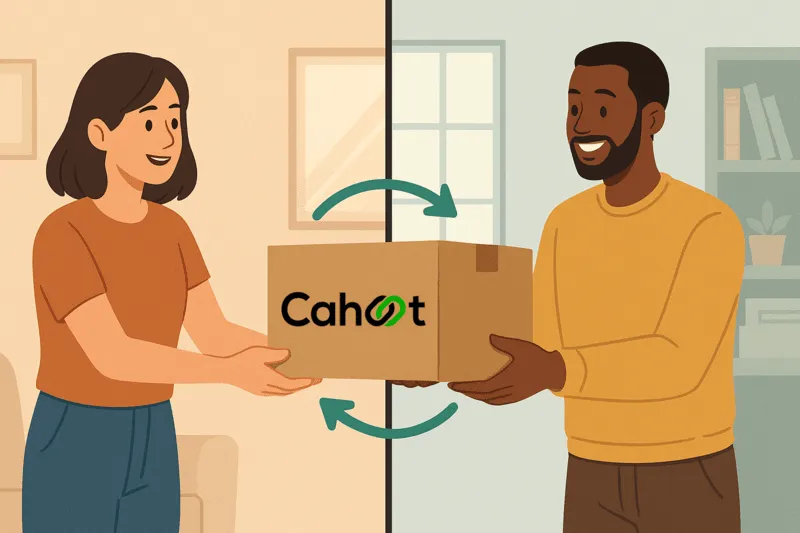
Returns are the terrible, horrible, no good, very bad part of running an ecommerce business. Not just for shoppers (waiting around for a refund) but for emerging ecommerce brands, especially DTC operations. Every return cuts into profit, eats up time, and piles up inventory no one wants to touch. But here’s the twist: what if returns didn’t go back to the warehouse at all? What if they went directly to a new buyer instead? That’s the magic behind the peer-to-peer returns platform. This model introduces key advantages for DTC brands, such as reducing costs, minimizing waste, and improving customer satisfaction.
Cahoot, known for shaking up ecommerce logistics, is leading the charge with this innovative approach in the peer-to-peer returns space. And no, it’s not a borrowing scheme like peer-to-peer lending or a financial product like personal loans. But it does borrow some DNA from those systems, distributed networks, smart matching, and skipping the middleman. Online platforms in the peer-to-peer space facilitate these direct connections, much like how they connect borrowers and lenders in financial contexts, streamlining the process for all parties involved. Think of it as the social lending of ecommerce returns, where the system connects returners directly with new buyers, just as peer-to-peer platforms connect borrowers directly with lenders.
The Real Pain of Traditional Returns
Traditional returns work like this: a customer changes their mind, prints a label, ships the item back to you, and then you have to receive, inspect, restock, maybe repackage, and eventually resell it, often at a steep discount. That burden remains material in 2025: NRF estimates total retail returns will reach $849.9 billion this year, and 19.3% of online sales will be returned. Add in return shipping costs, warehouse labor, customer service tickets, and even potential late fees for delayed processing, and it’s a recipe for negative ROI.
For a small ecommerce business or a founder running lean, this isn’t sustainable. Shipping every return back to your warehouse is like using a bank account with constant fees and zero interest. It drains your cash flow. You could compare it to funding loans with higher risk and low return, much like the challenges faced with traditional loans when penalties and late fees add up. Frankly, it’s a bad deal.
Enter Peer-to-Peer Returns
Instead of sending the returned item to your fulfillment center, Cahoot’s peer-to-peer returns platform lets the original customer ship it directly to a new buyer. Here’s how it plays out:
1. A customer initiates a return.
2. The platform asks them to upload photos, confirm the condition, and hold the item for a few days.
3. AI kicks in, verifying the item’s resale quality, analyzing the returner’s history, and scanning for fraud (risk management). The platform’s technology enables streamlined processes, making the entire experience faster and more user-friendly.
4. Meanwhile, the item is automatically relisted on your store as open-box in real-time, discounted slightly, but still your branded product. The relisting and resale process is transparent and clear, much like how peer-to-peer lending platforms provide comparable loan terms, so both buyers and sellers know exactly what to expect.
5. When a new customer buys it, the returner gets a label to ship it out directly.
6. They’re refunded once tracking confirms it’s on the way or received. In terms of risk management, the risk of a single failed return transaction can be compared to a single default event in lending, highlighting the importance of robust verification and diversification strategies.
Now, instead of a refund eating your margins, you’re reselling the item at 85–95% of retail, skipping warehouse handling and double shipping. It’s fast. It’s efficient. And yes, it saves money.
Why This Works (Especially for Small Businesses)
This isn’t just a fun gimmick. Cahoot’s peer model addresses real ecommerce challenges:
- Shipping Costs: You skip the return leg to the warehouse.
- Inventory Management: The item never clogs up your system.
- Speed: New customers get the item faster. Returners get refunded sooner.
- Customer Satisfaction: Everyone feels good helping the planet and their wallet.
For small businesses, this model is similar to how small business loans and business loans provide alternative financing options to cover major expenses, supporting growth and development when traditional funding is limited.
It’s like a micro version of peer lending. Instead of funding loans with capital, you’re moving product through customer participation. Instead of worrying about borrower defaults, you’re focused on buyer satisfaction and ensuring compliance through verified transactions. The platform also helps brands achieve their financial goals by offering accessible and flexible solutions. Other benefits of the peer-to-peer returns model include improved business insights, better payment terms, and fostering a supportive community for both buyers and sellers.
The Financial Angle
Okay, let’s talk money. The traditional return process? It’s basically like investing in traditional savings accounts, low return, high friction. With peer-to-peer returns, you’re now in the world of alternative investments. You’re getting more value, faster turnover, and lower risk.
Just as peer-to-peer (P2P lending) platforms allow individual and institutional investors to invest in loans, with returns shaped by interest rates and regular interest payments, our model lets you realize value more efficiently. On lending platforms and lending sites, loan offers are determined by factors like minimum credit score, good credit, and the borrower’s profile, much like how our platform assesses transaction eligibility and risk.
Your effective recovery rate improves. That espresso machine that used to cost you $50 to restock and repackage? Now it’s resold in 72 hours at 90% retail with no warehouse touch. That’s the kind of turnaround most lending sites or lending platforms would kill for.
Built-In Risk Management
Cahoot doesn’t wing it. Our P2P returns platform is built with risk tolerance settings, fraud detection layers, and condition verification, all using AI. That focus matters because NRF reports 9% of all returns are fraudulent, and Appriss Retail estimates fraudulent returns and claims cost retailers $103 billion in 2024. That means you’re not just trusting your customers blindly. These tools empower brands to make informed decisions about approving returns and managing risk.
It’s like when institutional investors assess borrower defaults, they don’t rely on vibes. They crunch data, assess credit risk, and build safeguards. Cahoot’s doing the same for your returns: historical data, photo analysis, shipping trends, and user history all factor into who gets approved for peer-to-peer returns.
Customer Experience
Customers like this model. It’s interactive. It feels more personal. They get to feel like part of a sustainability loop. It’s like when borrowers connect with individual lenders on lending platforms, there’s emotional value. A product gets rehomed instead of returned to some faceless warehouse.
Returners are rewarded with small credits or perks for participating. Buyers get a deal. You recover more revenue. And the planet breathes a little easier. That’s what we call attractive returns.
Wrapping It Up
Peer-to-peer returns aren’t just a clever workaround; they’re a full-on rethinking of ecommerce reverse logistics. For small business owners, they offer a practical way to save money, improve customer satisfaction, and align with sustainability goals. For larger brands, they unlock serious cost savings and scalability.
So, whether you’re selling sneakers, smart home gear, or skincare, if returns are eating your margins, it might be time to make a move.
Because unlike traditional financial institutions, this isn’t built on bureaucracy. It’s built on agility, innovation, and a willingness to rethink the rules. Sound familiar?
That’s ecommerce done smarter.
Frequently Asked Questions
What is a peer-to-peer returns platform, and how does it work?
A peer-to-peer returns platform connects the original buyer of a product with a new customer who wants to purchase it, avoiding the need to ship the item back to the brand’s warehouse. Instead of returning it to a traditional logistics hub, the returner ships the item directly to the next buyer. This innovative approach reduces return costs, speeds up resale, and supports sustainability goals for small businesses.
How is a peer-to-peer returns model different from traditional returns?
Traditional returns involve sending the product back to a brand or warehouse, where it’s inspected, restocked, and resold. A peer-to-peer system skips that step. The original buyer holds the item temporarily while the platform finds a new buyer. Once sold, the item ships directly to the new customer, eliminating an entire shipping leg and creating a more efficient, cost-saving process similar to how peer-to-peer lending eliminates middlemen in finance.
Are peer-to-peer returns safe for ecommerce businesses and customers?
Yes. Platforms like Cahoot use advanced fraud detection, data analytics, and AI verification to ensure the returned item matches quality standards before resale. Buyers can review photos, condition grades, and return policies. Just like in peer lending, where borrower defaults are managed through credit checks and risk scoring, P2P returns include safeguards to protect both original and new customers.
What types of ecommerce brands benefit most from peer-to-peer returns?
Virtually any ecommerce brand can benefit from peer-to-peer returns, but product eligibility should be set carefully. Perishable items, hazardous materials, and products with contamination, safety, or chain-of-custody concerns may require additional restrictions, specialized packaging, or exclusion based on carrier and regulatory requirements. From emerging DTC brands and small businesses to large enterprises, companies offering fast-moving consumer goods see the biggest gains. Peer-to-peer returns help reduce operating costs, improve cash flow, and increase customer satisfaction, especially for businesses without access to traditional loans, large warehouses, or institutional investor backing.
How can I start using a peer-to-peer returns platform?
To get started, ecommerce sellers can partner with a platform like Cahoot that offers peer-to-peer returns as part of its fulfillment solution. The platform handles the tech, including photo-based grading, shipping logistics, and fraud prevention. It’s as simple as integrating the system, setting product eligibility rules, and letting the platform connect returns with new buyers, streamlining processes, and unlocking attractive returns on previously lost sales.
Written By:
Indy Pereira
Indy Pereira helps ecommerce brands optimize their shipping and fulfillment with Cahoot’s technology. With a background in both sales and people operations, she bridges customer needs with strategic solutions that drive growth. Indy works closely with merchants every day and brings real-world insight into what makes logistics efficient and scalable.
Turn Returns Into New Revenue
Related Articles
UCP Isn’t About Checkout. It’s About Who Gets to Understand Demand
Merchants are about to transact through AI agents without learning how the decision happened.
The End of Traditional Ecommerce Returns
PART I — THE PROBLEM Why Returns Didn’t Just Break — They Were Never Built for This Returns are ecommerce’s dirty secret: a billion-dollar bonfire that most brands prefer not to lo...

AI Search Optimization: How AEO and GEO Are Reshaping Ecommerce SEO
If your SEO strategy still revolves around exact-match keywords, you’re already behind.
How AI-Powered Returns Management Fights Ecommerce Fraud in 2026

In this article
9 minutes
- The Real Cost of Returns Fraud
- What Changed in 2026: AI Is Industrializing Fraud
- How AI Detects Fraud Across the Returns Process
- Where Cahoot Fits: Verify Earlier and Route Intelligently
- Six Actions Merchants Should Take Now
- How AI Can Preserve Customer Trust
- Final Thoughts: The Returns Fraud Fight Is Now an AI Arms Race
- Frequently Asked Questions
AI is changing ecommerce returns fraud in two directions at once. Merchants are using machine learning to identify suspicious behavior, but fraudsters are using generative AI to create convincing receipts, product photos, identities, and scripts at far greater speed and scale.
That arms race is already visible in the data. Signifyd’s 2026 State of Fraud Report found that ecommerce fraud pressure in North America increased 33% year over year during the first four months of 2026. Account takeover attempts rose 78%, card-testing attacks surged 175%, and “item not as described” claims increased 49%.
The lesson for merchants is not simply to add another fraud rule at checkout. Fraud now moves across the customer lifecycle—from account access and payment through fulfillment, delivery claims, returns, and refunds. Effective fraud prevention has to connect those stages while keeping the return experience fast for legitimate customers.
The Real Cost of Returns Fraud
Returns are already a major expense before fraud enters the picture. The NRF 2025 Retail Returns Landscape projected that 19.3% of online sales would be returned and found that 9% of all returns were fraudulent. At the same time, 82% of consumers said free returns were an important consideration when deciding where to shop.
That leaves retailers with a difficult balancing act: absorb losses from abuse or add friction that may drive away good customers. Common schemes include:
- Wardrobing: Using an item and returning it as new.
- Switch fraud: Keeping the authentic or higher-value item and returning a counterfeit, older, or cheaper substitute.
- Empty-box fraud: Sending back an empty package or low-value filler while claiming the correct item was returned.
- False condition claims: Claiming an item arrived damaged, defective, or not as described to obtain a refund or concession.
- False delivery claims: Reporting that a delivered order never arrived.
- Quantity fraud: Returning fewer units than the customer claims to have sent.
Not every expensive returns behavior is fraud. Bracketing—ordering multiple sizes or colors with the intention of keeping one—is generally a shopping behavior, not a fraudulent return. The distinction matters because an overly aggressive system can mistake a valuable customer for a bad actor.
What Changed in 2026: AI Is Industrializing Fraud
Older fraud programs often treated payment fraud, account takeover, fulfillment abuse, and return fraud as separate problems. Signifyd’s latest data shows why that model is breaking down.
- Fraud pressure increased 33%: Signifyd recorded a 33% year-over-year rise in North American fraud pressure from January through April 2026.
- Account takeover rose 78%: Automated credential attacks make it easier to enter established customer accounts that already appear trustworthy.
- Card testing surged 175%: Automation lets criminals test stolen payment credentials at high speed before using the valid cards for larger purchases.
- BOPIS fraud increased 65%: Buy online, pick up in-store programs can be exploited to collect merchandise quickly or convert fraudulent purchases into store credit through returns.
- First-party fraud and consumer abuse increased 9%: Abuse by legitimate cardholders is growing alongside organized criminal activity.
- “Item not as described” claims rose 49%: Generative AI can produce realistic-looking images of damaged or defective merchandise, lowering the effort required to make a false post-purchase claim.
What the 33% figure does—and does not—mean: It is a year-over-year increase in fraud pressure, not a claim that 33% of ecommerce orders are fraudulent. Signifyd defines its Fraud Pressure Index around the share of orders judged very high risk and presumably fraudulent across its commerce network. The report analyzed transaction data from thousands of merchants and 950 million-plus unique digital wallets.
The most important development for returns teams is that customer-submitted evidence can no longer be trusted in isolation. A photo is still useful, but a realistic image is no longer proof that the pictured damage happened to the purchased item—or that the image is authentic at all.
How AI Detects Fraud Across the Returns Process
AI-powered returns management combines order data, return behavior, customer history, fulfillment events, delivery tracking, and submitted evidence to estimate risk. No single signal should decide the outcome. The advantage comes from comparing multiple signals in context.
1. Treat Photo Evidence as a Signal, Not Proof
Image analysis can help compare a submitted product with catalog images, identify visible wear or missing components, and detect inconsistencies with the stated return reason. But the rise of AI-generated damage photos means merchants also need to evaluate how the evidence was captured and how it fits the rest of the transaction.
Stronger workflows can require photos for each physical unit, request specific angles or packaging details, compare repeated submissions, and escalate ambiguous cases. For high-value or serialized products, image evidence may need to be paired with serial-number, barcode, or warehouse inspection data.
2. Connect Account, Order, and Return Behavior
An apparently valid return can look very different when viewed alongside the customer’s broader activity. Useful signals include sudden address or password changes, unusual device behavior, use of stored payment methods after an account change, repeated high-value returns, multiple “not received” claims, and abrupt changes from the customer’s normal purchase pattern.
This matters because an account takeover may begin before checkout but surface later as a delivery dispute, return request, or chargeback. Teams that examine each event separately can miss the connection.
3. Find Patterns Across Customers and Channels
Machine learning can identify repeated addresses, devices, payment instruments, tracking behavior, return reasons, and claim language across many transactions. It can also detect patterns too subtle for fixed rules, such as groups of accounts making similar claims against the same products or routing refunds through the same destinations.
For omnichannel merchants, online orders, store pickup, store credit, mail returns, and warehouse receipts should feed the same risk view. Signifyd’s finding that BOPIS fraud rose 65% shows why post-purchase and store operations cannot remain isolated from ecommerce fraud controls.
4. Analyze Return Reasons and Claim Language
Natural language processing can surface repeated vague explanations, highly similar descriptions across accounts, or claims that conflict with order and tracking data. Language alone should not trigger an automatic denial, but it can help determine when the merchant should request more evidence or conduct a manual review.
5. Use Risk-Based Outcomes Instead of One Policy for Everyone
A useful risk score does more than label a return “good” or “bad.” It helps choose the appropriate next step. A low-risk customer may receive a fast, convenient experience, while an unusual or high-value request may require additional photos, a warehouse inspection, or a delayed refund. The decision should be explainable and subject to review.
Where Cahoot Fits: Verify Earlier and Route Intelligently
Cahoot’s Peer-to-Peer Returns platform moves condition verification earlier in the return journey. Instead of treating every return as an identical box that must travel back to a warehouse, the workflow can collect item-level photos and condition information before determining the next step.
Eligible, like-new merchandise can be offered to another shopper and shipped directly from the returner to the new buyer, while items that do not qualify can follow the merchant’s standard warehouse-return process. That makes accurate eligibility and condition decisions essential: the platform must protect the next customer as well as the merchant.
AI-assisted analysis can help organize and compare submitted evidence, transaction history, and shipping data, while merchant-defined rules and human review provide control over uncertain or high-risk cases. The goal is not to assume that every claim is fraudulent. It is to apply more scrutiny where the combined evidence warrants it and less friction where it does not.
This is especially important in 2026. Because generative AI can fabricate convincing damage evidence, photo collection by itself is no longer enough. It has to be part of a layered decision that considers the specific unit, order history, account behavior, fulfillment records, and the consequences of getting the decision wrong.
Six Actions Merchants Should Take Now
- Join pre-purchase and post-purchase risk data. Account, payment, fulfillment, delivery, return, refund, and chargeback events should contribute to one customer and order history.
- Strengthen evidence capture. Ask for item-specific photos and condition details, but do not treat a single uploaded image as conclusive evidence.
- Protect customer accounts. Monitor unusual login, credential, device, address, and stored-payment activity before it becomes a fraudulent order or return.
- Review refund triggers. Decide when a carrier scan is sufficient and when a high-risk or high-value item requires verification before the refund is released.
- Close omnichannel loopholes. Examine how BOPIS, mail returns, store credit, instant refunds, and in-store returns can be combined in the same abuse pattern.
- Measure false positives. Track approvals, denials, manual reviews, reversals, customer complaints, and repeat-purchase behavior so fraud controls do not punish profitable customers.
How AI Can Preserve Customer Trust
Blanket restrictions are easy to administer, but they make every customer pay for the behavior of a small minority. Risk-based returns management can preserve convenience by fast-tracking routine requests, limiting added verification to cases that warrant it, and escalating uncertain decisions rather than automatically rejecting them.
That balance matters commercially. NRF found that 71% of consumers are less likely to shop with a retailer again after a poor returns experience. Fraud prevention and customer experience therefore cannot be managed as opposing goals. The best system reduces loss while making legitimate returns feel predictable and fair.
Final Thoughts: The Returns Fraud Fight Is Now an AI Arms Race
The 2026 data changes the conversation. AI is not only helping merchants detect fraud; it is also helping attackers manufacture evidence, automate credential abuse, and connect schemes across checkout, fulfillment, and returns.
Merchants will not solve that problem with a stricter return policy or a photo-upload field alone. They need layered evidence, connected data, risk-based workflows, and a clear path for human review. Applied carefully, AI-powered returns management can protect margin without turning every good customer into a suspect.
Frequently Asked Questions
How much did ecommerce fraud increase in 2026?
Signifyd reported that fraud pressure in North America increased 33% year over year from January through April 2026. That does not mean 33% of orders were fraudulent; it means the share of orders assessed as very high risk increased relative to the same period in 2025.
How is generative AI being used in return fraud?
Generative AI can create realistic receipts, product images, and written explanations that support false damage, defect, or delivery claims. Signifyd reported that “item not as described” claims in North America rose 49% year over year during the first four months of 2026.
Are customer-submitted photos still useful for return verification?
Yes, but a photo should be treated as one signal rather than definitive proof. Merchants can strengthen the process by requiring item-specific views, comparing the evidence with order and customer history, checking for repeated submissions, and escalating high-risk cases for inspection or manual review.
What is the difference between return fraud and return abuse?
Return fraud generally involves intentional deception, such as sending back a counterfeit item or making a false damage claim. Return abuse is a broader category of behavior that exploits a merchant’s policy, sometimes by a legitimate cardholder. Bracketing, however, is not automatically fraud; it is often a normal consequence of shopping for size or fit online.
How can AI reduce fraud without hurting good customers?
AI can combine multiple risk signals to apply extra verification selectively instead of imposing the same restrictions on everyone. Low-risk returns can move quickly, while unusual or high-value cases receive additional review. Merchants should also monitor false positives and provide a way to correct mistaken decisions.
Written By:
Indy Pereira
Indy Pereira helps ecommerce brands optimize their shipping and fulfillment with Cahoot’s technology. With a background in both sales and people operations, she bridges customer needs with strategic solutions that drive growth. Indy works closely with merchants every day and brings real-world insight into what makes logistics efficient and scalable.
Turn Returns Into New Revenue
Related Articles
UCP Isn’t About Checkout. It’s About Who Gets to Understand Demand
Merchants are about to transact through AI agents without learning how the decision happened.
Cahoot vs ShipStation: Exploring ShipStation Alternatives
The Hidden Cost of Holding On to ShipStation If you’re using ShipStation in 2025, you’re not shipping smarter — you’re bleeding margin.
The End of Traditional Ecommerce Returns
PART I — THE PROBLEM Why Returns Didn’t Just Break — They Were Never Built for This Returns are ecommerce’s dirty secret: a billion-dollar bonfire that most brands prefer not to lo...
How to Reduce UPS and FedEx Surcharges in 2026
In this article
15 minutes
- What Changed for UPS and FedEx Surcharges in 2026?
- UPS vs. FedEx 2026 Surcharge Comparison
- The 2026 Cubic-Volume Trap
- How 2026 Demand Surcharges Can Stack
- 1. Find the Surcharges That Actually Drive Your Spend
- 2. Engineer Cartons Around the Thresholds
- 3. Use Distributed Fulfillment to Reduce Zones
- 4. Rate-Shop the All-In Cost
- 5. Negotiate the Surcharges, Not Just the Base Rate
- 6. Audit Invoices and Dispute Errors Promptly
- 7. Monitor Fuel and Demand Charges Weekly
- Avoidable UPS Administrative Fees in 2026
- 2026 Peak-Season Checklist
- Final Thoughts
- Frequently Asked Questions
UPS and FedEx surcharges are no longer edge-case fees that affect only unusually long or heavy shipments. In 2026, both carriers can apply Additional Handling based on cubic volume alone, and packages can qualify for a Large Package or Oversize charge based on volume or actual weight even when their length and girth remain below the traditional limits.
That makes packaging data, carton selection, fulfillment location, and invoice auditing just as important as the base transportation rate. This guide explains the most important 2026 UPS and FedEx surcharge thresholds, shows where the two carriers differ, and lays out practical ways ecommerce brands can reduce the total landed cost of every shipment.
Quick answer: The biggest 2026 surcharge risk is cubic volume. Both UPS and FedEx can apply Additional Handling above 10,368 cubic inches and a Large Package or Oversize charge above 17,280 cubic inches or 110 pounds. Because the carriers’ triggers and list fees are increasingly similar, the best savings usually come from carton engineering, distributed inventory, all-in rate shopping, surcharge-specific contract negotiations, and invoice auditing—not simply switching from one national carrier to the other.
What Changed for UPS and FedEx Surcharges in 2026?
The headline change is that a package can trigger a major surcharge even when it does not look especially long. Under the published 2026 rules, UPS and FedEx both use cubic-volume thresholds for Additional Handling and Large Package or Oversize charges. The carriers also continue to apply zone-based fees, residential and delivery-area surcharges, weekly fuel surcharges, and demand surcharges during high-volume periods.
- Additional Handling: triggered above 10,368 cubic inches, above 50 pounds for domestic shipments, or by specified dimension and packaging conditions.
- Large Package or Oversize: triggered above 17,280 cubic inches, above 110 pounds, above 96 inches on the longest side, or above 130 inches in length plus girth.
- Demand surcharges: can stack on top of Additional Handling, Large Package or Oversize, residential, transportation, and fuel charges during peak periods.
- Fuel surcharges: change weekly and can apply to transportation charges and many accessorial fees.
Always confirm current rules in the official UPS 2026 Daily Rate guide and FedEx 2026 Service Guide. Published list charges are shown below; negotiated account pricing and service-specific rules may differ.
UPS vs. FedEx 2026 Surcharge Comparison
| Surcharge | UPS 2026 published charge | FedEx 2026 published charge |
|---|---|---|
| Additional Handling—dimension | $30.00 / $33.25 / $38.50 / $40.50 | $29.50 / $32.75 / $38.50 / $40.75 |
| Additional Handling—weight | $46.50 / $50.75 / $56.25 / $58.75 | $46.00 / $50.25 / $56.25 / $58.75 |
| Additional Handling—packaging | $26.75 / $31.00 / $33.25 / $33.75 | $26.50 / $30.75 / $33.00 / $33.75 |
| Large Package or Oversize | Commercial: $219.50 / $239.50 / $273.00 / $286.00 Residential: $254.50 / $274.50 / $320.50 / $331.00 | $255.00 / $275.00 / $320.00 / $330.00 |
| Ground residential | $6.50 | $6.45 |
| Delivery area—commercial | $4.50 | $4.45 |
| Delivery area—residential | $6.55 | $6.60 |
| Extended delivery area—commercial | $5.70 | $5.55 |
| Extended delivery area—residential | $8.85 | $8.80 |
| Remote area | Consult applicable UPS tables | $16.75 |
The comparison shows why carrier switching alone is rarely a complete strategy. For many common surcharge categories, the published UPS and FedEx amounts differ by only a few cents or dollars. The more meaningful opportunity is to eliminate the trigger, reduce the shipping zone, or negotiate the specific accessorial charges that appear most often in your parcel profile.
The 2026 Cubic-Volume Trap
Historically, many shipping teams watched only weight, longest side, and length plus girth. In 2026, that is not enough. Calculate cubic volume by multiplying the package’s outside length, width, and height:
Cubic volume = length × width × height
Consider a 35 × 18 × 17-inch carton. Its length plus girth is exactly 105 inches, so it does not exceed that Additional Handling threshold. But its cubic volume is 10,710 cubic inches, which is above 10,368. The package can therefore receive Additional Handling based on volume alone.
The same problem appears at the larger threshold. A 44 × 22 × 18-inch carton has a length plus girth of 124 inches, below 130, but a cubic volume of 17,424 cubic inches. That exceeds the 17,280-cubic-inch threshold and can trigger a UPS Large Package or FedEx Oversize charge.
Measure the finished package at its widest points, including bulges, handles, and irregular edges. Carriers may use automated dimensioning equipment and assess a billing adjustment when the submitted dimensions do not match the measured package.
How 2026 Demand Surcharges Can Stack
Demand surcharges are particularly expensive because they are added to the underlying accessorial charge rather than replacing it. At the highest published 2026 levels, UPS lists demand surcharges of up to $11.90 for Additional Handling, $117.50 for Large Package, $590.00 for Over Maximum Limits, and $0.75 for qualifying Ground Residential shipments. FedEx lists up to $11.85 for Additional Handling, $117.25 for Oversize, $595.00 for Unauthorized Package, and $0.80 for qualifying Ground Residential shipments.
For example, a FedEx Zone 7+ Oversize shipment during the highest published 2026 demand period can incur $330.00 for Oversize plus $117.25 in demand surcharge—a combined $447.25 before the transportation charge, fuel surcharge, residential or delivery-area fees, and any other adjustments.
The highest published UPS demand window runs from November 22 through December 26, 2026. FedEx’s highest window runs from November 23 through December 27, 2026. Review the current UPS Demand Surcharge table and FedEx Demand Surcharge page before peak, because dates, affected services, volume calculations, and account-specific charges can change.
1. Find the Surcharges That Actually Drive Your Spend
Start with parcel-level invoice data, not averages. Group at least 13 weeks of shipments by carrier, service, zone, destination ZIP code, billed weight, dimensions, SKU, carton, and surcharge code. Then calculate both total dollars and incidence rate for each fee.
- Which cartons repeatedly cross 10,368 or 17,280 cubic inches?
- Which SKUs generate Additional Handling because of weight, dimensions, or packaging?
- Which ZIP codes generate delivery-area, extended-area, or remote-area charges?
- Which fees are legitimate, and which appear to be measurement, address, or service errors?
This baseline turns a vague goal to “reduce shipping costs” into specific projects with measurable savings. For a broader cost model, see Cahoot’s guide to understanding shipping costs.
2. Engineer Cartons Around the Thresholds
Redesign the highest-cost cartons first. Removing one inch from a single dimension can move a frequently shipped package below a surcharge threshold and produce a much larger return than a small discount on the base rate.
- Build carton rules that check actual weight, longest side, second-longest side, length plus girth, and cubic volume before label creation.
- Use right-sized cartons and reduce void fill without weakening product protection.
- Test whether splitting a shipment is cheaper than paying one Large Package or Oversize charge, including the second transportation charge and fulfillment labor.
- Capture the packed dimensions—not just the carton manufacturer’s nominal dimensions.
Cartonization software and thoughtful packaging design can select the least-cost carton while accounting for both dimensional weight and surcharge thresholds.
3. Use Distributed Fulfillment to Reduce Zones
Shipping every order from one warehouse forces many packages into distant, expensive zones. Placing inventory closer to customers can reduce the base transportation charge, lower zone-based Additional Handling and Large Package fees, improve delivery speed, and decrease fuel surcharge exposure.
Use order history to model where a second or third fulfillment location would reduce total cost after inventory carrying expense and inbound freight. A distributed order fulfillment network is especially valuable for bulky products because the zone difference on accessorial charges can be substantial.
4. Rate-Shop the All-In Cost
Do not compare carriers using the transportation rate alone. The routing decision should include fuel, residential, delivery-area, Additional Handling, Large Package or Oversize, demand, signature, and other applicable charges. The cheapest base label can become the most expensive shipment after accessorials.
Regional carriers and postal services may be competitive for the right lanes and package profiles, but their coverage, service commitments, and fee structures require the same scrutiny. USPS is not completely insulated from price changes: a temporary 8% increase applies to Priority Mail Express, Priority Mail, USPS Ground Advantage, and Parcel Select from April 26, 2026, through January 17, 2027, according to the USPS announcement.
Multi-carrier shipping software can apply the correct rules automatically, but only if package dimensions and surcharge tables are current.
5. Negotiate the Surcharges, Not Just the Base Rate
A strong transportation discount can be wiped out by weak accessorial terms. Before a carrier negotiation, quantify your top surcharge categories, show the carrier how much volume is movable, and request concessions that match your actual shipping profile.
- Discounts or caps on Additional Handling, Large Package or Oversize, residential, and delivery-area charges
- Protection from or reductions to demand surcharges
- A favorable dimensional-weight divisor
- Minimum-charge relief and fuel-surcharge discounts
- Clear terms for measurement disputes and billing adjustments
Model the proposal against your own parcel history. A larger headline discount is not necessarily the lower-cost contract if it excludes the fees you pay most often.
6. Audit Invoices and Dispute Errors Promptly
Compare manifested data with invoice data for every shipment. Common issues include incorrect dimensions, duplicate fees, residential classification, invalid address corrections, late delivery, and charges that do not match the contract.
UPS and FedEx generally provide up to 180 days to request many billing adjustments, but the deadline depends on the claim type, and service-failure refund requests can have much shorter windows. Do not treat 180 days as a universal deadline. Build an automated weekly audit and consult the current UPS Terms and Conditions and FedEx Service Guide for the applicable procedure.
7. Monitor Fuel and Demand Charges Weekly
Fuel surcharges change weekly, not quarterly. They can also apply to more than the base transportation amount, so a small percentage change may have a larger impact than expected. Track the official UPS fuel surcharge and FedEx fuel surcharge pages, then refresh the rates in your forecasting and carrier-selection systems.
Before peak season, forecast weekly volume, identify packages near the Additional Handling and Large Package/Oversize thresholds, and confirm how each carrier calculates volume-based demand charges for your account. Cahoot’s FedEx 2026 peak surcharge guide provides additional planning context.
Avoidable UPS Administrative Fees in 2026
Transportation surcharges are only part of the invoice. UPS’s published 2026 terms and rates also include administrative fees that can often be reduced through better processes:
- Paper Commercial Invoice Services Surcharge: $40 per shipment when eligible international documentation is not submitted digitally through UPS Paperless Invoice.
- Print Invoice Fee: $5 per invoice for customers receiving printed invoices.
- Payment Processing Fee: 2% of covered invoice charges, subject to the exclusions and terms published by UPS. Do not assume that changing to ACH automatically removes this fee.
- Late Payment Fee: a one-time 9.9% charge on the past-due balance, which can include previously unpaid late fees.
Use digital commercial invoices, electronic billing, disciplined approval workflows, and on-time payment to avoid preventable charges. Confirm applicability and exclusions in the current UPS rate guide and terms rather than relying on a payment method alone.
2026 Peak-Season Checklist
- Recalculate cubic volume for every active carton and flag packages within 5% of a threshold.
- Load current UPS, FedEx, USPS, and regional-carrier fees into rate-shopping software.
- Model the full cost of demand surcharges by week, service, zone, and package type.
- Move inventory closer to demand before the highest-cost weeks.
- Test alternative cartons and split-shipment rules before order volume spikes.
- Verify invoice-audit alerts and dispute workflows.
- Set customer delivery promises and free-shipping thresholds using peak landed costs.
Final Thoughts
The 2026 UPS and FedEx surcharge landscape rewards precision. Brands that know their true packed dimensions, place inventory intelligently, compare all-in rates, negotiate the fees that matter, and audit every invoice can protect margin without sacrificing delivery performance.
Audit. Redesign. Distribute. Negotiate. Automate. Repeat.
For help modeling surcharge exposure and building a lower-cost fulfillment strategy, consult with a Cahoot expert.
Frequently Asked Questions
What triggers UPS or FedEx Additional Handling in 2026?
For domestic shipments, both carriers can apply Additional Handling when actual weight exceeds 50 pounds, the longest side exceeds 48 inches, the second-longest side exceeds 30 inches, length plus girth exceeds 105 inches, or cubic volume exceeds 10,368 cubic inches. Packaging-related triggers also apply. For many international shipments, the published weight trigger is above 55 pounds. Always check the rules for the specific service and destination.
What triggers a UPS Large Package or FedEx Oversize charge in 2026?
For domestic shipments, the key published triggers are a longest side above 96 inches, length plus girth above 130 inches, actual weight above 110 pounds, or cubic volume above 17,280 cubic inches. A 90-pound minimum billable weight applies to qualifying packages under the published rules.
Can a package receive both Additional Handling and Large Package or Oversize charges?
The carrier’s rules determine which accessorial charge is assessed when a package meets multiple conditions; Large Package or Oversize generally takes precedence over Additional Handling. However, demand, fuel, residential, delivery-area, and other applicable fees can still stack with the primary package surcharge.
Is UPS or FedEx cheaper for oversized packages in 2026?
Neither carrier is always cheaper. The answer depends on zone, residential status, service, fuel, demand charges, negotiated discounts, and other contract terms. Compare the total landed cost for each shipment rather than the base transportation rate or the Oversize fee alone.
How can smaller ecommerce brands negotiate lower surcharge costs?
Bring parcel-level data to the negotiation, request discounts on the fees you actually incur, and create credible carrier competition. Smaller brands may also gain access to stronger pricing through third-party fulfillment providers that aggregate shipping volume.
How often do UPS and FedEx fuel surcharges change?
Both carriers publish fuel surcharge updates weekly. Because the percentage and the charges to which it applies can change, ecommerce businesses should refresh forecasts and rate-shopping logic every week.
Written By:

Manish Chowdhary
Manish Chowdhary is the founder and CEO of Cahoot, the most comprehensive post-purchase suite for ecommerce brands. A serial entrepreneur and industry thought leader, Manish has decades of experience building technologies that simplify ecommerce logistics—from order fulfillment to returns. His insights help brands stay ahead of market shifts and operational challenges.
Turn Returns Into New Revenue
Related Articles
UCP Isn’t About Checkout. It’s About Who Gets to Understand Demand
Merchants are about to transact through AI agents without learning how the decision happened.
Cahoot vs ShipStation: Exploring ShipStation Alternatives
The Hidden Cost of Holding On to ShipStation If you’re using ShipStation in 2025, you’re not shipping smarter — you’re bleeding margin.
The End of Traditional Ecommerce Returns
PART I — THE PROBLEM Why Returns Didn’t Just Break — They Were Never Built for This Returns are ecommerce’s dirty secret: a billion-dollar bonfire that most brands prefer not to lo...
Reduce the Carbon Footprint of Ecommerce Returns Without Greenwashing

In this article
12 minutes
- Returns: The Hidden Carbon Emissions Sustainability Sinkhole
- The Problem with Offsets
- The Role of Fast Fashion in Ecommerce Returns
- What to Do Instead: Real Strategies for Sustainable Returns
- The Importance of Transparency and Accountability
- Reducing Environmental Impact through Education
- The Bigger Picture: Returns as a Circular Opportunity
- TL;DR: Stop Offsetting, Start Optimizing
- Frequently Asked Questions
Let’s get one thing out of the way: buying carbon offsets isn’t a silver bullet. Sure, they might make a brand feel better. Throw some money at a reforestation project, slap a “carbon neutral” badge on the website, and call it a day. But customers? They’re not fooled anymore. The modern ecommerce shopper is savvier, more eco-aware, and has a nose for greenwashing from a mile away. With the rise of ecommerce, online returns have become increasingly common, adding new layers of complexity to sustainability efforts.
So, what can a brand actually do to make ecommerce returns more sustainable without hiding behind offsets and hope? Returns are the ecommerce world’s dirty secret. Returns significantly affect the environment by increasing emissions, packaging waste, and resource use due to the logistics involved in processing returned items.
Let’s talk about it.
Returns: The Hidden Carbon Emissions Sustainability Sinkhole
Returns are the ecommerce world’s dirty secret. That stylish jacket that gets sent back because the fit’s off? It’s not always going back on the shelf. Sometimes it’s rerouted halfway across the country, sometimes it’s trashed. Literally. Return parcels often travel long distances, sometimes internationally, adding significantly to carbon emissions.
According to industry estimates, ecommerce returns generate over 15 million metric tons of carbon emissions per year. Return shipping is a major contributor to these emissions, as the logistics of moving products back through the supply chain are often more complex than the original shipment. That’s not counting the packaging waste, the reverse logistics, or the markdown losses that fuel overproduction. In fact, the emissions from returns can be up to 30% higher than those from the initial delivery, and the return process can take up to three times longer than the initial delivery time, further increasing environmental strain.
And it’s only getting worse.
Returns are expected to increase in volume as online shopping keeps growing. Which means if a brand is serious about sustainability, this is the battleground. This is where the carbon battle is won or lost. Optimizing the return process is essential to reducing environmental impact and achieving true sustainability.
The Problem with Offsets
First, what are carbon offsets? Carbon offsets are a way to compensate for greenhouse gas emissions by funding projects that reduce or remove those emissions elsewhere. They represent a financial instrument, often in the form of carbon credits, that can be bought and sold to offset a company’s or individual’s carbon footprint. Essentially, you pay someone else to reduce emissions so you can balance out your own impact. Some refer to this practice as “greenwashing,” that is, misleading marketing that creates a positive public image as it relates to sustainability efforts, when in reality, companies are simply throwing money at the problem.
Offsetting carbon emissions has become the default sustainability strategy for many ecommerce brands. But let’s call it what it often is: a shortcut. It’s easier to buy carbon credits than to rethink logistics. But it’s also increasingly under scrutiny.
Customers and regulators alike are asking hard questions:
- Are these offset projects even real?
- Are they additional (i.e., would they have happened anyway)?
- Are they permanent?
- Are they actually reducing emissions or just moving guilt around?
If the answer to any of those is fuzzy, that shiny “carbon neutral returns” badge starts to look more like PR theater than real progress.
The Role of Fast Fashion in Ecommerce Returns
Fast fashion is a major driver behind the mountain of ecommerce returns and the environmental impact that comes with it. The fashion industry records some of the highest return rates, thanks to a business model built on rapid trends, low prices, and disposable products. This cycle encourages customers to buy more, try more, and return more, often with little thought to the consequences.
The result? A huge environmental impact. Every returned fast fashion item means more transportation, more packaging waste, and substantially more emissions. Many of these items are made from low-quality materials, making them harder to resell or recycle and more likely to end up in landfills.
Online retailers in the fashion industry can help break this cycle by adopting sustainable return processes. This means making it easier for customers to get sizing and fit right the first time, offering detailed product information, and encouraging customers to think twice before making impulse purchases. By promoting mindful shopping and streamlining return processes, online retailers can reduce unnecessary returns and their associated emissions, helping to create a more sustainable future for fashion.
What to Do Instead: Real Strategies for Sustainable Returns
Let’s dig into actual solutions that reduce the carbon footprint of ecommerce returns without playing the offset game.
1. Don’t Ship What Doesn’t Need to Be Returned
Before we talk transportation, let’s talk logic. Some returns just… shouldn’t happen. For instance:
- Low-cost items where shipping back costs more than the refund.
- Used or damaged items are better suited for resale, donation, or recycling.
Free returns policies often encourage customers to return more products, even when it’s unnecessary. As a result, customers return a significant percentage of online purchases, especially in categories like clothing, leading to high volumes of returns. This means customers sending back items unnecessarily, which increases emissions, packaging waste, and environmental impact.
Amazon, Target, and others are experimenting with “keep it” policies. It’s not charity, it’s math. And it slashes emissions.
Pro tip: Offer refunds or store credit for certain items without requiring them to be shipped back. Flag these automatically by value or category.
2. Make Online Returns Local
Centralized return centers? Good for control. Bad for emissions. Every mile adds CO₂. When return parcels travel long distances to centralized locations, they significantly increase carbon emissions. Return shipping over extended routes not only raises costs but also has a substantial environmental impact.
Instead, build a distributed returns network using local micro-fulfillment centers, third-party dropoff points (like Happy Returns), or even store partners. Let returns travel shorter distances and restock closer to the next buyer, optimizing the returns process for local returns.
Pro tip: If you run a Shopify store, check out apps that integrate dropoff points or enable peer-to-peer returns.
3. Sell Returns Before They Ship
This one’s juicy. Some startups (yes, Cahoot is in this space) are enabling returns rerouted directly to the next buyer.
Say a customer in Dallas returns a pair of shoes. Instead of shipping them to a return hub in Ohio, list them instantly on your site as “open box,” and fulfill the next order right out of the first customer’s hands. The resale value of these products is a key economic consideration, as it may not always cover the expenses involved in the returns process. But in general, fewer miles, less waste, happier planet.
Pro tip: Market “returned but good as new” inventory as a value-conscious, sustainable choice for the next buyer.
4. Fix Fit, Friction, and Frustration
A huge chunk of returns aren’t defects; they’re disconnects.
- “This doesn’t fit like I thought it would.”
- “The color’s off.”
- “I didn’t realize it needed batteries.”
These issues often arise when customer expectations are not clearly set or managed. Meeting or exceeding customer expectations through clear product information and communication is crucial to reducing returns.
Every return like that is a failure of expectation-setting. Use smarter sizing guides, AR try-on tools, richer product pages, and yes, better post-purchase communication to prevent avoidable returns altogether.
Pro tip: Track return reasons obsessively. Fix the upstream problem.
5. Consolidate Reverse Logistics
Every one-off return is a sustainability nightmare. Smart brands offer:
- Scheduled return pickups
- Bundled return shipments
- QR-code dropoffs that batch items into optimized routes
Optimizing returns processes is crucial for sustainability; streamlining each step reduces waste and environmental impact.
Instead of one label, one box, one truck, turn returns into networked events. Fewer trips, fuller trucks, smaller footprint.
Pro tip: Work with 3PLs or carriers that offer consolidated reverse logistics as part of their service model.
6. Rethink Packaging and Waste
Packaging is often the first thing customers see, and the first thing they throw away. Rethinking packaging and waste is a powerful way to shrink the carbon footprint of ecommerce returns. Start by swapping out traditional materials for sustainable packaging options: think biodegradable mailers, recyclable boxes, and paper-based alternatives to plastic bubble wrap.
But don’t stop there. Encourage customers to reuse packaging for their returns, or even for other purposes at home. A simple “reuse and recycle” message in your return instructions can go a long way toward minimizing waste. Some brands even offer incentives for customers who return items in their original packaging.
By prioritizing sustainable packaging and minimizing waste, online retailers can cut environmental costs and help build a more sustainable future, one return at a time.
7. Leverage Technology for Smarter Returns
Technology is a game-changer when it comes to optimizing return processes and reducing environmental impact. Virtual try-on technology lets customers see how clothes or accessories will look and fit before they buy, slashing the number of returns due to poor fit or style mismatches. This not only enhances customer satisfaction but also reduces the environmental footprint of online shopping.
AI-powered return management systems can further streamline return processes for online retailers. These tools can predict which items are most likely to be returned, automate approvals, and even suggest the most sustainable route for each return. The result? Faster, smarter returns that use fewer resources and generate less waste.
By embracing technology-driven solutions, online retailers can deliver a more positive customer experience while making meaningful progress toward sustainability.
The Importance of Transparency and Accountability
In the ecommerce industry, transparency and accountability are non-negotiable for reducing the environmental impact of returns. Customers want to know exactly how their returns are handled, where items go, how waste is minimized, and what steps are being taken to reduce emissions.
Online retailers should clearly communicate their return policies and processes, making it easy for customers to understand what happens after they send something back. This includes being upfront about efforts to minimize waste, use sustainable materials, and optimize return processes for lower emissions.
By holding themselves accountable and sharing their progress, online retailers can build trust, set themselves apart in a crowded market, and drive the entire industry toward more sustainable practices.
Reducing Environmental Impact through Education
Education is a powerful tool for reducing the environmental impact of ecommerce returns. Online retailers have a unique opportunity to inform customers about the environmental costs of returns and the benefits of making more sustainable choices.
This can be as simple as including information on product pages about the carbon footprint of returns, or as involved as partnering with environmental organizations to promote sustainable shopping habits. By raising awareness and encouraging customers to think before they buy or return, retailers can help shift behavior toward a more sustainable future.
Empowering customers with knowledge not only reduces waste and emissions but also strengthens brand loyalty and positions online retailers as leaders in building a more sustainable ecommerce industry.
The Bigger Picture: Returns as a Circular Opportunity
Sustainability isn’t just about less carbon. It’s about less waste, less overproduction, and more reuse. Using more sustainable materials in returned products can significantly reduce the environmental impact and support circularity.
Returned items don’t have to be liquidated, dumped, or buried in clearance tabs. With the right tech stack and reverse logistics flow, returns can fuel:
- Refurbished product lines
- Second-chance marketplaces
- Loyalty-building exchanges
- In-house recommerce
However, the process of handling returns often generates extra packaging materials, excess packaging, plastic packaging, plastic waste, and plastic packaging waste, all of which contribute to environmental impact and landfill accumulation. Returned synthetic products can emit plastic particles, further polluting the environment. Improper disposal of returned goods can even result in open-air dumping sites, as seen in some regions.
The scale of the problem is massive, with billions of pounds of returned products, specifically, 9.5 billion pounds, ending up in landfills each year. These practices contribute to global carbon emissions, greenhouse gas emissions, and CO2 emissions, highlighting the true environmental cost of ecommerce returns. Many synthetic materials in returned goods are produced using fossil fuels, compounding the emissions problem.
Certain categories, such as consumer electronics, present unique challenges due to hazardous materials and recycling difficulties. Compared to returns from online shopping, in-store purchases generally have lower return rates and generate less waste, making them more sustainable options. Thus, traditional shopping contributes less to packaging waste and emissions than ecommerce.
Online shopping returns and ecommerce returns, however, are associated with higher rates of returns, more packaging waste, and greater environmental cost. Online shopping leads to increased waste from online purchases, and the percentage of returns from online purchases varies widely by industry. The fashion industry recorded some of the highest return rates, further amplifying the issue.
The same emissions generated by reverse logistics, repackaging, and landfilling of returns are comparable to those produced by millions of cars. Paper waste is another significant byproduct of inefficient return processes.
Both consumers and retailers share responsibility for reducing the environmental impact of returns. Adopting sustainable practices can improve customer loyalty and demonstrate environmental responsibility, helping brands improve customer loyalty and build long-term trust.
Brands like Patagonia, Lululemon, and IKEA are already piloting resale programs that give used items a second life. This isn’t fringe. It’s the new mainstream. Swapping plastic packaging for more sustainable alternatives is another step brands can take to reduce waste and support circularity.
Pro tip: Create a branded “like new” collection and route eligible returns there instead of the liquidation abyss.
TL;DR: Stop Offsetting, Start Optimizing
If your entire returns sustainability strategy hinges on buying carbon credits, it’s time for a reboot.
Ecommerce brands have a huge opportunity to lead by:
- Reducing returns in the first place
- Routing them smarter and shorter
- Repurposing returns into value
- Implementing infrastructure that supports circular commerce
And you don’t need to be a $1B DTC darling to do this. Start small. Automate smarter. Ask better questions.
Because no amount of offsets will fix a broken process.
Frequently Asked Questions
How can ecommerce brands reduce return-related carbon emissions without offsets?
By using regional return hubs, minimizing return shipments through virtual try-ons or better sizing tools, and refurbishing items locally instead of reshipping them.
Why are carbon offsets considered greenwashing by some experts?
Because many offsets don’t reduce emissions at the source, they often act as a license to pollute rather than driving systemic sustainability improvements.
What are practical alternatives to carbon offsets for online retailers?
Implementing smart return routing, peer-to-peer resale, local drop-off partnerships, and clearer product education can meaningfully reduce returns emissions.
Do returns really make a big environmental impact?
Yes, especially when returns are shipped back, repackaged, restocked, or discarded. Each step contributes to carbon output, waste, and energy use.
How can ecommerce brands make their returns policy more sustainable?
Start by making returns frictionless but intentional: require reason codes, incentivize exchanges, offer local return options, and prioritize reuse or donation of returned items.
Written By:
Indy Pereira
Indy Pereira helps ecommerce brands optimize their shipping and fulfillment with Cahoot’s technology. With a background in both sales and people operations, she bridges customer needs with strategic solutions that drive growth. Indy works closely with merchants every day and brings real-world insight into what makes logistics efficient and scalable.
Turn Returns Into New Revenue
Related Articles
UCP Isn’t About Checkout. It’s About Who Gets to Understand Demand
Merchants are about to transact through AI agents without learning how the decision happened.
Cahoot vs ShipStation: Exploring ShipStation Alternatives
The Hidden Cost of Holding On to ShipStation If you’re using ShipStation in 2025, you’re not shipping smarter — you’re bleeding margin.
The End of Traditional Ecommerce Returns
PART I — THE PROBLEM Why Returns Didn’t Just Break — They Were Never Built for This Returns are ecommerce’s dirty secret: a billion-dollar bonfire that most brands prefer not to lo...
Why Temperature-Controlled 3PL Fulfillment Services Is Hot

In this article
6 minutes
- Why Brands Are Getting Serious About Temperature-Controlled Warehousing
- Four Ranges, Endless Requirements
- The Cold Storage Supply Chain Is Booming
- When Is Controlled Warehousing the Right Move?
- Key Benefits of Temperature-Controlled 3PL Fulfillment
- What to Look for in a Temperature-Controlled Facility
- Final Thoughts
- Frequently Asked Questions
So here’s the deal: not all products like to chill the same way. Some want crisp air. Others prefer it mild. And then there are the divas, like cheese, chocolate, and pharmaceuticals, that absolutely must stay within a consistent temperature range or things go sideways fast. Enter the world of temperature-controlled 3PL fulfillment services, where warehouses become climate whisperers and storage becomes science.
And let’s be honest, if you’re shipping temperature-sensitive products without the right temperature control setup, you’re flirting with spoilage, recalls, and angry emails. No one wants that.
Why Brands Are Getting Serious About Temperature-Controlled Warehousing
Blame it on the rise of DTC food, supplements, skincare, and all those perishable goods showing up on doorsteps. Ecommerce has exploded into categories that used to be strictly brick-and-mortar. Now everyone’s shipping salsa, serum, and medicinal products, and they all demand different temperature ranges and humidity levels.
That’s where temperature-controlled warehousing steps up. It’s not just about slapping an AC unit in the corner and calling it a day. A true climate-controlled warehouse is a carefully calibrated environment, with everything from refrigeration equipment to humidity control, air conditioning, and yes, even sandwich panels to regulate insulation.
Think of it like this: the temperature-controlled warehouse maintains product integrity the way a museum maintains art. It’s protection. It’s preservation. It’s essential.
Four Ranges, Endless Requirements
Let’s talk numbers. Most temperature-controlled facilities operate within four different temperature ranges:
1. Frozen (-10°F to 0°F): For ice cream, frozen meats, and products that prefer sub-zero vibes.
2. Refrigerated (33°F to 40°F): Think produce, pharmaceutical products, food grade items, and alcoholic beverages that demand cool-but-not-frozen conditions.
3. Ambient storage (50°F to 70°F): This is your standard controlled environment, great for supplements, makeup, or dry snacks.
4. Room temperature with humidity control: Often overlooked but critical for chocolate, electronics, and other temperature-sensitive goods.
Without proper temperature monitoring, one spike in heat or dip in cold air, and your stored goods could be toast. Literally. Improper storage doesn’t just shorten shelf life, it can lead to product quality issues, regulatory compliance headaches, and, worst-case scenario, a full-blown recall.
The Cold Storage Supply Chain Is Booming
We’ve all heard of the cold chain, but the spotlight on cold storage really intensified during the pandemic. Vaccines, fresh produce, and meal kits made everyone realize how fragile product integrity can be when temps aren’t dialed in just right.
Now that ecommerce has leaned hard into consumables, the need for temperature-controlled warehouse facilities isn’t just for Big Pharma or Big Food. Even indie brands selling elderberry syrup or adaptogen smoothies need safe storage that meets safety standards.
And that’s where 3PLs with temperature-controlled warehousing solutions come in hot (and cold). They’re building out storage space with energy consumption top of mind, balancing optimal storage with sustainability. It’s a delicate dance, keeping products stored safely while not blowing up the power bill.
When Is Controlled Warehousing the Right Move?
If you’re shipping anything that falls under sensitive products, perishable products, or items with “store below 72°F” on the label, yes, it’s time. That includes:
- Food products (fresh, frozen, or fancy)
- Pharmaceutical products
- Alcoholic beverages (yes, some spoil)
- Temperature sensitive goods like vitamins, probiotics, and CBD
- High-end cosmetics and skincare with active ingredients
- Specialty beverages, dairy alternatives, etc.
Look, there’s no one-size-fits-all in fulfillment. But if your goods don’t like high temperatures, or they melt, separate, rot, or grow fur in transit, temperature controlled storage isn’t optional. It’s critical.
Key Benefits of Temperature-Controlled 3PL Fulfillment
Here’s what a solid temperature controlled warehousing partner brings to the table:
- Consistency. A climate-controlled setup isn’t just cool sometimes. A good 3PL keeps a consistent temperature 24/7 using smart sensors, alarms, and responsive temperature monitoring systems.
- Flexibility. Need 1,000 square feet today and 10,000 next month? The right provider scales storage units and square footage with your seasonal swings.
- Regulatory compliance. Whether you’re dealing with FDA, USDA, or international guidelines, these folks help ensure compliance so you don’t get flagged or fined.
- Product quality. When your stored goods arrive fresh, intact, and ready to use, your customers notice. And so do your reviews.
- Lower risk. No more worrying about improper storage, spoiled batches, or losing a pallet because someone didn’t close the fridge door right.
What to Look for in a Temperature-Controlled Facility
Not all warehousing solutions are created equal. If you’re shopping for a 3PL, ask the awkward questions:
- What temperature ranges do they support?
- Can they offer different temperature zones in the same facility?
- Do they offer cold chain tracking or just ambient delivery?
- How often do they inspect and recalibrate their refrigeration equipment?
- What’s their backup power situation if temperatures rise unexpectedly?
Oh, and don’t forget the nerdy stuff, like expansion valves, airflow testing, and environmental conditions reporting. It’s not sexy, but it matters.
Final Thoughts
As ecommerce keeps moving into categories like wellness, food, and pharma, temperature-controlled warehousing needs are becoming the norm, not the niche. A few degrees can make or break a customer experience. A few missed requirements can sink a whole product launch.
So if you’re scaling a brand that relies on product integrity, get serious about your controlled warehousing strategy. Because when it comes to sensitive goods, the wrong warehouse is worse than no warehouse at all.
And if you’re still storing collagen gummies in your garage, well, it’s time to upgrade.
Frequently Asked Questions
What is temperature-controlled warehousing, and why does it matter?
Temperature-controlled warehousing is a storage solution that keeps goods within specific temperature and humidity ranges. It protects temperature-sensitive products from spoilage, ensuring quality, safety, and compliance across the supply chain.
Which products require temperature-controlled storage?
Items like perishable food, pharmaceutical products, skincare, supplements, and alcoholic beverages often need controlled temperatures to maintain product integrity and shelf life.
What temperature ranges are used in temperature-controlled warehouse facilities?
Most facilities operate within four different temperature ranges: frozen (-10°F to 0°F), refrigerated (33°F to 40°F), ambient (50°F to 70°F), and room temp with humidity control.
How does temperature-controlled warehousing support regulatory compliance?
By maintaining a consistent temperature range and offering detailed temperature monitoring, controlled facilities help brands meet FDA, USDA, and food safety standards.
Can a 3PL offer both ambient storage and cold chain solutions?
Yes. Many modern 3PLs provide flexible temperature-controlled warehousing solutions that include cold storage, ambient zones, and climate-controlled spaces, all under one roof.
Written By:
Indy Pereira
Indy Pereira helps ecommerce brands optimize their shipping and fulfillment with Cahoot’s technology. With a background in both sales and people operations, she bridges customer needs with strategic solutions that drive growth. Indy works closely with merchants every day and brings real-world insight into what makes logistics efficient and scalable.
Turn Returns Into New Revenue
Related Articles
UCP Isn’t About Checkout. It’s About Who Gets to Understand Demand
Merchants are about to transact through AI agents without learning how the decision happened.
Cahoot vs ShipStation: Exploring ShipStation Alternatives
The Hidden Cost of Holding On to ShipStation If you’re using ShipStation in 2025, you’re not shipping smarter — you’re bleeding margin.
The End of Traditional Ecommerce Returns
PART I — THE PROBLEM Why Returns Didn’t Just Break — They Were Never Built for This Returns are ecommerce’s dirty secret: a billion-dollar bonfire that most brands prefer not to lo...
How Ecommerce Returns Management Software Boosts Efficiency and Customer Loyalty
In this article
9 minutes
- Why Returns Management Can’t Be an Afterthought
- What Returns Management Software Actually Does
- The ROI of Returns Management Solutions
- Why Reverse Logistics Matters
- Strategies for Reducing Returns
- Choosing the Right Returns Management Software
- Measuring Success: KPIs and Analytics for Returns Management
- My Perspective After a Decade in the Trenches
- The Future of Returns Management in Ecommerce
- Frequently Asked Questions
Returns used to be the messy backroom of ecommerce, hidden, clunky, and full of manual work. Not anymore. Commerce returns have emerged as both a major challenge and a significant opportunity for online retailers. In 2025, ecommerce returns management has become a strategic lever for customer loyalty, profit recovery, and operational speed. The importance of ecommerce returns management now extends beyond logistics, shaping competitive advantage and customer satisfaction in the digital age. After many years working with ecommerce brands and managing a distributed warehouse network, I’ve seen how the right returns management platform transforms what’s usually a pain point into a growth engine for both you and your customers.
Why Returns Management Can’t Be an Afterthought
Returns aren’t just a post-purchase nuisance. They are a customer experience touchpoint that directly affects customer lifetime value. The National Retail Federation reports that returns accounted for more than 17% of total retail sales in 2024. Return rates are even higher for online purchases compared to physical store sales, making a seamless returns process critical for ecommerce success. Every poor return experience risks losing customers, negative feedback, and lower repeat business.
I’ve seen merchants attempt to manage returns through spreadsheets and email threads, but it’s not scalable. The lack of a structured returns process and a clear returns policy leads to lost sales, inventory mismatches, refund delays, and angry customers by creating confusion and unmet expectations. Without the right returns management software, your customer service team spends hours just sending return labels and processing refunds manually.
What Returns Management Software Actually Does
Good returns management software offers far more than a shipping label creation tool. It’s a comprehensive, all-in-one platform that automates and streamlines the entire process, from return authorization to inventory management and refund reporting. Key features typically include:
- Automated returns authorization to speed up approvals and reduce manual intervention.
- A customizable returns portal where customers can initiate and track their returns and exchanges.
- Self-service return portals that let online shoppers initiate returns without emailing support.
- Dynamic return rules for exchanges, store credit, or refunds, helping to protect profit margins.
- Streamlined returns processing to reduce support tickets and speed up the entire process.
- Real-time returns tracking functionality to keep both merchants and customers updated on return status.
- Automated exchange process options to encourage customers to swap products rather than request refunds.
- Automatic refunds processing capabilities to ensure timely and accurate refunds.
- Initiating refunds automatically once returns are approved, reducing manual errors.
- Real-time tracking of returns data, giving you insight into why products are being sent back.
- Integration with warehouse management systems ensures that inventory updates are instantly applied upon receipt.
- Fraud detection to combat return fraud and identify stolen merchandise patterns.
Merchants using returns management software often see customer satisfaction rise because the process is quick, transparent, and easy to navigate.
The ROI of Returns Management Solutions
A well-optimized returns management process offers key benefits that go beyond cost savings, including improved customer satisfaction, increased operational efficiency, and more revenue for your business.
Returns may feel like a cost center, but a well-optimized returns management process can actually increase revenue. How? By:
- Boosting customer loyalty with frictionless refunds and exchanges.
- Reducing reverse logistics expenses through automated label creation and bulk carrier discounts.
- Using returns data to improve product descriptions and reduce future returns.
- Recovering sales via store credit or streamlined exchange processes instead of one-click refunds.
- Retaining more revenue by minimizing unnecessary returns through efficient returns management.
From my experience, ecommerce businesses that prioritize customer satisfaction during the returns stage—by streamlining the process and offering easy-to-use return labels—see higher repeat business and better reviews. That translates to stronger brand loyalty, a healthier bottom line, and helps retain future customers.
Why Reverse Logistics Matters
The reverse logistics process—moving items from customers back to warehouses or physical stores—is more complex than most merchants realize. Without software, this process eats into profit margins and clogs warehouse management systems.
Modern returns management platforms integrate directly with inventory management tools, ensuring returned products are inspected, restocked, or flagged for disposal quickly. These integrations help maintain accurate inventory levels by seamlessly updating stock data during the returns process, preventing overselling or shortages. This saves time and prevents inventory from sitting idle, which otherwise delays future sales.
Offering unlimited returns—while once a popular strategy to attract customers—can create significant operational challenges for reverse logistics and inventory management due to increased processing costs and complexity.
Strategies for Reducing Returns
Reducing returns is not just about protecting your bottom line; it’s about building trust and loyalty with your customers. For ecommerce businesses, a proactive approach to minimizing returns can significantly enhance customer satisfaction and streamline the returns process. One of the most effective strategies is to provide customers with comprehensive, accurate product information. High-quality images, detailed specifications, and authentic customer reviews help set clear expectations, reducing the chances of disappointment and unnecessary returns.
Another powerful tactic is to offer pre-sale consultations, such as live chat or virtual shopping assistance, to guide customers toward the right purchase. Post-sale follow-ups, like satisfaction surveys or helpful tips for product use, can address potential issues before they lead to a return. By making the returns process itself more transparent and user-friendly—through features like a self-service return portal and clear return policies—ecommerce businesses can further boost customer loyalty and reduce the volume of returns.
Ultimately, these strategies not only decrease return rates but also enhance customer satisfaction, turning first-time buyers into repeat customers and advocates for your brand.
Choosing the Right Returns Management Software
When evaluating a returns management solution for your online store, look for:
- Scalable features that match both current needs and future returns volume.
- Multi-channel support for both online returns and store returns.
- Customer communication tools to keep customers informed of their return status.
- Reporting capabilities for refund reports, product performance, and fraud analytics.
- Easy integration with your ecommerce platform and shipping carriers.
- Consider returns management software that offers free returns and free shipping options to enhance customer experience.
The best tools don’t just manage returns—they improve the customer experience, turning a negative moment into an opportunity to strengthen relationships. The right returns management solution can integrate with your store to streamline returns and exchanges.
Measuring Success: KPIs and Analytics for Returns Management
To truly optimize your returns management process, it’s essential to measure what matters. Ecommerce businesses should track key performance indicators (KPIs) such as return rate, reasons for return, customer satisfaction scores, and net promoter score. By analyzing returns data, you can uncover patterns, like which products are most frequently returned and why, which empowers you to make informed decisions about inventory management, product descriptions, and future product development.
For example, if returns data reveals that a particular item is often sent back due to sizing issues, you can update your sizing guides or add more detailed fit information to reduce future returns. Monitoring customer satisfaction throughout the returns process also helps identify pain points and opportunities to enhance the customer experience. Leveraging these analytics not only improves your returns management but also supports smarter business decisions, leading to higher customer satisfaction and increased revenue for your ecommerce business.
My Perspective After a Decade in the Trenches
I’ve seen brands waste thousands of dollars and countless hours on manual returns. Conversely, I’ve seen what happens when they adopt modern returns management software: faster processing, happier customers, and better informed decisions about product quality and operations.
Returns are often dismissed as unavoidable losses, but they’re actually a lens into your customer expectations, product quality, and operational gaps. Brands that treat returns as part of their customer experience strategy, rather than as an afterthought, see measurable lifts in customer lifetime value. Collecting and analyzing customer feedback is essential for continuously improving the returns process and ensuring it meets customer needs.
Even small changes, like offering free return shipping with a clear return policy, can dramatically improve repeat business. And when you combine those practices with a modern returns management platform, you’re not just reducing costs—you’re building long-term trust. Providing accurate product descriptions also helps reduce returns and strengthens customer trust.
The Future of Returns Management in Ecommerce
Looking ahead, the future of returns management in ecommerce is all about delivering a seamless, customer-focused experience that drives both customer satisfaction and loyalty. As online shopping continues to expand, ecommerce businesses must prioritize efficient, transparent, and flexible returns processes to stay competitive. By investing in accurate product information, simplifying the returns process, and harnessing the power of returns data analytics, businesses can reduce return rates, improve operational efficiency, and foster long-term customer relationships.
Returns management software will play a pivotal role in automating and optimizing these processes, helping ecommerce businesses save time, reduce costs, and make data-driven decisions. Those who embrace a proactive, customer-centric approach to returns management will not only meet but exceed customer expectations, turning returns from a challenge into a strategic advantage. In the evolving world of ecommerce, prioritizing returns management is key to building customer loyalty, enhancing customer satisfaction, and driving sustainable business growth.
Returns are going to keep rising. The question is whether you’ll treat them as a competitive advantage or let them chip away at your business.
Frequently Asked Questions
What is ecommerce returns management software?
It’s a comprehensive returns management solution designed to automate and streamline the returns process, from issuing return labels to tracking returned inventory and processing refunds or exchanges.
How does ecommerce returns management software boost customer satisfaction?
By providing a clear, fast, and self-service returns experience, customers feel informed and cared for. This improves overall trust and encourages repeat purchases.
Can ecommerce returns management platforms reduce costs?
Yes. Automation reduces labor hours, prevents errors, and cuts carrier costs by using bulk return labels and smarter reverse logistics routing.
Why is reverse logistics important?
Reverse logistics affects inventory turnover, customer wait times, and overall efficiency. Software ensures products move smoothly back into inventory or secondary channels.
Does Cahoot offer returns management capabilities?
Yes. Cahoot’s returns management tools integrate with ecommerce platforms and warehouse management systems, providing fast processing, cost savings, and actionable returns data.
Written By:
Manish Chowdhary
Manish Chowdhary is the founder and CEO of Cahoot, the most comprehensive post-purchase suite for ecommerce brands. A serial entrepreneur and industry thought leader, Manish has decades of experience building technologies that simplify ecommerce logistics—from order fulfillment to returns. His insights help brands stay ahead of market shifts and operational challenges.
Turn Returns Into New Revenue
Related Articles
UCP Isn’t About Checkout. It’s About Who Gets to Understand Demand
Merchants are about to transact through AI agents without learning how the decision happened.
The End of Traditional Ecommerce Returns
PART I — THE PROBLEM Why Returns Didn’t Just Break — They Were Never Built for This Returns are ecommerce’s dirty secret: a billion-dollar bonfire that most brands prefer not to lo...
AI Search Optimization: How AEO and GEO Are Reshaping Ecommerce SEO
If your SEO strategy still revolves around exact-match keywords, you’re already behind.
How to Lower Shipping Cost Without Compromising Delivery Speed
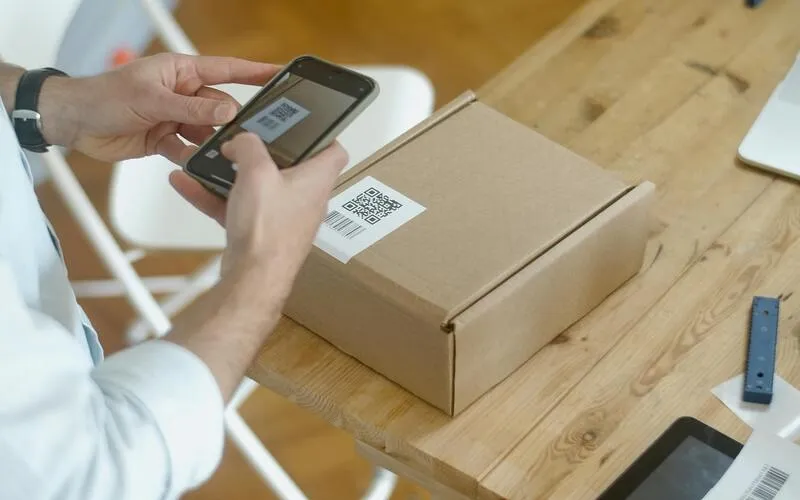
In this article
10 minutes
- The True Cost of Shipping
- Why Shipping Costs So Often Outpace Revenue
- Understanding What Drives Shipping Costs
- 1. Choose the Right Packaging
- 2. Use Multi-Carrier Rate Comparison
- 3. Negotiated & Volume Discounts
- 4. Flat Rate Shipping and Free Shipping Thresholds
- 5. Audit Invoices and Billing Discrepancies
- 6. Consider Regional and Hybrid Carriers
- 7. Optimize International and Cross-Border
- Leverage Shipping Technology and Software
- Delivering Excellent Customer Service Without Raising Costs
- Frequently Asked Questions
Shipping costs can feel like a runaway train; you want to slow them down, but not at the expense of your customers’ expectations. After a decade in ecommerce and fulfillment, I’ve seen brands slugged by one-size-fits-all shipping policies. When you treat shipping as a profit lever instead of pure cost, sudden wins emerge around shipping strategy, packaging choices, and carrier comparison.
Let’s break down exactly how you can cut shipping costs without slowing down delivery time or destroying customer trust.
The True Cost of Shipping
Shipping costs are more than just a line item; they can make or break your business’s profitability, especially for small businesses navigating the world of ecommerce. As online shopping continues to surge, finding the cheapest shipping method becomes a top priority for retailers looking to stay competitive. The true cost of shipping depends on several factors, including package weight, dimensions, and the destination. With so many shipping services and shipping options available, from USPS to UPS and FedEx, it’s essential to understand how different shipping rates and flat rate shipping options can impact your bottom line.
Savvy businesses know that the cheapest shipping isn’t always about cutting corners; it’s about making informed choices. By comparing carrier rates, leveraging flat rate shipping, and streamlining your shipping process with the right technology, you can save money without sacrificing speed or reliability. Whether you’re shipping a single package or managing bulk orders, understanding your options is the first step toward a more cost-effective shipping strategy.
Why Shipping Costs So Often Outpace Revenue
Between fuel surcharges, dimensional weight, and peak-season add-ons, your average shipping fee isn’t static; it’s a multi-headed beast. A Linnworks report (July 2025) found 40 % of retailers say shipping costs are their #1 headache—every overpaid label is money you can’t reinvest in growth.
Another silent killer? Lack of transparency. If your shipping zones and costs aren’t communicated clearly, expect cart abandonment or WISMO spikes. Unclear shipping costs can create confusion about product prices and the total order value, making customers question the final amount they’ll pay and eroding trust in your pricing. I’ve seen brands lose customers, not because shipping was slow, but because it was unpredictable.
Understanding What Drives Shipping Costs
USPS raised competitive shipping prices effective January 18, 2026, so any cost example in this section should be checked against the current USPS price files before publishing.
USPS has also announced a transportation-related time-limited price change that starts April 26, 2026, so shipping-cost examples should be checked against the current USPS price files before publication.
Shipping costs are shaped by a mix of variables that can quickly add up if not managed carefully. The main drivers include package weight, dimensions, shipping zones, and the desired delivery speed. Each of these factors influences the shipping rate you’ll pay, and even small changes can lead to significant savings.
Using a multi-carrier shipping rate calculator is a smart way to determine the cheapest shipping rates for each order. Many businesses also take advantage of negotiated UPS, FedEx, and USPS discounts to reduce shipping costs on domestic shipments. Volume discounts and bulk shipping can further cut shipping costs, especially if you consistently ship large quantities.
To maintain steady shipping costs, it’s important to develop a shipping strategy that leverages discounted shipping rates and prioritizes the cheapest shipping options for each order. By understanding how shipping zones, package size, and weight affect your shipping rate, you can make informed decisions that help you cut shipping costs while still meeting your customers’ delivery speed expectations.
1. Choose the Right Packaging
Packaging choice directly affects dimensional weight pricing. DIM weight charges by space (cubic volume), not actual weight.
Focusing on:
- Package dimensions: even 2–3 extra inches matters.
- Packaging materials: polybags or bubble mailers can cut waste and weight. Bubble wrap is a lightweight packing material that cushions fragile items and fills empty space, helping protect products during shipping and reducing costs.
- Custom vs standard: custom packaging sized close to your product dimensions may cost more in some cases, but can reduce damages, improve efficiency, and lead to cost savings. Some carriers also offer free packaging options, which can further reduce costs.
Selecting the right packing supplies, such as poly mailers, envelopes, tape, and bubble wrap, minimizes shipping costs and improves efficiency.
One Shopify guide from June 2025 shows USPS flat-rate boxes are often the fastest and cheapest shipping method for common 2–3 day parcels.
To further reduce package weight, use smaller boxes and lightweight materials whenever possible.
2. Use Multi-Carrier Rate Comparison
USPS might be cheapest for small items; UPS or FedEx might beat them on heavier ones. That’s why it’s important to compare carriers, including major carriers like USPS, UPS, and FedEx, for each shipment to ensure you get the best rates.
Rate-shopping software (like Cahoot and Shippo) can automate comparisons:
- Provide instant access to live shipping rates from multiple major carriers
- Auto-select the cheapest shipping rates that still meet your delivery expectations
- Print shipping labels with no manual switching
On Reddit, a Shopify merchant wrote:
“USPS cubic rates are the cheapest for most of our 1–10 lb items. UPS only wins on heavy boxes.”
That’s the power of dynamic rate-shopping: your checkout becomes a mini-negotiator. The Linnworks report specifically called rate-shopping one of the top 6 ways to slash shipping costs this year.
3. Negotiated & Volume Discounts
If you ship over minimum volumes, you can tap into discounted shipping rates. Many carriers have minimum volume requirements to qualify for discounted rates and shipping discounts, so small businesses need to be aware of these thresholds to access lower prices. UPS/FedEx both offer volume-based tiers, but only if you hit those thresholds.
Platforms like Easyship and Cahoot offer collective volume discounts to small brands, helping you access cheaper shipping rates by pooling shipments to meet minimum volume requirements. This allows small businesses to benefit from shipping discounts and discounted rates that would otherwise be unavailable.
Even USPS has programs like USPS Ground Advantage and Media Mail, which often beat UPS and FedEx on low-weight but non-time-sensitive parcels.
Negotiating directly with carriers or using shipping platforms is key to unlocking discounted rates and shipping discounts for your business.
4. Flat Rate Shipping and Free Shipping Thresholds
Flat-rate shipping options, such as USPS Priority Mail Flat Rate boxes, offer predictable pricing and come with free packaging, which adds meaningful additional savings per shipment.
Use them wisely:
- Offer free shipping only over an AOV threshold that covers your average shipping cost.
- Use flat-rate only when it’s actually cheaper than the carrier quote.
Shopify and Linnworks agree: stacking a free shipping threshold can increase AOV, spreading fixed shipping costs across more items.
5. Audit Invoices and Billing Discrepancies
Ever audit your carrier invoices? One audit uncovered thousands in refunds due from carrier overcharges, like charges for “Paper Commercial Invoice Service” that were mistakenly added for every international shipment.
Implement a quarterly invoice audit or use software that flags:
- Fuel surcharge changes
- Dimensional weight mischarges
- Paper invoice fees
You’d be surprised how costs can shrink overnight.
6. Consider Regional and Hybrid Carriers
Large carriers may not always win. A HubBox case study says pickup at checkout can save as much as $5 per package and an average of 30% on shipping costs.
Plus, regional carriers often have fewer additional fees or surcharges. Pair them with USPS for last-mile and you get competitive rates that keep delivery costs low and on-time delivery high.
7. Optimize International and Cross-Border
USPS revised international competitive service prices effective January 18, 2026, so cross-border rate checks should be refreshed before quoting landed cost.
If you’re shipping globally, factors like duties and fees matter, but international shipping costs also kill margins if unmanaged. Linnworks flags this as a top 3 challenge for 2025. Finding cost-effective solutions for international shipments is essential for maintaining profitability and customer satisfaction.
Solutions:
- Pre-calculate duties and taxes at checkout
- Use DDP or prepaid customs
- Use a shipping tool that shows most shipping carriers for international lanes
- Consider expedited or optimized shipping methods to offer faster shipping for international customers
Segment international orders differently. Don’t treat them like domestic, or you’ll lose 10–20 % to surprise fees and abandoned carts.
Leverage Shipping Technology and Software
Modern shipping technology and software are game-changers for businesses aiming to reduce costs and streamline their shipping process. With the right shipping software, you can easily compare carrier rates, print shipping labels, and track shipments, all from a single dashboard. This not only saves time but also ensures you’re always getting the cheapest shipping rates available.
Services like USPS Ground Advantage and USPS Priority Mail offer competitive rates and fast delivery times, making them excellent choices for businesses that need to balance cost and speed. Shipping rate calculators built into these platforms help you identify the most cost-effective shipping services for each package, whether you’re sending lightweight parcels or heavier shipments.
Automating your shipping process with software reduces manual data entry, minimizes errors, and allows you to print shipping labels instantly. By integrating these tools into your workflow, you can reduce costs, improve delivery times, and provide a seamless shipping experience for your customers, all while staying ahead of the competition.
Delivering Excellent Customer Service Without Raising Costs
Providing top-notch customer service doesn’t have to mean higher shipping expenses. By leveraging shipping technology and adopting a smart shipping strategy, you can offer fast, reliable shipping options that delight customers without straining your budget. Setting a free shipping threshold encourages larger orders, helping to offset shipping costs while meeting customer expectations for free shipping.
Choosing the right packaging materials and considering shipping insurance can further enhance the customer experience, ensuring products arrive safely and on time. Data and analytics tools can help you fine-tune your shipping strategy, identifying opportunities to reduce costs and improve delivery times.
Remember:
1. Shipping costs and delivery speed don’t have to trade off; smart packaging, rate-shopping, and audit discipline let brands cut costs and keep promises.
2. Dimensional weight is a stealth margin-killer: shrink boxes, and you shrink costs.
3. Rate comparisons = real negotiating power: small brands can access big discounts when they shop across carriers.
4. Oversight matters: invoices are full of surprise charges, but an audit saves the net margin.
5. Customer expectations shape cost: free shipping succeeds when paired with transparency, and funds future scalability.
Ultimately, the key is to align your shipping options with customer expectations, offering the speed and reliability they want, while using cost-effective solutions to protect your margins. With the right approach, you can deliver excellent customer service and maintain a healthy bottom line.
Frequently Asked Questions
What is the cheapest shipping method for small ecommerce items?
USPS Ground Advantage is a lower-cost option for lightweight parcels (under 10 lb), and USPS Priority Mail Flat Rate boxes can be cost-effective for items that fit the box. Compare rates using a shipping rate calculator like Cahoot.
How do I reduce dimensional weight charges?
Use right-sized packaging materials, minimize empty air space, and choose polybags or bubble mailers for lightweight products. Dimensional weight pricing applies when package volume exceeds actual weight.
Can small businesses get discounted shipping rates?
Yes, through negotiated volume discounts, or by using 3PL/4PLs or shipping platforms that pool volume. Many offer discounted shipping rates for brands shipping over minimum volumes.
Does offering free shipping hurt margins?
Not if your free shipping threshold is above average shipping cost, and if the checkout communicates savings clearly. Customers often spend more to qualify, and you lock in larger orders.
Should I audit my shipping invoices?
Absolutely. Carriers frequently include unexpected surcharges, and they’re not immune to billing errors. Regular audits (or software) can identify and help recover overcharges like fuel surcharges or incorrect invoice fees.
Written By:

Rinaldi Juwono
Rinaldi Juwono leads content and SEO strategy at Cahoot, crafting data-driven insights that help ecommerce brands navigate logistics challenges. He works closely with the product, sales, and operations teams to translate Cahoot’s innovations into actionable strategies merchants can use to grow smarter and leaner.
Turn Returns Into New Revenue
Related Articles
UCP Isn’t About Checkout. It’s About Who Gets to Understand Demand
Merchants are about to transact through AI agents without learning how the decision happened.
Cahoot vs ShipStation: Exploring ShipStation Alternatives
The Hidden Cost of Holding On to ShipStation If you’re using ShipStation in 2025, you’re not shipping smarter — you’re bleeding margin.
The End of Traditional Ecommerce Returns
PART I — THE PROBLEM Why Returns Didn’t Just Break — They Were Never Built for This Returns are ecommerce’s dirty secret: a billion-dollar bonfire that most brands prefer not to lo...
How US Sellers Can Thrive Against Global Competition

In this article
3 minutes
The ecommerce industry has experienced a dramatic shift in recent years, with global Sellers gaining direct access to U.S. consumers. Platforms like Amazon, Temu, and Shein have made it easier than ever for international merchants, particularly those based in China, to reach American shoppers with competitively priced products. At the same time, social media trends such as the “Amazon Haul” phenomenon have fueled consumer demand for affordable and trendy products, often sourced from overseas suppliers.
This global competition presents both challenges and opportunities for U.S.-based Sellers. While international merchants benefit from cost-efficient manufacturing and logistics, American businesses can still thrive by leveraging their strengths such as superior customer service, branding, and localized marketing strategies. By understanding the changing dynamics of ecommerce and implementing smart business tactics, domestic Sellers can remain competitive and grow their market share.
Understanding the Competitive Landscape
Historically, American retailers sourced products through distributors and wholesalers, often relying on Chinese manufacturers for affordable goods. However, the rise of ecommerce platforms has eliminated many middlemen, (a phenomenon known as disintermediation), allowing manufacturers and Sellers from China to sell directly to U.S. consumers at lower prices.
A study by Marketplace Pulse found that in five major European Amazon marketplaces (Spain, France, Italy, the UK, and Germany), 41% of Sellers were based in China. In a different study by the same source, China-based sellers were found to represent nearly 50% of the top 10,000 Sellers on Amazon in the U.S. Additionally, upwards of 95% of Chinese Sellers use Fulfillment by Amazon (FBA) depending on the product category, ensuring fast and reliable shipping that levels the playing field with domestic merchants.
Despite these challenges, U.S. Sellers have unique advantages that can help them stand out in an increasingly competitive marketplace. Here’s how:
1. Competing with More Than Just Price
While low prices can attract customers, American consumers also value quality, trust, and customer service. Sellers who prioritize superior product quality, hassle-free returns, and excellent customer support can differentiate themselves from international competitors.
2. Leveraging Branding and Storytelling
Companies like Shein and Temu rely on aggressive digital marketing to promote their ultra-low-cost products. However, many consumers also seek brands that offer authenticity, transparency, and ethical sourcing. U.S. Sellers can build brand loyalty by emphasizing their company’s values, quality control, and customer engagement strategies.
3. Smart Marketing and Customer Engagement
Establishing an independent website allows Sellers to cultivate their own customer base rather than relying solely on third-party marketplaces. Targeted digital marketing, social media engagement, and partnerships with influencers can help businesses create a loyal audience and drive repeat sales.
4. Supply Chain Optimization
Efficiency in sourcing and logistics is crucial to competing with global Sellers. By improving demand forecasting, negotiating better supplier agreements, and optimizing shipping and fulfillment strategies, domestic Sellers can lower costs and improve profit margins.
5. Expanding Product Categories and Sales Channels
Instead of competing head-to-head in oversaturated categories, Sellers can explore niche markets with consistent demand. Additionally, diversifying sales across platforms like Walmart, eBay, and Shopify reduces dependence on Amazon and creates new revenue streams.
Thriving in a Global Ecommerce Market
The increasing presence of global Sellers on platforms like Amazon, Shein, and Temu has reshaped ecommerce, but it does not mean U.S. businesses cannot compete. By focusing on quality, branding, smart marketing, and operational efficiency, American Sellers can carve out a strong position in the marketplace. Success in ecommerce is not just about offering the lowest price—it’s about providing value, building customer trust, and adapting to an ever-changing digital retail environment.
Written By:
Indy Pereira
Indy Pereira helps ecommerce brands optimize their shipping and fulfillment with Cahoot’s technology. With a background in both sales and people operations, she bridges customer needs with strategic solutions that drive growth. Indy works closely with merchants every day and brings real-world insight into what makes logistics efficient and scalable.
Turn Returns Into New Revenue
Related Articles
UCP Isn’t About Checkout. It’s About Who Gets to Understand Demand
Merchants are about to transact through AI agents without learning how the decision happened.
The End of Traditional Ecommerce Returns
PART I — THE PROBLEM Why Returns Didn’t Just Break — They Were Never Built for This Returns are ecommerce’s dirty secret: a billion-dollar bonfire that most brands prefer not to lo...
AI Search Optimization: How AEO and GEO Are Reshaping Ecommerce SEO
If your SEO strategy still revolves around exact-match keywords, you’re already behind.
Top 5 Pricing Strategies For Making Free Shipping Profitable
Pricing is one of the most determining factors of a customer’s buying decision. While customers naturally gravitate towards the lowest price, this expectation is now the norm thanks to marketplaces placing a high importance on low final prices (which includes the list price and shipping cost). Amazon’s Featured Offer is commonly priced at or below the lowest-priced alternatives, and both item price and shipping price affect eligibility; featured-offer placement is also performance-based. This price expectation puts pressure on online Sellers to set a “just right” price that is both low, but low enough to cover free shipping. As a result the cost of shipping is an important component of online product pricing.
In this article, we will talk about five ways to recover your shipping costs using strategic pricing strategies:
1. Include Shipping Costs in Product Prices
Remember the last time you were irritated about hidden resort fees during hotel checkout? Or that mysterious additional tax you didn’t know about when traveling to a new city? Similarly, customers perceive a surprise shipping charge negatively, which might lead to cart abandonment.
However, the shipping cost is an inseparable part of selling online. There should be no reason to treat this cost separately. What if you included the shipping cost in the price of the item?
Imagine having to pick between these two options for something you’re about to buy:
- Option 1: $30 + $5 shipping charge
- Option 2: $35 with free shipping
Bill DAlessandro, from consulting firm Rebel CEO, ran this very test for a skincare product and found that including shipping in the product cost (Option 2) converted twice as many shopping carts. Several other studies have shown that customers are more likely to abandon the shopping cart when they see a shipping charge added during checkout, the top reason by more than 2-fold!
How do you distribute shipping costs to individual item prices? One approach is to change the pricing of items below your free shipping threshold to include a portion of the expected shipping cost.
Say a merchant offers free shipping for orders of $50 or more, and the average shipping cost is $5. Start by converting your sale price to a percentage of the free shipping threshold, and then add that percentage of the average shipping cost to the item price. For example, a $25 item is 50% of the $50 free shipping threshold, so add 50% of the shipping cost to the item price ($2.50), for a new sale price of $27.50. Similarly, a $10 item is 20% of the $50 free shipping threshold, so add 20% of the shipping cost to the item price ($1.00), for a new sale price of $11.00.
The advantages of including shipping costs in the product price are:
There are other factors that you might want to keep in mind before using this method:
2. Offer Free Shipping on Select Items Only
It is tough to offer free shipping for your entire product catalog when you sell everything under the sun, big or small. But you can thoughtfully select which items to offer with free shipping.
It is often the items with low-margins, heavy-weight, and big-size that suffer losses from shipping costs. This should not stop you from providing your customer with free shipping on higher-margin items where the shipping cost is not a big chunk of the product price.
The key is communicating it effectively to the customer. Being clear and upfront about such restrictions will help customers navigate your page easily and with trust. Here’s an example that Neil Patel demonstrates in this blog where the Seller offers free shipping on all footwear SKUs:

Source: https://neilpatel.com/blog/make-free-shipping-profitable/
A more subtle way to offering free shipping on specific products is setting a free shipping threshold that meets exactly the item you plan to offer free shipping. For example, if your website sells shoes starting at $75 and socks starting at $12; setting free shipping at $75 allows you to offer free shipping to anyone who buy at least 1 pair of shoes, but will only offer free shipping if someone orders 7 pairs of only $12 socks.
He goes on to show how there is a marked improvement in net profits with this experiment despite a reduction in margin per SKU. The increase in sales yields more revenue and higher overall profitability.
Offering free shipping on a limited SKU selection has its benefits:
Keep in mind these few things while implementing this shipping strategy:
3. Enable Free Shipping on Large Orders
Setting a minimum order value to unlock free shipping increases your revenue, creating the margin needed to recover your shipping costs. But this shipping strategy does not work for everyone.
Publishing a minimum order value encourages customers to target a particular shopping cart subtotal such as $50. But if you have a limited product catalog, the customer may abandon the purchase because they cannot find additional relevant items to purchase. In this case, it may be easier to nudge them with a prompt that says, “free shipping when you buy 3 or more”, targeting an order quantity rather than an order subtotal. It may sound silly, but not all customers would think of increasing the item quantity to achieve the free shipping threshold.
It works best for consumables that customers regularly buy, like personal care or household items. For these products, customers are used to expecting savings when buying in bulk. The end goal is similar to the minimum order value in that the merchant can increase the average order value and ship the items together to decrease the shipping costs.
The advantages of bulk/quantity-based free shipping offers are:
A possible hindrance to something like this would be:
4. Introduce Flat Rate Shipping
As of February 2, 2026, FedEx One Rate pricing is published with updated zone-based rates by package type and delivery time, so merchants should recheck their FedEx flat-rate quotes before setting a shipping promise.
UPS has also published its 2026 rate and service guides, so any flat-rate examples in this section should be checked against current UPS Simple Rate pricing before they are used on-site.
If for some reason it is not possible to include shipping costs in your product prices, there is still a way to manage customer expectations. Customers will have less anxiety about shipping charges if they know the flat rate shipping cost upfront, regardless of how much they spend.
Online shoppers must take into account many factors when deciding on a purchase. Making the shipping cost clear and simple will make the shopping experience easier, and customers respect the transparency.
You should consider your average margin per unit and average shipping cost to calculate a profitable flat rate to charge. Here’s an example of an online Seller advertising flat rate shipping very effectively: “We don’t want our customers to experience sticker shock when they see the shipping rates at our store. Also, we want to make our online shopping experience straightforward and having a $10 Flat Rate Shipping charge lets customers quickly calculate their costs. That can’t be a bad thing, right?”

Source: https://www.giftbasketsfrommichigan.com/blog/gift-baskets/everyday-10-flat-rate-shipping
There are many flat rate services to choose from (size and weight restrictions apply):
- FedEx One Rate offers 1-, 2-, and 3-day flat-rate shipping. FedEx One Rate pricing is organized by local, regional, and national zones. FedEx offers free packaging included with each service, which is a nice perk to keep cost down.
- UPS Simple Rate offers next-day, second-day, three-business-day, and five-day delivery. UPS Simple Rate uses national flat-rate pricing, and qualifying UPS Digital Connections customers can receive a subsidy to purchase Simple Rate boxes.
- USPS Priority Mail Flat Rate delivers in 2–3 days, and Priority Mail Flat Rate ships up to 70 lbs at the same price anywhere in the U.S. As of January 18, 2026, USPS increased published shipping-services prices, including an average 6.6% increase for Priority Mail, while Priority Mail still advertises 2–3 day delivery and Flat Rate packaging remains available. USPS online Commercial Rates are lower than Post Office prices, and USPS offers free Flat Rate boxes and envelopes.
Some of the advantages of flat-rate shipping are:
You should be careful about the following:
5. Adopt a Dynamic Shipping Charge
Customers may sometimes find your competition is offering the same items at lower prices. But in some cases, your warehouse may be closer to the customer allowing you to ship faster and cheaper than the competition, creating the opportunity to leverage your proximity by offering a more attractive shipping option.
To adopt a dynamic shipping price strategy, ask the customer for their zip code during checkout and use it to determine your actual cost and transit time using real-time rate shopping across all your carriers and services.
Maybe you want to determine if free shipping should be offered or not. Perhaps it’s used as a surprise and the enchanted customer feels that they’ve won something, increasing conversion rates.
Typically ecommerce Sellers calculate shipping charges using the average shipping rate for all their sales, a combination of different zones, sizes, and weights. So, some customers pay more than they should for shipping while others pay less. If the shipping charge imposed on the customer is higher than other Sellers, because of the kind of item you ship (heavier, larger, for example), your cart abandonment rate will be higher.
By collecting the zip code, there is an opportunity to charge the customer the shipping fee tailored to them, encouraging them to buy from you. You can get real-time estimates of shipping rates right from your shipping solution or Order Management System (OMS) by connecting it to the checkout page. This approach also ensures that your shipping cost is covered, effectively taking it out of the equation.
This blog by Squarespace explains one way to do it in great detail, including how to add a markup to create a profit center from your exceptional negotiated rates.
Source: https://support.squarespace.com/hc/en-us/articles/213022907-Carrier-calculated-shipping
The big benefits of having this system are:
There are repercussions to imposing a dynamic shipping charge:
Summary
The reality of modern ecommerce is that free shipping is no longer a luxury, it’s an expectation. But it doesn’t have to be a burden on your bottom line. By integrating shipping costs into your pricing strategy, selectively offering free shipping, or using dynamic pricing models, you can create an approach that aligns with customer expectations while keeping your business financially healthy. The key is to experiment, track results, and adjust as necessary…what works for one business may not work for another. When done right, free shipping can become a powerful conversion tool that boosts sales, improves customer loyalty, and ultimately drives long-term profitability.
Download The Ultimate Guide to Profitable Free Shipping
Frequently Asked Questions
How to price for free shipping?
If the average shipping cost is $5 per order, that means you would lose $5 each time you provided free shipping. If, however, you increase product prices by 20% so the average product price is $10 or more, you can offset the cost of shipping on an average order.
Does offering free shipping increase sales?
Yes, offering free shipping can increase sales. Numerous studies show that free shipping is a key factor in purchasing decisions.
How do retailers afford free shipping?
Some merchants ask customers to cover shipping expense on smaller, lower margin orders. Shoppers are incented to buy more, since additional items ship for free. As the order size increases, overall gross margin goes up, covering the incremental shipping cost increase. Another option is to include shipping costs in product prices.
What is a good free shipping threshold?
Knowing how much an average customer spends per transaction can provide a better idea of what a business’ minimum order value for free shipping should be. A free shipping threshold should be slightly (about 30%) above the average order value to encourage customers to add more items to their cart.
How to offer free shipping without losing money?
The simplest way to make free shipping work for your shop is to price your items to include the shipping cost in the item list price. You can choose to offer free shipping to buyers only located in your country, or to all buyers around the world based on your shop’s needs and customer demographics.
Written By:
Indy Pereira
Indy Pereira helps ecommerce brands optimize their shipping and fulfillment with Cahoot’s technology. With a background in both sales and people operations, she bridges customer needs with strategic solutions that drive growth. Indy works closely with merchants every day and brings real-world insight into what makes logistics efficient and scalable.
Turn Returns Into New Revenue
Related Articles
UCP Isn’t About Checkout. It’s About Who Gets to Understand Demand
Merchants are about to transact through AI agents without learning how the decision happened.
The End of Traditional Ecommerce Returns
PART I — THE PROBLEM Why Returns Didn’t Just Break — They Were Never Built for This Returns are ecommerce’s dirty secret: a billion-dollar bonfire that most brands prefer not to lo...
AI Search Optimization: How AEO and GEO Are Reshaping Ecommerce SEO
If your SEO strategy still revolves around exact-match keywords, you’re already behind.