
Top 8 Marketing Strategies For Making Free Shipping Profitable
In this article
 21 minutes
- Intelligently Set Minimum Order Value
- Offer Free Shipping with Loyalty Programs
- Offer Free Shipping for a Limited Time Window or Amount
- Offer Free Shipping at Peak Seasons of the Year
- Offer Free Shipping on Returns Only
- Offer Free Shipping to First-Time Customers Only
- Offer Date-Certain Shipping
- Consolidate and Deliver Multiple Orders on Fixed Dates
- Summary
- Frequently Asked Questions
Free shipping isn’t just a perk, it’s a powerful marketing tool that influences buying decisions and customer loyalty. It’s a deciding factor in where and how people shop. Shoppers are bombarded with choices, and offering free shipping can be the difference between an abandoned cart and a completed sale. However, without a strategic approach, it can also become a financial burden that eats into profits. The key lies in leveraging free shipping as part of a well-planned marketing strategy; one that drives conversions, increases average order value, and strengthens customer retention. In this article, we’ll explore 8 innovative ways to make free shipping work for your business without sacrificing your bottom line.
1. Intelligently Set Minimum Order Value
It would be best to avoid delivering low-cost items for free as their shipping costs are often higher than the cost of the item itself, leaving only so much margin. Setting a minimum order value in your shopping cart helps you generate enough margin to recover some of the shipping cost. One study has revealed that about half of the shoppers will add additional items to their shopping cart just to qualify for free shipping, making a great case for setting a minimum order value for free delivery.
However, be mindful that there’s a fine line between setting a minimum order value that will increase total sales and one that will drive away the customers. There are different ways to test what that right amount is. Don’t set a limit too far away from your average order value. It should be just enough for customers to add a couple more items at most.
The following is a simple model developed by a data analytics company, RJ metrics:
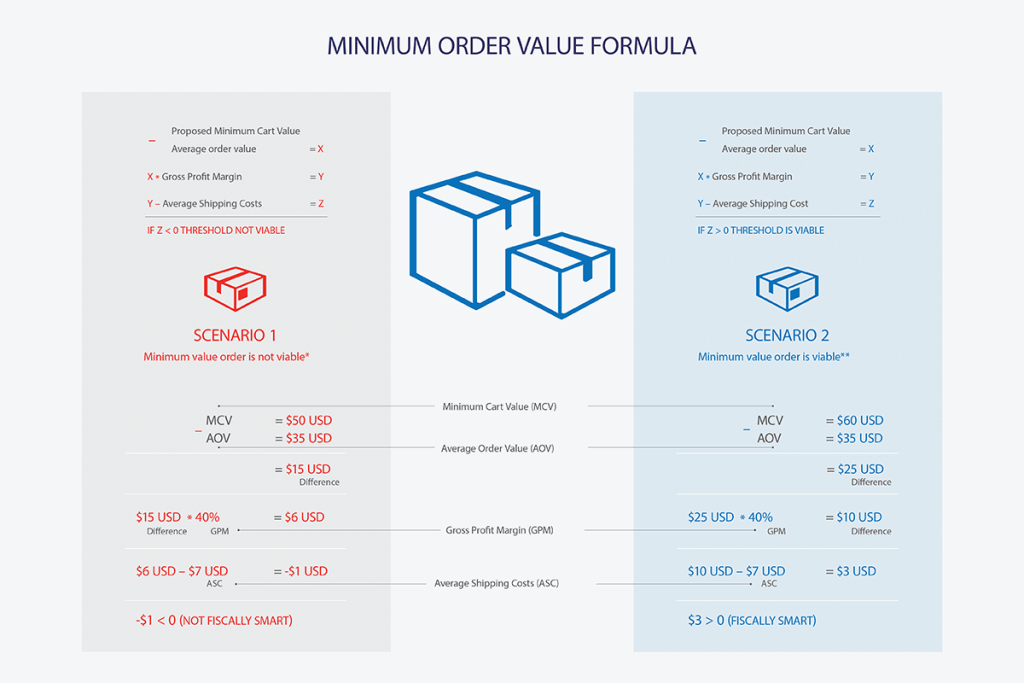
To learn more about calculating your minimum order value, check out this guide by DSers.
2. Offer Free Shipping with Loyalty Programs
ShopRunner has been discontinued, so this section should use only active loyalty and membership programs.
Loyalty programs are customer memberships offered by retailers in exchange for various perks, including free shipping. The customer is charged a fee or must collect points against regular orders to enjoy the perks of the membership. It is designed to encourage repeat purchases, enabling retailers to absorb the shipping costs.
Some big retailers offer the membership to customers for free; solely in exchange for basic personal details such as email account, name, address, gender, and birthday. Retailers use this information to encourage more purchases through targeted marketing efforts. They leverage customers’ purchase history and demographics to send special offers and personalized catalogs.
The increase of purchase frequency from a loyalty program is reflected in the customer lifetime value (CLV), which is the basis for most loyalty programs. CLV refers to the dollar amount that a customer is worth to you between their first and last purchase from your business. It is easy to calculate with a formula:
CLV = ((Average Order Value) x (Average Gross Margin) x (Average Number of Transactions per customer over a year) x (Average Lifespan of a Customer in years)) + ((Loyalty Program Fee per year) x (Average Lifespan of a Customer in years))
For a loyalty program to be successful, CLV should increase when compared to CLV without the loyalty program. Let’s walk through an example. Before loyalty programs, if your Average Order Value was $50, Average Gross Margin was 20%, the Average Number of Transactions per customer over a year was 8, and customers only stayed for 1 year (Customer Lifespan), then:
CLV: ($50 x 20% x 8 x 1) + $0 = $80
Now suppose you offer free shipping for a yearly fee of $50, you’ll see a few changes in your metrics. Your Gross Margin goes down to 10% because of $5 assumed average shipping expense per order, but the customers are likely to stay with you for twice as long (that is two years). In this case:
CLV: (($50 x 10% x 8 x 2) + ($50 x 2)) = $180
Since there is an increase in CLV despite a decrease in Gross Margin, the loyalty program worked in this case. And this estimate has not accounted for increased purchase frequency from customers wanting to take advantage of the free shipping.
Even if you don’t charge a monthly fee, the point system is a good alternative. The points-based system encourages customers to keep shopping and take advantage of free shipping. Also, it can be designed to ensure there is enough additional margin to make up for shipping costs. Another driver of sales are tailored offers and product catalogs.
In some cases, loyalty programs such as supermarket cards end up being a discount program without getting any more loyalty from the customer. Customers get membership cards from all supermarkets they visit and either shop all the discounts across all supermarkets or shop for the one with the most discounts on a given shopping trip. So it’s not really a loyalty program as much as it is data collection that helps the store offer even more discounts by way of additional tailored coupons. Therefore, it is necessary to design loyalty programs to increase your profitability and reward increased spending.
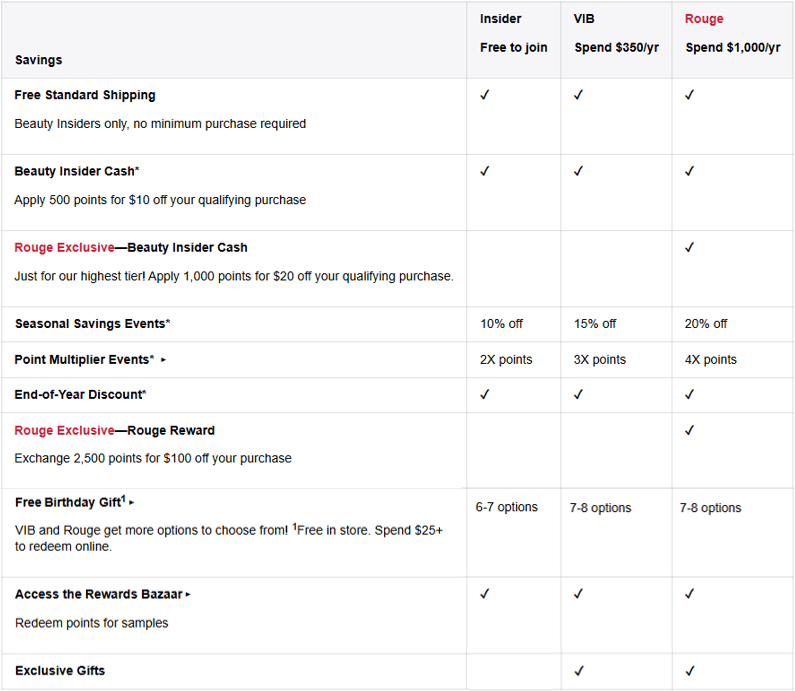
Active examples include Instacart+ ($99/year or $9.99/month with $0 delivery fees on eligible orders of $10+), Shipt ($99/year or $10.99/month with free delivery on orders over $35), Walmart+ ($98/year or $12.95/month with a $35 order minimum for free delivery), and Sephora Beauty Insider; remove ShopRunner because it was discontinued on January 31, 2026, and tighten the Starbucks example to reflect current Birthday Reward eligibility requirements. Instacart and Shipt’s annual memberships provide free grocery deliveries for orders over $10 and $35, respectively, at $99 per year. Instacart+ now also offers a monthly plan, and the current benefit language says eligible orders over $10 qualify for $0 delivery fees while service fees still apply. Which basically encourages a monthly shopping behavior from its members (other service fees apply). Walmart+ is Walmart’s subscription-based loyalty program with a price tag of $12.95 per month or $98 per year, with no order minimum. Walmart+ now shows a $35 order minimum for free delivery, so the offer is not truly no-minimum.
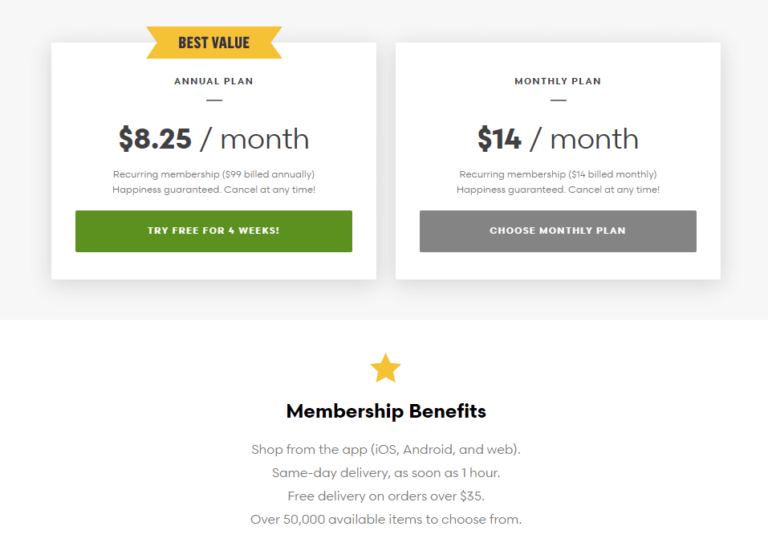
A few retailers that do unpaid loyalty well are Sephora, ShopRunner, and Starbucks. If you look at the Free Sephora Beauty Insider program, it rewards dedicated beauty shoppers with more than discounts and free shipping; it offers a free birthday gift, exclusive events, and other extra frills. Customers are encouraged to buy more and stay on to reap the benefits tailored right for them.
Another unique membership program is Shoprunner, which partners with high-end luxury retailers to provide free 2-day shipping and free returns for its members. The membership is currently free for customers, potentially charging the retailers for the express delivery service.
The well-known Starbucks Rewards program is points-based and rewards customers with stars based on the number and value of their purchases that can be redeemed for free drinks and food. Starbucks Rewards now requires members to join at least seven days before their birthday and to complete at least one Star-earning transaction before the birthday to qualify for the Birthday Reward. Going beyond basic points, it comes with a free birthday item, access to exclusive games and games, free refills on certain drinks, skip-the-line with Order Ahead, and more.
3. Offer Free Shipping for a Limited Time Window or Amount
If you’re not yet set to offer free shipping all the time, free shipping for a limited time serves as a great marketing tool in many cases. The purpose of providing free shipping here is to encourage additional purchases and build a relationship with the customer for future business.

Very simply, you need to set a target of future incremental sales from customers who have used the free shipping promotion. The margins from incremental sales should cover the costs of shipping during the offer and help you assess the success of your campaign. Additionally, just acquiring more customers could increase brand awareness, which will attract new prospects organically in the future.
One way to make this limited-time offer work without sacrificing too much profitability is to adopt value limits. Like in the cookie example above from Levain bakery, the free shipping discount is limited to $20 because the cookies need to ship using 2nd Day Air services, which can quickly get very expensive. The amount is enough to provide free shipping to neighboring states but will not be enough to cover cross-country shipments.
If you have a high engagement rate on your web store but a low conversion rate, that means customers need a nudge to complete the checkout. Offering a limited-time free shipping offer will excite prospective buyers and turn window shoppers into paying customers. Temporary free shipping can be an excellent investment to boost sales during slow periods. It is essential to be careful about frequency to not habituate the customers to free shipping.
You can be creative by offering a limited time offer through different shipping strategies:
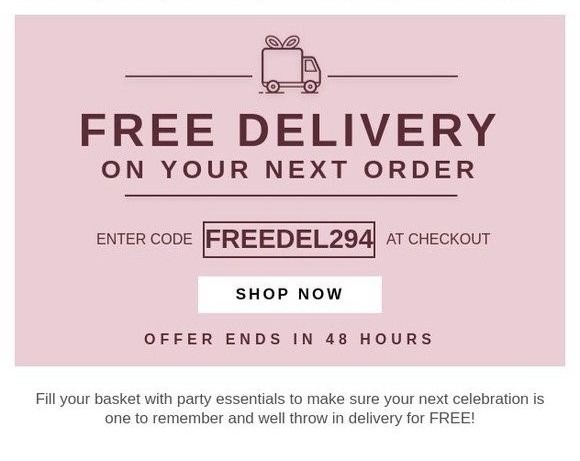
- Offer free shipping on next purchase to customers only after checking out. This acts as a reward for shopping with you and encourages the customer to explore your catalog for future purchases.
- Offer customers free shipping when they share their purchases on social media or after writing a product review. Here, you are using free shipping to increase your exposure and potential sales via consumer generated content.
- Send a free or discounted shipping promo code by email or text if a cart has been abandoned.
The broad idea is to invest in the shipping cost for a few orders to acquire more customers and get more future orders.
4. Offer Free Shipping at Peak Seasons of the Year
Free shipping is not a value creation strategy if you do not have enough sales to increase your bottom line with reduced unit margins. Therefore, offering free shipping during peak season could be a better idea. One, there is potential for more sales, and two, you need to be competitive when everyone is offering some kind of promotion. Free shipping is “a cherry on top” of any other promotion.
Every business has a seasonality to it. Depending on your products, test out free shipping offers during different times of the year such as Christmas, Mother’s Day, Valentine’s Day, Amazon Prime Day and Back-to-School.
Third-party Sellers on various marketplaces such as Amazon could also benefit from offering free shipping during their flagship sale day. Increased customer traffic on Amazon during Prime Day can work in your favor only if you can stand out. Even if you don’t offer free shipping all year round, temporarily offering free shipping could help you convert a larger share of the increased traffic to the site.
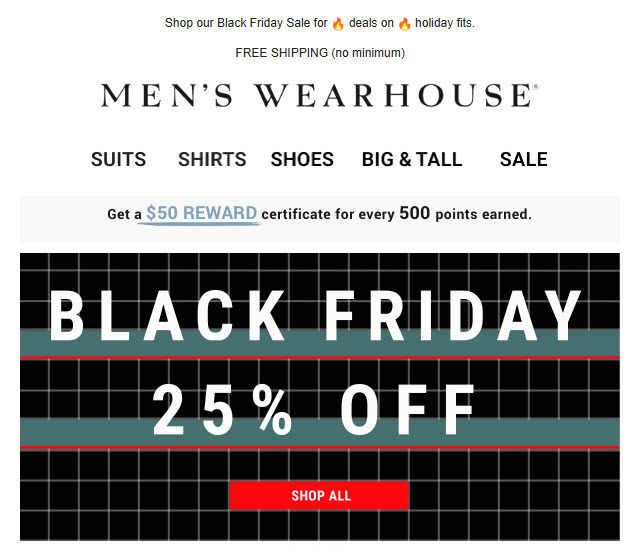
Best Buy has been offering free shipping to all customers during its peak holiday sales season. Target, on the other hand, offered free expedited shipping before Christmas on most of its items. The key was to increase sales during the peak season and get an even bigger share of the pie than usual.
The objective of this shipping strategy is to increase profits by increasing gross sales at a lower margin but be mindful of not losing money on every sale. Customer acquisition can be a secondary goal, but the primary purpose of this shopping lift should be to increase your overall profit. It’s possible that customer spending on your site during the off-peak season might not cover the promotional free shipping losses incurred during the peak season, so you may have to wait until the following year for a possible pay-off. Therefore, be selective about what products you offer with free shipping.
5. Offer Free Shipping on Returns Only
The prominence of online shopping has made returning products much more important in recent years. Customers care about the ability to return the item if they are not satisfied with it almost as much as free shipping. Therefore, there is an opportunity to attract customers by offering free shipping on returns as a feature of shopping with you.
There are a few categories where the customer thinks about returns even before they have made the purchase. These are the products that conventionally require a trial. Anything in the fashion category, house décor, and jewelry fit are example categories.
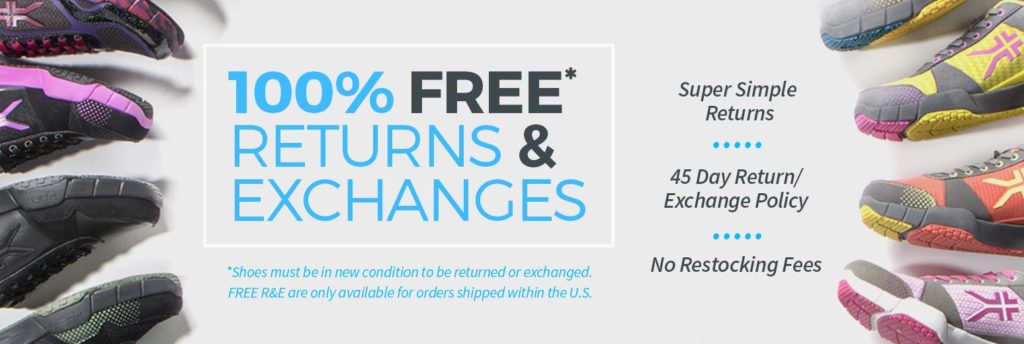
When customers shop for clothes, they cannot be 100% certain of the fit or how they would look wearing the product. The risk of losing the conversion is higher if returns are complicated (e.g., how to print a shipping label, how to mail the return, who pays the return shipping and how much will it cost, etc.). This creates a lot of hesitation to complete an online purchase unless the return policy is simple, clear, and customer-friendly. Free returns take the fear out of monetary loss from unsatisfactory purchases. For example, kurufootwear.com, an exclusively online footwear store, advertises free returns explicitly.
Free returns can become very costly for items that have high shipping costs such as a couch or television. Therefore think about what products are worth offering with free return shipping. Products that are light and small with good gross margins are good candidates as the reverse shipping costs won’t eat up all your profits. Expensive or high-end luxury products are prime examples of products that enjoy a good margin and are excellent candidates for free return shipping.
Nevertheless, try to keep returns to a minimum by helping customers choose the right item in the first place. This can be done by having a detailed product information section, several size charts, FAQs, and useful visualizations.
Besides making it free, make sure that the customer receives hassle-free service during the return process. This can be achieved by giving them clear instructions on the site or including a pre-paid return shipping label inside the original package itself.
6. Offer Free Shipping to First-Time Customers Only
Getting customers to try your products can be the biggest hurdle in growing your ecommerce business. Offering free shipping could be the nudge that customers need to buy from a new online Seller. Such an offer makes sense for a retailer who is looking to broaden its base or acquire new customers.

It is a simple but effective shipping strategy. Many successful businesses, such as Postmates or Grubhub, have used it in the past to get the customer on board. Once the customers realize the value of the service, they stay on to become regular paying users.
Whether you’re an existing ecommerce Seller with a new product offering or a brand new online store, free shipping on the first order can get the product out into the hands of new customers. This is especially useful in consumable categories like pet food, coffee and vitamins where customers tend to order the products at routine frequency but are not sure if they are ready to commit to the product or the Seller just yet. It can be considered as an online version of free sampling.
7. Offer Date-Certain Shipping
When free shipping is not an option, showing guaranteed delivery dates helps manage customer’s shipping expectations. Online Sellers should explore offering customers options for different delivery dates with different shipping charges. The slowest one might be offered free, but it still has a guaranteed date of delivery.
Guaranteed dates also help customers to make decisions faster because it takes out the mental math of “delivers in 5-7 business days”. Amazon and Walmart have used this shipping strategy successfully for a long time. Amazon has increased the accuracy of delivery date moving from a range to a specific date for this very reason.
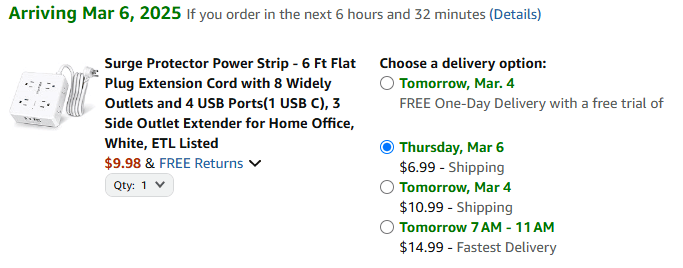
A Seller should keep a couple of things in mind while implementing date-certain shipping options. They should create a sense of urgency by showing how long the delivery date promises will be valid before they change based on same-day shipping cutoff times (e.g. “If you order in the next…”). Moreover, the tracking should be made available to the customer in great detail to create transparency and further decrease anxiety.
Such options ease the customer’s mind because they can see the trade-off between spending more on shipping compared to the resulting delivery delay. This lets different types of customers choose and complete purchases depending on which tradeoff has a higher priority.
8. Consolidate and Deliver Multiple Orders on Fixed Dates
Explore the possibility of consolidating all your orders and ship them all together on dedicated days to decrease overall logistics costs. This strategy can be used in conjunction with zone-skipping and applies to 1) fulfilling single-customer orders, 2) fulfilling multiple orders for the same customer, and 3) transporting goods between your warehouses and B2B customers such as retail outlets.
For the first one, examples would include crowdfunding campaigns and preorders, where the availability of a product such as a Kickstarted Boardgame project or new release music becomes available all at once in bulk. By presetting customer expectations about shipping and estimated delivery dates, you can offer economical shipping options by processing orders in bulk (just one time), thereby reducing labor and related fulfillment costs as well as longer transit options such as hybrid shipping services.
For the second one, this works well if you have repeat business coming from the same customers (DTC or B2B) on a recurring schedule. By grouping orders from a customer throughout the week, for example, and shipping all orders together on a pre-determined day of the week, (e.g. “Amazon Day”), shipping and logistics cost are minimal compared to shipping them all in real-time.
For the last one, this works well if you have a brick-and-mortar presence. The main idea is delaying inventory replenishment until you have a full truckload of goods per shipment (going out or coming in). Shipping efficiently (a full truck) reduces the logistics cost of each item carried. Having a good demand forecast is key in minimizing stockouts and estimating optimal shipment schedules. A set shipment schedule provides carriers certainty of future business and can help in your negotiations as well.
Summary
Free shipping isn’t just about meeting customer expectations, it’s a tool that can be leveraged to grow your business. By structuring your promotions thoughtfully, whether through minimum order thresholds, loyalty programs, or limited-time offers, you can encourage higher or more frequent spending while keeping costs under control. The best marketing strategies don’t just attract customers; they create long-term relationships. With the right approach, free shipping can not only increase immediate sales but also build a loyal customer base that returns again and again, making it a cornerstone of your long-term success. The secret lies in understanding your margins, leveraging data-driven insights, and continuously optimizing your approach.
Download The Ultimate Guide to Profitable Free Shipping
Frequently Asked Questions
Is free shipping a marketing strategy?
Free shipping is a marketing strategy by online stores that allow shoppers and customers not to have to pay an additional fee when placing orders for particular items. From the online shopper’s perspective, getting no additional cost to an item purchased from a website makes shopping much easier.
How to advertise free delivery?
Consider offering free shopping when purchasing 3 or more items. Another example of promoting this method is: let’s say a customer reaches the checkout page, you can recommend other products with a message saying, “add one more product to your cart to be eligible for free delivery.”
Does Free Shipping Increase Sales?
Free shipping significantly impacts sales by reducing cart abandonment rates and increasing purchase conversions. Studies indicate that customers prefer free shipping over paid options, which can lead to higher sales volumes.
What are free shipping promotions?
Free shipping is an increasingly popular option for online shopping, where customers do not have to pay an additional shipping charge. Free shipping is attractive to customers who appreciate simple pricing structures, making it a potential competitive advantage for online businesses.
How do you determine the minimum value for free shipping?
To calculate your free shipping threshold, you need to know your average order value (AOV) and your average shipping cost (ASC). A simple formula is to multiply your AOV by 1.5 and add your ASC.
Why free shipping is not free?
For cheaper items, you simply can’t absorb the cost of shipping. If your product costs $6 and the cost of shipping is $8, you are going to lose money by offering free shipping. Your margins may differ across products, depending on the cost of manufacturing, as well as the size and weight of different items.
Written By:

Rinaldi Juwono
Rinaldi Juwono leads content and SEO strategy at Cahoot, crafting data-driven insights that help ecommerce brands navigate logistics challenges. He works closely with the product, sales, and operations teams to translate Cahoot’s innovations into actionable strategies merchants can use to grow smarter and leaner.

Turn Returns Into New Revenue
Related Articles

UCP Isn’t About Checkout. It’s About Who Gets to Understand Demand
Merchants are about to transact through AI agents without learning how the decision happened.
The End of Traditional Ecommerce Returns
PART I — THE PROBLEM Why Returns Didn’t Just Break — They Were Never Built for This Returns are ecommerce’s dirty secret: a billion-dollar bonfire that most brands prefer not to lo...

AI Search Optimization: How AEO and GEO Are Reshaping Ecommerce SEO
If your SEO strategy still revolves around exact-match keywords, you’re already behind.
UPS Next Day Air Saver: Delivery Times, Costs & When to Use It
In this article
6 minutes
- Key Takeaways
- What Is UPS Next Day Air Saver?
- UPS Next Day Air Saver vs Other UPS Services
- Delivery Times and Guarantees
- Shipping Costs and Rates
- Weight and Size Limits
- Signature Requirements
- Service Coverage Areas
- Scheduling and Pickup
- Why Ecommerce Businesses Choose UPS Next Day Air Saver
- When to Choose UPS Next Day Air Saver
- Tips to Maximize Savings
- Final Thoughts
- Frequently Asked Questions
Key Takeaways
- UPS Next Day Air Saver offers fast, overnight shipping at a lower cost than standard Next Day Air, making it ideal for urgent deliveries.
- Delivery is guaranteed by the end of the day for residential addresses, with potential money-back guarantees for late shipments, providing reliability for businesses.
- The service accommodates packages up to 150 pounds and offers substantial savings for regular shippers, benefiting industries like ecommerce, legal, and medical fields.
What Is UPS Next Day Air Saver?
UPS Next Day Air Saver is a next-day air service from UPS that guarantees packages will be delivered by the end of the next business day. It’s similar to regular UPS Next Day Air, but more affordable, with delivery typically by 3:00 PM to commercial addresses and end-of-day for residential addresses.
You still get timely delivery, tracking, and access to express shipping options, just with slightly later arrival times, ideal for businesses that want to leverage UPS without paying premium rates.
UPS Next Day Air Saver vs Other UPS Services
Here’s a snapshot comparison of UPS Next Day Air Saver with other popular UPS expedited services:
|
Service
|
Delivery Time
|
Coverage
|
Saturday Delivery
|
Typical Use Case
|
|---|---|---|---|---|
|
UPS Next Day Air
|
By 10:30 AM
(most locations) |
All 50 states
|
Optional with fee
|
Highest-priority packages needing early delivery
|
|
UPS Next Day Air Saver
|
By 3:00 PM (commercial)
End-of-day (residential) |
48 contiguous states + limited AK/HI
|
Optional with fee
(metro only) |
Cost-effective next-day delivery for ecommerce and businesses
|
|
UPS 2nd Day Air
|
By the end of the 2nd business day
|
All 50 states
|
Optional with fee
|
Less urgent packages that can wait a day
|
Note: UPS Next Day Air Saver is not available in areas where guaranteed morning delivery (UPS Next Day Air Early) is already promised by other UPS services.
Delivery Times and Guarantees
For commercial addresses, delivery speed for UPS Next Day Air Saver is guaranteed by 3:00 PM; however, UPS now uses zone-based time windows, so in some metro areas, Air Saver commercial deliveries may be later than 3:00 PM. For residential addresses, packages arrive by the end of the business day (“end-of-day” is typically defined as 7:00 PM, but deliveries have been known to deliver after 11 PM local time in some cases). These guaranteed delivery times make it a strong alternative to pricier services like UPS Next Day Air Early AM.
UPS may offer a money-back guarantee for late deliveries on eligible shipments, though coverage varies by zone, season, and contract. You’ll want to confirm this on the UPS website or contact UPS customer service if timing is critical.
Shipping Costs and Rates
The next-day air saver cost depends on multiple variables:
- Package’s weight
- Dimensions (dimensional weight may apply)
- Origin and destination
- Chosen shipping methods and optional services
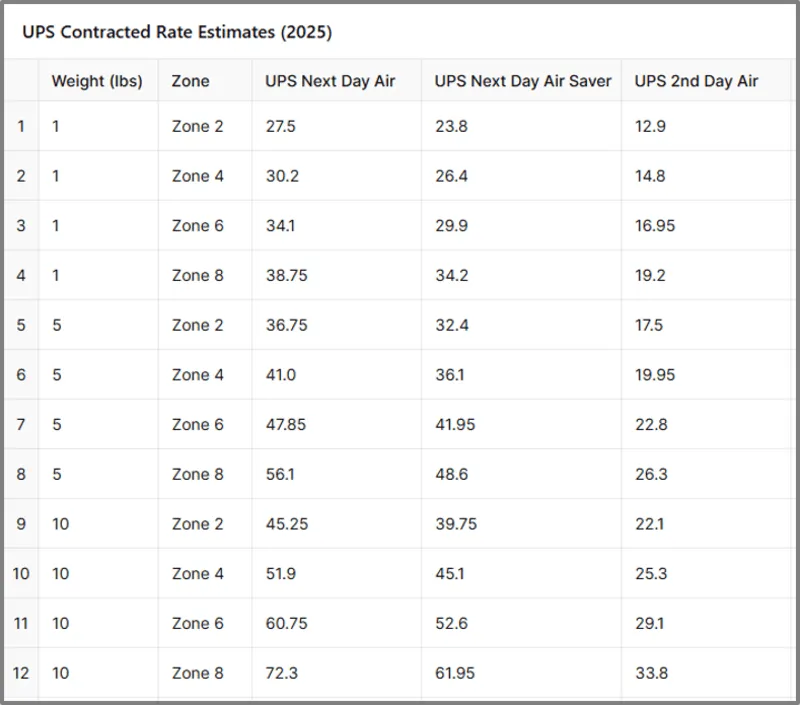
Businesses often see cost savings of $2.95 to $10.23 per shipment versus standard Next Day Air rates, depending on weight, zone, and contract rates. That makes the next-day air saver package a favorite for ecommerce shipping and bulk senders.
Here’s an illustrative example from the current UPS Rate and Service Guide. These rates assume actual weight (not dimensional weight), with no declared value, accessorials, or Saturday delivery. Important caveats: Rates vary by account volume, service tier, fuel surcharge, and peak-season surcharges. Always confirm pricing with your UPS rep or shipping software.
Weight and Size Limits
- Maximum weight limit: 150 lbs per package
- Max size: 108 inches in length, or 165 inches in combined length + girth
Exceeding these limits can require freight classification or other UPS services.
Signature Requirements
- Commercial address: Signature is required for delivery
- Residential addresses: No signature required unless requested
This flexibility balances customer expectations with security and speed.
Service Coverage Areas
UPS Next Day Air Saver is available across the 48 contiguous states, with limited availability in Alaska and Hawaii. It’s not available in areas already covered by guaranteed morning delivery under UPS Next Day Air Early.
International shipments require separate UPS Express shipping services.
Scheduling and Pickup
- Cutoff times: Typically 4:00 PM to 6:00 PM local time
- Can specify pickup windows and reference numbers
- Missed pickups can be rescheduled via your UPS account
UPS also supports Saturday delivery for Air Saver shipments, but not by default. Saturday delivery for Air Saver is only available in limited metro areas, and often requires an upgrade to Next Day Air or an additional surcharge.
Why Ecommerce Businesses Choose UPS Next Day Air Saver

If you’re shipping high volumes or dealing with customer demands for one-day delivery, UPS Next Day Air Saver is the best compromise between fast delivery and affordable shipping.
Industries that benefit:
- Ecommerce & DTC brands
- Medical and pharmaceutical shipping
- Legal and financial services
Using Air Saver helps brands:
- Meet customer expectations for speed
- Reduce shipping charges while maintaining quality
- Handle urgent shipments reliably
- Boost sales with competitive delivery options
When to Choose UPS Next Day Air Saver
- You want overnight shipping but don’t need early AM delivery
- You’re sending to commercial addresses where 3 PM is sufficient
- You’re balancing shipping speed and budget
- You’re optimizing shipping costs during peak ecommerce cycles
Use UPS Next Day Air Saver when:
Tips to Maximize Savings
- Set a free shipping threshold to increase cart size
- Choose next-day air saver shipping only for qualifying zones and weights
- Compare against UPS 2nd Day Air and standard Next Day Air rates weekly
- Revisit contract discounts quarterly with your UPS rep
- Combine with third-party shipping options or rate shopping tools to reduce waste
Final Thoughts
UPS Next Day Air Saver gives ecommerce brands, shippers, and logistics managers a powerful way to get packages delivered quickly without overspending. It’s a proven method to meet customer expectations, reduce costs, and protect margins, especially when delivery times are important, but guaranteed morning delivery isn’t necessary.
Want more strategies to lower your shipping costs and improve fulfillment? Explore Cahoot’s distributed order fulfillment solutions built for fast, affordable delivery across all major carriers.
Frequently Asked Questions
What is UPS Next Day Air Saver?
A UPS overnight delivery service that guarantees next-day delivery by end of business day at lower rates than standard Next Day Air.
How does UPS Next Day Air Saver differ from Next Day Air?
Next Day Air arrives by 10:30 AM; Air Saver by 3:00 PM (commercial) or end-of-day (residential). Air Saver is more affordable.
Does UPS Next Day Air Saver support Saturday delivery?
Yes, but only in select metro areas and for an added fee.
Are there weight and size limits for UPS Next Day Air Saver?
Packages can weigh up to 150 lbs and be up to 165 inches in length + girth.
Where is UPS Next Day Air Saver available?
It serves the 48 contiguous U.S. states and some areas in AK/HI, except where guaranteed morning delivery supersedes it.
Written By:

Jeremy Stewart
Jeremy Stewart leads customer success at Cahoot, helping merchants achieve high-performance logistics through smart technology and process optimization. With a background in both ecommerce operations and client services, Jeremy ensures that every merchant using Cahoot gets measurable results—whether they’re scaling from one warehouse to many or managing complex returns.
Turn Returns Into New Revenue
Related Articles
UCP Isn’t About Checkout. It’s About Who Gets to Understand Demand
Merchants are about to transact through AI agents without learning how the decision happened.
Cahoot vs ShipStation: Exploring ShipStation Alternatives
The Hidden Cost of Holding On to ShipStation If you’re using ShipStation in 2025, you’re not shipping smarter — you’re bleeding margin.
The End of Traditional Ecommerce Returns
PART I — THE PROBLEM Why Returns Didn’t Just Break — They Were Never Built for This Returns are ecommerce’s dirty secret: a billion-dollar bonfire that most brands prefer not to lo...
3PL vs 4PL: What’s the Difference and Which Is Right for Your Brand?

In this article
11 minutes
- Why This Question Matters More Than Ever
- Understanding First-Party Logistics
- What Is a 3PL?
- What Is a 4PL?
- Core Competencies: What Should You Keep In-House?
- The Key Differences Between 3PL and 4PL
- Supply Chain Agility: Why It Matters
- When to Use a 3PL
- When to Consider a 4PL
- The Overlooked Tradeoffs
- Transitioning to a New Logistics Model
- Real-World Example: Growing Out of a 3PL
- What About 5PL?
- Choosing the Right Model for You
- Frequently Asked Questions
Logistics is the backbone of any successful business, ensuring that products move efficiently from origin to customer. At its core, logistics management involves coordinating transportation, inventory management, and warehouse operations to keep the supply chain running smoothly. As businesses grow and supply chains become more complex, managing these logistics operations in-house can become overwhelming. That’s where third-party logistics (3PL) and fourth-party logistics (4PL) providers come in. 3PLs handle specific logistics functions, like shipping, storage, and fulfillment, while 4PLs oversee the entire supply chain network, orchestrating multiple logistics partners and optimizing every link in the chain. Understanding the differences between 3PL and 4PL is essential for making informed decisions about your logistics strategy, ensuring you choose the right partner to boost supply chain performance and support your business goals.
Why This Question Matters More Than Ever
After many years working alongside ecommerce operators, from Shopify startups to enterprise Amazon sellers, I’ve noticed a pattern: brands rarely know what kind of logistics partner they’ve signed up for. Is it a 3PL or a 4PL? And does that even matter?
Absolutely. In 2025, as ecommerce supply chains get more fragmented and customer expectations rise, choosing the right model, third-party logistics (3PL) vs. fourth-party logistics (4PL), can be the difference between scalable growth and operational chaos.
This guide explains how each model works, who it’s best for, and what I’ve learned watching merchants succeed (and fail) with both.
Understanding First-Party Logistics
First-party logistics (1PL) is when a business takes full responsibility for its own logistics operations. This means managing everything from transportation and inventory management to warehouse operations without relying on external logistics providers. With 1PL, you have complete control over your supply chain, allowing for maximum flexibility and direct oversight. However, as supply chains become more complex and customer expectations rise, handling all logistics services internally can strain resources and require significant expertise. That’s why many businesses turn to third-party logistics (3PL) and fourth-party logistics (4PL) providers for outsourced logistics services. By partnering with a specialized logistics company, you can focus on your core competencies, like product development and marketing, while experts handle the logistics operations that keep your business moving.
What Is a 3PL?
A third-party logistics provider (3PL) is a logistics company that handles specific logistics services for your brand, usually order fulfillment, warehouse management, inventory storage, and arranging transportation. Most 3PLs operate their own warehouses and utilize specialized infrastructure to efficiently manage logistics functions. They are responsible for the physical movement of goods within the supply chain. You (the merchant) still manage the broader supply chain operations, but the logistics provider takes care of executing the day-to-day logistics tasks.
Common 3PL Functions:
- Pick, pack, and ship orders
- Store and manage inventory
- Integrate with your ecommerce platforms
- Provide basic shipping label software
- Handle returns and restocking
Most 3PLs operate their own warehouses (or lease space) and use their own logistics processes and systems. You interact directly with them, often one location at a time (or more often, they only have a single location from which they store and ship all inventory).
What Is a 4PL?
A fourth-party logistics provider is a higher-level logistics partner that manages the entire supply chain network for you. Rather than owning physical warehouses, 4PLs act as supply chain orchestrators, managing multiple 3PLs, freight forwarders, software tools, and carriers to optimize performance. A fourth-party logistics provider integrates multiple logistics services to deliver comprehensive supply chain management. They manage logistics by overseeing logistics managers and coordinating advanced technology platforms. 4PLs oversee a wide range of supply chain activities, ensuring every aspect of the supply chain is optimized. In addition, they coordinate with other supply chain partners to achieve seamless collaboration and efficiency.
You don’t talk to the warehouse. You talk to your 4PL, who owns the relationship with the other service providers and handles strategic planning, problem solving, performance management, and leverages digital platforms for real-time information exchange and effective communication.
Common 4PL Responsibilities:
- Select and manage multiple 3PLs (or peer-to-peer fulfillment services providers)
- Coordinate freight, final-mile delivery, and returns
- Optimize inventory distribution across warehouses
- Deliver a single point of contact and centralized platform
- Provide analytics, performance metrics, exception management, and cost optimization
Core Competencies: What Should You Keep In-House?
When evaluating whether to outsource logistics operations to a 3PL or 4PL provider, it’s crucial to identify your business’s core competencies, the unique strengths and expertise that set you apart in the market. By keeping these core activities in-house and outsourcing non-core logistics functions, you can streamline your supply chain, boost operational efficiency, and focus resources where they matter most. Outsourcing logistics operations to the right logistics partner allows you to tap into specialized knowledge, advanced technology, and established networks, all while maintaining control over your strategic direction. However, it’s important to carefully assess potential partners to ensure their values and capabilities align with your business objectives, so you can optimize supply chain performance without compromising on quality or service.
The Key Differences Between 3PL and 4PL
|
Dimension
|
3PL (Third-Party Logistics)
|
4PL (Fourth-Party Logistics)
|
|---|---|---|
|
Focus
|
Operational execution
|
Strategic supply chain management
|
|
Assets
|
Own or lease physical infrastructure
|
Often asset-light, tech-led
|
|
Point of Contact
|
Merchant works directly with 3PL
|
4PL manages communication with all partners
|
|
Technology
|
Basic integration, label tools
|
Unified dashboard + optimization
|
|
Scalability
|
Limited to 3PL’s network and infrastructure
|
Designed to scale across regions and continents
|
|
Control & Flexibility
|
Higher brand-side control
|
Less control, but more orchestration
|
|
Best for
|
Brands shipping from 1 – 2 warehouses
|
Brands ready to scale nationally or globally
|
4PL providers offer a broader range of logistics solutions compared to 3PLs, managing the entire fulfillment process from start to finish. Their enterprise-level capabilities make them ideal for large businesses with complex supply chain needs. Both 3PLs and 4PLs provide unique services tailored to different business requirements.
Supply Chain Agility: Why It Matters
In today’s rapidly changing logistics landscape, supply chain agility is more important than ever. The ability to quickly adapt to shifts in demand, market trends, or disruptions can make or break a business. 3PL and 4PL providers play a key role in enhancing supply chain agility by offering flexible, scalable logistics solutions and leveraging advanced technologies to manage complex supply chains. By partnering with logistics experts who understand the intricacies of the entire supply chain, businesses can respond faster to customer needs, reduce costs, and improve overall supply chain performance. In a world where speed and adaptability are critical, having an agile logistics partner can give your brand a significant competitive edge.
When to Use a 3PL
3PLs are a good fit when:
- You’re in early to mid-growth stages
- You want hands-on control of warehouse operations
- You don’t need to split inventory across regions (yet)
- You’re shipping under 1,000 orders/month
- Your customer base is geographically concentrated
I’ve seen brands stay with one strong 3PL for years with solid results, until they hit growth friction: slow shipping to the coasts, rising shipping costs, inventory imbalances, and no clear path to multi-node fulfillment.
That’s usually the signal that a 4PL might make sense.
When to Consider a 4PL
4PLs are best suited for brands that:
- Need to scale fulfillment across multiple regions (or countries) and channels
- Want a single point of contact for a complex supply chain
- Are juggling multiple logistics providers and supply chain partners already, and need coordination
- Want to reduce supply chain complexity and focus on growth
- Are optimizing for an efficient supply chain and logistics performance, not just cost
4PLs often build long-term partnerships with clients, ensuring ongoing collaboration and strategic alignment. In other words, a 4PL isn’t just a bigger 3PL; it’s a strategic partner that sits above the supply chain and helps run it by coordinating various supply chain partners for optimal results.
The Overlooked Tradeoffs
Control vs. Leverage
Working with a 3PL often gives you more control; you can call the warehouse, negotiate rates, and see the floor. But you’re also on the hook when something breaks.
A 4PL gives you leverage. You offload responsibility, but you also have to trust their playbook.
Cost vs. Efficiency
A single-location 3PL might look cheaper on paper. But when you factor in:
- Long-zone shipping costs
- Lost sales due to slow delivery
- Manual coordination across tools
… the cost advantage disappears fast.
And, 4PLs can often deliver lower total landed costs, even if certain fees are higher, because the total operational cost is lower by design.
Physical Assets vs. Digital Coordination
3PLs operate trucks, racks, boxes, and forklifts. 4PLs operate dashboards, rules engines, and playbooks. If your brand needs to move fast, digital flexibility often trumps physical ownership.
Transitioning to a New Logistics Model
Switching to a new logistics model, such as moving from a 3PL to a 4PL provider, can be a game-changer for your business, but it requires thoughtful planning and execution. Start by evaluating your current logistics operations to pinpoint pain points and opportunities for improvement. Consider how a new logistics partner or model could help you achieve your strategic goals, whether that’s expanding into new markets, improving operational efficiency, or optimizing supply chain performance. Develop a detailed transition plan that addresses potential risks and outlines steps to minimize disruptions during the changeover. By carefully selecting a logistics partner that aligns with your business values and objectives, and by managing the transition process proactively, you can unlock new levels of efficiency and set your supply chain up for long-term success.
Real-World Example: Growing Out of a 3PL
One of the brands I work with started with a single-location 3PL in New Jersey. At first, it worked great. Shipping was fast to the Northeast, costs were low, and customer experience was solid.
But as their TikTok growth exploded, they suddenly had customers in California, Texas, and Florida, and 2-3 day delivery was now 4-5. Shipping costs skyrocketed. Their 3PL couldn’t scale to additional nodes, so they started DIY-ing with another warehouse in Utah.
Now they were a brand trying to manage two 3PLs, two tech stacks, and duplicate inventory forecasting.
Eventually, they switched to Cahoot (a 4PL). We redistributed inventory to match order heatmaps, brought multi-node fulfillment under a single unified SLA, and gave them a single point of contact to run the whole network. Their logistics model matured, and so did their CX scores.
What About 5PL?
Yes, it exists. A fifth-party logistics provider (5PL) manages entire fulfillment ecosystems, usually using AI-powered platforms and predictive demand tools. Think of 5PLs as digital-only logistics architects for enterprise brands shipping globally.
Each party logistics provider, from 1PL to 5PL, represents a different level of supply chain management, with higher numbers indicating more comprehensive, strategic oversight and integration across the logistics process.
But most ecommerce merchants won’t hit that level unless they’re operating multiple DTC brands or $100M+ in GMV.
Choosing the Right Model for You
There’s no universally “better” choice between 3PL vs 4PL; it depends on your stage, structure, and strategic goals. But here’s the rule of thumb I share with every merchant:
If you’re spending more time coordinating your fulfillment than growing your business, it’s time to move up the stack.
Let logistics be handled by experts. Just make sure they’re aligned with your brand goals, not just your carton counts.
Frequently Asked Questions
What is the main difference between 3PL and 4PL?
A 3PL handles physical logistics tasks like shipping and warehousing. A 4PL manages the entire logistics ecosystem, coordinating multiple 3PLs, carriers, and tech tools, so the merchant doesn’t have to.
Is a 4PL better than a 3PL?
Not always. A 3PL gives you more direct control, while a 4PL delivers orchestration and scale. 4PLs are better for multi-node fulfillment, complex supply chains, or international operations.
Does a 4PL own warehouses?
Usually not. Most 4PLs are asset-light and rely on partnerships with multiple 3PLs or merchant-owned and operated facilities. Their value comes from coordination, optimization, and supply chain performance management.
Is Cahoot a 4PL?
Yes. Cahoot operates as a tech-driven 4PL with a best-in-class peer-to-peer 3PL network under the hood. Brands get nationwide coverage, fast shipping, and a single platform, without managing 10 warehouses themselves.
What are the signs you’ve outgrown your 3PL?
If your shipping zones are too long, your warehouse can’t scale with you, or you’re manually managing multiple vendors, you may need a 4PL to streamline and optimize your operations.
Written By:
Jeremy Stewart
Jeremy Stewart leads customer success at Cahoot, helping merchants achieve high-performance logistics through smart technology and process optimization. With a background in both ecommerce operations and client services, Jeremy ensures that every merchant using Cahoot gets measurable results—whether they’re scaling from one warehouse to many or managing complex returns.
Turn Returns Into New Revenue
Related Articles
UCP Isn’t About Checkout. It’s About Who Gets to Understand Demand
Merchants are about to transact through AI agents without learning how the decision happened.
The End of Traditional Ecommerce Returns
PART I — THE PROBLEM Why Returns Didn’t Just Break — They Were Never Built for This Returns are ecommerce’s dirty secret: a billion-dollar bonfire that most brands prefer not to lo...
AI Search Optimization: How AEO and GEO Are Reshaping Ecommerce SEO
If your SEO strategy still revolves around exact-match keywords, you’re already behind.
Why DDP Shipping Is The Smarter Choice For International Ecommerce

In this article
13 minutes
- What Is DDP Shipping?
- Understanding DDP Incoterms and Agreements
- DDP vs. DDU: Why It Matters
- How Customs Delays Destroy the Experience
- The True Cost of International Shipping
- DDP Agreement Responsibilities and Obligations
- When to Use DDP Shipping
- Disadvantages of DDP Agreements and Potential Risks
- How to Set Up DDP Shipping
- Payment Terms and DDP Shipping
- How to Communicate International Shipping Terms Clearly
- Common Pitfalls in DDP Shipping
- Rejecting a DDP Shipment and Potential Issues
- A Quick Note on DDP and Customer Perception
- Frequently Asked Questions
International shipping is where ecommerce brands grow, or implode. Expanding into the global market exposes ecommerce brands to both new opportunities and complex shipping challenges. I’ve worked with merchants who doubled their market size going global… and others who bled money, inventory, and trust because they underestimated how complex it can get. The culprit? Usually, customs clearance delays, hidden fees, or a poor choice between Delivered Duty Paid (DDP) vs. Delivered Duty Unpaid (DDU).
This guide breaks down what DDP shipping is, how it affects your customers, and why it’s increasingly the go-to model for scaling international ecommerce.
What Is DDP Shipping?
Delivered Duty Paid (DDP) means the seller assumes full responsibility for all shipping costs, customs duties, taxes (like VAT), and customs clearance fees until the package is delivered to the customer’s door. Under DDP shipping terms, the seller assumes responsibility for all costs and risks until delivery. It’s the opposite of Delivered at Place (DAP), where the buyer pays import clearance costs on arrival; DDU was removed from Incoterms® in 2010.
In DDP, you own the delivery experience end-to-end. That means:
- Fewer surprise fees
- Faster customs clearance
- Fewer packages are held at the destination port
- Happier customers who aren’t slapped with unexpected customs duties
- The seller takes responsibility for customs formalities, including paying customs fees and import clearance
Seller responsibilities include export clearance, transport costs, import duties, taxes, and any associated fees. DDP is a delivery agreement defined by the International Chamber (ICC) as part of Incoterms, and these shipping terms are typically outlined in a sales contract. A DDP shipping agreement details the seller’s obligations, and DDP shipping offers advantages such as transparency and convenience. Buyers may be eligible for a VAT refund depending on the destination country’s regulations.
Understanding DDP Incoterms and Agreements
Delivered Duty Paid (DDP) is more than just a shipping method; it’s a comprehensive shipping agreement defined by international commercial terms (Incoterms) that places the bulk of responsibility on the seller. Under DDP, the seller manages the entire shipping process, covering transportation costs, export and import duties, and all customs fees until the goods reach the buyer’s door. This approach streamlines international shipping by consolidating all the moving parts under one party, making it easier for buyers to receive their products without worrying about additional work, costs, or customs headaches.
For ecommerce brands, understanding DDP Incoterms and agreements is essential. A well-structured DDP agreement clarifies who pays for what, reducing the risk of unexpected fees and ensuring a smoother delivery experience. However, sellers must pay close attention to the fine print; overlooking certain responsibilities or failing to account for all the costs involved can lead to profit loss or delivery delays. By mastering the details of Delivered Duty Paid (DDP) agreements, sellers can offer a more predictable, hassle-free international shipping experience that builds trust and loyalty with global customers.
DDP vs. DDU: Why It Matters
Here’s a quick breakdown:
|
Feature
|
DDP Shipping
|
DDU Shipping
|
|---|---|---|
|
Import Duties Paid By
|
Seller
|
Buyer
|
|
Customs Clearance
|
Handled by Seller
|
Delayed until Buyer Pays
|
|
Shipping Costs
|
More predictable
|
May appear cheaper upfront
|
|
Customer Experience
|
Seamless, low friction
|
Often confusing, leading to returns
|
|
Delivery Delays
|
Rare
|
Common at customs
|
|
Global Trust
|
High
|
Lower, especially first-time buyers
|
DDP shipments can vary significantly depending on the destination country, local customs requirements, and the chosen shipping method, whether sea freight or air freight. These factors influence shipment costs and the overall process, including the seller’s responsibility for the shipment until its final delivery.
In 2025, most top-performing international brands I work with are migrating to DDP shipping. Why? Because the old DDU model is killing retention and crushing brand reputation abroad.
How Customs Delays Destroy the Experience
Effective August 29, 2025, CBP no longer allows de minimis duty-free treatment for low-value shipments entering from all countries.
Let’s say you sell skincare to a customer in Germany using DDU. The package arrives, gets flagged, and customs emails the customer saying, “Pay €23 in import tax to release your package.”
Best case: they pay and wait another 3-5 days. Worst case: they don’t understand the email, don’t trust it, or abandon the purchase. You eat the cost of a failed delivery, a refund, and possibly a chargeback.
Delays can also occur during import clearance if other government agencies, such as customs authorities or port officials, are involved, or if customs fees are not paid promptly. Failing to pay customs fees or provide proper documentation can further slow down the process and increase the risk of delivery failure.
That’s not just bad CX. That’s revenue erosion caused by incomplete delivery.
I’ve seen merchants lose 20-30% of their international orders this way. And it’s preventable.
The True Cost of International Shipping
You might think DDP is more expensive. But when you account for:
- Shipping fees
- Reships, returns, and customer service time
- Not to mention lost future purchases due to churn…
…DDP is often cheaper in the long run.
Plus, most shipping insurance, freight forwarders, and fulfillment warehouses operate more smoothly when they know customs won’t be a bottleneck.
DDP shipping also helps streamline the supply chain by minimizing delays after customs clearance, ensuring delivery drivers can complete the final leg of the journey efficiently.
DDP Agreement Responsibilities and Obligations
A DDP agreement clearly outlines the division of responsibilities between the seller and the buyer, making it important for both parties to understand their roles. Under DDP, the seller takes on the lion’s share of the work and costs. This includes handling customs clearance, covering all transportation costs to the destination country, and paying any shipping expenses, import duties, and customs clearance fees. Insurance is not a standard DDP obligation; if insurance is needed, it should be agreed separately, while customs documentation and delivery responsibilities should be defined in the sales contract.
Under DDP, the buyer’s role is generally limited to accepting delivery and unloading the goods at the named destination unless the contract states otherwise. This clear division of labor helps prevent disputes and ensures a smooth transaction. For sellers, it’s essential to stay on top of all documentation and compliance requirements, while buyers should be prepared to handle the final steps of receiving their goods. By understanding and fulfilling their obligations under a DDP agreement, both parties can avoid costly misunderstandings and keep the shipping process running smoothly.
When to Use DDP Shipping
DDP isn’t always necessary. But for the following cases, I strongly recommend it:
- First-time customers in a new market
- High-value items or products with complex import duties
- Markets with strict customs (e.g., Brazil, UK, Canada)
- Categories like supplements, skincare, and fashion that are frequently flagged
- Any time you’re running promotions or launching internationally and can’t afford negative CX
Disadvantages of DDP Agreements and Potential Risks
While DDP agreements offer significant advantages, they aren’t without drawbacks. One of the main risks is that sellers, in an effort to protect their margins, may choose the most expensive shipping options (for reliability) or pass on some or all of the additional costs to buyers through higher prices. This can make DDP shipments less competitive, especially in markets where buyers are sensitive to shipping fees (though it works quite successfully for some of our clients). Additionally, the complexity of DDP agreements means that unexpected fees can still arise, such as local taxes or handling charges not covered in the original agreement, potentially eroding profit margins and causing frustration for both parties.
Another potential pitfall is the loss of control for buyers. With the seller managing the entire shipping process, buyers have little say in the choice of carrier or shipping method, which can impact delivery speed and reliability. To minimize these risks, sellers should carefully manage their costs, stay informed about changing regulations, and consider alternative shipping options when appropriate. Buyers, meanwhile, should thoroughly review the terms of any DDP agreement to ensure they understand all potential additional costs and avoid surprises down the line.
???Policy pages???
How to Set Up DDP Shipping
1. Work With a Freight Forwarder or Carrier That Supports DDP
Not every carrier offers true DDP. Some freight forwarders also handle import clearance as part of their DDP service. Look for freight forwarders or services like DHL Express, UPS Worldwide DDP, or even 3PL/4PLs (like Cahoot) that integrate DDP into the shipping process.
2. Use Shipping Software That Calculates Duties
Modern platforms can calculate customs fees, VAT, and handling shipping costs by country. Automate this and show the customer all-in pricing at checkout. Transparency builds trust.
3. Prepay Duties and Taxes
Build duties into the product price or into the shipping fee at checkout, so the seller will pay import duties on behalf of the buyer. This avoids surprise fees for the buyer and ensures the shipment arrives without hiccups.
4. Handle Customs Documentation Correctly
Incomplete forms = customs delays. Handling customs documentation correctly is a key part of managing customs formalities for DDP shipments. Every DDP shipment should include:
- Commercial invoice with HS codes
- Accurate declared value
- Reasonable description of goods
- Manufacturer and country of origin
- Proper contact info for seller
Get this wrong and your DDP label won’t save you.
5. Consider Local Warehousing or Cross-Border Fulfillment
Want to scale faster? Set up inbound shipments into a local warehouse or use a fulfillment network that can deliver duty paid from within-region inventory.
Payment Terms and DDP Shipping
Payment terms are a critical component of any DDP shipping arrangement. Typically, sellers require payment before goods are shipped, but the specifics can vary widely. Some sellers may ask for full payment once the goods are loaded onto the vessel, while others might only require final payment after the shipment clears customs in the destination country. For buyers, it’s essential to review these payment terms carefully to ensure they’re not exposed to unexpected fees or liabilities.
Sellers can use flexible payment terms as a competitive advantage, offering options that build trust and attract more international customers. However, both parties should agree on clear, transparent payment terms that outline when payments are due and what costs are covered. This helps prevent disputes and ensures that neither side is caught off guard by additional charges. By aligning payment terms with the realities of DDP shipping, ecommerce brands can create a smoother, more predictable experience for their global customers.
How to Communicate International Shipping Terms Clearly
The most underrated driver of global customer satisfaction? Clear communication. Even the best DDP setup can fall apart if buyers don’t understand what to expect.
If you’re selling internationally, you need to spell out your shipping terms like you’re talking to someone who’s never ordered outside their home country. This means:
- Create a dedicated International Shipping Policy page
Include the list of countries you ship to, shipping timeframes, carriers used, and what “Delivered Duty Paid” actually means. Make it easy to find from your main nav or help center.
- Use dynamic checkout messaging
Display location-based notices that explain what’s included in shipping costs. For example: “All import fees are included. You won’t owe anything on delivery.” Platforms like Shopify, BigCommerce, and WooCommerce make this easy.
- Add callouts on product pages (if needed)
If a product isn’t eligible for international shipping or DDP, say so directly on the product page. This prevents confusion and reduces failed checkouts.
- Clarify customs, duties, and VAT in FAQs
Use your help center or FAQ page to answer “Will I have to pay anything extra?” in plain English. Anticipate friction before it happens.
Global buyers often abandon purchases not because the price is too high, but because the rules are too unclear. Good communication turns hesitation into confidence.
Common Pitfalls in DDP Shipping
On March 26, 2026, the Council and Parliament agreed on an EU customs reform that creates a single customs data hub, adds a new handling fee for small parcels, and places customs formalities and payments on platforms and distance sellers instead of the final consumer.
Assuming All DDP Services Are Equal
Some carriers market “DDP” but still invoice the recipient later for certain unloading fees or local taxes. Different carriers may have different DDP shipping offers, so it’s important to compare what each one includes. Always confirm what’s included.
Not Keeping Track of Changes in Import Law
Every destination country updates its import/export rules regularly. Regulatory requirements continue to change; for example, CBP suspended de minimis duty-free treatment for low-value shipments from all countries effective August 29, 2025, and the EU agreed on a customs reform on March 26, 2026 that adds a handling fee for small parcels and assigns customs formalities and payments to platforms and distance sellers rather than the final consumer. If your DDP process hasn’t evolved, you’ll get stuck.
Not Localizing Product Descriptions
If your customs form says “natural remedy blend,” and it’s really a liquid supplement, you’ll trigger a red flag. Vague language = delays. Customs authorities aren’t dumb.
Rejecting a DDP Shipment and Potential Issues
Rejecting a DDP shipment isn’t as simple as turning away a package at the door; it can trigger a cascade of complications and costs. Buyers should always review their purchase contracts to understand their rights and responsibilities in the event of a rejection. If a DDP shipment is refused, the seller may be on the hook for return shipping fees, customs duties, and any additional costs incurred during the process. These expenses can add up quickly, especially if the goods need to be shipped back across borders.
For sellers, the key to minimizing rejection risks is to provide accurate documentation, ensure products meet all destination country standards, and communicate clearly with buyers throughout the shipping process. Buyers, meanwhile, should be aware that rejecting a shipment could mean forfeiting deposits or incurring extra fees. Open communication and prompt resolution of any issues are essential to avoid unnecessary costs and protect both parties’ reputations. By understanding the potential pitfalls of rejecting a DDP shipment, ecommerce brands and their customers can better navigate the complexities of international trade.
A Quick Note on DDP and Customer Perception
I’ve had clients say: “If we offer DDP, won’t customers complain about higher shipping costs?”
Sure, if it’s not explained well. But when you position it as “No surprise fees. Everything included.”, conversion improves.
Customers want predictable costs. If you surprise them, it had better be with an upgrade, not a bill.
Frequently Asked Questions
What is Delivered Duty Paid (DDP) shipping?
DDP shipping (delivery duty paid) means the seller covers all shipping, customs, and import duties until the package is delivered. It removes financial and bureaucratic responsibility from the customer.
How is DDP different from DDU?
With DDP, the seller pays all import fees up front. With DDU (Delivered Duty Unpaid), the customer is expected to pay duties upon arrival, which often leads to confusion, delays, or failed deliveries.
Does DDP shipping increase shipping costs?
While base rates can be higher, DDP reduces hidden costs like returns, abandoned orders, and customer service overhead. For most ecommerce brands, it increases profit and retention over time.
Can I use DDP for all countries?
Not always. Some destinations don’t support true DDP or may have limited courier options. Check with your carrier or freight forwarder to see what’s available in each destination country.
How can I offer DDP without hurting my margins?
Factor duties and shipping expenses into pricing, or split costs with customers at checkout transparently. You can also segment by region, offering DDP only where the risk of customs delays is highest.
Written By:
Jeremy Stewart
Jeremy Stewart leads customer success at Cahoot, helping merchants achieve high-performance logistics through smart technology and process optimization. With a background in both ecommerce operations and client services, Jeremy ensures that every merchant using Cahoot gets measurable results—whether they’re scaling from one warehouse to many or managing complex returns.
Turn Returns Into New Revenue
Related Articles
UCP Isn’t About Checkout. It’s About Who Gets to Understand Demand
Merchants are about to transact through AI agents without learning how the decision happened.
Cahoot vs ShipStation: Exploring ShipStation Alternatives
The Hidden Cost of Holding On to ShipStation If you’re using ShipStation in 2025, you’re not shipping smarter — you’re bleeding margin.
The End of Traditional Ecommerce Returns
PART I — THE PROBLEM Why Returns Didn’t Just Break — They Were Never Built for This Returns are ecommerce’s dirty secret: a billion-dollar bonfire that most brands prefer not to lo...
Why and How to Use Discreet Packaging for Shipping

You’d be surprised how many awkward customer support tickets start with a simple failure to ship discreetly. Over the past eight years, working with ecommerce merchants across every category you can imagine, health, wellness, fashion, adult products, I’ve seen one constant: customer privacy is a make-or-break issue. The right product packaging plays a crucial role in maintaining privacy and preventing potential embarrassment for customers, especially when shipping sensitive or personal items.
Discreet packaging isn’t just about avoiding embarrassment. Potential embarrassment is a key reason customers value discreet packaging, as it helps protect their confidentiality. It’s about trust, brand perception, and meeting rising consumer expectations around security, personalization, and sensitivity. Discreet packaging also helps maintain privacy for sensitive purchases, reducing the risk of theft and ensuring customer security. Whether you’re shipping prescription medications, high-value items, or personal care items, how you package and label the order can affect repeat business, returns, and even your ability to advertise.
Let’s break down what discreet shipping really means today, why it’s growing in importance, and how you can implement it without slowing down your fulfillment ops.
What Is Discreet Packaging, Really?
At its core, discreet packaging refers to plain, unmarked packaging (often using plain boxes) that hides the nature of the product inside. But it’s more than just using a plain box; it’s a combination of:
- Neutral packaging materials: No logos, product names, or category clues
- Generic return addresses: Often using something like “Shipping Department” or a fulfillment center location
- No branded tape or inserts: No flyers, product visuals, or “thank you” cards that hint at contents
- Label anonymization: Avoiding descriptive product names in the shipping label or tracking info
- Neutral labeling: Using vague, unbranded labels and generic descriptions to conceal package contents
- Opaque outer containers: Especially important for sensitive items like incontinence products, adult toys, or medications
When done right, discreet packaging can reduce visible clues about what was purchased by looking at the box. The package contents remain fully concealed for privacy and confidentiality.
Who Needs Discreet Packaging?
Short answer: more brands than you think. Many businesses and companies, especially ecommerce businesses, benefit from discreet packaging to protect customer privacy, build trust, and enhance the overall experience. Here’s where we see discreet packaging being not just nice-to-have, but critical:
Health & Wellness
This includes everything from prescription medications, medical devices, medical supplies, and health products to incontinence products and CBD oils. Patients don’t want the contents advertised on their porch. HIPAA’s minimum-necessary standard does not specifically require discreet packaging, but it does require reasonable steps to limit unnecessary uses and disclosures of protected health information.
Adult Products
The most obvious use case. No one wants a box labeled “PleasurePro” showing up at their front door. Successful adult ecommerce brands build their entire customer experience around discretion, and their discreet shipping options are often highlighted on product pages and ads.
Personal Care
Even things like hair regrowth serums, skincare for acne, and certain sensitive products trigger embarrassment, making discreet purchasing and packaging especially important to customers. Consumers appreciate when a brand respects their desire to keep those purchases private.
Jewelry and Luxury
Beyond privacy, discreet packaging also protects against theft. Using plain packaging for high-value items such as jewelry, luxury goods, and electronics avoids drawing attention during transit, especially in high-theft metro areas.
Gift Purchases
Many customers order gifts and don’t want the recipient to see what’s inside early, as preserving the element of surprise is essential for a memorable gift-giving experience. Using discreet packaging materials can help reduce spoiled surprises and maintain control over the unboxing experience.
Why Discreet Shipping Is a Growth Lever
This isn’t just about reducing awkward moments. With the growing popularity of discreet shipping, driven by increased privacy concerns and the rise of unboxing trends, understanding why it’s growing in importance is crucial. When I work with merchants who implement discreet packaging correctly, they consistently report:
- Higher customer satisfaction: Customers feel respected. That’s a powerful loyalty driver.
- Fewer returns and chargebacks: People are less likely to return or dispute sensitive items when they arrive in a way that protects their privacy.
- Increased repeat business: Especially in health and adult categories. Trust builds long-term customer value.
- Better email deliverability: Discreet shipping claims in marketing copy can boost open rates, just don’t overpromise what you can’t operationalize.
- Stronger brand reputation: Reviews often cite “arrived discreetly” as a reason for a 5-star rating.
- Building trust with customers: Discreet packaging and shipping practices help establish a trustworthy relationship by maintaining confidentiality, especially for sensitive or personal items.
So to sum it up: a positive fulfillment experience, including discreet packaging, not only enhances customer satisfaction but also builds loyalty and confidence in your brand.
Common Mistakes to Avoid
You’d be surprised how often brands check all the discreet packaging boxes, and then blow it on something small. Here are a few real mistakes I’ve seen:
- Branded packing slips: Even if the box is plain, a label that says “MemorySupplementsNow.com” tells the whole story. Use the sender name and return address required by your carrier and destination customs rules, and avoid product-specific or branded descriptions in external label fields where discretion is permitted.
- External return addresses with brand names: Even if the box is plain, a label that says “MemorySupplementsNow.com” tells the whole story. Always use the company’s legal name, not a branded name, on return addresses and customs forms to maintain discretion.
- Inconsistent warehouse practices: If your 3PL or fulfillment team isn’t aligned on your packaging SOPs, you’ll have one box go out perfectly and the next with tape screaming your brand name.
- Carrier service level confusion: Some carriers offer adult-signature services that must be selected at postage purchase, and some package contents or service levels can trigger an adult-signature label requirement. UPS’s current terms say Adult Signature Required must be requested through a UPS Automated Shipping System, and UPS may assess the charge when a package’s contents require an approved adult-signature label. That can backfire if a family member answers the door.
At Cahoot, we’ve had to help multiple brands unwind issues like this and re-train fulfillment partners. Privacy is only as strong as the weakest label. Consistency in shipping and packaging practices is essential to avoid privacy breaches and protect customer trust.
How to Implement Discreet Packaging the Right Way
Here’s the blueprint I’ve seen work across dozens of high-growth ecommerce brands that opt for discreet packaging solutions to protect customer privacy and reduce theft:
- Map your customer journey and identify every touchpoint where packaging is seen or handled.
- Audit your current packaging for branding, privacy, and sustainability.
- Choose packaging materials and configure shipping labels to ship products discreetly, use plain, unbranded boxes or envelopes, and avoid revealing information on the exterior to maintain confidentiality.
- Leverage ecommerce platforms to automate and support discreet packaging processes, ensuring accuracy and privacy throughout order fulfillment and delivery.
- Test your packaging with real customers and gather feedback for continuous improvement.
Knowing why discreet packaging matters is only half the equation; the real magic is in how you operationalize it. Here’s how to turn that intent into a repeatable, scalable practice that protects your customers and your brand.
1. Define Your Level of Discretion
There’s a spectrum. Some brands need total discretion, even generic outer box codes. Others just need to avoid overt branding. Document your expectations clearly and audit them regularly.
2. Choose the Right Packaging Materials
Use standardized boxes in neutral tones (brown, white, or gray). Avoid glossy finishes, stickers, or anything that hints at a product category. Avoid transparent envelopes for obvious reasons.
3. Configure Shipping Labels Carefully
Work with your 3PL or shipping software to use a generic return address, a generic company name, and vague product descriptions. Never include product names like “testosterone kit” or “adult gift set” in the visible label metadata.
4. Align Fulfillment Teams
Whether you ship in-house or through a fulfillment center, document your discreet packaging policies in your SOPs. Add spot checks and audit frequently—trust but verify.
5. Offer Customers a Choice
Not everyone needs discretion, but those who do really do. Consider giving customers a checkbox at checkout: “Please ship in discreet packaging.” This also lets you reserve your branding for customers who don’t mind.
6. Communicate Transparently
If you advertise discreet shipping options, be very clear about what that means. Include sample photos. Avoid vague claims that might lead to chargebacks if expectations aren’t met.
7. Localize Where It Matters
For EU-bound parcels, carriers now require accurate electronic customs data in advance; Canada Post says non-compliant EU shipments have been returned to sender automatically since January 1, 2025, and the European Commission says goods entering or transiting the EU must have safety and security data filed through ICS2.
Some destinations require customs declarations or electronic customs data, so review the carrier and destination-country rules for sender information, item descriptions, and other required label data before promising discreet shipping. If you’re shipping to the EU or Canada, verify the exact sender, item-description, and customs-data fields required by the carrier and destination rules before you promise discreet packaging.
The Sustainability Angle
This is where brands get stuck: “If we remove branding and custom packaging, do we lose our unboxing wow factor?”
Not necessarily. In fact, plain packaging can signal eco-conscious values, minimalism, and even premium quality, if you frame it correctly.
Some Cahoot merchants include a QR code inside the box that links to a branded unboxing video or “thank you” message. That lets them keep the external packaging plain while still creating a premium feel.
Plus, many discreet packaging materials double as recyclable or compostable. So if you’re thinking long-term about brand sustainability and shipping costs, discreet packaging actually gives you a win-win.
When Discreet Packaging Goes Wrong
Let me share a quick story: A men’s wellness brand I worked with had a viral campaign, but their warehouse kept forgetting to override default packing slips. Customers started posting photos of the box and the item name printed on the slip, “Testosterone Gel, 3-month supply.”
Cue negative reviews, awkward conversations, and a quiet hit to repeat revenue. It wasn’t the product—it was the failure to protect customer privacy that cost them.
When you lose a customer’s trust over something as easily preventable as packaging, it stings. And it’s avoidable.
Frequently Asked Questions
What does discreet packaging mean for ecommerce?
Discreet packaging means the package gives no visible clue about what’s inside. That includes using unmarked boxes, generic shipping labels, and no logos or brand names on the outside. It helps protect customer privacy and prevents unwanted attention.
Which products should use discreet shipping?
Products like prescription medications, adult items, personal care products, and luxury goods benefit from discreet shipping. Any purchase that could cause embarrassment or theft risk qualifies.
How do I discreetly ship items from my online store?
Use plain packaging with no branding, vague or coded product descriptions on shipping labels, and a generic return address. Make sure your fulfillment center follows these guidelines consistently.
Does discreet packaging affect shipping costs?
Not directly, unless you choose heavier or custom packaging. However, Using a box that fits the shipment efficiently can help avoid dimensional-weight charges, because carriers price many parcels by dimensional weight when the package is large relative to its actual weight.
Can I still offer a branded experience with discreet packaging?
Yes. You can include QR codes, branded inserts inside the box, or custom emails after delivery. The key is to keep the outside of the package neutral while still delighting the customer post-purchase.
Written By:

Indy Pereira
Indy Pereira helps ecommerce brands optimize their shipping and fulfillment with Cahoot’s technology. With a background in both sales and people operations, she bridges customer needs with strategic solutions that drive growth. Indy works closely with merchants every day and brings real-world insight into what makes logistics efficient and scalable.
Turn Returns Into New Revenue
Related Articles
UCP Isn’t About Checkout. It’s About Who Gets to Understand Demand
Merchants are about to transact through AI agents without learning how the decision happened.
Cahoot vs ShipStation: Exploring ShipStation Alternatives
The Hidden Cost of Holding On to ShipStation If you’re using ShipStation in 2025, you’re not shipping smarter — you’re bleeding margin.
The End of Traditional Ecommerce Returns
PART I — THE PROBLEM Why Returns Didn’t Just Break — They Were Never Built for This Returns are ecommerce’s dirty secret: a billion-dollar bonfire that most brands prefer not to lo...
Last-Minute PPC Conversion Tips

In this article
Strategies from Advertising to Fulfillment
Getting the customer on your product page is only half the battle – without an up-to-date strategy to maximize conversion, your marketing dollars are going to waste.
Efficient advertising clicks are getting harder to find, but Dilip Vamanan, co-Founder and CEO of SellerApp, knows where to find them. In this webinar, he shares advice from the basics to advanced tactics on how to squeeze the most out of your Amazon advertising strategy.
Meanwhile, fast and free shipping continues to become a “must have”. A UPS survey found that 77% of online shoppers say that free shipping is the most important option during checkout. Without it, 63% of shoppers say they will abandon their cart. On top of that, sellers can enjoy a 25% increase in conversion from offering 2-day shipping.
It’s not too late to make moves to improve conversion for the Q4 peak, so SellerApp and Cahoot are here with expert advice. In our free on-demand webinar, the founders of both firms covered pressing topics and provided actionable advice for how to maximize your Q4:
- Holiday Shopping – in October
- Basics of PPC
- Importance of Advertising Automation
- Q4 Last Minute Ad Improvements
- Early Selling & Fulfillment in Q4
- De-Risk Amazon FBA
Speakers

Dilip Vamanan, Co-Founder, SellerApp
Dilip Vamanan is the Co-Founder of SellerApp, a leading data analytics platform for Amazon sellers to scale their businesses and drive maximum ROI. A speaker at multiple renowned conferences like GMIC China, GMGC Malaysia, etc., he has over 13 years of experience in product development and global consulting and management. His current role and broad work experience in e-Commerce intelligence have enabled him to help Amazon sellers of all levels grow their business and gain a competitive edge in the industry.

Manish Chowdhary, Founder & CEO, Cahoot
Cahoot is the world’s first peer-to-peer eCommerce order fulfillment network. Cahoot enables eCommerce merchants to increase sales with affordable nationwide 1-day and 2-day delivery – everywhere they sell. Manish is a 40 Under 40 Competition Winner and holds an Honorary Doctorate from the University of Bridgeport. And, this year, Cahoot was recognized as one of Fast Company’s World’s Most Innovative Companies.
Written By:
Indy Pereira
Indy Pereira helps ecommerce brands optimize their shipping and fulfillment with Cahoot’s technology. With a background in both sales and people operations, she bridges customer needs with strategic solutions that drive growth. Indy works closely with merchants every day and brings real-world insight into what makes logistics efficient and scalable.
Turn Returns Into New Revenue
Related Articles
UCP Isn’t About Checkout. It’s About Who Gets to Understand Demand
Merchants are about to transact through AI agents without learning how the decision happened.
The End of Traditional Ecommerce Returns
PART I — THE PROBLEM Why Returns Didn’t Just Break — They Were Never Built for This Returns are ecommerce’s dirty secret: a billion-dollar bonfire that most brands prefer not to lo...
AI Search Optimization: How AEO and GEO Are Reshaping Ecommerce SEO
If your SEO strategy still revolves around exact-match keywords, you’re already behind.
5 Strategies for Building an Efficient Supply Chain

In the fast-paced world of ecommerce, an efficient supply chain is an operational necessity. Customers expect fast, accurate, and cost-effective delivery, and businesses that fail to meet these expectations risk losing out to competitors. A well-optimized supply chain reduces operational costs, improves profit margins, and enhances overall customer satisfaction. However, building and maintaining an efficient supply chain requires strategic planning and the ability to create and maintain strong partnerships. Here, we discuss five key strategic goals that can help ecommerce sellers build a streamlined and effective supply chain.
1. Optimize Inventory Management
Effective inventory management may not be a flashy topic, but it is the foundation of a successful supply chain. Keeping too much inventory ties up capital, increases storage costs, and runs the risk of obsolescence. On the other hand, not having enough stock leads to stockouts, lost sales, and unhappy customers. Striking the right balance is key.
One way to achieve this is by using inventory management software that provides real-time visibility into stock levels. Advanced tools leverage demand forecasting algorithms to predict sales trends, helping businesses make informed purchasing decisions. By analyzing historical data, seasonal trends, and market shifts, ecommerce sellers can optimize stock levels and reduce waste.
Another essential practice is implementing a Just-In-Time (JIT) inventory approach, where stock is replenished only as needed. This minimizes excess inventory and reduces storage costs. However, JIT requires a reliable supplier network to avoid disruptions.
Additionally, conducting regular inventory audits ensures accuracy and prevents discrepancies that could lead to fulfillment issues. Businesses should also categorize inventory using methods like ABC analysis, where products are classified based on their value and turnover rates, allowing for more efficient resource allocation.
2. Leverage Third-Party Logistics (3PL) Providers
Many ecommerce businesses struggle with warehousing, order fulfillment, and shipping logistics. Partnering with a Third-Party Logistics (3PL) provider can alleviate these challenges and offer significant benefits. 3PL providers specialize in supply chain management, offering expertise, technology, and infrastructure that ecommerce businesses can leverage without the need for large upfront investments.
Outsourcing fulfillment operations to a 3PL enables businesses to scale efficiently. As order volumes fluctuate, 3PL providers can adjust storage and shipping resources accordingly. This flexibility is particularly valuable during peak seasons when demand surges. Additionally, 3PLs often have strategically located fulfillment centers, reducing shipping distances and delivery times. Additionally, integrating Transportation Management Systems (TMS) can further optimize logistics coordination, reduce costs, and improve delivery times.
Technology integration is a key advantage of working with a 3PL. Many providers offer robust logistics platforms that integrate seamlessly with ecommerce systems, providing real-time tracking, automated order processing, and analytics for improved decision-making. By leveraging these resources, ecommerce businesses can enhance their logistics operations and focus on core growth strategies like marketing and product development.
3. Implement Advanced Technology Solutions
Technology plays a crucial role in modern supply chain management. From artificial intelligence (AI) to automation, technological advancements are reshaping how ecommerce businesses manage logistics, inventory, and fulfillment.
AI-powered demand forecasting is a game-changer for supply chain efficiency. By analyzing market trends, consumer behavior, and historical data, AI can predict demand fluctuations with remarkable accuracy. This allows businesses to proactively adjust inventory levels, preventing stockouts and excess inventory.
Automation in warehouses is another powerful strategy to enhance efficiency. Automated storage and retrieval systems (AS/RS), robotic picking and packing solutions, and conveyor belt systems streamline operations, reducing human errors and increasing processing speed. Automation not only enhances efficiency but also lowers labor costs and minimizes the risk of workplace injuries.
Blockchain technology is also emerging as a valuable tool for supply chain transparency and security. By recording transactions on an immutable ledger, businesses can track the movement of goods from suppliers to customers, ensuring authenticity and reducing fraud risks.
Additionally, ecommerce businesses should invest in data analytics platforms to monitor key performance indicators (KPIs) like order accuracy, shipping times, and fulfillment costs. Continuous monitoring enables data-driven optimizations that improve overall supply chain performance.
4. Enhance Supplier Relationships
Ecommerce businesses depend on suppliers for raw materials, manufacturing, and distribution, and any disruption can have cascading effects on operations, making supplier relationships fundamental to a resilient and efficient supply chain.
Building strong supplier relationships starts with open communication. Regular check-ins, performance reviews, and transparent discussions about expectations help create a collaborative partnership. Establishing clear service-level agreements (SLAs) ensures suppliers adhere to quality and delivery standards.
Diversifying suppliers is another crucial strategy. Relying on a single supplier for key products is risky; any disruption—such as geopolitical issues, natural disasters, or financial instability—could halt operations. By sourcing from multiple suppliers, businesses can mitigate these risks and ensure continuity.
Collaborative forecasting is another effective practice. Sharing sales projections with suppliers allows them to align production schedules, reducing lead times and improving efficiency. Many successful ecommerce brands establish long-term partnerships with suppliers, leading to better pricing, priority service, and increased reliability.
5. Streamline Warehouse Operations
A well-organized warehouse is vital for efficient order fulfillment. Poor warehouse management leads to delays, errors, and increased costs. To optimize warehouse operations, businesses should focus on layout, technology, and workforce training.
A strategically designed warehouse layout minimizes unnecessary movement. Grouping high-demand products near packing stations and organizing inventory based on order frequency speeds up the picking process. A Warehouse Management System (WMS) is a powerful tool for optimizing storage, tracking stock levels, and managing labor resources. Many modern WMS solutions use AI and machine learning to analyze order patterns and recommend the most efficient storage locations.
Training warehouse staff is equally important. Employees should be well-versed in handling technology, safety procedures, and best practices to maximize productivity. Regular performance assessments help identify bottlenecks and areas for improvement.
Finally, implementing lean warehouse principles—such as reducing waste, optimizing workflows, and continuously improving processes—can drive long-term efficiency. Many successful ecommerce companies adopt Kaizen methodologies, where small, incremental improvements are consistently made to enhance operations.
Conclusion
Building an efficient supply chain is not a one-time effort but an ongoing process of refinement and adaptation. Ecommerce businesses must continuously evaluate their logistics, inventory management, supplier relationships, and technological investments to stay ahead in a competitive landscape.
By optimizing inventory management, leveraging 3PL providers, implementing advanced technology, strengthening supplier relationships, and streamlining warehouse operations, ecommerce sellers can create a supply chain that is both resilient and efficient. The result is a more agile business that delivers superior customer experiences at lower cost, sustaining long-term growth.
Written By:
Indy Pereira
Indy Pereira helps ecommerce brands optimize their shipping and fulfillment with Cahoot’s technology. With a background in both sales and people operations, she bridges customer needs with strategic solutions that drive growth. Indy works closely with merchants every day and brings real-world insight into what makes logistics efficient and scalable.
Turn Returns Into New Revenue
Related Articles
UCP Isn’t About Checkout. It’s About Who Gets to Understand Demand
Merchants are about to transact through AI agents without learning how the decision happened.
The End of Traditional Ecommerce Returns
PART I — THE PROBLEM Why Returns Didn’t Just Break — They Were Never Built for This Returns are ecommerce’s dirty secret: a billion-dollar bonfire that most brands prefer not to lo...
AI Search Optimization: How AEO and GEO Are Reshaping Ecommerce SEO
If your SEO strategy still revolves around exact-match keywords, you’re already behind.
Ecommerce Success Is Killing The Economics Of Cheap Home Delivery
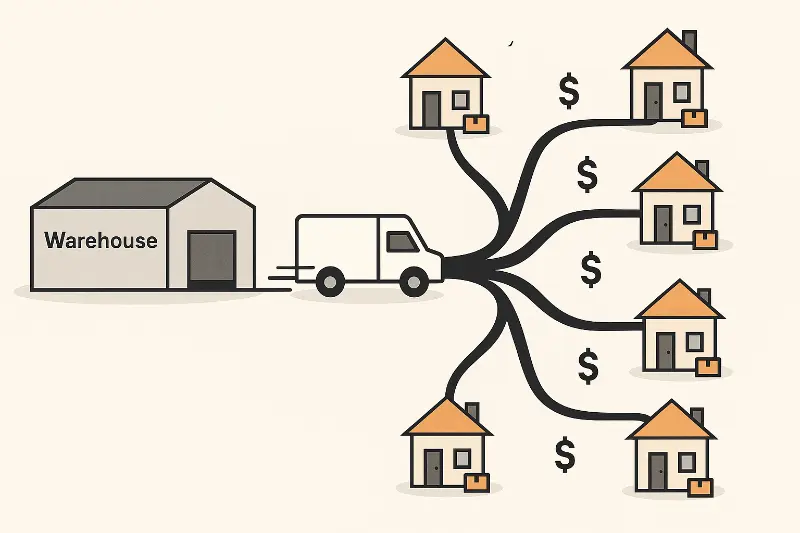
In this article
In years past, most parcel packages were shipped to warehouses and facilities in bulk, allowing sellers and parcel companies to achieve economies of scale. The greater volume delivered to the same or fewer destinations, the more cost savings could be achieved per package.
But today, growth in e-commerce continues to accelerate direct-to-household purchase volumes. Shipping to more individual locations has reduced distribution scale for sellers, increasing per-unit ecommerce order fulfillment costs.
Reducing these costs can go a long way towards sustaining the new status quo of faster shipping across more widely distributed destinations. Achieving this without passing on cost increases to customers through price hikes will likely require a sharper focus on leveraging data to optimize delivery networks. As use of algorithms and forecast accuracy increase, it will become easier to plan for weekly and seasonal volatility, choose optimal routes, appropriately utilize facilities and assets, and shift personnel around as needed to bring down the cost of last-mile delivery.
Written By:

Manish Chowdhary
Manish Chowdhary is the founder and CEO of Cahoot, the most comprehensive post-purchase suite for ecommerce brands. A serial entrepreneur and industry thought leader, Manish has decades of experience building technologies that simplify ecommerce logistics—from order fulfillment to returns. His insights help brands stay ahead of market shifts and operational challenges.
Turn Returns Into New Revenue
Related Articles
UCP Isn’t About Checkout. It’s About Who Gets to Understand Demand
Merchants are about to transact through AI agents without learning how the decision happened.
The End of Traditional Ecommerce Returns
PART I — THE PROBLEM Why Returns Didn’t Just Break — They Were Never Built for This Returns are ecommerce’s dirty secret: a billion-dollar bonfire that most brands prefer not to lo...
AI Search Optimization: How AEO and GEO Are Reshaping Ecommerce SEO
If your SEO strategy still revolves around exact-match keywords, you’re already behind.
Warehousing Services: How to Choose the Right Provider
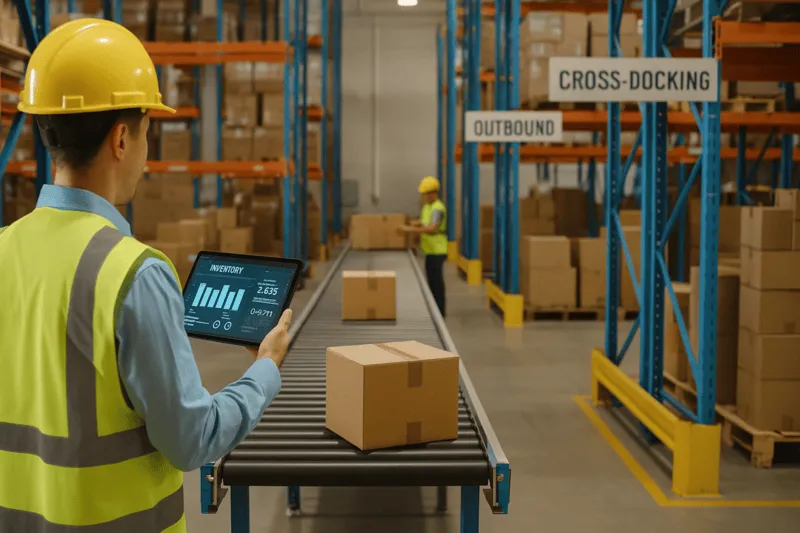
In this article
8 minutes
- Warehousing Isn’t Just Storage Anymore
- Types of Warehouses: Finding the Right Fit
- What You Should Really Look For
- Technology and Automation in Modern Warehousing
- Cold Storage, Cross Docking & Specialized Services
- Returns and Reverse Logistics: Managing the Flow Back
- How Cahoot Approaches Warehousing
- Wrapping It Up
- Frequently Asked Questions
When you oversee a nationwide warehouse network like I do, you get a front-row seat to what works, and what definitely doesn’t, in modern warehousing services. The right provider can deliver a competitive advantage by streamlining logistics and reducing costs.
I’ve spent years watching ecommerce brands scale up (or burn out) based on warehouse choices. The right warehousing solutions for ecommerce businesses can boost margins and CX. The wrong one? That’ll tank both.
So, how do you choose the right provider when every one of them promises to cut costs, improve service, and handle your inventory management? Choosing wisely is the smart way to optimize warehousing services for business growth.
Warehousing Isn’t Just Storage Anymore
Ten years ago, a warehouse space was just a place to store goods, serving as a storage facility within the supply chain. Today, it’s the beating heart of your supply chain.
Smart warehouses now offer:
- Real-time inventory tracking
- Warehouse automation
- Cross-docking services
- Fast order fulfillment
- Seamless reverse logistics
- Efficient order processing
A well-organized shipping dock is also crucial for ensuring smooth inbound and outbound logistics.
But not every provider can deliver all of this with consistency. I’ve seen too many 3PLs overpromise and underdeliver.
Types of Warehouses: Finding the Right Fit
When it comes to optimizing your supply chain, not all warehouses are created equal. The right warehousing solutions depend on your business model, inventory management needs, and growth plans. Here’s a quick breakdown of the most common types of warehouses and how they can help you maximize efficiency:
- Private Warehouses: Owned and operated by a single company, these facilities offer complete control over warehouse operations, inventory management, and security. They’re ideal for businesses with high-volume, consistent storage needs and a desire for tailored solutions.
- Public Warehouses: These storage spaces are shared among multiple businesses, making them a cost-effective option for companies looking to reduce warehousing costs. Public warehouses provide flexible storage space and shared resources, which are perfect for businesses with fluctuating inventory levels or seasonal spikes.
- Bonded Warehouses: Specializing in imported goods, bonded warehouses allow businesses to store imported dutiable merchandise under customs supervision before duties are paid or the goods are entered for U.S. consumption. This has become more relevant for importers after the U.S. reciprocal tariff actions and subsequent 2025 tariff modifications, which increased the importance of duty-deferral and customs-controlled storage strategies. This can help businesses manage cash flow and compliance while keeping inventory secure until duties are paid.
- Distribution Warehouses: Focused on aggregating stock from various suppliers, distribution warehouses streamline wholesale deliveries and help businesses improve efficiency in their supply chain.
- Fulfillment Warehouses (3PLs): Third-party logistics providers offer a full suite of services, including inventory management, order fulfillment, and shipping. These solutions are designed for businesses that want to outsource warehouse operations and focus on scaling their core business.
By understanding the strengths of each warehouse type, you can select the solution that best fits your warehousing needs, reduce costs, and deliver a higher level of customer satisfaction.
What You Should Really Look For
From my seat, the top-performing fulfillment centers I’ve worked with share a few traits. Choosing a reliable fulfillment partner is crucial for optimizing your storage solutions, reducing costs, and improving overall supply chain efficiency.
- Operational excellence: Processes are clean, predictable, and built for continuous improvement.
- Technology-driven: If they’re not offering a warehouse management system with visibility, move on. Make sure their systems and automation are implemented correctly to ensure seamless operations and maximum efficiency.
- Strategic warehouse locations: Coverage matters more than you think, especially for fast delivery.
- Value-added services: Think kitting, bundling, or returns processing. Reliable delivery is also a critical component of customer satisfaction.
- Transparent pricing: Avoid black-box pricing models. They always cost more.
Technology and Automation in Modern Warehousing
Modern warehousing is driven by technology and automation, transforming how businesses manage inventory, order fulfillment, and warehouse operations. Today’s smart warehouses leverage advanced warehouse management systems (WMS) to provide real-time inventory tracking and complete visibility across the supply chain. This means you can monitor inventory levels, storage space, and outbound orders from anywhere, at any time.
Warehouse automation, like robotic picking, automated conveyors, and AI-powered sorting, boosts operational excellence by reducing manual errors and labor costs. Proprietary systems, such as RyderShip and RyderShare, take it a step further by integrating real-time data, enabling businesses to make informed decisions and respond quickly to market changes.
Technologies like RFID, GPS, and IoT sensors offer real-time visibility into inventory movement and storage conditions, ensuring products are appropriately packed and stored. These innovations help businesses drive efficiencies, cut costs, and gain a competitive edge in a fast-moving market.
By embracing smart warehouses and advanced technology, businesses can optimize warehouse management, improve order fulfillment speed, and maintain complete control over their operations, no matter how complex their supply chain becomes.
Cold Storage, Cross Docking & Specialized Services
More and more brands I work with need cold storage, bonded warehouse options, or cross-dock facilities. For cold storage providers, regulatory readiness now matters more than ever: EPA restrictions for new cold storage warehouse refrigeration systems took effect starting January 1, 2026, and EPA later proposed a near-term adjustment that would raise the allowable GWP limit to 700 before a tighter step-down in 2032. Brands evaluating cold-chain partners should confirm refrigerant strategy, equipment compliance, and retrofit plans. But finding providers that can scale specialized services and still offer a competitive edge? That’s tough. In certain industries, there is also a need for dedicated storage of raw materials to support manufacturing and production processes.
This is why tailored solutions and shared resources matter. Especially if your brand has excess inventory or seasonal spikes, effective inventory control is crucial for maintaining accuracy and optimizing operations.
These specialized services not only improve efficiency but also play a key role in reducing costs for businesses.
Returns and Reverse Logistics: Managing the Flow Back
Returns and reverse logistics are no longer an afterthought; they’re a critical part of the modern supply chain. Efficient returns processing can make or break customer satisfaction, especially in ecommerce, where expectations for fast refunds and exchanges are high.
A leading provider of warehousing solutions will offer specialized services for reverse logistics, using advanced technology to streamline the flow of returned goods. Cross-docking services can minimize storage time by quickly sorting and redirecting returns, while distribution services ensure products are processed and restocked or disposed of efficiently.
By implementing robust reverse logistics systems, businesses can reduce warehousing costs, improve service levels, and gain valuable insights into product quality and customer preferences. This data-driven approach not only helps cut costs but also drives your business forward by identifying opportunities for continuous improvement.
Partnering with a provider that excels in returns management means you can maintain high customer satisfaction, optimize your supply chain management, and stay ahead in a competitive market.
How Cahoot Approaches Warehousing
At Cahoot, we operate an extensive network of fulfillment centers with high standards across every node. We’re not just brokering space. We govern how that space operates, with standard SOPs, system integrations, and SLA accountability.
Our warehousing approach includes:
- Advanced technology for tracking and routing
- Support for cold storage and specialty goods
- Strategic locations near key metro hubs
- Reliable service, even during peak season
- Flexible storage solutions for different business needs
I collaborate daily with our operators to ensure everything runs like a system, not a collection of parts. Cahoot provides comprehensive warehouse solutions to address diverse supply chain challenges.
Wrapping It Up
Choosing a warehousing provider is less about how many square feet they have and more about whether they can support your long-term business’s success.
It’s also crucial to select a provider that prioritizes the needs and satisfaction of your customers, ensuring their experience is seamless and positive.
Ask hard questions. Demand transparency. And choose a partner that helps you scale smart, not just fast.
Frequently Asked Questions
What are warehousing services, and how do they support ecommerce businesses?
Warehousing services include inventory storage, order fulfillment, returns processing, and value-added services like kitting or labeling, all essential for ecommerce scalability.
What’s the difference between a shared warehouse and a dedicated warehouse?
A shared warehouse serves multiple businesses using shared resources, while a dedicated warehouse is reserved for one client, offering more control but at a higher cost.
What are the most important features to look for in a warehousing partner?
Key features include real-time inventory tracking, automation, cross-docking capabilities, temperature control, and flexible storage options.
How do warehousing services help reduce costs?
By streamlining inventory management, improving order accuracy, and using strategically located warehouses, businesses can cut transportation and storage costs.
Why choose Cahoot for warehousing services?
Cahoot’s nationwide network of fulfillment centers offers advanced tech, real-time tracking, and flexible storage, all optimized to meet ecommerce warehousing needs efficiently.
Written By:
Jeremy Stewart
Jeremy Stewart leads customer success at Cahoot, helping merchants achieve high-performance logistics through smart technology and process optimization. With a background in both ecommerce operations and client services, Jeremy ensures that every merchant using Cahoot gets measurable results—whether they’re scaling from one warehouse to many or managing complex returns.
Turn Returns Into New Revenue
Related Articles
UCP Isn’t About Checkout. It’s About Who Gets to Understand Demand
Merchants are about to transact through AI agents without learning how the decision happened.
Cahoot vs ShipStation: Exploring ShipStation Alternatives
The Hidden Cost of Holding On to ShipStation If you’re using ShipStation in 2025, you’re not shipping smarter — you’re bleeding margin.
The End of Traditional Ecommerce Returns
PART I — THE PROBLEM Why Returns Didn’t Just Break — They Were Never Built for This Returns are ecommerce’s dirty secret: a billion-dollar bonfire that most brands prefer not to lo...
How To Value Your eCommerce Business: A Comprehensive Guide

In this article
15 minutes
- How to Value an E-Commerce Business
- SDE
- EBITDA
- What are Add-Backs?
- What About Inventory?
- Pricing Windows
- What Goes Into a Multiple?
- Growth Trends
- Business Age
- Owner Involvement
- Stability of Earnings
- Strength of your Supply Chain
- Diversity of SKUs
- Stability and Diversity of Traffic
- Protecting Your Products
- Reap the Rewards of Your Hard Work through an Accurate Valuation
Building an eCommerce business can be an exhilarating and lucrative journey. You’ve likely poured your heart and soul into growing your brand, meticulously selecting products, and building an efficient supply chain.
However, when it comes to putting a price tag on your business, it’s not just about the sweat and toil you’ve invested. There are many other factors that come into play.
Whether you’re thinking about selling soon or simply want an accurate gauge of your business’s performance, understanding how to value your business is crucial.
We’ve sold hundreds of eCommerce businesses on our marketplace, so we know a thing or two about accurate valuations.
In this article, we’ll share some of that knowledge with you, taking a closer look at the factors that play a pivotal role in the valuation process.
So, let’s explore the ins and outs of valuing your eCommerce business.
How to Value an E-Commerce Business
While you likely already have a figure in mind when it comes to how much your business is worth, accurately valuing an eCommerce business hinges on important, measurable factors instead of gut feel.
While many factors play a role in valuations, the actual valuation formula is surprisingly simple.
Average Net Profit X Multiple = Valuation
As you can see, your net profit plays an important role in your valuation. This is because, for the most part, the more money a business makes, the more it is worth.
When calculating your net profit, it’s best to use a rolling 12-month average to account for any fluctuations in earnings or any seasonality the business experiences.
There’s more that goes into a valuation that we’ll discuss later on, but first, let’s take a closer look at the two most common methods used to calculate net profit.
SDE
The first and most commonly used method is called seller discretionary earnings (SDE).
The idea here is to level the playing field by removing the current owner of the business from the equation. This allows for easier comparisons between different businesses, as it standardizes the earnings calculation by eliminating owner-specific variables.
To figure out SDE, you start with the business’s profit. Then, you add back the money the owner pays themselves, as well as any special benefits they get from the business (like health insurance).
One-time or non-recurring expenses are added back too, as they won’t affect a new owner. Non-cash expenses like interest, taxes, and depreciation are also added back, along with any other discretionary expenses.
SDE is the most common valuation method and most suitable for businesses up to around $5 million in annual revenue.
When businesses earn over this amount, they usually have a more complex structure in terms of a hierarchy of staff, as well as multiple stakeholders. This is where the EBITDA model comes in.
EBITDA
The Earnings Before Interest, Taxes, Depreciation, and Amortization (EBITDA) method uses a similar approach to SDE but acknowledges that larger businesses aren’t owner-operated in the same way.
When businesses scale up and get more complex, they often have a whole hierarchy of staff and multiple stakeholders. Therefore, unlike SDE, EBITDA won’t add back salaries for managers and employees, considering them necessary operational costs.
While EBITDA is a powerful tool, we won’t dive too deeply into it here, as it’s typically more relevant to larger enterprises and is unlikely to apply to many business owners reading this.
Nevertheless, understanding these two methods allows you to choose the right tool for the right job when it comes to assessing the value of your business. So whether you’re running a small Amazon FBA business or a bustling eCommerce empire, there’s a valuation method tailored to your unique circumstances.
What are Add-Backs?
Add-backs are costs that a new owner doesn’t need to incur to keep the business running. These expenses can also include one-time costs that won’t recur.
For instance, if you run an Amazon FBA business, the associated Amazon fees are considered a necessary operating expense. On the other hand, expenses related to a home office are not essential because eCommerce businesses can typically be managed remotely.
Therefore, a new owner wouldn’t need to continue the home office expense. This is why a home office is considered an acceptable add-back, while Amazon fees are not.
Some other examples of add-backs may include:
- Trademark expenses
- Personal travel costs
- A one-time website redesign
- Co-working space fees
- Subscription fees to industry newsletters and communities
It’s important to note that there can be some ambiguity regarding what qualifies as an add-back, and there might be disagreements between the broker, buyer, and seller.
Generally, eCommerce store add-backs tend to be relatively small compared to the overall earnings of the business. Therefore, if certain costs are not added back in, they usually won’t have a significant impact on the final valuation.
In case there’s uncertainty or disagreement about an add-back, it’s crucial to ensure that it’s clearly documented in the profit and loss (P&L) statement. This transparency allows potential buyers to analyze the add-back as part of their due diligence process, helping them make informed decisions about the business.
What About Inventory?
When it comes to determining the value of an eCommerce business, inventory is normally excluded from the calculation.
Inventory only becomes significant when your store has recently faced stock shortages or foresees upcoming supply chain or manufacturing difficulties.
The reason behind this exclusion is that if the buyer can’t sell the inventory, it loses its value. Moreover, perishable goods may, well, perish if they can’t be sold quickly.
For these reasons, inventory is typically treated as an additional cost for the buyer, based on the product’s landed cost. This approach ensures fairness for both the seller and the buyer.
At Empire Flippers, we don’t charge a commission on the inventory’s cost, but it’s worth noting that some business brokers do. It’s crucial to consider what happens to inventory when selecting a broker for selling your business.
Pricing Windows
Referring back to the valuation formula, we mentioned that it’s best to use a rolling 12-month average in your calculation. This is known as a pricing window.
It’s essentially the length of time we calculate the profits over. The length of the pricing window can fluctuate to best reflect the current state of the business.
A 12-month pricing window is the most desirable option as it presents the most accurate representation of the business as a whole, rather than only capturing a sharp period of growth or decline.
For example, if you sell jet skis, you likely experience a slump in sales over the winter months, and then an increase in summer, with a larger boost over the summer holidays. A 12-month pricing window will accurately reflect these ups and downs.
Since a 12-month window gives the most accurate reflection of the business’s health, it makes the business more desirable to buyers.
That said, there are some instances where you may want to use a shorter pricing window.
This is most common in businesses that have experienced rapid growth or steep decline. It may have taken a hit from a Google algorithm update and declined as a result, or it could be experiencing an acceleration of demand. In these cases, the current state of the business may be drastically different compared to 6 months ago.
A shorter pricing window can also benefit fledgling businesses where the initial months were primarily about getting the business off the ground. During this early phase, revenue tends to surge, and the most recent six months better depict the business’s present state.
A shorter pricing window reflects a level of uncertainty and instability and therefore results in a lower multiple and smaller pool of buyers.
Speaking of multiples, let’s take a closer look at what goes into this crucial part of the valuation formula.
What Goes Into a Multiple?
The multiple is essentially a representation of the strength, stability, and potential of your business. In other words, all of the other things buyers care about over and above profitability.
Almost all aspects of your business will be considered when determining a multiple.
Here are some of the main considerations that will be taken into account when valuing an eCommerce business.
Growth Trends
The direction your business is heading is one of the first things buyers scrutinize when assessing whether your business is the right fit for them.
Clearly, upward growth is more enticing than the opposite, and it often leads to a higher valuation for your store.
Yet, it’s not just about whether you’re growing; the rate of growth matters too.
While hyper-growth is exciting, most buyers prefer a sustainable eCommerce store. Rapid expansion can be unpredictable, leaving buyers wondering where it will plateau. Scaling aggressively can also come with inefficiencies, which buyers will investigate during due diligence.
At the end of the day, businesses that can demonstrate stable, healthy growth trends will attract the largest pool of buyers.
But if your business doesn’t fall into this category, don’t let that deter you from putting your business on the market. While most buyers look for growing businesses, others seek businesses with untapped potential in processes or marketing channels, recognizing room for improvement.
Even declining businesses can find buyers, though the severity of the decline will affect the valuation. These businesses generally command lower multiples due to the reduced buyer interest.
Business Age
A business is typically judged on its track record, with buyers assessing the consistency of its profitability and performance over time.
While many businesses experience rapid or gradual growth over a short period, one that consistently earns over several years proves its stability.
It also takes time for a business to establish itself within a niche. A long-standing business showing steady growth has likely secured a position as a leader in its specific market segment.
Therefore, businesses with a longer track record typically receive higher valuations.
A business with less than a year of profitability is considered young, lacking sufficient data to demonstrate market staying power.
Once a business crosses the two-year mark, it likely finds its footing, catching the attention of more buyers. For those with three or more years of profitability, they’ve not only proved their worth but can often command a higher multiple.
Owner Involvement
For the most part, buyers are looking for an investment, an opportunity that will get them one step closer to financial freedom. They are not looking for a full-time job that requires them to work tirelessly after investing thousands of dollars.
While it can be challenging to entrust others with your hard-built store, excessive owner involvement can deter potential buyers.
Ideally, spending around five to ten hours a week on your business is acceptable, but beyond that, it may adversely impact the valuation multiple.
Fortunately, many eCommerce tasks can be outsourced, such as order fulfillment and customer service, often without the need for full-time employees. Implementing standard operating procedures (SOPs) simplifies task delegation and can be valuable during the sale process, helping buyers understand your operations.
Before selling, communicate with freelancers you’ve employed to ensure their willingness to collaborate with the new owner. Transferring your team streamlines the transition and enhances your business’s appeal.
Put simply, the key to making your business more marketable and scalable is to make yourself redundant.
Stability of Earnings
Buyers are on the hunt for a healthy business that promises a solid return on their investment. This makes the stability of your earnings a key concern.
Steady earnings indicate that your business operates on optimized processes, you have a reliable supply chain, and an established customer base.
Unstable earnings, on the other hand, may point to underlying issues within the business, such as inventory mismanagement or a lack of product-market fit.
Stability in your earnings also indicates that your business has built-in defensibility to help it ride out natural fluctuation in the market.
At the end of the day, buyers are looking for an income they can rely on, regardless of changing trends or economic conditions.
Strength of your Supply Chain
Your supply chain forms the very backbone of your eCommerce store, with the success of your business hinging on how products are manufactured and delivered to your customers.
To fortify your supply chain, consider sourcing from at least two different manufacturers, ideally from different countries. This strategic move provides flexibility, allowing you to pivot quickly to avoid unexpected delays, as demonstrated during the global pandemic’s restrictions.
Outsourcing fulfillment is equally crucial. Handling inventory in-house can complicate the sale of your business. Remember, the majority of buyers are looking for a streamlined, turnkey business. They don’t want the complication of managing fulfillment and storage over and above running the business.
Consider hiring a third-party logistics (3PL) provider. These specialists manage inventory and ensure timely customer delivery.
Formalize agreements with manufacturers and fulfillment providers whenever possible. Buyers will value transferable deals, especially if you’ve negotiated advantageous rates. Contracts can serve as valuable assets for your business.
Diversity of SKUs
Buyers will also pay close attention to the diversity of your product offerings.
Having a variety of different products prevents the business from relying solely on one item. You’re essentially ensuring that all your eggs aren’t in one basket.
If one product faces a drop in popularity, gets delisted on platforms like Amazon, or falls out of favor due to new laws or regulations, your business can still thrive thanks to the revenue generated by your other products.
All of this works towards protecting the buyer’s return on investment once they take over the business.
Stability and Diversity of Traffic
Much like with your earnings, buyers are looking for stability when it comes to traffic growth. Buyers will want to dig deeper into any sudden spikes or dips in traffic to understand the underlying reasons behind these fluctuations.
Buyers and business brokers will also need an easy way to view your traffic data, so it’s a good idea to have an analytics platform like Google Analytics or Clicky installed on your website. To protect any sensitive data, make sure you give buyers read-only access.
This will allow buyers to look at data like:
- The geographic sources of your traffic
- Top-performing website pages by traffic percentage
- The bounce rate.
These details provide valuable insights into what’s working effectively and where potential opportunities lie.
Traffic channels that drive revenue are another area where diversification is key. While most eCommerce businesses use paid advertising to attract customers, pairing this with organic traffic from search engine optimization (SEO) is particularly attractive.
Unlike paid ads, SEO requires minimal ongoing investment once it’s established. Having a strong social media following and a robust email list are also great ways to diversify your traffic.
Protecting Your Products
Trademarks are another factor that speaks to the longevity of your business.
A buyer doesn’t want to purchase the business only to have a competitor undercut the business by selling the same products.
Trademarking your products shields your brand identity and reputation from copycats and counterfeit products, reassuring buyers and reducing the risk of competition dilution.
If you sell on Amazon, registering your brand as part of Amazon’s Brand Registry adds yet another layer of defensibility to your business.
Reap the Rewards of Your Hard Work through an Accurate Valuation
Knowledge really is power. When it comes to making a life-changing decision like selling your eCommerce business, you’ll want all the power you can get.
Knowing how to value your business empowers you to make informed choices.
This knowledge means you won’t go into a sale blind. You’ll be armed with the information you need to confidently negotiate with buyers and avoid falling for lowball offers.
Understanding the metrics and factors that play a role in valuations also gives you a checklist to work from in order to increase the value of your business and make it more attractive to buyers.
As you can see from this article, valuing an eCommerce business is a complex and nuanced process. But don’t let that stop you. If you’re not a numbers person or simply don’t have the time to do in-depth calculations, you can use our free valuation tool to get an idea of how much your business is worth.
Discovering the true value of your eCommerce business gets you one step closer to a profitable exit!

Lauren Buchanan, Empire Flippers
Turn Returns Into New Revenue
Related Articles
UCP Isn’t About Checkout. It’s About Who Gets to Understand Demand
Merchants are about to transact through AI agents without learning how the decision happened.
The End of Traditional Ecommerce Returns
PART I — THE PROBLEM Why Returns Didn’t Just Break — They Were Never Built for This Returns are ecommerce’s dirty secret: a billion-dollar bonfire that most brands prefer not to lo...
AI Search Optimization: How AEO and GEO Are Reshaping Ecommerce SEO
If your SEO strategy still revolves around exact-match keywords, you’re already behind.