
How to Choose the Best Walmart 3PL
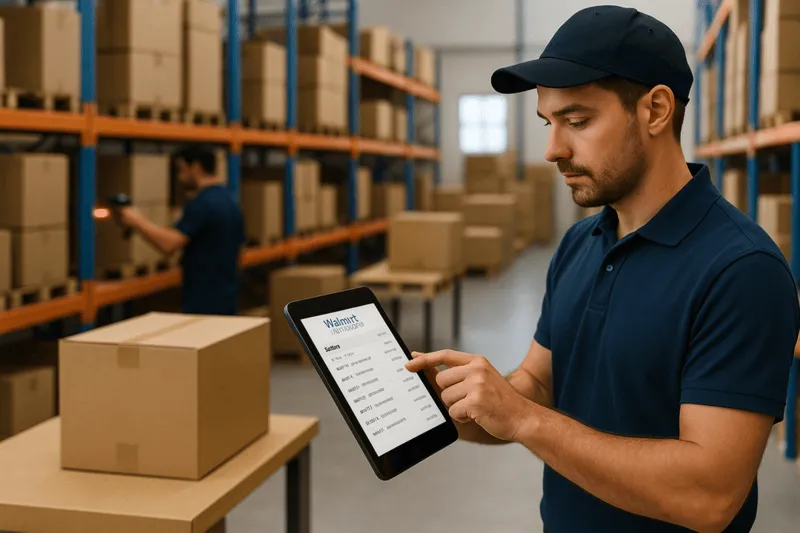
I’ve spent the past eight years helping ecommerce businesses grow, ship faster, and adapt to Walmart’s ever-changing fulfillment demands. I work hand-in-hand with warehouse operators and 3PL partners every day. And if there’s one thing I’ve learned, it’s this: not all 3PLs are built to handle Walmart. The right Walmart 3PL should align with your business model and support your long-term goals for growth and efficiency.
So let’s break down how to choose the best Walmart 3PL, whether you’re evaluating Walmart Fulfillment Services (WFS), looking to optimize order fulfillment, or just want to avoid hidden costs that quietly eat your margins. Remember, your choice of fulfillment partner can directly impact your business’s success on the Walmart platform, affecting everything from delivery speed to customer satisfaction.
Let’s dive into what matters most when finding the best fulfillment partner for your needs.
What Makes Walmart Fulfillment So Different?
Walmart’s ecommerce ecosystem isn’t plug-and-play like Amazon’s FBA. Their fulfillment process is strict, yet flexible, if you know what you’re doing. Sellers need to meet exact fulfillment requirements, comply with shipping speed standards, and deliver a seamless customer experience that rivals their physical stores.
That’s where a solid 3PL comes in.
But what you really need is one that understands the nuances of Walmart Marketplace, offers real-time inventory tracking, and doesn’t vanish when something goes wrong. It’s crucial to choose a 3PL that can seamlessly integrate with Walmart’s systems and your ecommerce platform for efficient operations.
WFS vs. Walmart-Compatible 3PLs
Walmart Fulfillment Services (WFS) is one of Walmart’s primary fulfillment options, alongside seller fulfillment through another B2C U.S. warehouse with returns capability. It’s streamlined and deeply integrated. But WFS doesn’t work for every ecommerce seller. In these cases, outsourcing fulfillment to a third-party logistics provider (3PL) can address specific business and fulfillment needs, offering greater flexibility and control.
Why? Because you give up control—over your inventory management, your branding, and sometimes even your pricing flexibility.
A great 3PL, on the other hand, gives you:
- Multi-channel fulfillment
- Fulfillment solutions tailored to your unique needs, ensuring compliance and efficiency
- Flexible shipping options beyond WFS’s constraints
- Lower fulfillment fees (in many cases)
- More control over packaging materials and branding
Many of the sellers I’ve worked with start with WFS, but graduate to a more customized 3PL when their business outgrows the box. As your business evolves, matching different fulfillment solutions to your changing needs drives optimal growth.
Key Factors to Consider
If you’re serious about choosing the right fulfillment partner, here’s what to prioritize:
- Walmart compliance: Can your 3PL fulfill Walmart orders on time and according to spec?
- Fulfillment operations: Do they support fast delivery, accurate order processing, and smooth returns? Look for reliable fulfillment and ensure orders are processed efficiently to meet Walmart’s strict standards.
- Order tracking & shipping carriers: Does the 3PL offer real-time order tracking and integrate with major shipping carriers to provide timely updates and enhance transparency and customer satisfaction?
- Cost savings: Watch out for hidden fees and opaque pricing. Ask for transparency, and consider how shipping rates and weight affect costs.
- Peak season readiness: Can they scale with your volume during Q4 and beyond?
- Technology stack: Are they using order management systems that give you visibility and control?
A strong 3PL partner should also provide value-added services such as custom packaging or kitting, backed by deep supply chain expertise.
I’ve seen sellers burn through 3PLs simply because they didn’t ask the right questions early on. The best ones feel more like partners than vendors, supporting your growth every step of the way.
Inventory Management for Walmart Sellers
Inventory management is the backbone of any successful ecommerce business, and for Walmart sellers it’s even more critical. With customer expectations for fast delivery and reliable service at an all-time high, having the right products in the right place at the right time can make or break your Walmart Marketplace performance.
To stay ahead, Walmart sellers should invest in advanced technology solutions—real-time tracking and robust order management systems that integrate with your ecommerce platform and 3PL.
Outsourcing inventory management to a reliable 3PL unlocks cost savings and efficiency. A trusted partner handles everything from receipt and storage to shipping and returns, freeing your team to focus on customer engagement and growing your business.
Implement best practices like just-in-time replenishment, demand forecasting, and regular audits to fine-tune stock levels, reduce waste, and stay ready to fulfill Walmart orders at a moment’s notice.
In today’s competitive marketplace, effective inventory management is a must for Walmart sellers seeking high customer satisfaction, competitive pricing, and scalable growth.
Cahoot: A Walmart 3PL Built for Marketplace Sellers
Our network is built with Walmart sellers in mind. We help clients meet aggressive same-day shipping SLAs, reduce shipping costs, and avoid chargebacks due to fulfillment mistakes.
Here’s what sets Cahoot apart:
- Walmart-optimized workflows and shipping logic
- Strategically located nationwide fulfillment centers to ensure fast, accurate order processing, and support Walmart’s performance requirements.
- Integrated order routing across channels
- Full transparency with real-time tracking
- Ability to provide temperature control for perishable goods, ensuring compliance with Walmart’s standards
We’re not just managing shipments, we’re helping brands run leaner, faster, and more profitably inside the Walmart ecosystem.
Cahoot’s fulfillment centers are designed to meet Walmart’s requirements for shipping, labeling, and inventory management. Our customer service team efficiently handles inquiries, including order tracking and returns, to enhance the overall customer experience.
Final Thoughts
Choosing a Walmart 3PL isn’t about picking the biggest name—it’s about aligning your operations with a partner that understands Walmart’s expectations and your growth goals.
If you want a 3PL provider that actively improves your margins, Cahoot’s worth a look.
Frequently Asked Questions
What is a Walmart 3PL and how is it different from Walmart Fulfillment Services (WFS)?
A Walmart 3PL is a third-party logistics provider that helps Marketplace sellers fulfill orders outside of WFS. Unlike WFS, you retain control over inventory, branding, and pricing.
Does Walmart allow sellers to use their own fulfillment partners?
Yes. While Walmart promotes WFS, third-party sellers can use their own 3PLs as long as they meet Walmart’s fulfillment and shipping performance standards.
What are the benefits of using a Walmart 3PL over WFS?
Benefits include more flexible pricing, better control of multi-channel inventory, branded packaging, and scalable peak-season capacity.
How does a Walmart 3PL impact customer satisfaction and shipping speed?
The right 3PL boosts speed and accuracy by reducing processing delays, leading to better reviews and fewer complaints.
How can Cahoot help with Walmart fulfillment?
Cahoot offers Walmart-compliant 3PL services with fast shipping, nationwide coverage, and cost-effective rates, supporting both WFS-alternative and hybrid models.
Written By:

Jeremy Stewart
Jeremy Stewart leads customer success at Cahoot, helping merchants achieve high-performance logistics through smart technology and process optimization. With a background in both ecommerce operations and client services, Jeremy ensures that every merchant using Cahoot gets measurable results—whether they’re scaling from one warehouse to many or managing complex returns.

Turn Returns Into New Revenue
Related Articles

UCP Isn’t About Checkout. It’s About Who Gets to Understand Demand
Merchants are about to transact through AI agents without learning how the decision happened.
The End of Traditional Ecommerce Returns
PART I — THE PROBLEM Why Returns Didn’t Just Break — They Were Never Built for This Returns are ecommerce’s dirty secret: a billion-dollar bonfire that most brands prefer not to lo...

AI Search Optimization: How AEO and GEO Are Reshaping Ecommerce SEO
If your SEO strategy still revolves around exact-match keywords, you’re already behind.
What Is Dunnage: Types, Uses, and Benefits

In this article
 13 minutes
- Key Takeaways
- Defining Dunnage
- Types of Dunnage Materials
- Benefits of Using Dunnage
- Choosing the Right Dunnage
- Regulatory Compliance & Safety Standards
- Reusable Dunnage Options
- Improving Shipping Efficiency with Dunnage
- Tracking Dunnage Inventory
- Cost-Effective Dunnage Strategies
- The Future of Dunnage in Logistics
- Summary
- Frequently Asked Questions
Dunnage refers to materials used to protect goods during shipping by filling empty spaces and preventing movement. In this article, we will explore what dunnage is, as well as various types such as bubble wrap, wood, and foam, their uses, and the benefits of using dunnage for safe transportation.
Key Takeaways
- Dunnage is essential for protecting goods during shipping, preventing damage by filling voids and absorbing shocks.
- There are various types of dunnage materials, including bubble wrap, wood, and air pillows, each suited for different shipping needs.
- Investing in proper dunnage not only minimizes damages and returns but can also improve shipping efficiency and compliance with regulations.
Defining Dunnage
Dunnage refers to any robust material utilized in shipping. It serves to safeguard goods from damage. Its primary role is to fill empty spaces within packaging, preventing items from shifting and sustaining damage during transport. This can include anything from preventing scratches and dents to absorbing shocks and vibrations that occur during transit. Choosing the correct amount of dunnage helps businesses significantly reduce returns caused by damages, ensuring products arrive in perfect condition.
Dunnage is not just about protecting individual products; it also plays a crucial role in the overall safety and efficiency of shipping operations. Proper dunnage and steel dunnage ensure the well-being of individuals handling the shipments and maintain the integrity of the cargo protection, including crisscrossed dunnage and floor dunnage.
Whether you’re shipping fragile items that require more material or heavy goods that need structural support, understanding the various types of dunnage materials and fragile materials available can help you make informed decisions.
Types of Dunnage Materials
Dunnage materials come in various forms, each with unique characteristics suited for specific shipping needs. Common dunnage materials include:
- Bubble wrap
- Solid plastics
- Air pillows
- Wood
- Foam
- Paper-based materials
Knowing these materials helps in selecting the appropriate type of dunnage, providing optimal protection and efficiency during transit.
Bubble Wrap
Still one of the most common forms of protective dunnage, bubble wrap is a versatile packing material primarily used for shock absorption, making it ideal for protecting fragile items like glass and ceramics during shipping. It’s great for wrapping individual items, though traditional bubble wrap can generate static, so avoid it for electronics. Its popularity stems from its reliability and durability; however, it is not biodegradable, and burst bubbles can lose their protective ability over long hauls.
Even with these drawbacks, bubble wrap continues to be a preferred choice for many shippers because of its effectiveness in filling packaging gaps and protecting delicate items.
Solid Plastics
Solid plastic dunnage, often made from high-density polyethylene, is used for high-value industrial shipping due to its robustness and durability. This type of dunnage is particularly effective for protecting heavy and expensive items such as electronics, glass, and ceramics. Its moisture-blocking capabilities and ability to absorb spills further enhance its protective qualities.
Although solid plastics can be pricier, their durability makes them a valuable investment for high-value shipments.
Air Pillows
Air pillows are lightweight, air-filled plastic bags that:
- Provide cushioning and protection during shipping
- Serve as an efficient gap filler (especially in relatively snug boxes)
- Keep items stationary
- Absorb shocks during transport
Air pillows provide a cheap and reusable packaging solution, though they can lose effectiveness if they pop during transit. Their lightweight nature and low cost still make them popular for less fragile items, but they collapse under pressure, so don’t use them for heavy or sharp objects.
Wood Dunnage
Wood dunnage is commonly used for transporting large machinery and appliances. It is also suitable for electronics. It serves as a barrier between heavy goods, preventing damage and stabilizing items within shipping containers. Wooden pallets, considered a form of wood dunnage, provide a sturdy base for large, heavy products like construction materials. Wood is an affordable and ethically sourced material, making it a sustainable choice for dunnage.
For international shipments, wood packaging material, including dunnage, must comply with ISPM 15 approved treatments and carry the official mark; compliance reduces pest risk, but it does not guarantee the material is pest-free.
Despite the need for treatment, wood’s reusability and structural integrity make it a reliable choice for heavy-duty dunnage applications.
Foam Dunnage

When you’re shipping fragile or high-value items, foam is your best friend. Foam dunnage is ideal for protecting delicate items such as electronics, glassware, and medical equipment during transit. Die-cut foam inserts prevent movement, absorb shock, and give off a high-end feel. It comes in two primary types: open-cell foam, which is excellent for cushioning, and closed-cell foam, which offers better moisture and chemical resistance.
Although foam dunnage can be recycled and reused, it is generally less eco-friendly compared to materials like kraft paper. Its lightweight and customizable nature still makes it suitable for various applications.
Molded Pulp or Paper Pulp Inserts
These are becoming increasingly popular as a sustainable alternative to foam. They’re sturdy, biodegradable, and great for consistent SKUs (e.g. candles, skincare jars).
Anti-Static Dunnage for Electronics
If you’re shipping semiconductors, electronics, or components, this is non-negotiable, as it prevents electrostatic discharge (ESD) damage during transport. Often made from foam or plastic treated with anti-static agents, this specialized dunnage ensures that sensitive electronic components remain safe from static electricity, which can cause significant damage if not properly managed.
Paper-Based Dunnage Materials
Paper-based dunnage, made from kraft or recycled paper, is the workhorse of eco-conscious brands. It’s versatile and recyclable, making it an eco-friendly and cost-effective cushioning material designed to fill voids in shipping boxes. Bonus: it makes unboxing feel more natural and “premium” for certain audiences.
Kraft paper is known for its strong tear resistance and cushioning capabilities, making it a popular choice for many shippers. Corrugated paper offers exceptional strength for heavy items while maintaining eco-friendly properties, addressing the growing customer demand for sustainable packaging solutions. It’s ideal for multi-unit shipments or bundled SKUs, as it prevents items from bumping into each other, and can be custom-fitted to boxes for maximum efficiency.
This type of dunnage is biodegradable and recyclable, making it a more sustainable option compared to plastic dunnage. Additionally, paper dunnage often costs less than plastic alternatives while providing comparable protection. Shredded paper, cardboard, or fill, is another paper-based option, serving as a recyclable alternative to packing peanuts and offering effective cushioning for lightweight products. Often used in boutique and gifting brands, it creates a luxurious feel, supports oddly shaped items, and keeps products stable. But beware: it can be messy and increase packaging time.
Custom Dunnage Solutions
Custom dunnage is key for shipping fragile or irregularly shaped items needing specific packaging dimensions. These tailored solutions protect valuable products by providing a perfect fit, ensuring better protection and stability during transit. Custom dunnage can be made from various materials, including foam, plastics, and metals, offering flexibility based on product needs.
Customization techniques, such as CNC cutting and molding, allow for the creation of dunnage that perfectly fits irregularly shaped products with very specific dimensions. Collaboration with dunnage providers can lead to uniquely tailored packaging solutions that enhance the protection of specific cargo.
While custom dunnage is often more expensive due to its bespoke nature, it is a worthwhile investment for businesses shipping high-value, fragile items.
Benefits of Using Dunnage
Dunnage materials play a critical role in securing shipments and keeping items stable during transportation, thereby minimizing the risk of movement that can lead to damage. Investing in proper dunnage helps businesses prevent costly replacements due to damaged goods, ensuring shipments arrive safely and intact.
The benefits of using dunnage include damage protection, moisture protection, and shock absorption, all of which contribute to the safe delivery of products.
Damage Protection
Dunnage plays a crucial role in absorbing shocks and vibrations, significantly reducing the risk of damage to goods. Proper use of dunnage can prevent fragile items such as delicate electronics and ornate glassware from being damaged during transport. Air pillows and dunnage bags are commonly used for filling voids and absorbing shock, ensuring the protection of sensitive items.
This not only enhances shipping safety but also minimizes shipping costs by reducing the likelihood of damage.
Moisture Protection
Moisture-resistant dunnage is essential for protecting products during transit, as moisture can cause significant damage. Certain dunnage types are designed to protect cargo from environmental factors, maintaining product integrity to protect goods.
For example, airbags not only protect against physical impacts but also help create barriers, maintaining moisture barriers and preventing damage from spills or humidity.
Shock Absorption
Effective dunnage materials, such as airbags and air pillows, provide excellent shock absorption properties, protecting delicate items during transit. Dunnage plays a crucial role in reducing the risk of damage caused by impacts during handling, ensuring that goods can absorb shock and be delivered safely and without damage.
Choosing the Right Dunnage
Selecting the right dunnage involves assessing the characteristics of the cargo, such as its fragility, weight, and shape. Businesses need to consider the types of products being shipped, the shipping methods used, and the specific packing options available. For example, wood is favored for its strength and versatility but may require additional protective measures for moisture-sensitive cargo. Custom dunnage solutions can be created to meet unique needs, ensuring enhanced protection and stability for specific cargo.
Regulatory compliance is also crucial when choosing dunnage, as various cargo types may have specific safety and legal requirements. Careful evaluation of these factors enables businesses to select the right dunnage materials, offering the best protection and regulatory compliance.
Regulatory Compliance & Safety Standards
The Packaging and Packaging Waste Regulation 2025/40 entered into force on 11 February 2025 and will generally apply from 12 August 2026, so packaging material choices now carry clearer EU-wide reuse and recyclability implications.
The revised Waste Framework Directive entered into force on 16 October 2025 and requires every EU Member State to establish its own extended producer responsibility scheme for textile and footwear products.
Adhering to regulatory standards ensures the safe and legal transportation of goods. For example, ISPM-15 regulations require that wood dunnage used in international shipping be heat-treated and stamped to prevent the transfer of pests. For road transport, cargo securement is governed by FMCSA rules that require cargo to be firmly immobilized or secured on or within a vehicle with structures of adequate strength, dunnage, dunnage bags, shoring bars, tiedowns, or a combination of these.
Eco-label certifications can also play a significant role in demonstrating a commitment to sustainability. By adhering to these standards, businesses can ensure that their shipping practices are both safe and environmentally responsible.
Reusable Dunnage Options
Reusable dunnage options are not only environmentally sustainable but can also reduce long-term costs for businesses. Examples include:
- Wood dunnage, a renewable resource that can be reused multiple times.
- Foam dunnage, particularly types like expanded polypropylene (EPP), which is recyclable and supports eco-friendly packaging.
- Partnering with vendors who offer take-back programs or biodegradable materials to further enhance sustainability efforts.
Proper disposal or recycling of dunnage materials minimizes environmental impact. Implementing reuse practices and partnering with sustainable vendors helps businesses manage dunnage waste and packaging waste effectively, contributing to a greener shipping industry through the use of recycled materials.
Improving Shipping Efficiency with Dunnage
Dunnage streamlines the shipping process by optimizing shipping container space and reducing shipping costs. Materials like kraft paper and packing materials are cost-effective and ensure items arrive safely by minimizing in-transit movement. Air pillows provide cushioning for fragile items, further enhancing shipping efficiency. Businesses can also use dunnage to effectively ship products while maintaining safety.
Effective inventory management systems allow for real-time tracking of dunnage materials, ensuring their availability and location are continuously updated. Utilizing technology-driven solutions enhances decision-making in dunnage management by providing visibility into stock levels and usage patterns, ultimately improving overall shipping efficiency.
Tracking Dunnage Inventory
Tracking dunnage inventory is essential for maintaining adequate stock levels and avoiding supply shortages. An inventory management system allows businesses to monitor stock levels, usage rates, and reorder points, ensuring they have the necessary materials on hand when needed. Monitoring usage rates helps businesses understand how quickly dunnage is consumed, allowing for timely reorders.
Implementing best practices can enhance dunnage inventory management, including:
- Conducting regular audits
- Utilizing automated alerts
- Maintaining accurate records
- Setting reorder points based on usage rates
These practices allow businesses to effectively manage dunnage supplies and prevent waste.
Cost-Effective Dunnage Strategies
Cost-effective dunnage strategies balance quality and cost, allowing businesses to protect products during shipping without significantly raising overall shipping costs. Some cost-effective dunnage materials include kraft paper and corrugated paper, known for their protective qualities and affordability. Using lightweight dunnage materials can also reduce shipping expenses while still providing adequate protection.
To improve dunnage usage and shipping efficiency, consider the following strategies:
- Choose appropriately sized packaging for products to minimize dunnage waste and shipping costs.
- Utilize a digital logistics platform to optimize dunnage usage and enhance overall shipping efficiency.
- Maintain accurate records of dunnage inventory.
- Use data analytics to forecast future dunnage needs, allowing better planning and resource allocation to improve cost efficiency.
The Future of Dunnage in Logistics
The future of dunnage in logistics lies in technology-driven optimization. AI-based dunnage optimization tools and 3D scanning for box size and void fill prediction are already transforming the industry. These technologies allow for more precise and efficient use of dunnage materials, reducing waste and improving protection for shipped goods.
Integrating dunnage planning into Warehouse Management Systems (WMS) or Transportation Management Systems (TMS) can further enhance shipping efficiency. As the shipping industry continues to evolve, the intelligent use of automation and optimization techniques will play a critical role in achieving faster fulfillment and reduced labor costs.
Summary
Understanding and utilizing the right dunnage materials is essential for ensuring the safe and efficient transportation of goods. From bubble wrap to custom solutions, each type of dunnage offers unique benefits and applications. By choosing the appropriate dunnage, businesses can protect their products from damage, moisture, and shocks, ultimately reducing costs and improving customer satisfaction.
As the logistics industry continues to innovate, the future of dunnage will be shaped by technological advancements and a growing emphasis on sustainability. By staying informed about the latest developments and best practices, businesses can optimize their shipping processes and contribute to a more sustainable and efficient future. So, make the smart choice, invest in proper dunnage, and watch your shipping operations thrive.
Frequently Asked Questions
What is dunnage?
Dunnage is the protective material used in shipping to fill empty spaces and prevent damage to goods by absorbing shocks and vibrations. It’s essential for keeping your items safe during transit!
What are some common types of dunnage materials?
You’ve got several options for dunnage materials, like bubble wrap, foam, wood, and air pillows. Each one helps protect your items during shipping and handling.
Why is regulatory compliance important for dunnage?
Regulatory compliance is important for dunnage because it guarantees the safe and legal transport of goods while meeting specific standards like ISPM-15 for wood materials. This not only protects your shipments but also helps avoid potential legal issues.
How can businesses track their dunnage inventory?
To effectively track dunnage inventory, businesses should utilize an inventory management system that keeps tabs on stock levels and usage rates. This way, they can always ensure they have the right materials available when needed.
What are the benefits of using reusable dunnage?
Using reusable dunnage is a smart choice because it’s environmentally friendly and can save your business money in the long run. Plus, with options like wood and foam dunnage, you’re supporting sustainability while cutting costs.
Written By:
Jeremy Stewart
Jeremy Stewart leads customer success at Cahoot, helping merchants achieve high-performance logistics through smart technology and process optimization. With a background in both ecommerce operations and client services, Jeremy ensures that every merchant using Cahoot gets measurable results—whether they’re scaling from one warehouse to many or managing complex returns.
Turn Returns Into New Revenue
Related Articles
UCP Isn’t About Checkout. It’s About Who Gets to Understand Demand
Merchants are about to transact through AI agents without learning how the decision happened.
Cahoot vs ShipStation: Exploring ShipStation Alternatives
The Hidden Cost of Holding On to ShipStation If you’re using ShipStation in 2025, you’re not shipping smarter — you’re bleeding margin.
The End of Traditional Ecommerce Returns
PART I — THE PROBLEM Why Returns Didn’t Just Break — They Were Never Built for This Returns are ecommerce’s dirty secret: a billion-dollar bonfire that most brands prefer not to lo...
Shrinkflation Is Back: What Ecommerce Retailers Need to Know in 2025
In this article
5 minutes
- What Is Shrinkflation (and When Did It Start)?
- Why Shrinkflation Isn’t Just About Product Size Anymore
- Why It’s Accelerating Now (And Who’s Leading It)
- Shrinking the Reverse Logistics Problem
- Should You Shrink Your Returns Policy?
- The Cahoot Take
- So What Should Brands Be Doing Right Now?
- Frequently Asked Questions
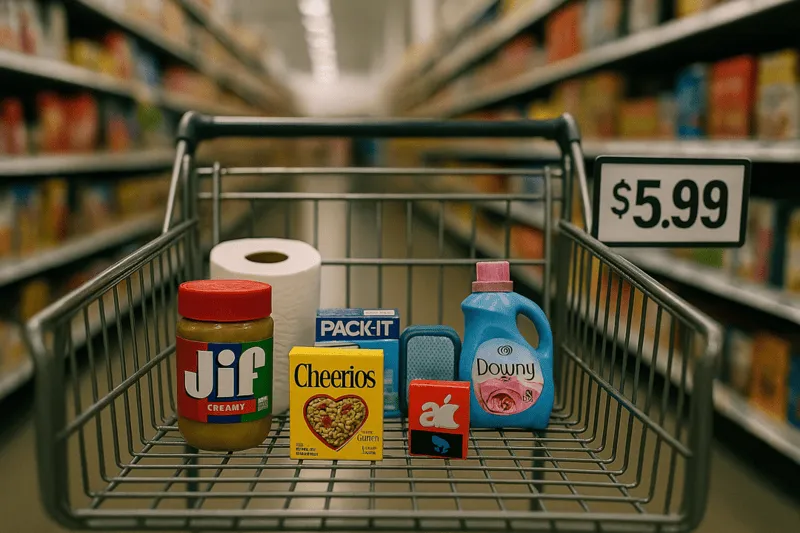
You know the feeling. You tear open your favorite snack bag, only to find it’s mostly air. You scroll Amazon for paper towels and realize the “12 = 24 rolls” trick isn’t fooling anyone anymore. That’s shrinkflation, where you’re paying the same, or more, for less.
But here’s the thing: Shrinkflation isn’t just a grocery store phenomenon. It’s creeping into ecommerce, DTC brands, and even the way retailers manage inventory, fulfillment, and returns.
So let’s unpack it. What is shrinkflation really doing to retail in 2025? And what’s your move if you’re running an ecommerce business?
What Is Shrinkflation (and When Did It Start)?
Shrinkflation has technically been around for decades. But it entered mainstream vocabulary during the post-pandemic inflation spike of 2021 – 2022, when CPG brands quietly started downsizing products without lowering prices.
Fast forward to 2025, and it’s become institutionalized. The Wall Street Journal recently reported that consumers now expect shrinkflation. It’s no longer a scandal, it’s a strategy.
What started with toilet paper and breakfast bars has extended to ecommerce packaging sizes, SKU quantities, return windows, and more.
Why Shrinkflation Isn’t Just About Product Size Anymore
Here’s where things get interesting. In ecommerce, shrinkflation shows up in ways that are harder to see, but just as costly:
- Bundles that include fewer items but still carry the same price tag.
- Return policies with stricter timelines and more exclusions.
- Free shipping thresholds are creeping upward, from $35 to $50, then $75.
- “Deluxe” editions that used to be standard, now basic, means barebones.
This is the kind of shrinkflation that impacts not just what consumers get, but what they expect from you as a brand. And it’s often hiding in plain sight.
Why It’s Accelerating Now (And Who’s Leading It)
In Q1 and Q2 of 2025, pressure on margins is back in a big way. Tariffs on Chinese imports, consumer pullback, and warehouse vacancies are making it tougher for ecommerce brands to survive, let alone grow.
So retailers are leaning into shrinkflation not as a one-time fix, but as part of a bigger playbook:
- Target quietly cut the size of its in-house tech accessories.
- A major DTC pet brand reduced its “starter kit” contents by 25%.
- A Shopify brand known for home goods reduced its return window from 60 to 30 days, citing “inventory health.”
They’re not advertising it. But if you read between the lines, or the reviews, you’ll spot the moves.
Shrinking the Reverse Logistics Problem
Here’s the twist nobody’s talking about: Shrinkflation isn’t just about getting more out of the sale. It’s also about cutting the cost of everything after the sale.
For example, returns.
In the past, brands could afford generous return policies because margins were fat. Not anymore.
Now we’re seeing:
- Fewer pre-paid return labels.
- More “final sale” language on seasonal SKUs.
- Higher restocking fees or “re-inspection” charges.
Returns are one of the biggest hidden costs in ecommerce, and shrinkflation is giving brands permission to quietly shrink that part of the business, too.
Should You Shrink Your Returns Policy?
Not automatically. If you’re building long-term customer trust, cutting corners on service can backfire.
But here’s what you should do: audit your reverse logistics. Ask questions like:
- Are we taking returns on items that can’t be resold profitably?
- Are our policies optimized for margin or for habit?
- Are there SKUs that should be final sale or non-returnable?
If the answer is yes, make strategic adjustments. Not punitive ones.
The Cahoot Take
At Cahoot, we’re seeing more brands experiment with leaner fulfillment and returns strategies, not by squeezing customers, but by gaining more control over how returns are routed, restocked, or resold.
For example, peer-to-peer returns allow brands to keep returned items circulating closer to the next buyer, avoiding restock delays and slashing return shipping costs. That’s not shrinkflation. That’s smart fulfillment.
Shrinkflation is inevitable. But how you manage it isn’t.
So What Should Brands Be Doing Right Now?
Well, you can’t completely avoid shrinkflation in today’s market. But you can be intentional about it.
Here’s what I’m telling brands:
- Be transparent where it counts. If you’re reducing bundle sizes, explain why.
- Audit returns before slashing them. Customer experience still matters.
- Get proactive with fulfillment efficiency before costs force your hand.
- Use this moment to clean up your SKU strategy, packaging waste, and shipping bloat.
And above all, don’t assume customers aren’t paying attention. They are, especially the ones you want to keep.
Frequently Asked Questions
What is shrinkflation in ecommerce?
Shrinkflation in ecommerce refers to the practice of reducing product quantity, features, or services while keeping prices the same or increasing them, often subtly, such as smaller bundles or stricter return policies.
How is shrinkflation affecting online retail in 2025?
Retailers are downsizing offerings, tightening returns, and raising shipping thresholds to protect margins amid tariffs, inflation, and slowed consumer spending.
Are consumers aware of shrinkflation?
Yes, consumer awareness is growing. Many are actively calling it out in reviews or social media, especially when changes feel deceptive or unacknowledged.
Is shrinkflation legal?
Yes, as long as the packaging and product info are accurate. However, misleading practices can risk reputational damage and consumer trust.
How can ecommerce brands manage shrinkflation without hurting loyalty?
Be transparent, audit returns strategically, and explore fulfillment models that cut costs without compromising the customer experience, like Cahoot’s peer-to-peer network.
Written By:
Jeremy Stewart
Jeremy Stewart leads customer success at Cahoot, helping merchants achieve high-performance logistics through smart technology and process optimization. With a background in both ecommerce operations and client services, Jeremy ensures that every merchant using Cahoot gets measurable results—whether they’re scaling from one warehouse to many or managing complex returns.
Turn Returns Into New Revenue
Related Articles
UCP Isn’t About Checkout. It’s About Who Gets to Understand Demand
Merchants are about to transact through AI agents without learning how the decision happened.
The End of Traditional Ecommerce Returns
PART I — THE PROBLEM Why Returns Didn’t Just Break — They Were Never Built for This Returns are ecommerce’s dirty secret: a billion-dollar bonfire that most brands prefer not to lo...
AI Search Optimization: How AEO and GEO Are Reshaping Ecommerce SEO
If your SEO strategy still revolves around exact-match keywords, you’re already behind.
How Can Shippers Use Rising Vacancies to Secure More Flexible, Cost-Effective Storage?
The U.S. warehouse market shifted sharply in 2025. National industrial vacancy reached 7.1% in Q2 2025 and remained at 7.1% through the second half of the year, signaling a much softer market than the space-constrained conditions of the prior cycle. It’s a dramatic swing from the space-constrained chaos of just a few years ago, when pandemic-fueled demand sent shippers scrambling to lock in square footage at any price.
By mid-2025, sublease availability had climbed to record levels, while new industrial completions in Q2 fell 44.6% year over year. By year-end 2025, total U.S. industrial deliveries had dropped to about 280 million square feet, down 35% from 2024 and the lowest annual total since 2017. For brands and logistics teams still feeling whiplash from last year’s stockpiling wave, the current moment might look like a warning. But with the right strategy, it’s actually a window of opportunity.
The Hidden Cost of Empty Space
Leased square footage that sits idle is more than just a sunk cost; it’s a drag on cash flow, inventory turns, and operational efficiency. Many brands overcommitted during the supply chain panic and are now underutilizing expensive long-term leases. Rents, still averaging over $10 per square foot, haven’t dropped much due to lease lag. That means even as the market softens, the costs remain sticky.
If you’re a shipper sitting on more space than you need, it’s time to rethink your approach to storage. Subleasing is one option, but it isn’t always simple. Quality of sublease inventory can vary widely, and not every landlord is keen to play ball. That’s where more creative models are gaining traction.
The Rise of Flexible Storage Models
As traditional warehousing strains under cost and commitment, brands are exploring alternatives. Multi-tenant and shared warehouse spaces are becoming more viable for those with fluctuating demand. These environments allow shippers to expand or contract their footprint in real time, without the burden of long leases.
Another emerging option is the peer-to-peer fulfillment model. Platforms like the Cahoot P2P Fulfillment Network allow merchants to monetize their unused storage and fulfillment capacity by plugging into a distributed network of sellers. That means if you’re looking to get out of a lease, you might be able to repurpose your existing warehouse space as a revenue-generating node in someone else’s ecommerce operation. Or, if you’re winding down your lease entirely, you could still ship nationally using the Cahoot network without the overhead.
Negotiating From a Position of Strength
In softening warehouse markets like the Inland Empire, Dallas-Fort Worth, and even New Jersey, shippers are finding themselves in a rare buyer’s market. With construction down and sublease listings up, there’s leverage to negotiate short-term deals, flexible expansion clauses, and even tenant improvement credits, terms that would have been laughable in 2021.
But it takes planning. The key is to assess your demand cycles and real estate needs with brutal honesty. How much space do you truly need? Can your inventory strategy adapt to decentralized fulfillment? Would modular lease structures serve your business better than fixed commitments?
These are hard questions, but answering them now can create long-term resilience.
Timing the Real Estate Reset
Right now, we’re hearing from brands that are reevaluating every fixed cost on the books, and warehousing is near the top of the list. The companies that paused, audited their operations, and leaned into flexibility early are already seeing savings compound. One brand recently cut 40% of their storage expense by transitioning part of their fulfillment to Cahoot nodes; they didn’t lose autonomy, they gained agility.
That kind of agility is becoming a competitive advantage. It’s not just about finding cheaper storage, it’s about staying nimble when the market shifts again, and it will.
How to Capitalize Now
This isn’t about gambling on the market. It’s about hedging against the next disruption while improving today’s bottom line. Whether that means subleasing, switching to a shared facility, or plugging into a P2P network, the goal is the same: reduce fixed costs, increase flexibility, and stay ready for whatever comes next.
The warehouse vacancy surge won’t last forever. But for shippers willing to act now, it’s a rare chance to shift from reactive leasing to a proactive strategy. Just make sure your space is working for you, not against you.
Frequently Asked Questions
What is driving the spike in warehouse vacancies in 2025?
The surge is largely due to pandemic-era overbuilding, reduced demand, and companies offloading excess space they acquired during the supply chain crunch of 2021–2023.
Why are rents still high despite rising vacancies?
Many leases were signed when the market was tight and are locked in for years. Landlords are not rushing to lower rates until those contracts come up for renewal.
What is a sublease, and is it worth considering?
A sublease is when a tenant leases out unused warehouse space to another company. It can be a cost-effective short-term option, but it requires due diligence on the space condition and lease terms.
What is peer-to-peer fulfillment?
Peer-to-peer fulfillment allows businesses to fulfill orders from each other’s warehouses using a shared technology platform like Cahoot. It’s a flexible and scalable alternative to owning or leasing large fulfillment centers.
How can smaller brands benefit from the warehouse vacancy trend?
Smaller brands can take advantage of shared warehouse spaces, short-term subleases, or P2P networks to avoid committing to expensive, long-term leases while maintaining nationwide shipping capabilities.
Written By:
Jeremy Stewart
Jeremy Stewart leads customer success at Cahoot, helping merchants achieve high-performance logistics through smart technology and process optimization. With a background in both ecommerce operations and client services, Jeremy ensures that every merchant using Cahoot gets measurable results—whether they’re scaling from one warehouse to many or managing complex returns.
Turn Returns Into New Revenue
Related Articles
UCP Isn’t About Checkout. It’s About Who Gets to Understand Demand
Merchants are about to transact through AI agents without learning how the decision happened.
Cahoot vs ShipStation: Exploring ShipStation Alternatives
The Hidden Cost of Holding On to ShipStation If you’re using ShipStation in 2025, you’re not shipping smarter — you’re bleeding margin.
The End of Traditional Ecommerce Returns
PART I — THE PROBLEM Why Returns Didn’t Just Break — They Were Never Built for This Returns are ecommerce’s dirty secret: a billion-dollar bonfire that most brands prefer not to lo...
The Shipping Speed Paradox: Why DTC Brands Are Slowing Down

In this article
5 minutes
Everyone’s talking about faster delivery. Amazon’s promising drone drops. Walmart’s turning stores into micro-fulfillment centers. And customer expectations? Sky high. But here’s the thing: most DTC brands aren’t speeding up, they’re tapping the brakes.
Sounds counterintuitive, right? But in 2025, slowing down might actually be the most strategic move you can make.
The Delivery Arms Race: Amazon and Walmart Go All-In
Let’s start with the big players. Amazon has spent the better part of a decade conditioning customers to expect one- or two-day delivery. In 2024, they doubled down again. More inventory was moved closer to end customers using their “regionalization” strategy, which chopped fulfillment distances in half. The result? According to Supply Chain Dive, 65% of Prime orders in Q2 2025 arrived the same day or the next day.
Walmart isn’t far behind. They’ve converted more than 4,500 stores into last-mile delivery hubs and are investing in AI-powered inventory placement. They’ve even launched parcel stations right inside their stores to boost local delivery capacity.
And yes, both are experimenting with drones. Amazon is testing lightweight drone delivery in a few southern U.S. zip codes. Walmart too. But let’s be honest: we’re still in science-project territory. Drone delivery may be flashy, but it’s barely scratching the surface of what really moves ecommerce.
Meanwhile, DTC Brands Are Quietly Slowing Down
This part of the story isn’t getting enough airtime. While the retail giants race toward one-hour windows, thousands of independent ecommerce brands are stepping back.
Not because they want to disappoint customers, but because they can’t afford to keep up, and chasing Amazon’s logistics playbook is a losing game when you don’t have Amazon’s budget.
You know what I’m seeing? Brands freezing SKUs. Shrinking warehouse footprints. Letting go of that “2-day everywhere” promise. Not because they’re failing, but because they’re adapting.
And it’s not just a gut feel. According to July 2025 reports, Shopify store closures now outpace new installs. Many of those closures are logistics-related, brands crushed under the weight of expectations they could no longer afford to meet.
What Customers Actually Care About
Let’s cut through the noise.
A 2025 McKinsey study shows customers care about three things in this order:
- Free shipping
- Reliable delivery timelines
- Speed (same/next day)
Sustainability? It ranked dead last.
In fact, only 26% of shoppers said they’d pay even $1–2 extra for eco-friendly delivery. And when researchers tracked actual conversions? Fewer than 10% followed through. So while “green shipping” sounds great in a press release, it’s rarely what gets the sale.
Translation: customers expect fast and free. That’s a tough combo for DTC brands with thin margins.
The Hidden Costs of Chasing Speed
The faster you ship, the more you pay. You either:
- Store more inventory closer to the customer (higher storage and distribution costs), or
- Ship from a central location via air (higher parcel and carrier fees), or
- Overstaff fulfillment ops and erode margin at scale
Speed isn’t free, and when volume slows or inventory piles up, you’re left with expensive sunk costs.
We’re seeing the result now. DTC brands are caught in the “stockpile trap,” where inventory equals cash sitting on shelves. Remember, inventory isn’t just product; it’s tied-up working capital. If you can’t sell it fast enough to fund reorders, you’re stuck.
The Drone Mirage
Let’s revisit the drones. They’re real. They’re operational in some pilot markets. But they’re limited to:
- Small packages under 5 pounds
- Favorable weather
- Specific delivery zones with limited obstructions
For the average brand selling apparel, home goods, or supplements, drones don’t meaningfully move the needle yet. And they won’t for most of 2025. If you’re betting your fulfillment future on drone scalability, you’re early. Way early.
Slowing Down on Purpose Is Not the Same as Falling Behind
When growth stalls, I don’t panic. I pause. I fix what’s broken, not what’s trending.
At Cahoot, we’re seeing smart brands slow down intentionally to:
- Vet new 3PLs or hybrid fulfillment solutions
- Reprice SKUs based on true landed cost
- Trim the fat from overbuilt operations
- Reallocate dollars from speed to retention
Slowing down doesn’t mean giving up. It means strengthening the core so you can scale sustainably when the market rebounds.
The Strategic Path Forward
Here’s the real takeaway: you don’t have to match Amazon or Walmart on delivery speed to win. You just have to meet your customers’ expectations and protect your margin while doing it.
Use 2025 to:
- Reaudit your shipping promises
- Simplify where needed
- Explore fulfillment partners that optimize speed and cost
- Make sure every dollar in ops contributes to LTV, not just CTR
Because speed is sexy, but resilience is what keeps you in the game.
Frequently Asked Questions
What is the “shipping speed paradox” in ecommerce?
It refers to the trend where retail giants are racing toward faster delivery, while many DTC brands are pulling back due to cost and sustainability constraints.
Are consumers really demanding same-day delivery?
Not necessarily. Most customers prioritize free shipping over speed. Same- or next-day delivery is nice to have, not a dealbreaker for most shoppers.
Why are DTC brands slowing down their delivery promises?
Because matching Amazon-level speed is expensive and often unsustainable for smaller brands without massive logistics infrastructure.
What’s the status of drone delivery for ecommerce brands in 2025?
Still very early. Amazon and Walmart are testing drone delivery, but it remains limited to small packages and specific markets.
How can DTC brands stay competitive without fast delivery?
By offering reliable shipping timelines, clear communication, and great post-purchase experiences. Fulfillment partners like Cahoot can also help streamline speed without killing margin.
Written By:

Manish Chowdhary
Manish Chowdhary is the founder and CEO of Cahoot, the most comprehensive post-purchase suite for ecommerce brands. A serial entrepreneur and industry thought leader, Manish has decades of experience building technologies that simplify ecommerce logistics—from order fulfillment to returns. His insights help brands stay ahead of market shifts and operational challenges.
Turn Returns Into New Revenue
Related Articles
UCP Isn’t About Checkout. It’s About Who Gets to Understand Demand
Merchants are about to transact through AI agents without learning how the decision happened.
The End of Traditional Ecommerce Returns
PART I — THE PROBLEM Why Returns Didn’t Just Break — They Were Never Built for This Returns are ecommerce’s dirty secret: a billion-dollar bonfire that most brands prefer not to lo...
AI Search Optimization: How AEO and GEO Are Reshaping Ecommerce SEO
If your SEO strategy still revolves around exact-match keywords, you’re already behind.
Top 10 Ecommerce Returns Mistakes (and How to Fix Them)

In this article
5 minutes
- 1. Not Having a Clear Return Policy
- 2. Offering Free Returns Without Doing the Math
- 3. Making the Return Process a Hassle
- 4. Treating Returns as a Cost Instead of a Signal
- 5. Not Reselling What You Could
- 6. Refunding Too Slowly
- 7. Not Offering Exchanges
- 8. Forcing Customers to Pay for Damaged or Defective Returns
- 9. Ignoring International Return Complexities
- 10. Treating Returns Like a Backroom Issue
- Final Thought
- Frequently Asked Questions
Returns are no longer just a post-sale nuisance, they’re a defining part of your customer experience, your margin, and frankly, your brand. Yet so many brands treat returns like a cost center to ignore until it bites them.
I’ve been deep in the ecommerce trenches long enough to know this: if you don’t actively manage returns, they will manage you. Let’s walk through the top 10 mistakes I see over and over, and what you should do differently before your profit margins take a nosedive.
1. Not Having a Clear Return Policy
If your return policy is vague, buried, or just plain confusing, you’re not just frustrating your customers; you’re setting yourself up for chargebacks, bad reviews, and support nightmares.
Fix: Spell it out. Be upfront about what’s returnable, how long customers have, and how they initiate a return. Make it easy to find (footer link, FAQ, order confirmation email) and easy to understand (no legalese, no fine print tricks).
2. Offering Free Returns Without Doing the Math
Yes, free returns boost conversion, but they can destroy margins if you’re not careful. Too many brands offer them without understanding their actual cost per order.
Fix: Run the numbers. Factor in shipping costs, restocking labor, product condition loss, and processing time. Then decide if free returns should be conditional (only for first-time orders, only for full-price items, etc.).
3. Making the Return Process a Hassle
Ever tried returning something and had to print three pages, repack it just right, and get to the post office before 4 pm on a Tuesday? Your customers hate that too.
Fix: Make it stupid easy. Include a prepaid return label or offer printerless returns with QR codes. Let customers initiate the return online without calling support. Track returns in the same dashboard as orders.
4. Treating Returns as a Cost Instead of a Signal
Returns are data. They tell you what’s broken, literally and figuratively, in your business—sizing problems, misleading descriptions, shipping damage, and quality issues. Most brands never read the return reasons, let alone analyze trends.
Fix: Create a monthly returns report. Track reasons by SKU, channel, and geography. Spot patterns. If one item has a 20% return rate, figure out why and fix it.
5. Not Reselling What You Could
Returned items that are perfectly good shouldn’t be collecting dust or ending up in landfills. If you’re trashing usable inventory, you’re leaving money on the table.
Fix: Set up a reverse logistics plan to restock, refurbish, or resell items via outlets, liquidation partners, or marketplaces like eBay. Every recovered dollar counts.
6. Refunding Too Slowly
Waiting 14 days after receiving a return to issue a refund might protect your cash flow, but it destroys trust. Customers start wondering if they’ve been ghosted.
Fix: Tighten up the refund cycle. Ideally, within 2–3 days of receipt. Automate confirmations and refund notices. Build goodwill by being proactive.
7. Not Offering Exchanges
Here’s the thing: Most customers returning something still want what you sell; they just want the right version of it. If you don’t offer easy exchanges, you’re turning potential revenue into refunds.
Fix: Enable smart exchanges. Let customers swap for different sizes or styles right in the return portal. Offer free exchanges even if returns aren’t free. Keep the sale.
8. Forcing Customers to Pay for Damaged or Defective Returns
This one’s brutal. Customer gets a busted item, reaches out, and you hit them with a return shipping fee? Say goodbye to that lifetime value.
Fix: Have a clear damaged/defective policy. Cover return shipping and offer replacements ASAP. Yes, it costs you in the short term, but it’s a small price for loyalty.
9. Ignoring International Return Complexities
Cross-border returns are a whole different beast—duties, taxes, restocking in the wrong region—it gets expensive fast. Many brands just say “no international returns” and hope no one notices.
Fix: If you’re selling internationally, design a return flow that works. Use local carriers and consolidation partners. Consider refunding without return in some low-cost, high-friction cases.
10. Treating Returns Like a Backroom Issue
Returns shouldn’t be siloed to warehouse staff or an outsourced 3PL with zero feedback loops. If marketing, product, CX, and ops aren’t all looking at return trends, you’re missing out.
Fix: Returns are a team sport. Share data across departments. Let product know what breaks. Let CX see trends. Let marketing tweak messaging to reduce mismatch expectations.
Final Thought
Returns aren’t going away. In fact, they’re becoming more critical to your brand than ever. Nail the return experience and you’ll win more loyalty, reduce costs, and create the kind of customer-centric business that actually survives the shakeouts we’re seeing in 2025.
You don’t have to be perfect. But you do have to be intentional.
Frequently Asked Questions
What’s the biggest return mistake ecommerce brands make?
Not having a clear, easily accessible return policy that sets customer expectations.
How can I reduce the cost of free returns?
Limit them to certain SKUs, order types, or customers, and audit the return rates by product.
Should I allow exchanges instead of just refunds?
Yes, exchanges help preserve the sale and increase customer satisfaction.
How fast should refunds be processed?
Ideally, within 2–3 days of receiving the returned item.
What should I do with returned inventory?
If it’s resellable, restock or liquidate it through the right channels to recover margin.
Written By:
Jeremy Stewart
Jeremy Stewart leads customer success at Cahoot, helping merchants achieve high-performance logistics through smart technology and process optimization. With a background in both ecommerce operations and client services, Jeremy ensures that every merchant using Cahoot gets measurable results—whether they’re scaling from one warehouse to many or managing complex returns.
Turn Returns Into New Revenue
Related Articles
UCP Isn’t About Checkout. It’s About Who Gets to Understand Demand
Merchants are about to transact through AI agents without learning how the decision happened.
The End of Traditional Ecommerce Returns
PART I — THE PROBLEM Why Returns Didn’t Just Break — They Were Never Built for This Returns are ecommerce’s dirty secret: a billion-dollar bonfire that most brands prefer not to lo...
AI Search Optimization: How AEO and GEO Are Reshaping Ecommerce SEO
If your SEO strategy still revolves around exact-match keywords, you’re already behind.
Why the Tariff Pause Isn’t Free Money, And What Smart Brands Should Do Instead

So here we are: July 2025. Tariffs on China-made goods are sky-high, but the dust has temporarily settled. There’s a pause in new enforcement actions. And what’s the first thing a lot of brands are doing?
Stockpiling like it’s Costco on a snow day.
Look, I get the impulse. You want to beat future price hikes. Lock in rates now. Stay ahead of the next wave. But this mindset, that the tariff pause is some kind of bonus round or rebate window, is a dangerous trap. I’ve seen it play out, and it rarely ends well.
Why Brands Are Stockpiling (And Why That’s Risky)
Modern Retail recently highlighted how brands are tying up cash in inventory that might not sell for months. Some are maxing out warehouse capacity. Others are renting trailers just to hold product.
That’s not a strategy. That’s panic disguised as preparedness.
When you stockpile, you’re converting liquidity into risk. You’re betting on stable demand, perfect forecasting, and a logistics environment that won’t throw any curveballs. That’s a lot of assumptions.
And the math isn’t pretty:
- Holding costs are rising (storage fees, insurance, shrinkage).
- Demand is softening across DTC; June sales were down 25% YoY for small brands.
- Interest rates remain high, so capital is expensive.
Inventory Isn’t An Asset If It’s Not Moving
Let’s stop pretending every product sitting in a warehouse is “value.” If it’s not turning, it’s dead weight. And right now, many brands are sitting on SKUs that may not move until Q4, if at all.
Worse, some brands are prepaying for production to “lock in pricing,” leaving them vulnerable to shifts in demand, freight delays, or SKU obsolescence. Cash on shelf is not cash in hand.
I’ve personally seen brands take on more inventory than they could realistically sell in two quarters. And once your cash is tied up, options disappear. Marketing slows. Hiring freezes. And suddenly, you’re in survival mode, not growth mode.
What Smart Operators Are Doing Instead
The brands I see winning right now aren’t chasing bulk discounts; they’re chasing flexibility.
Here’s what they’re doing:
1. Hedging their sourcing
They’re not all-in on one supplier. They’re exploring Mexico, Vietnam, and even domestic production where feasible. Not because it’s cheaper (it’s often not), but because diversified sourcing creates leverage and optionality.
2. Rebalancing cash flow
Rather than drop $100K on inventory, they’re testing shorter runs. They’re working capital lines in smarter ways. And they’re getting surgical with demand planning, looking at return rates, sell-through velocity, and seasonality with fresh eyes.
3. Rethinking fulfillment
Tariffs are just one cost center. Fulfillment is another. Now’s the time to evaluate whether your fulfillment model is nimble. Can you scale up fast if demand spikes? Can you pull back quickly if it softens?
This is where Cahoot-style distributed fulfillment is a game-changer. You don’t have to commit to massive inventory deposits in one location. You flex regionally, based on demand, saving money on last-mile shipping and reducing your warehouse exposure.
The Trap Of Tariff-Driven Optimism
Every time there’s a pause, brands breathe a little easier. I get it. But temporary relief isn’t a long-term strategy. Tariffs could rise again. Port delays could return. Consumer sentiment could weaken further.
Smart founders are treating this moment like a chess move, not a victory lap. They’re asking:
- Where am I most exposed?
- Where am I overcommitted?
- How fast can I pivot if X happens?
If you can’t answer those questions confidently, you’re not in control, you’re just hoping the next hit doesn’t land.
Final Thought: Play For Resilience, Not Rebates
This isn’t about being pessimistic. It’s about being ready.
There’s opportunity in this pause. But it won’t come from stockpiling; it’ll come from brands who treat the next 60 days as a strategic window. Tighten up ops. Diversify your sourcing. Build fulfillment agility.
Use the pause to prep your playbook, not to pile up product.
Frequently Asked Questions
What is the risk of stockpiling inventory during a tariff pause?
It ties up cash, increases holding costs, and exposes brands to shifts in demand or logistics disruptions.
How should brands respond to tariff uncertainty?
Diversify suppliers, test shorter production runs, and maintain fulfillment flexibility.
Is now a good time to invest in bulk production?
Only if demand forecasting is strong, otherwise, it’s safer to focus on agility.
How can a fulfillment strategy reduce tariff-related risk?
A flexible, distributed model like Cahoot helps reduce shipping costs and regional storage exposure.
Will tariffs increase again in 2025 and beyond?
It’s unclear, but most experts expect volatility; brands should plan accordingly.
Written By:
Jeremy Stewart
Jeremy Stewart leads customer success at Cahoot, helping merchants achieve high-performance logistics through smart technology and process optimization. With a background in both ecommerce operations and client services, Jeremy ensures that every merchant using Cahoot gets measurable results—whether they’re scaling from one warehouse to many or managing complex returns.
Turn Returns Into New Revenue
Related Articles
UCP Isn’t About Checkout. It’s About Who Gets to Understand Demand
Merchants are about to transact through AI agents without learning how the decision happened.
The End of Traditional Ecommerce Returns
PART I — THE PROBLEM Why Returns Didn’t Just Break — They Were Never Built for This Returns are ecommerce’s dirty secret: a billion-dollar bonfire that most brands prefer not to lo...
AI Search Optimization: How AEO and GEO Are Reshaping Ecommerce SEO
If your SEO strategy still revolves around exact-match keywords, you’re already behind.
Why Slowing Growth Could Be Your Secret Competitive Advantage

In this article
4 minutes
- Growth Is Down? Good. Now Let’s Talk.
- The Pause Is Where The Magic Happens
- What Smart Brands Are Doing During The Slowdown
- Chasing Better Instead Of More
- Why Now Is The Best Time To Reinvent Your Ops
- What We’re Seeing At Cahoot
- Final Thought: Use The Slow Season To Outsmart, Not Outspend
- Frequently Asked Questions
Growth Is Down? Good. Now Let’s Talk.
AlixPartners’ 2025 Home Delivery Report says that, for the first time in the firm’s research since 2012, online shoppers reported purchases declining across all categories except groceries.
This might sound strange coming from someone who spends their days helping ecommerce brands grow faster, ship smarter, and compete with giants. But here it is:
Slowing growth isn’t always bad. In fact, sometimes it’s exactly what your brand needs.
It forces you to pay attention to stuff you were too busy to look at before. Broken ops. Cost sinks. Sketchy suppliers. Shaky unit economics. When you’re growing at all costs, this stuff hides in the background. But when things slow down? It all surfaces.
AlixPartners’ 2025 Home Delivery Report says consumer confidence is declining, with significant impacts on order volumes and expectations for delivery times. It also says that, for the first time in the firm’s research since 2012, online shoppers reported purchases declining across all categories except groceries, and that 37% of consumers have changed purchase timing while 66% now prefer domestic products when tariffs raise prices. And if you’re feeling the heat, you’re not alone.
But here’s the thing: this slowdown could be your wake-up call or your unfair advantage. Depending on what you do with it.
The Pause Is Where The Magic Happens
Every founder I know has sprinted through phases of insane growth where “we’ll fix that later” becomes a mantra. But later rarely comes. Until it’s forced on you.
That’s where we are now. A lot of brands are quietly hitting the wall. Not because their products are bad. But because their ops can’t keep up with their ambition.
So if growth has stalled for you, try asking:
What would I fix if I weren’t constantly chasing more?
Start there.
What Smart Brands Are Doing During The Slowdown
As of August 29, 2025, duty-free de minimis treatment no longer applies to low-value shipments entering the United States, so ecommerce brands should recheck landed cost assumptions, routing, and fulfillment economics.
Here are a few moves I’m seeing from operators who aren’t just waiting it out:
- Rebuilding their supplier network; offshoring was fine when margins were fat, but now nearshoring and dual sourcing are saving cash and reducing risk
- Auditing packaging, because oversized boxes are silent profit killers
- Rebalancing inventory with better forecasting tools, instead of stockpiling and hoping
- Training teams instead of just hiring faster, focusing on repeatability and clarity
- Experimenting with fulfillment models (Cahoot-style distributed shipping, hybrid 3PL + self-fulfillment setups, or even zone-skipping trials)
In short: they’re fixing the things they ignored while things were working “well enough.”
Chasing Better Instead Of More
There’s this quiet revolution happening among founders who are done with the growth-at-all-costs treadmill. They’re not giving up on scale, they’re just being smarter about it.
It reminds me of a conversation I had recently with a brand that pulled back from seven channels to three. Their sales dipped 12% for the quarter… but margins rose 18%, CSAT jumped, and their returns dropped by a third. Turns out, doing fewer things better pays.
They told me, “We stopped chasing ‘more’, and started chasing better.”
That stuck with me.
Why Now Is The Best Time To Reinvent Your Ops
AlixPartners’ 2026 Disruption Index found that 50% of executives say new tariffs are causing strategy adjustments, and the report says overall disruption eased from 73 in 2025 to 70 in 2026.
Because no one else is.
Everyone else is panicking. Slashing budgets. Blaming ads. Praying Meta’s new algo will swing things around.
If you take this pause and use it to re-architect your backend, supply chain, fulfillment, customer experience, and inventory cadence, you will exit stronger. Period.
This is where you gain margin that compounds. This is where you discover operational leverage. And this is how you get ready for volume before it returns.
What We’re Seeing At Cahoot
Some of the smartest brands we work with are using this moment to finally clean up the mess:
- Testing Cahoot’s peer-to-peer fulfillment to reduce shipping zones and cost per package
- Auditing their warehouse placement to lower delivery time without overspending on storage
- Automating order routing and splitting to serve customers faster with less ops overhead
It’s not sexy, but it works. One brand cut its average shipping cost by 22% without changing carriers. Just smarter routing and storage.
Final Thought: Use The Slow Season To Outsmart, Not Outspend
If growth has slowed, don’t just ride it out. Don’t just “make it through.”
Use it.
This is your shot to fix the stuff that matters. The stuff that makes growth sustainable, not scary. Because when things rebound, and they will, you’ll be ready. Faster, leaner, stronger.
Pause on purpose. The smart ones always do.
Frequently Asked Questions
What should I do if my ecommerce growth stalls?
Use the pause to fix operations, audit inventory, vet suppliers, and improve fulfillment.
Why is slowing down a good thing for DTC brands?
It creates space to optimize backend systems and improve margins.
How are brands responding to the ecommerce slowdown?
They’re rethinking their supply chains, experimenting with fulfillment, and improving forecasting.
Is this a temporary slump or a long-term shift?
It’s likely a correction, but smart brands treat it as an opportunity to get leaner and stronger.
Can Cahoot help during a growth slowdown?
Yes, by optimizing fulfillment and reducing shipping costs, Cahoot helps brands improve ops even when volume dips.
Written By:

Indy Pereira
Indy Pereira helps ecommerce brands optimize their shipping and fulfillment with Cahoot’s technology. With a background in both sales and people operations, she bridges customer needs with strategic solutions that drive growth. Indy works closely with merchants every day and brings real-world insight into what makes logistics efficient and scalable.
Turn Returns Into New Revenue
Related Articles
UCP Isn’t About Checkout. It’s About Who Gets to Understand Demand
Merchants are about to transact through AI agents without learning how the decision happened.
The End of Traditional Ecommerce Returns
PART I — THE PROBLEM Why Returns Didn’t Just Break — They Were Never Built for This Returns are ecommerce’s dirty secret: a billion-dollar bonfire that most brands prefer not to lo...
AI Search Optimization: How AEO and GEO Are Reshaping Ecommerce SEO
If your SEO strategy still revolves around exact-match keywords, you’re already behind.
DTC Brands Are Dying Faster Than Ever
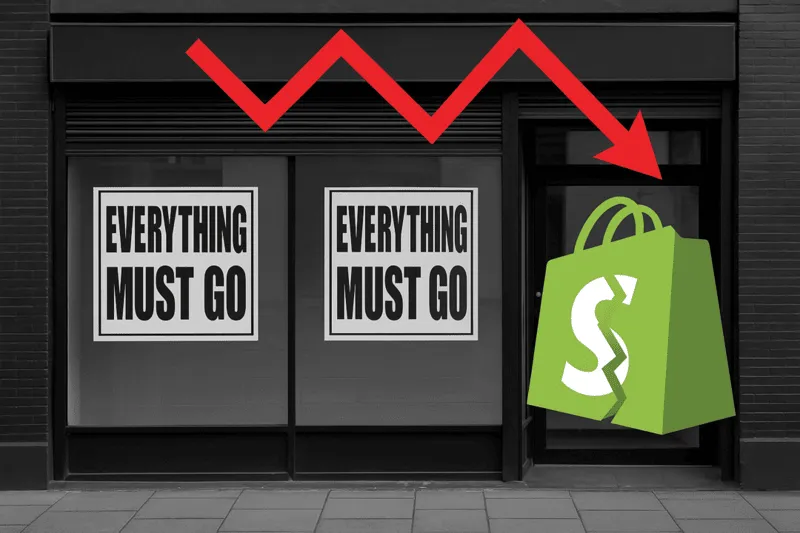
Ecommerce isn’t just cooling off; it’s contracting
In Q2 2025, Shopify store closures outpaced new installs for the first time ever: 1.5 closures per new store. That’s not a blip. That’s a reckoning.
AlixPartners reported in July 2025 that, for the first time since its 2012 survey began, consumers said online purchases had declined across all product categories except groceries, with furniture, home furnishings, large electronics, and sporting goods down by double-digit percentages. In the July 2025 University of Michigan survey, the Index of Consumer Sentiment was 61.7, up from 60.7 in June and below 66.4 a year earlier. U.S. bankruptcy filings rose 13.1% in the 12 months ending March 31, 2025, and chapter 11 filings totaled 8,844 in fiscal 2025. That’s a flood.
So what’s going on? Why now? And what can you actually do about it if you run a brand or support one?
The “Why” Behind the Collapse
Tariffs + Inventory = Cash Flow Crisis
In May 2025, de minimis treatment ended for many low-value imports from China and Hong Kong, and postal-item duties increased to $75 on May 2 and $150 on June 1, which pushed landed costs higher for cross-border ecommerce brands.
Here’s the brutal math: tariffs go up; landed cost skyrockets. And a lot of brands placed orders ahead of the tariff hikes, only to watch demand dry up. Now they’re sitting on overpriced inventory they can’t move, tying up precious cash. Inventory isn’t just stuff on shelves; it’s money trapped in cardboard.
CAC Is Climbing; Retention Isn’t Saving You
Customer acquisition costs are going up, just as the effectiveness of paid channels is going down. Even retention can’t save you when consumers are delaying purchases or trading down to cheaper alternatives. Many brands already pulled future revenue forward during the 2020–2022 boom. Now, there’s nothing left to squeeze.
Post-COVID Saturation Is Real
Let’s be honest: not every brand deserves to exist. Many were spun up with plug-and-play toolkits and cheap paid ads. That worked when capital was cheap and consumers were bored. Now? The music stopped. And not everyone found a chair.
Why Now?
As of August 11, 2025, the White House said the suspension of heightened tariffs on Chinese imports would continue until November 10, 2025, while the 10% reciprocal tariff remained in effect.
AlixPartners’ July 2025 survey found year-over-year declines in online purchases across nearly all categories except groceries, with many consumers delaying purchases or moving them earlier because of tariff-related costs.
A few reasons:
- Macroeconomic headwinds: Tariffs, inflation, and consumer anxiety are colliding.
- The era of easy VC money is over: Brands are being forced to act like real businesses.
- Platform fatigue: Shopify, Amazon, and TikTok Shops are crowded and expensive to win on.
This isn’t just a cyclical dip; it’s a structural correction. We’re witnessing the clearing of an ecosystem that got way too crowded, way too fast.
Who’s Most Vulnerable?
Brands that were built on borrowed time and easy growth:
- Brands with high CACs and low AOVs
- Brands heavily reliant on paid social for discovery
- Brands with no supply chain flexibility
- Brands without real community, loyalty, or differentiation
Real examples:
- Flaus canceled a $30K Hamptons pop-up.
- Beau Ties of Vermont cut staff hours.
- Loftie saw lamp sales drop 80%.
What You Can Do
Audit Your Cash Flow Now
Know exactly how many months of runway you have, with and without new revenue. Get real about your burn and where the landmines are.
Recalculate Your CAC & Contribution Margins
Don’t just look at blended ROAS. Look at the actual contribution margin after fulfillment, returns, payment fees, and platform costs. If you’re underwater on a hero SKU, fix it or cut it.
Diversify Fulfillment & Cut Ops Costs
With tariffs, shipping surcharges, and inflation hitting from all angles, fulfillment is your biggest lever. Use it. A partner like Cahoot can unify fulfillment across channels, reduce shipping zones, and preserve margins.
Reprioritize Community, Not Just Campaigns
Start building real relationships, not just funneling ad dollars. Brands with real communities are taking less of a hit right now. That’s not a coincidence.
What the Future Looks Like
In fiscal 2025, U.S. bankruptcy court chapter 11 filings totaled 8,937 even as total bankruptcy filings rose to 557,376, showing that insolvency pressure remained elevated even as the mix shifted.
It’s going to get worse before it gets better.
Expect more closures, more acquisitions, and more consolidation. But also: the strongest brands, the ones with real margins, operational discipline, and customer loyalty, will finally have room to grow again.
This moment is painful, but it’s also clarifying. The ecosystem can’t support 100 brands selling the same $49 water bottle with a different logo. The brands that survive this cycle will be the ones that finally build a real business.
Frequently Asked Questions
What’s causing the DTC brand collapse in 2025?
Tariffs, inflation, rising customer acquisition costs, and oversaturation in key categories are squeezing margins and killing demand.
Why are so many Shopify stores shutting down?
Closures now outpace new installs. Many brands can’t survive rising CAC, unsold inventory, and cash flow pressure.
Are all DTC brands at risk?
Not all, but the most vulnerable are those reliant on paid acquisition, single-channel sales, or undifferentiated products.
Are Shopify brands more vulnerable than Amazon sellers?
Often, yes; Amazon sellers may have more built-in demand and streamlined fulfillment.
What categories are getting hit hardest by the economic pressures of 2025?
Home goods, wellness, and accessories have seen the sharpest demand drop.
What can DTC operators do right now?
Get ruthless on cash flow, margins, and operational flexibility. Cut burn, audit margins, diversify fulfillment, and refocus on loyalty and community. Flexible, scalable fulfillment can reduce overhead and improve margins, crucial for survival.
Citations
- Tariffs Trigger the Sharpest Drop in Online Spending in Over a Decade: Read more.
- Faced with economic anxiety, retailers pare expectations for the year: Read more.
- Brands grapple with strained cash flow amid tariffs: Read more.
- US prices for China-made goods rise faster than inflation, analysis shows, as tariffs bite: Read more.
- US prices for China-made goods sold on Amazon rising faster than inflation: Read more.
Written By:
Manish Chowdhary
Manish Chowdhary is the founder and CEO of Cahoot, the most comprehensive post-purchase suite for ecommerce brands. A serial entrepreneur and industry thought leader, Manish has decades of experience building technologies that simplify ecommerce logistics—from order fulfillment to returns. His insights help brands stay ahead of market shifts and operational challenges.
Turn Returns Into New Revenue
Related Articles
UCP Isn’t About Checkout. It’s About Who Gets to Understand Demand
Merchants are about to transact through AI agents without learning how the decision happened.
Cahoot vs ShipStation: Exploring ShipStation Alternatives
The Hidden Cost of Holding On to ShipStation If you’re using ShipStation in 2025, you’re not shipping smarter — you’re bleeding margin.
The End of Traditional Ecommerce Returns
PART I — THE PROBLEM Why Returns Didn’t Just Break — They Were Never Built for This Returns are ecommerce’s dirty secret: a billion-dollar bonfire that most brands prefer not to lo...
Walmart Fulfillment Services (WFS): Benefits and Disadvantages
In this article
9 minutes
- What is Walmart Fulfillment Services (WFS)?
- Benefits of WFS: What Makes It Worth It
- WFS Storage and Handling
- WFS Security and Reliability
- WFS Scalability and Flexibility
- Disadvantages of WFS: Watch Out for These Drawbacks
- WFS Best Practices and Tips
- WFS vs. Amazon FBA: How Does It Stack Up?
- Should You Use Walmart Fulfillment Services?
- How Cahoot Can Help
- Frequently Asked Questions
Walmart Fulfillment Services (WFS) might be one of the best-kept secrets in ecommerce logistics. But is it the right fit for your business? That depends on a few things. Cost. Control. And whether you’re okay putting more of your operations in Walmart’s hands. Let’s dig into the pros and cons so you can make an informed decision, and maybe avoid some expensive missteps.
What is Walmart Fulfillment Services (WFS)?
WFS is Walmart’s in-house fulfillment service, designed to rival Amazon FBA. Sellers send inventory to Walmart fulfillment centers, and Walmart handles storage, picking, packing, shipping, and customer service. Eligible products gain the coveted “Fulfilled by Walmart” badge, and a marketplace seller can leverage Walmart’s massive supply chain infrastructure to deliver fast, low-cost shipping across the U.S.
Benefits of WFS: What Makes It Worth It
1. Fast, Affordable Shipping
Walmart has one of the world’s largest supply chains, and when you plug into WFS, you benefit from that scale, including access to multiple fulfillment centers that enable fast shipping. Orders are delivered quickly (often 2-day shipping), as WFS provides fast shipping to meet rising customer expectations and boost conversion rates. WFS handles shipping orders efficiently through its extensive fulfillment network.
2. Walmart-Branded Packaging
Just like Amazon FBA, WFS uses branded packaging, which reinforces customer trust. It signals that the order is coming from Walmart directly, helping smaller brands piggyback off Walmart’s reputation.
3. Higher Product Visibility
WFS items often get better placement in search results, more Buy Box wins, and that prime real estate on Walmart listings. Walmart tags like “TwoDay,” “Free & Easy Returns,” and “Fulfilled by Walmart” help increase product visibility and build customer trust. If you’re already selling on the Walmart Marketplace, enrolling in WFS can give your listings a serious edge.
4. Seamless Integration with Seller Center
Managing WFS inventory and applying for Walmart Fulfillment Services (WFS) are handled directly through Walmart’s Seller Center. Sellers create and submit an inbound order to send inventory to Walmart’s fulfillment centers, ensuring products are available on Walmart.com without a steep learning curve.
5. Excellent Customer Service Coverage
Walmart handles returns, refunds, and order inquiries directly with customers, allowing sellers to focus on their core business. That’s a major lift off your plate, especially during peak season or rapid scaling.
WFS Storage and Handling
Walmart Fulfillment Services (WFS) offers sellers a robust storage and handling solution designed to keep your inventory safe, organized, and ready to ship. With a network of advanced fulfillment centers, WFS uses cutting-edge technology to automate sorting, packing, and storage processes, ensuring your products are always handled efficiently. Whether you need pallet, shelf, or floor storage, WFS can accommodate a wide range of product types and sizes, making it a versatile choice for any ecommerce business.
Through the Seller Center, you can easily monitor your inventory levels and track storage costs in real time. This transparency empowers sellers to make informed decisions about restocking, inventory turnover, and overall business strategy. By leveraging Walmart Fulfillment Services, you can focus on growing your business while knowing your products are stored securely and managed with care. The combination of advanced technology and flexible storage options makes WFS a smart choice for sellers looking to streamline their fulfillment operations and control costs.
WFS Security and Reliability
Security and reliability are at the core of WFS. Walmart previously stated each fulfillment center is equipped with 24/7 surveillance, secure access controls, and alarm systems to protect your inventory from loss, damage, or theft. More recent text changes by Walmart, state that inventory stored in its fulfillment centers is fully insured, and sellers can track shipments and receiving activity through Seller Center. WFS’s fulfillment network is built on strict quality control protocols, ensuring that every item is handled and shipped with precision.
Sellers benefit from real-time inventory tracking and monitoring, so you always know where your products are within the fulfillment network. This level of transparency and oversight means you can trust Walmart Fulfillment Services to deliver your products to customers quickly and accurately. With WFS, sellers gain peace of mind knowing their inventory is safeguarded and their fulfillment process is in expert hands.
WFS Scalability and Flexibility
Walmart Fulfillment Services is designed to grow with your business, offering the scalability and flexibility needed to meet changing demands. Whether you’re ramping up for peak season, launching new products, or experiencing rapid sales growth, WFS’s fulfillment network can adapt to your evolving business needs. Sellers can easily adjust inventory levels, storage options, and shipping preferences through the platform, ensuring you’re always prepared for fluctuations in demand.
WFS also provides a variety of fulfillment solutions, including expedited shipping, so you can meet your customers’ expectations for fast delivery. This flexibility allows businesses to stay agile and responsive, no matter how the market shifts. By relying on Walmart Fulfillment Services, sellers can focus on increasing sales and expanding their ecommerce business, confident that their fulfillment partner can keep up every step of the way.
Disadvantages of WFS: Watch Out for These Drawbacks
1. Limited to Walmart Marketplace
With WFS, your inventory is stored in a single location, which can be a limitation for ecommerce businesses selling on multiple platforms. WFS is primarily built for Walmart Marketplace orders, but enrolled sellers can also use Walmart Multichannel Solutions to fulfill orders from their own websites, social shops, and other marketplaces, including Amazon and eBay. This means maintaining parallel operations or using a separate 3PL for other ecommerce channels.
2. Additional and Hidden Fees
WFS fees include a fulfillment fee (based on size/weight), storage fees, and a monthly storage fee based on the volume of product and storage duration. But there are also additional fulfillment fees and additional fees for certain product categories, such as apparel, hazardous materials, and oversize items, as well as charges for long-term storage, prep services, and more. The costs can sneak up, especially if your inventory turnover isn’t fast.
3. No Support for Certain Product Types
Hazardous materials, hazmat items, and perishable goods / goods that require temperature control are not eligible for WFS. Walmart expanded some support for big-and-bulky items up to 500 lb. and certain larger items through its big-and-bulky program. That limits WFS’s usefulness for some sellers.
4. Longer Inbound Processing Times
Compared to Amazon FBA, some sellers report slower receiving times and less transparency when it comes to tracking inbound shipments or resolving fulfillment center errors.
5. Control and Branding Limitations
You lose some control over the unboxing experience. It’s Walmart’s packaging and rules, not yours. If brand identity matters to you, that could be a deal-breaker.
WFS Best Practices and Tips
To maximize the benefits of Walmart Fulfillment Services (WFS), sellers should adopt a few key best practices. Start by keeping your inventory data accurate and up to date in the Seller Center to avoid costly stockouts or overstocking. Optimize your product listings and packaging to minimize shipping costs and speed up delivery times, which can boost customer satisfaction and repeat business.
Take advantage of WFS’s prep services to ensure your products are ready for fast, efficient shipping, and use Walmart’s branded packaging to reinforce trust with your customers. Regularly review your fulfillment costs and look for opportunities to streamline your operations. Walmart Fulfillment Services also provides a wealth of resources, like guides, webinars, and dedicated support, to help sellers continuously improve their fulfillment process. By following these tips, you can reduce costs, improve delivery performance, and create a better experience for your customers.
WFS vs. Amazon FBA: How Does It Stack Up?
The WFS program is Walmart’s distinct fulfillment offering, separate from Amazon FBA. Walmart Fulfillment Services pricing features a transparent fee structure, with fulfillment fees based on weight and storage fees based on volume and duration. Walmart also charges a referral fee on each sale, which differs from Amazon’s subscription model. But if multichannel fulfillment or international reach is important, FBA (or an alternative like Cahoot) might be a better fit.
Should You Use Walmart Fulfillment Services?
If you’re serious about selling on the Walmart Marketplace and your catalog qualifies, WFS can absolutely increase product visibility and improve fulfillment speed. WFS helps sellers fulfill orders efficiently by allowing them to store their inventory in Walmart’s network of distribution centers. Inventory storage is a key feature of WFS, enabling streamlined order processing and faster delivery. But it’s not a one-size-fits-all solution. It works best when you:
- Focus heavily on Walmart as a sales channel
- Want to simplify Walmart order fulfillment
- Are you okay with Walmart branding on packages?
If you’re selling on multiple platforms or you want more control and better economics across the board, it might make more sense to use a third-party fulfillment partner.
How Cahoot Can Help
Cahoot gives sellers the best of both worlds. You can fulfill Walmart orders (alongside Amazon, Shopify, and more) through a single platform. With Cahoot’s nationwide network, you get ultra-fast delivery, competitive storage rates, and control over packaging and branding, without needing to go all-in on a single marketplace. And yes, we integrate with WFS too, so you can optimize across channels.
Frequently Asked Questions
What is Walmart Fulfillment Services (WFS)?
WFS is Walmart’s in-house program that stores, picks, packs, and ships items for Marketplace sellers.
How much does WFS cost?
Fees include fulfillment and monthly storage, plus charges for returns, oversized items, and more.
Can WFS fulfill Amazon or Shopify orders?
Not exclusively. WFS is built for Walmart Marketplace, and enrolled sellers can also use Walmart Multichannel Solutions to fulfill eligible orders from other sales channels.
What products are not allowed in WFS?
WFS excludes regulated items and perishables that require temperature control, while larger products may still qualify through Walmart’s big-and-bulky or multi-box programs, subject to current WFS product requirements.
Is WFS better than Amazon FBA?
It depends. WFS can offer better fees or support, but FBA supports more channels and SKUs.
Written By:
Jeremy Stewart
Jeremy Stewart leads customer success at Cahoot, helping merchants achieve high-performance logistics through smart technology and process optimization. With a background in both ecommerce operations and client services, Jeremy ensures that every merchant using Cahoot gets measurable results—whether they’re scaling from one warehouse to many or managing complex returns.
Turn Returns Into New Revenue
Related Articles
UCP Isn’t About Checkout. It’s About Who Gets to Understand Demand
Merchants are about to transact through AI agents without learning how the decision happened.
The End of Traditional Ecommerce Returns
PART I — THE PROBLEM Why Returns Didn’t Just Break — They Were Never Built for This Returns are ecommerce’s dirty secret: a billion-dollar bonfire that most brands prefer not to lo...
AI Search Optimization: How AEO and GEO Are Reshaping Ecommerce SEO
If your SEO strategy still revolves around exact-match keywords, you’re already behind.