
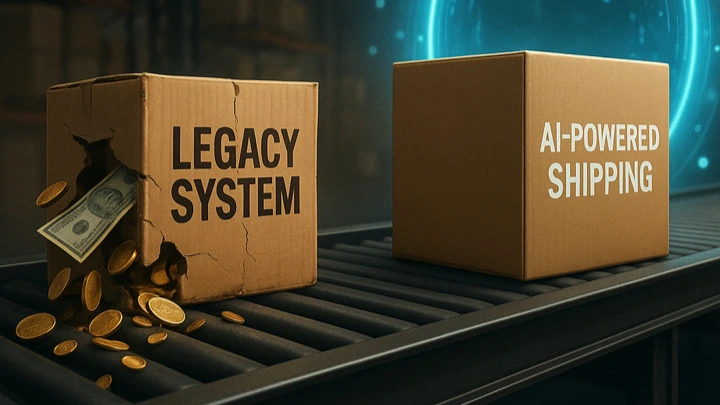
Why You Must Use the Best Shipping Software and Avoid Legacy Systems (e.g., ShipStation) in 2025
In this article
 10 minutes
The world is changing has already changed!
It’s been 2½ years since the release of ChatGPT. While many people were not worried about artificial intelligence (AI) and large language models’ impact on their business or job anytime soon, change came quicker than most laypeople expected. Online Search has changed forever. Traditional marketing has changed forever. And if you’re not keeping up and learning to embrace and leverage these new tools, you’re falling behind. And you may not even know it until it’s too late.
Similarly, ecommerce shipping software has changed right under your nose, and if you don’t keep up, you’ll lose to the competition. Because their margins are better, their shipping spend is lower, and they’re able to do more with less.
Introduction to Shipping Software
At its core, ecommerce shipping management software automates and manages order fulfillment workflows and inventory for online businesses. It integrates with various shipping carriers to generate shipping labels, track inventory, and streamline on-time deliveries. By automating these processes, businesses can optimize shipping based on cost and speed, improving post-shipment management and enhancing the customer’s post-purchase experience.
Shipping software is essential for ecommerce businesses to reduce costs and boost customer satisfaction. It automates tasks like printing shipping labels, tracking shipments, and managing inventory, saving time and minimizing errors for accurate order processing.
Access to discounted shipping rates through shipping software provides significant savings on every shipment. Optimized shipping workflows ensure timely deliveries, critical for maintaining high customer satisfaction.
By using shipping software, businesses can also improve their inventory management. Inventory management is streamlined with real-time tracking, low-stock alerts, and automatic order routing, reducing stockouts and improving operational efficiency.
Free shipping software options are available, but caveat emptor (buyer beware): the software is free, but you’re really just redirecting money from your bottom line to someone else. Read on to see where.
So, what’s changed about shipping and fulfillment software? Everything.
How Shipping Software Has Changed
It used to be that warehouse staff would log into a legacy system, spend hours manually rate shopping across carriers and services, create shipping labels, and then go pick/pack in time for the carrier pickup window to open.
Next-generation fulfillment solutions are taking the thinking (and labor) out of this non-value-added task and doing all the work autonomously, in minutes. Perfectly. In the middle of the night when you’re sleeping. Warehouse teams haven’t even poured their first cup of coffee in the morning, and 95%+ of the day’s shipping labels are already created and can all be printed with one click. These solutions integrate directly with existing systems, making them ideal for medium-sized businesses.
It used to be that tribal/institutional knowledge left the judgment of how to ship an order to the staff (warehouse manager or otherwise). But they make mistakes. And they don’t even realize it. Worse, the business owner(s) don’t even register it. Have you ever said, “My guy doesn’t make mistakes…he’s been doing this for 15 years?!?” Probably.
I was on a call with a client demonstrating how fully automated (humanless) rate shopping and label creation works. The system picked a UPS Ground label to deliver an order from Cincinnati, OH, to Brooklyn, NY, in two days for $13.36. He said, “Wait, I always ship that order using UPS 2nd Day Air.” We calculated the real-time rate for UPS 2nd Day Air, which was $26.71. He said in front of his whole team on the call that he ships 50 units of that SKU to New York every week. I did the quick math and let him know that he’s losing the company nearly $700 per week on that single SKU going to that one state! Use the UPS Ground Map to see for yourself. People make mistakes. Especially after something has become tribal knowledge.
Humans get tired. They get set in their ways. Manual rate shopping is a bear, so warehouse staff find workarounds to do it faster or with less effort. What used to work two years ago still works today, right? Nope. With carrier rates constantly changing (up, not down), and not changing linearly or consistently, and with all the carriers’ secret complexity and changes that are intentionally shrouded in mystery, it’s no wonder businesses can’t make heads or tails of what’s really going on and figure out where they’re slowly siphoning off what could be profits into carriers’ pockets. Alternatively, modern multi-carrier platforms that integrate with many carriers (e.g., UPS, FedEx, and USPS) offer significant advantages over traditional systems by rate shopping every order from every potential origin using every carrier and service the merchant supports. Suffice it to say that every penny can be kept in your own pocket rather than handed over to someone else.
It used to be that experienced warehouse workers would pick a box to ship an order based on experience and intuition. They “just knew.” But in reality, labor costs and carrier GRIs (general rate increases) have gone up year after year with no end in sight, and dimensional weight now plays a massive role in the shipping rate. Therefore, leaving operations to someone’s judgment is no longer an acceptable risk.
Now, with intelligent cartonization software built directly into modern shipping platforms, the computer can compare all the possible options in milliseconds—and in cubic inches—and create the lowest-cost shipping label that will deliver on time, every time, using workflow automation. Zero input, zero clicks.
It used to be that ecommerce fulfillment teams would have to manually compare channel Ship By and Deliver By Dates to prioritize the order of fulfillment operations and select shipping services that would deliver on time. Legacy systems don’t “know” or “understand” when an order needs to ship to deliver on time. Orders shipped or delivered late impacted performance metrics and put seller accounts (like Amazon) in jeopardy.
Now, warehouse workers cannot ship late because fulfillment prioritization and shipping label creation are orchestrated by software with built-in timers and warnings that let users know how long they have until each carrier picks up their packages for the day.
It used to be that packages would be weighed on a scale before creating each shipping label to enter the correct shipment weights at the time of label creation—one at a time. Users could weigh the same shipments over and over again to their heart’s delight. Same box, same product, same weight. Over and over. Day after day. But it’s the same weight and ships from the same origin. The only difference is the destination address.
Now, set it once and forget it. Don’t repeat yourself; you’re better than that. Your time is valuable. Intelligent software can change the shipping address for you, rate shop all the carriers and services, and create the best label. And remember, the software tells your people which box to put the item in to ship safely (cartonization). They don’t even have to decide, however simple it seems. These shipping solutions are particularly beneficial for small businesses looking to streamline their logistics.
It used to be that returns management required multiple systems that didn’t talk to one another. The Shopify Top 50 Sellers use returns portals such as Loop and Narvar. But they don’t interface with legacy shipping software, making it extremely difficult to detect patterns of return fraud before orders are shipped. And what happens when return labels are created and customers print them? Merchants are responsible for the cost, even if the customer uses it to ship a birthday gift. Who’s tracking and auditing all the return shipping labels?
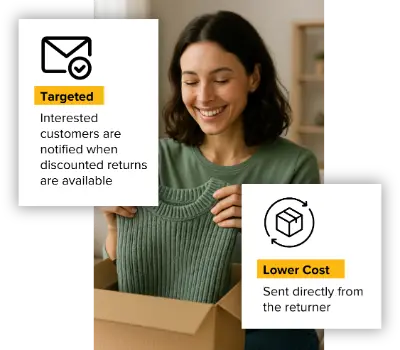
Now, next-generation Returns Solutions are natively bundled with the shipping solution and eliminate the need to manage returns across software providers. Predict returns (including returns fraud and abuse) from your own repeat buyers before you ship the order, AND predict returns from across the network of ecommerce Sellers using Cahoot. For legitimate returns of resaleable items in perfect condition, the same shipping and returns software can now automatically create listings for “open box” SKUs, and the returning customer ships them directly to the next customer that purchased the like-new open box item.
It used to be that scaling fulfillment capacity up or down was a matter of hiring more people. Seasonal or otherwise. Ugh. There’s no ability to even experiment.
Now, modern systems with flexible, built-in elastic fulfillment networks and AI-powered automation enable today’s Sellers to distribute inventory, scale capacity, and stage inventory closer to customers to minimize postage costs, at the click of a button. All within the same platform. You can plug in your own 3PL(s), outsource to a trusted network of fulfillment partners, or keep it all in-house. Entirely up to you.
Summary
Hopefully, it’s obvious how far legacy shipping software has fallen behind and what you must do to control and contain your fulfillment and reverse logistics operations costs by choosing the best shipping software options available. The future brings all the visibility, flexibility, and insights into a single platform. Key features such as real-time tracking, order automation, and customizable shipping options are essential for streamlining your shipping processes as your business grows.
It uses extensive AI-powered data analysis to act on your behalf, removing the human and improving quality at a fraction of your labor costs (probably your highest cost center behind inventory and postage).
Humans should be doing the work that machines can’t do: creative and original thinking, reasoning, and using emotional intelligence to enhance the customer experience and provide best-in-class customer service to earn customer loyalty and trust, to name a few.
Get in touch today for your free shipping cost savings analysis and stop the leaky profit.
Frequently Asked Questions
What exactly is modern ecommerce shipping software?
Next-generation shipping platforms automate your entire fulfillment workflow—everything from real-time rate shopping and label creation to intelligent cartonization and priority scheduling. They integrate with carriers like UPS, FedEx, and United States Postal Service, giving you one-click access to the lowest-cost, on-time shipping options without manual intervention.
Why can’t I stick with a legacy system like ShipStation?
Legacy tools rely on manual rate checks, tribal knowledge, and one-off settings, making them slow to adapt to ever-shifting carrier rates, dimensional-weight rules, and service windows. That means hidden overcharges, late shipments, and higher labor costs—issues modern AI-driven software prevents by continuously optimizing every order.
How much can I really save by switching to an AI-driven solution?
Automated rate shopping alone can cut your shipping spend by 20%–30% by ensuring each parcel uses the best carrier and service based on cost, speed, and origin. Intelligent cartonization further trims dimensional-weight fees by choosing the optimal box size every time, keeping more dollars in your pocket rather than the carrier’s.
Will modern shipping software help me scale during peak seasons?
Absolutely. These cloud-native platforms spin up “lights-out” label creation and fulfillment orchestration automatically, no extra hires or manual processes required. You can plug in multiple 3PLs or keep fulfillment in-house, then distribute and stage inventory closer to customers with a few clicks, so you never miss a pickup or sale.
How does integrated returns management reduce fraud and complexity?
Next-gen solutions bundle returns portals, label generation, and fraud-detection analytics into the same system you use for outbound shipping. That unified visibility lets you predict and flag high-risk return orders before they ship, automate “open-box” relisting for resaleable items, and eliminate costly data-entry errors across disconnected tools.
Written By:

Indy Pereira
Indy Pereira helps ecommerce brands optimize their shipping and fulfillment with Cahoot’s technology. With a background in both sales and people operations, she bridges customer needs with strategic solutions that drive growth. Indy works closely with merchants every day and brings real-world insight into what makes logistics efficient and scalable.

Turn Returns Into New Revenue
Related Articles

Why Fast Ground Delivery Requires Distributed Fulfillment
Fast hazmat shipping for products restricted to ground transportation comes from inventory placement, not from a faster service upgrade.

Modern Order Fulfillment Strategies for Ecommerce Success
In today’s fiercely competitive ecommerce landscape, ecommerce order fulfillment has evolved from a back-office operation to a critical strategic advantage.

Shipping Insurance for High-Value Items: Carrier Liability vs Third-Party Coverage
Most ecommerce losses on high-value shipments are not caused by theft.
Cross-Docking: Benefits, Types, and Best Practices Explained
In this article
18 minutes
- Key Takeaways
- Understanding Cross-Docking
- Advantages of Cross-Docking
- Cross-Docking vs Drop Shipping
- Cross-Docking vs Direct Shipment
- Cross-Docking vs. Traditional Warehousing
- Types of Cross-Docking
- Cross-Docking Facilities
- Challenges and Solutions in Cross-Docking
- Common Categories and Industries That Use Cross-Docking
- Best Practices for Effective Cross-Docking
- How Cahoot Supports Cross-Docking: A Practical Example
- Summary
- Frequently Asked Questions
Cross-docking is a logistics strategy that transfers products directly from inbound to outbound shipments, reducing storage time and costs. This method speeds up the supply chain and enhances delivery efficiency. In this article, you’ll learn about the benefits, types, and best practices of cross-docking.
Key Takeaways
- Cross-docking enables the rapid transfer of goods from inbound to outbound transport, minimizing storage times and reducing warehousing costs.
- This logistics strategy significantly enhances supply chain efficiency, offering benefits such as cost savings, improved inventory management, and streamlined delivery processes.
- Effective implementation of cross-docking requires timely coordination between stakeholders, robust scheduling, and continuous improvement practices to address logistical challenges.
Understanding Cross-Docking
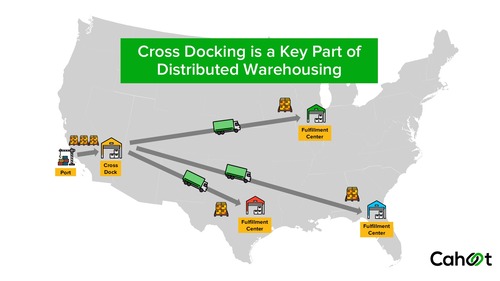
Cross-docking is a logistics process that minimizes storage and handling time by directly transferring products from inbound shipments to outbound transport. The primary goal is to reduce the time products spend in the supply chain, enhancing delivery efficiency and cutting warehousing costs. This method involves various types, such as pre-distribution, post-distribution, and continuous approaches, each supporting specific logistical needs, including Cross-docking services.
At the core of cross-docking lies in its ability to streamline the shipping process, ensuring that products move swiftly through the supply chain. Minimizing storage time leads to less inventory handling, less capital tied up in inventory for less time, and reduced warehousing costs for businesses.
What is Cross-Docking?
Cross-docking is a logistics process where products from a supplier or manufacturing plant are distributed directly to a customer or retail reseller with minimal handling and storage time. Unlike traditional warehousing, where goods are stored for extended periods, cross-docking facilities are designed for rapid movement and redistribution of goods. This approach ensures that products are sorted and dispatched almost immediately after their arrival at a logistics facility.
The primary goal of cross-docking in supply chain management is to speed up the supply chain process by reducing the need for long-term storage and minimizing handling costs. Cross-docking facilities, often referred to as cross-docks, are strategically located hubs that facilitate the direct transfer of goods from inbound to outbound transport.
Utilizing a specialized layout that minimizes storage time allows cross-docking warehouses to ensure efficient redistribution of products. This method significantly differs from traditional warehousing, focusing on fast movement and less inventory handling. The efficiency gained through cross-docking operations can lead to substantial cost savings and improved supply chain performance.
Key Steps in the Cross-Docking Workflow
The cross-docking workflow involves several key steps designed to ensure the swift movement of goods through the supply chain. It begins with receiving goods, where products are unloaded from inbound trucks at the receiving dock. This step involves minimal handling, allowing items to be quickly sorted.
Once the goods are received, they are sorted according to orders or delivery routes and redirected for immediate delivery. This sorting process is important for consolidating shipments and ensuring that products are directed to their correct destinations. The efficiency of this step is determined by the strategic layout of cross-docking facilities, which minimizes the distance goods need to travel within the warehouse. Finally, the sorted products are loaded onto outbound vehicles for delivery to their final destinations.
Advantages of Cross-Docking
Cross-docking offers numerous advantages that make it an attractive logistics strategy for many businesses. One of the primary benefits is cost savings, as it reduces the need for extensive warehousing and minimizes handling and storage expenses by cutting down on storage time and the number of human touches.
Another major advantage of cross-docking is improved efficiency. Facilitating the swift movement of goods from inbound to outbound shipments enhances delivery speed and reduces lead times. This approach also improves inventory management by minimizing excess inventory and reducing the risk of overstocking or stockouts. Together, these benefits contribute to a more streamlined and cost-effective supply chain operation.
Cost Savings
Cross-docking can lead to significant cost savings for businesses by reducing various expenses associated with traditional warehousing. Labor costs are decreased since products require less handling, leading to a reduced need for workforce management, resulting in cost savings in supply chain operations. Additionally, lower utility expenses result in more economical storage costs. By minimizing long-term storage and excessive handling, cross-docking helps businesses achieve a more cost-effective logistics strategy.
Improved Efficiency
Cross-docking enhances efficiency, allowing goods to move swiftly to their destinations. Allowing products to be sorted and dispatched almost immediately drastically cuts down on delivery times.
Regularly evaluating cross-docking processes helps identify areas for further simplification and even more efficiency. This continuous improvement loop ensures that the cross-docking operation remains streamlined and effective, ultimately leading to improved service levels and reduced costs.
Enhanced Inventory Management
Cross-docking minimizes the need to keep excess inventory to meet fulfillment expectations, helping businesses maintain optimal stock levels and reduce the chance of overstocking and stockout situations.
Machine learning and genAI applications in cross-docking can significantly improve demand forecasting by analyzing historical shipping data, real-time market trends, and geopolitical events to optimize inventory levels and capital spending. Leveraging advanced technologies to optimize inventory management ensures timely deliveries and reduces warehousing costs.
Cross-Docking vs Drop Shipping
Cross-docking and drop shipping are two distinct logistics strategies, each with its own set of advantages and disadvantages. Cross-docking focuses on the immediate transfer of goods between inbound and outbound transport, reducing storage duration and lowering costs associated with warehousing and handling. It improves supply chain efficiency by minimizing the need for long-term storage and reducing inventory touches.
On the other hand, drop shipping allows businesses to reduce the initial investment and ongoing costs associated with buying and holding inventory by having suppliers ship products directly to customers after the purchase is made. While this method also eliminates the need for inventory management and storage, it can lead to longer delivery times and increased transportation costs, which erodes margins and risks long-term customer loyalty typically (at least partially) attributed to fast and free shipping.
Cross-Docking vs Direct Shipment
When comparing cross-docking with direct shipment, both methods offer unique benefits and challenges. cross-docking allows fulfillment centers to ship internationally without altering their established processes, making it a versatile option for global logistics. However, one major drawback is that it can extend transit times, leading to longer customer wait times for receiving orders.
Direct shipment, or hubless shipping, allows retailers to fulfill orders directly from their warehouses to international customers, bypassing the need for a cross-dock center. This method can reduce transit times but may require more complex logistics management and higher inventory holding costs.
Cross-Docking vs. Traditional Warehousing
Cross-docking and traditional warehousing represent two different approaches to logistics management, each with its own set of advantages and disadvantages. The cross-docking process prioritizes rapid movement of goods, significantly decreasing the time required to get products from suppliers to customers. This method generally incurs lower operational costs related to physical storage space and inventory management compared to traditional warehousing.
However, traditional warehousing allows for better adaptability to changes in demand and inventory, serving as a buffer to manage variability. This flexibility can be crucial in industries with fluctuating demand patterns. And taking advantage of economies of scale and negotiating bulk purchases increases margins and profitability. But the extended margins on one side may be lost to fixed operating costs on the other, so businesses should understand the strengths and weaknesses of each approach and choose the one that best aligns with their operational goals and customer needs.
Types of Cross-Docking
Cross-docking can be categorized into various types, each serving distinct logistical needs. The primary types include pre-distribution, post-distribution, and continuous cross-docking. Each type is defined by the timing of product sorting and the specific logistical requirements it addresses.
Pre-distribution cross-docking involves sorting goods before they arrive at the distribution center, while post-distribution cross-docking sorts products after they reach the facility. Continuous cross-docking emphasizes an uninterrupted flow of goods through the facility, ensuring rapid transfers and meeting consistent product demand.
Additionally, consolidation and deconsolidation methods facilitate direct product shipment without prior storage, optimizing fulfillment efficiency.
Pre-Distribution Cross-Docking
Pre-distribution cross-docking involves sorting goods according to their final destination before they arrive at the distribution center. In this approach, products are sorted and designated for their final destinations before arriving at the cross-dock facility. This method streamlines logistics by ensuring timely delivery based on prior customer demand.
Organizing products before they arrive at the distribution center minimizes handling and storage time, enhancing overall supply chain efficiency. This approach is particularly beneficial for industries with predictable demand patterns and well-defined delivery routes.
Post-Distribution Cross-Docking
In post-distribution cross-docking, the final destinations of goods are determined after they have reached the distribution center. This method involves sorting and allocating products to their next destinations based on real-time demand and supplier decisions. Providing more flexibility in determining shipping destinations allows post-distribution cross-docking to adapt to changing market conditions and customer needs.
This approach allows suppliers to make informed decisions about product allocation, ensuring optimal delivery routes and minimizing excess inventory. Post-distribution cross-docking is ideal for industries with variable demand patterns and the need for agile logistics management.
Continuous Cross-Docking
Continuous cross-docking is a logistics strategy that emphasizes an uninterrupted flow of goods through the facility. This process minimizes storage time as goods move directly from inbound to outbound transport without intermediate storage. Maintaining a steady flow of products facilitates rapid transfers and meets consistent product demand in continuous cross-docking.
This approach is particularly effective for high-volume industries with steady demand, such as retail and ecommerce. Continuous cross-docking ensures that products are always on the move, reducing the need for long-term storage and maximizing supply chain efficiency.
Consolidation and Deconsolidation
Consolidation and deconsolidation cross-docking are methods that facilitate direct product shipment without prior storage, enhancing transportation efficiency. In consolidation cross-docking, multiple smaller shipments are temporarily set aside and merged into a larger shipment for more efficient transport. This method reduces transportation costs by maximizing load capacity and minimizing the number of trips required.
Deconsolidation cross-docking, on the other hand, entails breaking down large shipments into smaller, easier-to-handle deliveries for further distribution. This approach is beneficial for distributing products to multiple locations or end-users.
Both methods involve some level of product handling in the warehouse, but they significantly reduce long-term storage needs and improve overall supply chain efficiency.
Cross-Docking Facilities
The design and infrastructure of cross-docking facilities play a decisive role in overall efficiency of operations. Optimizing the layout of these facilities can significantly reduce travel time and enhance material flow, ensuring that goods move swiftly from inbound to outbound shipments. Strategic layout design, including the placement of receiving docks and loading docks, is essential for minimizing the movement distance of goods.
Automation is another critical aspect of cross-docking facilities. Implementing automated systems for transferring goods can increase operational efficiency and reduce the risk of product damage. Improvements in infrastructure and technology, such as layout design optimization and automation, contribute significantly to the success of cross-docking operations.
Cross-Docking Terminals
A cross-docking terminal is a specialized facility designed for the swift movement and redistribution of shipments, differing significantly from a standard warehouse that is geared towards storing and managing inventory over a longer period. These terminals typically feature configurations like I-shaped or T-shaped layouts to facilitate numerous loading and unloading docks. Unlike traditional warehouses, cross-docking terminals have doors on both sides to streamline the unloading and loading process for efficient goods movement.
The primary focus of cross-docking terminals is to ensure rapid transfer and sorting of goods, prioritizing efficiency over long-term storage. A well-designed cross-docking facility should feature optimized layouts and adequate handling equipment to ensure efficiency.
Cross-docking terminals facilitate the quick turnover of goods and play a vital role in enhancing supply chain operations.
Role of Digital Technology
In 2025, Walmart said its global supply chain was being reengineered with real-time AI and automation, with predictive systems already sorting produce, rerouting inventory, and pre-assembling orders in multiple markets.
Digital technology plays a pivotal role in enhancing cross-docking operations by enabling real-time tracking and management of inventory and locations within the facility. Implementing tracking systems allows for early identification of issues, which is crucial for maintaining quality throughout the cross-docking process. Automated sorting systems are integral in cross-docking to improve efficiency by minimizing manual sorting and reducing errors in the handling process.
Walmart has said it is deploying autonomous forklifts in multiple distribution centers and scaling real-time AI and automation across its supply chain. In April 2024, Walmart said it was rolling 19 autonomous forklifts across four high-tech distribution centers, showing how automation is already being deployed at scale in warehouse operations. Advanced communication technologies, such as cloud platforms and EDI, improve real-time data sharing, enhancing coordination among all parties involved in the cross-docking process.
These technological advancements are essential for maintaining smooth and efficient cross-docking operations.
Machine Learning and Analytics
Machine learning and analytics are powerful tools that can significantly improve the accuracy of demand forecasting and analytics processes in cross-docking. By analyzing historical shipping data and patterns, machine learning algorithms can optimize inventory levels, ensuring that products are available when needed while minimizing excess inventory.
This technology enhances the overall efficiency of cross-docking operations, leading to better supply chain management and improved customer satisfaction.
Challenges and Solutions in Cross-Docking
While cross-docking offers numerous benefits, it also presents several challenges that businesses must address to ensure successful implementation. One major challenge is the complexity of coordinating various stakeholders involved in the supply chain. Effective management of multiple stakeholders is essential to ensure precise timing and operations, as delays can disrupt the entire cross-docking program and lead to disappointed customers.
Another significant challenge is the high cost associated with setting up the necessary infrastructure for cross-docking operations. Investments in advanced sorting technologies and staff training can mitigate these expenses, but the initial supply chain costs can be substantial.
Additionally, maintaining stringent quality control is crucial to ensure product integrity and customer satisfaction. By addressing these challenges, businesses can optimize their cross-docking operations to be more robust, resulting in greater operational efficiency.
Coordination Complexity
Cross-docking requires effective management of multiple stakeholders to ensure precise timing and operations. Successful cross-docking relies on precise synchronization between inbound and outbound transportation schedules, which can be challenging to achieve. Maintaining real-time communication among all stakeholders helps ensure accurate information flow and timely decision-making in cross-docking operations.
Regular assessment of cross-docking processes is essential to identify areas for improvement and adapt to changing operational demands. By continuously evaluating and refining their cross-docking practices, businesses can overcome coordination complexities.
Infrastructure Costs
Depending on the volume needs of the business, setting up a cross-docking facility can incur substantial initial investments, particularly when incorporating advanced sorting technologies, but investments in technology and staff training can mitigate these expenses. Strategic planning and resource allocation help businesses reduce the financial burden of infrastructure needs and help to achieve long-term benefits.
Despite the high initial costs, cross-docking offers significant cost savings in the long run by reducing labor, storage, and management expenses. By minimizing long-term storage and excessive handling, cross-docking helps businesses achieve a more cost-effective business model.
Quality Control
Quality control is essential in cross-docking to ensure product integrity and customer satisfaction. The quick assessment of damage during unloading allows for immediate action on compromised products, maintaining high standards of quality throughout the cross-docking process. Implementing robust quality control measures helps businesses maintain the trust and satisfaction of their customers.
Regular monitoring and evaluation of quality control processes are crucial for identifying and addressing potential issues. Maintaining stringent quality control ensures that cross-docking operations remain efficient and reliable.
Common Categories and Industries That Use Cross-Docking
Cross-docking is widely used in various industries, particularly those dealing with perishable or time-sensitive items. The retail sector, for instance, utilizes cross-docking to enhance order speed and minimize inventory costs, ensuring quick delivery of goods to consumers. Fast-moving sectors like fashion, electronics, and groceries significantly benefit from cross-docking by meeting the demands for speedy delivery.
Other industries that leverage cross-docking include food and beverage, automotive, ecommerce, and healthcare. In the automotive industry, cross-docking supports Just-in-Time manufacturing, ensuring timely delivery of components and minimizing warehousing needs. Ecommerce companies also benefit from cross-docking by streamlining their supply chains, ensuring efficient logistics and rapid fulfillment.
Best Practices for Effective Cross-Docking
Effective cross-docking implementation relies on seamless collaboration between suppliers, manufacturers, and retailers to avoid disruptions. Timely coordination between inbound and outbound shipments is critical, as delays can disrupt the entire operation. Continuous communication and real-time updates among all parties involved ensure smooth and efficient cross-docking activities.
Implementing a well-defined management system and regularly evaluating cross-docking processes are essential for overcoming logistical challenges related to timing and space management. By following best practices, businesses can achieve successful cross-docking operations and enhance their supply chain efficiency.
Efficient Scheduling
Accurate shipment scheduling is vital to ensure timely arrivals and departures and minimize idle time at cross-dock facilities. Precise scheduling is critical in cross-docking to synchronize inbound and outbound shipments and prevent operational delays. Creating a well-planned transportation schedule ensures that inbound and outbound shipments are coordinated to avoid delays and maximize throughput.
Effective scheduling helps businesses maintain a steady flow of goods, reducing the risk of bottlenecks and enhancing overall supply chain efficiency. By investing in robust scheduling systems, companies can achieve significant planning and operational benefits in their cross-docking operations.
Real-Time Communication
Maintaining continuous communication between all parties involved is crucial for the smooth execution of cross-docking. Real-time communication ensures that any issues or delays are promptly addressed, minimizing the impact on the overall operation. Advanced communication technologies, such as cloud platforms and EDI, enable instant updates and coordination among suppliers, manufacturers, and retailers, enhancing the efficiency of cross-docking processes.
Fostering open and transparent communication channels ensures that all stakeholders are aligned and informed, leading to more effective and efficient cross-docking operations. Regularly updating and refining communication protocols is essential for maintaining high standards in cross-docking activities.
Continuous Improvement
Continuous improvement in cross-docking processes is key to maintaining efficiency and customer satisfaction. Regular evaluation of cross-docking practices helps identify areas for enhancement, contributing to overall efficiency and effectiveness. By continuously refining their operations, businesses can achieve faster product turnover and quicker order fulfillment, enhancing customer satisfaction.
Implementing a culture of continuous improvement ensures that cross-docking operations remain agile and responsive to changing market conditions. Regularly assessing processes and making necessary adjustments helps businesses maintain high standards in supply chain management and achieve long-term success.
How Cahoot Supports Cross-Docking: A Practical Example
Many Cahoot clients supplement their traditional warehousing and ecommerce order fulfillment operations with a cross-dock program. After setting up relationships with vendors, Sellers create large product catalogs and list the items across their sales channels. After the daily order cutoff time, (usually 5 or 6 pm local time), the list of SKUs and quantities are sent to the vendors as a purchase order where the order is picked and packed into a bulk shipment and delivered by the next morning or following day. The bulk delivery is unpacked, items are matched to orders, fulfilled same-day and handed over to carriers for final-mile delivery.
Many vendors that support these cross-docking relationships approve regional ambassadors as their go-to partners in those regions, but not in distant regions. By partnering with the Cahoot elastic warehousing network, new regions are opened up for those Sellers allowing them to ship and deliver orders faster across the nation, rather than limited to a particular region. New vendors become available, product catalogs grow and provide more opportunities for discoverability and sales, and Sellers increase revenue and profitability, besides reducing fulfillment expenses by outsourcing the remote fulfillment operations and improving margins even more.
Contact us to learn more.
Summary
Cross-docking is a powerful logistics strategy that offers numerous benefits, including cost savings, improved efficiency, and enhanced inventory management. By minimizing storage and handling time, businesses can achieve faster deliveries and reduce warehousing costs, leading to a more streamlined and cost-effective supply chain operation.
Successful cross-docking implementation requires careful planning, effective coordination, and continuous improvement. By following best practices and leveraging advanced technologies, businesses can optimize their cross-docking operations and achieve greater supply chain efficiency. As logistics and supply chain management continue to evolve, cross-docking will remain a vital strategy for businesses looking to enhance their operations and meet the demands of an increasingly competitive market.
Frequently Asked Questions
What is the primary goal of cross-docking in supply chain management?
The primary goal of cross-docking in supply chain management is to expedite the supply chain and fulfillment workflows by minimizing storage time and lowering handling costs. This approach enhances efficiency and responsiveness in product distribution.
What is cross-docking?
Cross-docking is an efficient logistics method that enables products to move directly from suppliers to customers or retailers with minimal handling and storage in between. This approach streamlines operations and reduces delivery times.
Which companies leverage cross-docking to streamline their operations?
Walmart is a documented example of a company that uses cross-docking, and many retailers and manufacturers use the method to improve distribution efficiency.
What are the advantages of cross-docking?
Cross-docking offers significant advantages such as expedited delivery times, minimized storage and transportation costs, and reduced labor expenses. Additionally, it lowers the risk of spoilage, damage, or theft due to limited handling of goods.
What is a cross-docking terminal?
A cross-docking terminal is a specialized facility focused on the rapid transfer and reallocation of shipments, in contrast to traditional warehouses that primarily store inventory for extended periods. This efficiency in handling logistics streamlines the supply chain process.
Written By:

Jeremy Stewart
Jeremy Stewart leads customer success at Cahoot, helping merchants achieve high-performance logistics through smart technology and process optimization. With a background in both ecommerce operations and client services, Jeremy ensures that every merchant using Cahoot gets measurable results—whether they’re scaling from one warehouse to many or managing complex returns.
Turn Returns Into New Revenue
Related Articles
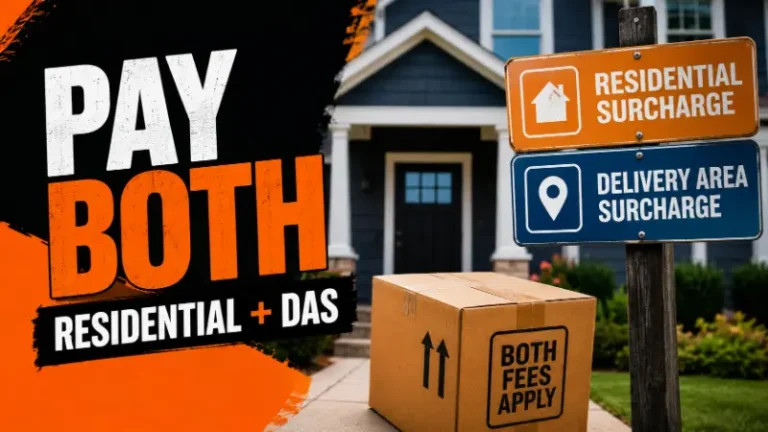
Residential Surcharge vs Delivery Area Surcharge: Why You May Pay Both
A residential surcharge is a per-package fee based on delivery destination type: it applies when a carrier classifies the address as residential or home-based.

Amazon Meltable Fulfillment: Keep Chocolate Selling Through Summer
Amazon meltable fulfillment does not have to stop when FBA’s summer restrictions begin.
Why Fast Ground Delivery Requires Distributed Fulfillment
Fast hazmat shipping for products restricted to ground transportation comes from inventory placement, not from a faster service upgrade.
Packing Slip: Essentials & Best Practices for Accurate Shipping

In this article
10 minutes
- Key Takeaways
- What is a Packing Slip?
- Key Elements of a Packing Slip
- Packing Slip vs. Other Shipping Documents
- Importance of Packing Slips in Ecommerce
- Printing and Customizing Packing Slips
- Digital Packing Slips: Advantages and Implementation
- Best Practices for Using Packing Slips
- Case Studies: Successful Use of Packing Slips
- Summary
- Frequently Asked Questions
A packing slip is essential for ensuring accurate deliveries of ecommerce orders. It provides a list of the items in a package, helping recipients confirm they’ve received everything. In this article, we’ll explain what a packing slip is, why it’s important, and how to create one that is effective.
Key Takeaways
- A packing slip is a critical document that itemizes shipment contents, aiding in order verification, inventory management, and customs clearance.
- Key elements of an effective packing slip include accurate sender and receiver details, item descriptions, quantities, and SKU numbers, ensuring clarity and order accuracy.
- Utilizing packing slips effectively enhances customer satisfaction and operational efficiency, as demonstrated by companies like Walmart and FedEx through improved inventory management and expedited customs processes.
What is a Packing Slip?
As of August 29, 2025, CBP’s e-commerce FAQs state that duty-free treatment for low-value shipments valued at or under $800 from all countries is suspended.
A packing slip is a document that is included inside a package that is shipped to a customer to fulfill their online order. It contains an itemized list of the products inside. Also known as a packing list, this document accompanies shipments of goods, providing detailed information about the contents of the package. The primary purpose of a packing slip is to inform the recipient about what is included in the shipment, what is intentionally missing, and why, as well as to help them verify that they have received all items as expected.
Packing slips help identify damaged items during transit, ensure order accuracy, and facilitate potential refunds. Additionally, they assist in tracking inventory levels, ensuring all ordered items are included in a shipment, confirming that it is complete and accurate. Typically, a packing slip includes details such as the order number, date of shipment, sender and recipient information, as well as an itemized list of the shipment contents.
Amazon’s transition to digital packing slips, for example, reduced paper usage by 30% within a year and streamlined the packing process by removing. Listing all items in a shipment, packing slips ensure accurate delivery and contribute to a seamless shipping workflow.
Key Elements of a Packing Slip

Several key elements must be included in packing slips to serve their purpose effectively. Sender’s name, address, and contact information are vital for proper identification. Accurate receiver information, including the recipient’s name, address, and any special instructions, helps avoid delivery issues.
The itemized list in a packing slip should detail each product with its name, description, quantity, and unit price for verification. Additionally, important elements like SKU numbers and customer information should be present on packing slips to avoid confusion, ensure smooth processing, and facilitate speedy customer service if needed after delivery.
Including these details helps maintain order accuracy and facilitates efficient inventory management.
Packing Slip vs. Other Shipping Documents
Packing slips serve a unique role in the shipping process, providing an itemized list of the contents within a shipment to ensure clarity and accuracy for both warehouse staff and customers. However, they are not the only documents involved in shipping; a shipping label is also essential.
Understanding their specific function involves comparing packing slips with other shipping documents like invoices, bills of lading, and delivery notes.
Difference Between a Packing Slip and an Invoice
Packing slips verify shipment contents, while invoices provide payment information. Invoices serve as formal records of transactions, including payment terms and due dates, whereas packing slips are simply meant for verifying shipment contents. Unlike invoices, packing slips do not usually display the price of the items, focusing instead on the delivery details.
Difference Between a Packing Slip and a Bill of Lading
A bill of lading acts as a legal contract between the involved parties, while a packing slip serves as an internal document summarizing shipment contents. Packing slips list the items included in the shipment without legal obligations. A bill of lading, on the other hand, signifies ownership transfer from the Seller to the buyer and is handled by the shipping company.
Packing slips detail shipment contents without payment methods or contractual obligations, while bills of lading serve as contracts and invoices request payment. This distinction highlights the unique function of packing slips.
Difference Between a Packing Slip and a Delivery Note
Packing slips provide detailed descriptions and quantities of shipped items, while delivery notes confirm the delivered items. Packing slips itemize shipped products with relevant details. Delivery notes confirm receipt without detailing discrepancies or financial information.
In summary, while packing slips provide comprehensive details about the order, delivery notes focus solely on confirming the receipt of items. This distinction further clarifies the specific roles each document plays in the shipping process.
Importance of Packing Slips in Ecommerce
In the ecommerce supply chain, packing slips serve as formal records accompanying order delivery. Recipients can verify that all items have been received compared to what was intended to be shipped, linking online orders to physical products, ensuring accuracy such that customers receive what they paid for. This verification reduces disputes and returns by allowing customers to quickly identify if their order is correct. Accurate order fulfillment and customer satisfaction depend on this verification process.
Some packing slips display Quantity on Hand, which enables warehouse staff to physically confirm how many units of each product are available during the shipping workflow; a mini cycle count of sorts. These documents help track shipped items, making inventory management more accurate. Therefore, packing slips help businesses maintain accurate inventory levels so they create purchase orders to replenish depleting items when necessary.
Accurate packing slips serve as an extension of a brand, providing an opportunity for customer engagement during the unboxing experience. Including warranty details or return instructions can clarify procedures and reduce customer service time. Showing care in fulfillment accuracy satisfies customer expectations and leads to repeat customer orders.
Printing and Customizing Packing Slips
Amazon Business now lets sellers manage paper packing slip preferences, and digital versions are available in Your Orders for 90 days after an order ships.
Methods to print packing slips include Excel templates, shipping software, and integrated ecommerce platforms. Customizing packing slips enhances brand identity and improves customer engagement. Customization ideas include adding logos, colors, product images, and promotional messages.
Methods to Print Packing Slips
Adobe Commerce, Shopify, Amazon, and eBay support printing packing slips. They can also be printed directly from online marketplaces like Etsy and WooCommerce. Dedicated shipping software allows batch printing for multiple orders, streamlining the process.
Tools for professional packing slips include DIY packing slip templates in Excel and Google Sheets, labeling services, and inventory management software.
Customizing Packing Slips
Customizing packing slips creates a cohesive brand experience, enhances customer engagement, and improves retention. Enhancements can include logos, colors, product images, and promotional offers or social media prompts. Strategies include offering discounts, exclusive coupons, or promoting new products and upcoming sales.
High-quality paper can positively impact customers’ perceptions of the brand. Eco-friendly materials align with sustainable branding efforts. Incorporating customer names or gift messages on packing slips can enhance the personal touch and improve customer experience.
Custom packing slips can also feature seasonal themes to resonate with customers during holidays.
Digital Packing Slips: Advantages and Implementation
Digital packing slips offer several advantages over traditional versions. They reduce paper waste, provide faster access to details, and streamline delivery. Amazon Business now lets sellers manage paper packing slip preferences, and digital versions are available in Your Orders for 90 days after an order ships. Using digital versions or recycled materials promotes sustainability, appealing to environmentally-conscious customers.
They can also include QR codes linking to product reviews or additional information, such as product demos. This feature facilitates easy access to online resources, enhancing customer experience and engagement.
Implementing digital packing slips not only benefits the environment but also boosts operational efficiency and customer satisfaction.
Best Practices for Using Packing Slips
Standard practices for packing slips can significantly enhance shipping efficiency and accuracy. Effective packing slips serve as checklists detailing shipment contents, improving accuracy and efficiency. Using a customizable packing slip template can streamline their creation, printing, and automating generation and printing minimizes errors and adds efficiency gains.
Double-Checking Information
Verifying the accuracy of information on packing slips helps prevent shipping errors. Double-checking item quantities and descriptions avoids mistakes and confusion during shipping. Accurate packing slip information before dispatch reduces discrepancies and ensures the correct items are shipped.
Including All Necessary Details
A packing slip should include Buyer and Seller information, item descriptions, quantities, weights, SKU or UPC codes, and the shipping address.
Keeping Consistent Formats
A uniform format streamlines fulfillment and reduces mistakes. A consistent layout and design imply professionalism and clarity. Standardized formats streamline operations and reduce errors by providing repeatable consistency, making the process more efficient.
Case Studies: Successful Use of Packing Slips
Case studies from companies like Walmart and FedEx demonstrate the benefits of using packing slips effectively. Integrating packing slips with inventory management systems has led to remarkable improvements in operational efficiency and customer satisfaction.
Walmart’s Inventory Management Integration
Walmart achieved a 15% decrease in inventory errors and improved operational agility by integrating packing slips with its inventory management system.
FedEx’s Customs Clearance Efficiency
FedEx automated the creation of packing slips, which helped reduce the time required for customs clearance and reduced customs clearance delays by 20%, enhancing overall shipping efficiency and delivery times.
Summary
Packing slips are indispensable tools in the shipping process, providing detailed information about the contents of a package and ensuring order accuracy. They play a vital role in inventory management, customer satisfaction, and operational efficiency. By understanding the differences between packing slips and other shipping documents, businesses can utilize them more effectively to streamline their shipping processes and enhance customer trust.
Implementing best practices for creating and using packing slips, such as double-checking information, including all necessary details, and maintaining consistent formats, can significantly improve shipping accuracy and efficiency. The case studies of Walmart and FedEx illustrate the tangible benefits of integrating packing slips with inventory systems and automating their generation for customs clearance. Embracing these practices can lead to smoother operations, fewer errors, and happier customers.
Frequently Asked Questions
What is the difference between a packing slip and a delivery slip?
The key difference between a packing slip and a delivery slip lies in their purpose: a packing slip details the contents of the shipment, while a delivery slip, or delivery note, serves as proof of delivery and typically requires a signature. Thus, a packing slip focuses on item details, whereas a delivery slip confirms successful delivery.
What is a packing slip?
A packing slip is a document that itemizes all the products included in a package, serving as a reference for both the sender and the recipient. It contains essential details like SKU numbers and quantities to ensure accurate order fulfillment.
What information is typically included on a packing slip?
Packing slips typically include buyer and order information, a list of items with quantities, product weight, and SKU or UPC codes. This ensures clarity and organization during the shipping process, which in turn minimizes fulfillment mistakes.
What role do packing slips play in increasing customer satisfaction?
Packing slips show that a business values accuracy in fulfilling orders, engendering trust with customers and encouraging repeat purchases.
Written By:
Jeremy Stewart
Jeremy Stewart leads customer success at Cahoot, helping merchants achieve high-performance logistics through smart technology and process optimization. With a background in both ecommerce operations and client services, Jeremy ensures that every merchant using Cahoot gets measurable results—whether they’re scaling from one warehouse to many or managing complex returns.
Turn Returns Into New Revenue
Related Articles
Why Fast Ground Delivery Requires Distributed Fulfillment
Fast hazmat shipping for products restricted to ground transportation comes from inventory placement, not from a faster service upgrade.
Modern Order Fulfillment Strategies for Ecommerce Success
In today’s fiercely competitive ecommerce landscape, ecommerce order fulfillment has evolved from a back-office operation to a critical strategic advantage.
Shipping Insurance for High-Value Items: Carrier Liability vs Third-Party Coverage
Most ecommerce losses on high-value shipments are not caused by theft.
How to Lower Shipping Cost Without Compromising Delivery Speed
In this article
10 minutes
- The True Cost of Shipping
- Why Shipping Costs So Often Outpace Revenue
- Understanding What Drives Shipping Costs
- 1. Choose the Right Packaging
- 2. Use Multi-Carrier Rate Comparison
- 3. Negotiated & Volume Discounts
- 4. Flat Rate Shipping and Free Shipping Thresholds
- 5. Audit Invoices and Billing Discrepancies
- 6. Consider Regional and Hybrid Carriers
- 7. Optimize International and Cross-Border
- Leverage Shipping Technology and Software
- Delivering Excellent Customer Service Without Raising Costs
- Frequently Asked Questions
Shipping costs can feel like a runaway train; you want to slow them down, but not at the expense of your customers’ expectations. After a decade in ecommerce and fulfillment, I’ve seen brands slugged by one-size-fits-all shipping policies. When you treat shipping as a profit lever instead of pure cost, sudden wins emerge around shipping strategy, packaging choices, and carrier comparison.
Let’s break down exactly how you can cut shipping costs without slowing down delivery time or destroying customer trust.
The True Cost of Shipping
Shipping costs are more than just a line item; they can make or break your business’s profitability, especially for small businesses navigating the world of ecommerce. As online shopping continues to surge, finding the cheapest shipping method becomes a top priority for retailers looking to stay competitive. The true cost of shipping depends on several factors, including package weight, dimensions, and the destination. With so many shipping services and shipping options available, from USPS to UPS and FedEx, it’s essential to understand how different shipping rates and flat rate shipping options can impact your bottom line.
Savvy businesses know that the cheapest shipping isn’t always about cutting corners; it’s about making informed choices. By comparing carrier rates, leveraging flat rate shipping, and streamlining your shipping process with the right technology, you can save money without sacrificing speed or reliability. Whether you’re shipping a single package or managing bulk orders, understanding your options is the first step toward a more cost-effective shipping strategy.
Why Shipping Costs So Often Outpace Revenue
Between fuel surcharges, dimensional weight, and peak-season add-ons, your average shipping fee isn’t static; it’s a multi-headed beast. A Linnworks report (July 2025) found 40 % of retailers say shipping costs are their #1 headache—every overpaid label is money you can’t reinvest in growth.
Another silent killer? Lack of transparency. If your shipping zones and costs aren’t communicated clearly, expect cart abandonment or WISMO spikes. Unclear shipping costs can create confusion about product prices and the total order value, making customers question the final amount they’ll pay and eroding trust in your pricing. I’ve seen brands lose customers, not because shipping was slow, but because it was unpredictable.
Understanding What Drives Shipping Costs
USPS raised competitive shipping prices effective January 18, 2026, so any cost example in this section should be checked against the current USPS price files before publishing.
USPS has also announced a transportation-related time-limited price change that starts April 26, 2026, so shipping-cost examples should be checked against the current USPS price files before publication.
Shipping costs are shaped by a mix of variables that can quickly add up if not managed carefully. The main drivers include package weight, dimensions, shipping zones, and the desired delivery speed. Each of these factors influences the shipping rate you’ll pay, and even small changes can lead to significant savings.
Using a multi-carrier shipping rate calculator is a smart way to determine the cheapest shipping rates for each order. Many businesses also take advantage of negotiated UPS, FedEx, and USPS discounts to reduce shipping costs on domestic shipments. Volume discounts and bulk shipping can further cut shipping costs, especially if you consistently ship large quantities.
To maintain steady shipping costs, it’s important to develop a shipping strategy that leverages discounted shipping rates and prioritizes the cheapest shipping options for each order. By understanding how shipping zones, package size, and weight affect your shipping rate, you can make informed decisions that help you cut shipping costs while still meeting your customers’ delivery speed expectations.
1. Choose the Right Packaging
Packaging choice directly affects dimensional weight pricing. DIM weight charges by space (cubic volume), not actual weight.
Focusing on:
- Package dimensions: even 2–3 extra inches matters.
- Packaging materials: polybags or bubble mailers can cut waste and weight. Bubble wrap is a lightweight packing material that cushions fragile items and fills empty space, helping protect products during shipping and reducing costs.
- Custom vs standard: custom packaging sized close to your product dimensions may cost more in some cases, but can reduce damages, improve efficiency, and lead to cost savings. Some carriers also offer free packaging options, which can further reduce costs.
Selecting the right packing supplies, such as poly mailers, envelopes, tape, and bubble wrap, minimizes shipping costs and improves efficiency.
One Shopify guide from June 2025 shows USPS flat-rate boxes are often the fastest and cheapest shipping method for common 2–3 day parcels.
To further reduce package weight, use smaller boxes and lightweight materials whenever possible.
2. Use Multi-Carrier Rate Comparison
USPS might be cheapest for small items; UPS or FedEx might beat them on heavier ones. That’s why it’s important to compare carriers, including major carriers like USPS, UPS, and FedEx, for each shipment to ensure you get the best rates.
Rate-shopping software (like Cahoot and Shippo) can automate comparisons:
- Provide instant access to live shipping rates from multiple major carriers
- Auto-select the cheapest shipping rates that still meet your delivery expectations
- Print shipping labels with no manual switching
On Reddit, a Shopify merchant wrote:
“USPS cubic rates are the cheapest for most of our 1–10 lb items. UPS only wins on heavy boxes.”
That’s the power of dynamic rate-shopping: your checkout becomes a mini-negotiator. The Linnworks report specifically called rate-shopping one of the top 6 ways to slash shipping costs this year.
3. Negotiated & Volume Discounts
If you ship over minimum volumes, you can tap into discounted shipping rates. Many carriers have minimum volume requirements to qualify for discounted rates and shipping discounts, so small businesses need to be aware of these thresholds to access lower prices. UPS/FedEx both offer volume-based tiers, but only if you hit those thresholds.
Platforms like Easyship and Cahoot offer collective volume discounts to small brands, helping you access cheaper shipping rates by pooling shipments to meet minimum volume requirements. This allows small businesses to benefit from shipping discounts and discounted rates that would otherwise be unavailable.
Even USPS has programs like USPS Ground Advantage and Media Mail, which often beat UPS and FedEx on low-weight but non-time-sensitive parcels.
Negotiating directly with carriers or using shipping platforms is key to unlocking discounted rates and shipping discounts for your business.
4. Flat Rate Shipping and Free Shipping Thresholds
Flat-rate shipping options, such as USPS Priority Mail Flat Rate boxes, offer predictable pricing and come with free packaging, which adds meaningful additional savings per shipment.
Use them wisely:
- Offer free shipping only over an AOV threshold that covers your average shipping cost.
- Use flat-rate only when it’s actually cheaper than the carrier quote.
Shopify and Linnworks agree: stacking a free shipping threshold can increase AOV, spreading fixed shipping costs across more items.
5. Audit Invoices and Billing Discrepancies
Ever audit your carrier invoices? One audit uncovered thousands in refunds due from carrier overcharges, like charges for “Paper Commercial Invoice Service” that were mistakenly added for every international shipment.
Implement a quarterly invoice audit or use software that flags:
- Fuel surcharge changes
- Dimensional weight mischarges
- Paper invoice fees
You’d be surprised how costs can shrink overnight.
6. Consider Regional and Hybrid Carriers
Large carriers may not always win. A HubBox case study says pickup at checkout can save as much as $5 per package and an average of 30% on shipping costs.
Plus, regional carriers often have fewer additional fees or surcharges. Pair them with USPS for last-mile and you get competitive rates that keep delivery costs low and on-time delivery high.
7. Optimize International and Cross-Border
USPS revised international competitive service prices effective January 18, 2026, so cross-border rate checks should be refreshed before quoting landed cost.
If you’re shipping globally, factors like duties and fees matter, but international shipping costs also kill margins if unmanaged. Linnworks flags this as a top 3 challenge for 2025. Finding cost-effective solutions for international shipments is essential for maintaining profitability and customer satisfaction.
Solutions:
- Pre-calculate duties and taxes at checkout
- Use DDP or prepaid customs
- Use a shipping tool that shows most shipping carriers for international lanes
- Consider expedited or optimized shipping methods to offer faster shipping for international customers
Segment international orders differently. Don’t treat them like domestic, or you’ll lose 10–20 % to surprise fees and abandoned carts.
Leverage Shipping Technology and Software
Modern shipping technology and software are game-changers for businesses aiming to reduce costs and streamline their shipping process. With the right shipping software, you can easily compare carrier rates, print shipping labels, and track shipments, all from a single dashboard. This not only saves time but also ensures you’re always getting the cheapest shipping rates available.
Services like USPS Ground Advantage and USPS Priority Mail offer competitive rates and fast delivery times, making them excellent choices for businesses that need to balance cost and speed. Shipping rate calculators built into these platforms help you identify the most cost-effective shipping services for each package, whether you’re sending lightweight parcels or heavier shipments.
Automating your shipping process with software reduces manual data entry, minimizes errors, and allows you to print shipping labels instantly. By integrating these tools into your workflow, you can reduce costs, improve delivery times, and provide a seamless shipping experience for your customers, all while staying ahead of the competition.
Delivering Excellent Customer Service Without Raising Costs
Providing top-notch customer service doesn’t have to mean higher shipping expenses. By leveraging shipping technology and adopting a smart shipping strategy, you can offer fast, reliable shipping options that delight customers without straining your budget. Setting a free shipping threshold encourages larger orders, helping to offset shipping costs while meeting customer expectations for free shipping.
Choosing the right packaging materials and considering shipping insurance can further enhance the customer experience, ensuring products arrive safely and on time. Data and analytics tools can help you fine-tune your shipping strategy, identifying opportunities to reduce costs and improve delivery times.
Remember:
1. Shipping costs and delivery speed don’t have to trade off; smart packaging, rate-shopping, and audit discipline let brands cut costs and keep promises.
2. Dimensional weight is a stealth margin-killer: shrink boxes, and you shrink costs.
3. Rate comparisons = real negotiating power: small brands can access big discounts when they shop across carriers.
4. Oversight matters: invoices are full of surprise charges, but an audit saves the net margin.
5. Customer expectations shape cost: free shipping succeeds when paired with transparency, and funds future scalability.
Ultimately, the key is to align your shipping options with customer expectations, offering the speed and reliability they want, while using cost-effective solutions to protect your margins. With the right approach, you can deliver excellent customer service and maintain a healthy bottom line.
Frequently Asked Questions
What is the cheapest shipping method for small ecommerce items?
USPS Ground Advantage is a lower-cost option for lightweight parcels (under 10 lb), and USPS Priority Mail Flat Rate boxes can be cost-effective for items that fit the box. Compare rates using a shipping rate calculator like Cahoot.
How do I reduce dimensional weight charges?
Use right-sized packaging materials, minimize empty air space, and choose polybags or bubble mailers for lightweight products. Dimensional weight pricing applies when package volume exceeds actual weight.
Can small businesses get discounted shipping rates?
Yes, through negotiated volume discounts, or by using 3PL/4PLs or shipping platforms that pool volume. Many offer discounted shipping rates for brands shipping over minimum volumes.
Does offering free shipping hurt margins?
Not if your free shipping threshold is above average shipping cost, and if the checkout communicates savings clearly. Customers often spend more to qualify, and you lock in larger orders.
Should I audit my shipping invoices?
Absolutely. Carriers frequently include unexpected surcharges, and they’re not immune to billing errors. Regular audits (or software) can identify and help recover overcharges like fuel surcharges or incorrect invoice fees.
Written By:

Rinaldi Juwono
Rinaldi Juwono leads content and SEO strategy at Cahoot, crafting data-driven insights that help ecommerce brands navigate logistics challenges. He works closely with the product, sales, and operations teams to translate Cahoot’s innovations into actionable strategies merchants can use to grow smarter and leaner.
Turn Returns Into New Revenue
Related Articles
Residential Surcharge vs Delivery Area Surcharge: Why You May Pay Both
A residential surcharge is a per-package fee based on delivery destination type: it applies when a carrier classifies the address as residential or home-based.
Amazon Meltable Fulfillment: Keep Chocolate Selling Through Summer
Amazon meltable fulfillment does not have to stop when FBA’s summer restrictions begin.
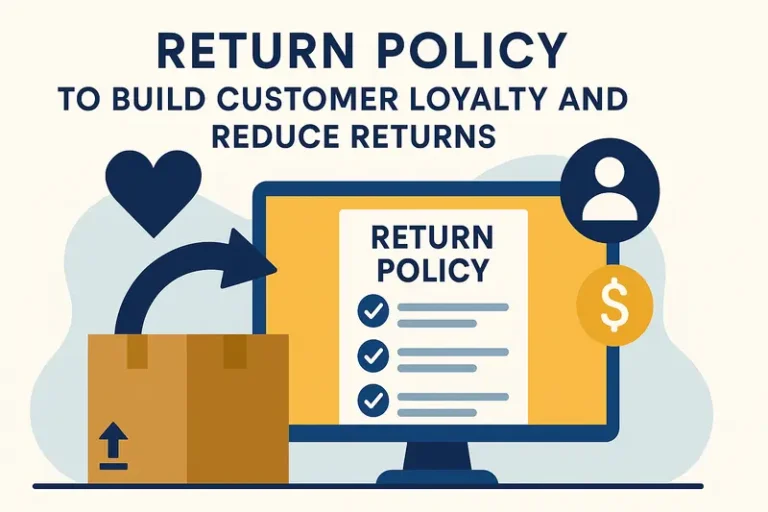
Crafting a Return Policy that Drives Customer Loyalty and Reduces Returns
Let’s talk about ecommerce returns policies.
Ecommerce Shipping Software: Top Benefits of Using Shipping Software in 2026

In this article
12 minutes
- Key Takeaways
- Why Use Ecommerce Shipping Software?
- How to Choose the Right Shipping Software for Your Business
- Enhancing Customer Experience with Shipping Software
- International Shipping Considerations
- Leveraging Analytics and Reporting
- Security and Compliance in Shipping Software
- Cahoot Ecommerce Shipping Software Solution
- Summary
- Frequently Asked Questions
Ecommerce shipping software automates crucial shipping tasks for online retailers, promoting efficiency and reducing costs. In this article, we’ll review the top 8 ecommerce shipping software solutions for 2026 and explore how they can improve your shipping process and customer satisfaction.
Key Takeaways
- Ecommerce shipping software automates the order fulfillment process, improving efficiency and reducing costs for online retailers.
- Key features to consider when selecting shipping software include integration capabilities, multi-carrier support, real-time tracking, and automated label creation and printing.
- Effective shipping solutions not only enhance customer satisfaction through timely deliveries and streamlined returns management but also provide valuable analytics for optimizing shipping operations.
Why Use Ecommerce Shipping Software?
Ecommerce shipping software automates and manages the order fulfillment process, making it indispensable for online retailers. These solutions streamline operations involved in freight delivery, such as searching for carriers, printing shipping labels, comparing shipping rates, and tracking shipments.
The right shipping software not only improves efficiency but also reduces costs, providing transparency in shipping expenses and ensuring reliable delivery.
Key Features to Look For
When evaluating ecommerce shipping software, consider the following key features:
- Integration capabilities: Seamless connections with various ecommerce platforms and sales channels ensure smooth data flow and reduce manual data entry and errors stemming from obsolete data.
- Multi-carrier support: This allows businesses to choose from a variety of shipping carriers and services, providing flexibility and adaptability to different needs.
- Real-time tracking: Offers updates and notifications regarding shipment status, providing transparency for both retailers and customers.
- Automated label creation and printing: Streamlines shipping workflows and allows for customization options that align with brand identity.
By focusing on these features, you can select the best ecommerce shipping software for your business needs.
The ideal shipping software should offer a clean and user-friendly interface that allows businesses to choose shipping software to manage shipping tasks with just a few clicks. Some platforms even provide a free plan, making them accessible to businesses of all sizes. These features ensure that the software is not only effective but also easy to implement and use, contributing to overall operational efficiency.
Benefits for Online Retailers
Ecommerce shipping software offers significant benefits for online retailers. One of the primary advantages is cost efficiency. By optimizing carrier selection, these solutions help reduce shipping expenses, positively impacting profit margins. Streamlined shipping workflows speed up the packing and dispatching process, saving time and reducing errors. This automation is particularly beneficial for small businesses, enabling them to meet growing customer demands while maintaining efficiency.
In addition to reducing costs, shipping software can provide exclusive shipping discounts and instant savings to reduce shipping costs, further enhancing profitability. These platforms often integrate with multiple carriers, offering discounted shipping rates that are not available through direct negotiations.
Ecommerce shipping solutions improve operational efficiency and offer better shipping options. These boost customer satisfaction and retention, contributing to a more successful online store.
How to Choose the Right Shipping Software for Your Business
Choosing the right ecommerce shipping solution involves understanding your business model and specific needs. Key considerations include integration capabilities, scalability, and cost.
You’ll want to select software that meets your operational requirements and promotes peak efficiency, ultimately boosting customer satisfaction by meeting the expectations set during checkout.
Assessing Your Shipping Volume
Matching your shipping software’s capabilities with your shipping volume is essential for managing fluctuations during peak seasons or as your business scales. Many shipping solutions offer tiered pricing based on volume, significantly affecting overall shipping expenses. USPS also introduced a temporary peak-season price change for some package services from October 5, 2025 through January 18, 2026, so merchants that ship heavily during peak periods should re-run rate comparisons before publishing shipping rules. For businesses with high order volumes, features like bulk label printing can simplify the shipping process and save significant amounts of time.
As sales volume increases, inefficiencies in manual shipping processes become more pronounced, making it necessary to use advanced tools for processing hundreds or thousands of orders a day. Choosing software that can scale with your shipping volume ensures that you can handle seasonal spikes or consistent growth without compromising efficiency.
Evaluating Integration Capabilities
Integration with ecommerce platforms and carriers is crucial for smooth data flow and reducing manual data entry that leads to expensive errors. Solutions that support comprehensive carrier integrations, for example, provide flexibility that allows businesses to access multiple delivery options, compare real-time shipping rates, and create the best service level agreements for shipments. Choosing shipping software that easily connects with other applications can streamline processes and improve overall performance.
Comparing Costs and Discounts
When selecting shipping software, it’s essential to compare costs and look for exclusive shipping discounts. USPS Shipping Services prices took effect on January 18, 2026, with approximately 6.6% higher Priority Mail rates, 5.1% higher Priority Mail Express rates, 7.8% higher USPS Ground Advantage rates, and 6.0% higher Parcel Select rates. Real-time carrier rates allow businesses to quickly compare shipping costs from different providers, ensuring the best deal for each shipment. Platforms like Cahoot and Easyship provide access to pre-negotiated shipping rates, enabling cost savings for users that are unattainable otherwise. Detailed reports on Shipment Insights (claims, damages, and carrier performance) can help businesses identify cost-saving opportunities and make data-driven decisions to optimize their shipping strategy.
Enhancing Customer Experience with Shipping Software
Improving customer satisfaction through timely deliveries is a key advantage of utilizing ecommerce shipping software. These platforms enhance the delivery experience by providing timely updates on shipping statuses and reducing inquiry volumes.
Features like real-time tracking and streamlined returns management play a significant role in boosting customer satisfaction and retention.
Real-Time Tracking and Notifications
Real-time tracking features in shipping software enable customers to monitor their package status throughout the delivery process. This transparency is central to reducing customer anxiety and improving overall satisfaction. Automated notifications provide timely updates about order status, ensuring that customers are always informed about their shipments.
Effective shipping software should offer branded tracking communications, enhancing the customer experience by aligning with the business’s brand identity, while offering the ability to promote other offerings along with discounts for future purchases. Real-time updates also help streamline order imports and inventory management, ensuring that businesses can meet customer expectations with greater accuracy and efficiency.
Streamlined Returns Management
Streamlined returns management is another critical feature of effective shipping software. An integrated returns portal allows businesses to manage return requests efficiently, ensuring prompt customer refunds and improving the overall customer experience. Shipping software should include automation functionalities like a self-serve return portal, return tracking updates, and refund automation to enhance efficiency and customer retention.
Efficient returns management not only simplifies the process for customers but also aids merchants in recovering value from returned goods. By offering features such as branded tracking pages and the capability for customers to generate return labels quickly, shipping software can make the returns process less cumbersome and more user-friendly. Modern ecommerce shipping software offers peer-to-peer returns to save merchants nearly 70% of the reverse logistics costs while supporting sustainability.
International Shipping Considerations
U.S. Customs and Border Protection updated its e-commerce strategy in September 2025 and maintains a dedicated e-commerce guidance and announcements hub, so cross-border compliance requirements should be checked regularly.
Navigating the complexities of international shipping requires robust ecommerce shipping solutions that support global carrier integration and customs generation. Effective international shipping strategies are essential for online retailers looking to expand their market reach and improve their global delivery experience.
Automating Customs and Duties
Automating customs documentation and duties calculation is vital for efficient international shipping. Manually configuring customs forms can be time-consuming and error-prone, but shipping software that automates these tasks helps streamline workflows and reduce shipping expenses. The automation of HS Codes, Declared Value, Manufacturer Name, Country of Origin, and Brief Description of the shipment contents, as well as support for DAP and DDP (Delivered At Place or Delivered Duty Paid), is a valuable feature for managing the complexities of international shipments and helping minimize customs delays.
Managing Cross-Border Logistics
Managing cross-border logistics effectively is essential for maintaining customer satisfaction and operational efficiency in international ecommerce. Handling non-delivery reports promptly and efficiently ensures that customers remain informed, fostering loyalty and repeat business. Best practices in managing logistics can streamline operations and reduce instances of non-delivery, contributing to a more favorable delivery experience.
Implementing strategies for managing cross-border logistics, such as integrating with global carrier networks and automating customs processes, can significantly enhance the efficiency of international shipping. These practices help businesses navigate the complexities of international shipping, ensuring timely deliveries and improving overall customer satisfaction.
Leveraging Analytics and Reporting
Leveraging analytics and reporting features in shipping software is essential for optimizing shipping operations and enhancing decision-making. These tools provide comprehensive insights into carrier performance, SLA breaches, in-transit orders, and other operational concerns, enabling businesses to make data-driven decisions that improve efficiency and service levels.
Tracking Carrier Performance
Monitoring carrier performance through analytics allows businesses to assess delivery timeliness and identify any breaches of service level agreements. Analytics tools can help quantify carrier reliability by tracking key performance indicators, such as delivery quality and timeliness. This information will help Sellers make informed decisions about carrier selection and optimizing shipping strategies.
By effectively utilizing analytics to monitor carrier performance, businesses can continually improve their shipping operations, leading to better service levels and enhanced customer satisfaction.
Tools that provide transparent rate comparisons and non-delivery reports can further aid in refining shipping strategies and ensuring reliable deliveries.
Inventory Synchronization and Demand Forecasting
Effective inventory synchronization ensures that stock levels match demand, preventing stockouts and overstock situations. Advanced shipping management solutions include demand forecasting and inventory synchronization features, enabling businesses to predict future inventory needs based on historical sales data and market trends. These capabilities help improve order fulfillment times and customer satisfaction by ensuring that sufficient inventory is available to meet customer demands.
Integrating inventory synchronization and demand forecasting into shipping software can significantly enhance operational efficiency. Aligning inventory levels with demand helps businesses optimize their supply chain, reduce costs, and improve the overall customer experience.
Security and Compliance in Shipping Software
Ensuring security and compliance in shipping software is crucial for protecting sensitive information and maintaining customer trust. Handling international trade regulations and necessary documentation efficiently is essential for smooth shipping operations and adherence to legal standards.
Data Encryption and Protection
Shipping software should use robust data encryption methods to protect sensitive information, such as customer names, addresses, email addresses, phone numbers, and payment details. Effective encryption techniques secure customer data, especially during data transfer and storage. Implementing encryption for both data at rest and data in transit helps secure customer information from unauthorized access, making it unreadable even if intercepted.
By ensuring that customer data is protected through advanced encryption methods, businesses can maintain trust and comply with data protection regulations. These security measures are essential for safeguarding sensitive information and preventing data breaches.
Cahoot Ecommerce Shipping Software Solution
As we’ve highlighted, selecting the right ecommerce shipping software can help streamline shipping operations and improve overall efficiency. These platforms are known for their robust features, ease of use, and ability to integrate with multiple carriers and ecommerce platforms.
Cahoot stands out in the ecommerce shipping software market with the most advanced automation and cost-saving features available. It is designed to promote exceptional shipping efficiency through automatic rate shopping and label generation, processing shipping tasks significantly faster than competitors like ShipStation by over twentyfold. Cahoot uses customer information and available resources to automatically select the most cost-effective shipping label for every order, ensuring timely and cost-effective deliveries.
One of Cahoot’s key strengths is its ability to integrate seamlessly with many ecommerce platforms and carriers, providing a smooth shipping experience for users. The software’s intelligent cartonization features optimize packing to minimize shipping costs and reduce waste. Additionally, Cahoot offers access to a large network of over 100 warehouses across the U.S., enabling any ecommerce business to become a multi-warehouse operation virtually overnight with zero capital expenditure.
Cahoot also enhances accuracy and prevents expensive shipping mistakes by automatically validating customer addresses and providing alternatives when errors are detected, ensuring that orders are delivered to the correct locations the first time. This level of automation not only reduces shipping costs but also saves time, allowing merchants to quickly and efficiently fulfill orders with minimal manual input. It takes the thinking out of shipping label creation.

Summary
In conclusion, ecommerce shipping software is at the center of successful shipping operations, helping companies to reduce costs and improve customer satisfaction. The top solutions offer a range of features that cater to different business needs, from automation and ample integration options to real-time tracking and compliance management. By choosing the right shipping software, businesses can optimize their shipping strategy, streamline workflows, and stay ahead of the competition.
Frequently Asked Questions
What is ecommerce shipping software?
Ecommerce shipping software automates and manages the order fulfillment workflow, including tasks like label printing, inventory tracking, and carrier integration. This streamlines efficiency and enhances customer satisfaction.
How does shipping software help reduce costs?
Shipping software effectively reduces costs by optimizing carrier choices and granting access to discounted rates, while also automating processes to save time and minimize errors. This can lead to significant savings for businesses.
Why is real-time tracking important in shipping software?
Real-time tracking offers customers immediate updates on their shipments, improving visibility and alleviating concerns regarding delivery times. The resulting customer trust and satisfaction leads to stronger relationships and higher lifetime customer value.
What features should I look for in shipping software?
When choosing shipping software, prioritize features such as integration capabilities, multi-carrier support, real-time tracking, automated label printing, and a user-friendly interface for optimal efficiency. This will enhance your shipping experience and streamline operations.
How can shipping software improve customer satisfaction?
Shipping software enhances customer satisfaction by delivering timely updates on shipment statuses, streamlining returns management, and ensuring prompt deliveries. This transparency and efficiency significantly boost the overall customer experience.
Written By:
Rinaldi Juwono
Rinaldi Juwono leads content and SEO strategy at Cahoot, crafting data-driven insights that help ecommerce brands navigate logistics challenges. He works closely with the product, sales, and operations teams to translate Cahoot’s innovations into actionable strategies merchants can use to grow smarter and leaner.
Turn Returns Into New Revenue
Related Articles
Why Fast Ground Delivery Requires Distributed Fulfillment
Fast hazmat shipping for products restricted to ground transportation comes from inventory placement, not from a faster service upgrade.
Modern Order Fulfillment Strategies for Ecommerce Success
In today’s fiercely competitive ecommerce landscape, ecommerce order fulfillment has evolved from a back-office operation to a critical strategic advantage.
Shipping Insurance for High-Value Items: Carrier Liability vs Third-Party Coverage
Most ecommerce losses on high-value shipments are not caused by theft.
Amazon Shipping Software: Boost Amazon Sales & Cut Costs with Smart Shipping Automation
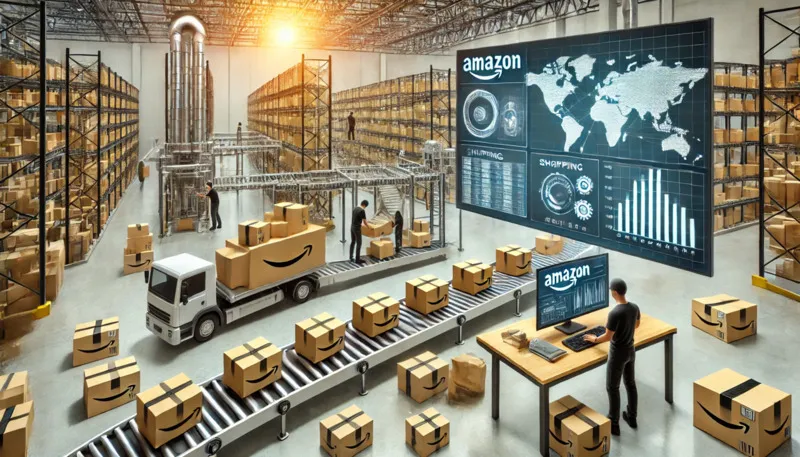
In this article
10 minutes
- What is Amazon Shipping Software?
- The Importance of Sales Channel Integrations: Selling Beyond Amazon
- The Benefits of Multi-Channel Shipping Software
- How to Choose the Right Amazon Shipping Software
- Amazon’s Performance Metrics for Standard and Seller Fulfilled Prime (SFP) Orders
- What is Amazon Buy Shipping API? Benefits & Limitations
- Why Cahoot is the Best Software for Shipping Amazon Orders (Including Seller Fulfilled Prime)
- The Future of Amazon Fulfillment is Here
- Frequently Asked Questions
What is Amazon Shipping Software?
Efficient ecommerce order fulfillment and shipping is the backbone of success for Amazon Sellers. Amazon shipping software is a specialized tool designed to streamline Amazon order fulfillment while meeting strict performance metrics. The software assists Amazon Sellers in optimizing their operations, improving visibility, and streamlining logistics for better sales performance. Whether fulfilling standard Seller-fulfilled orders (FBM) or shipping in the Seller Fulfilled Prime (SFP) program, having the right software ensures seamless integration, cost savings, and customer satisfaction.
Modern shipping software integrates with multiple sales channels, (including Amazon Seller accounts), optimizes carrier selection, automates label generation, and ensures compliance with Amazon’s strict delivery expectations. It eliminates manual work, reducing errors and improving fulfillment speed—critical in today’s fast-paced ecommerce environment.
The Importance of Sales Channel Integrations: Selling Beyond Amazon
While Amazon is a dominant force in ecommerce, many Sellers operate across multiple platforms, in addition to their Amazon account, to maximize sales opportunities. Effective shipping software must support:
- Amazon (Marketplace & Seller Fulfilled Prime)
- Walmart
- Shopify
- eBay
- Etsy
- Other marketplaces and ecommerce platforms
Seamless integration ensures all orders—regardless of the platform—are processed from a single dashboard. Without proper integration, businesses face inventory mismatches, fulfillment delays, and operational inefficiencies. The right software centralizes data, syncing inventory and tracking across platforms and marketplaces, reducing manual updates, preventing overselling, and improving customer experience.
The Benefits of Multi-Channel Shipping Software
1. Centralized Order Management
Processing orders from multiple platforms in one place saves time and prevents fulfillment errors. A unified dashboard allows Sellers to efficiently manage shipping for Amazon, Shopify, Walmart, and beyond.
2. Cost Optimization Through Rate Shopping
Smart shipping software automatically compares carrier rates in real-time, helping businesses save money by ensuring they always get the lowest-cost shipping label without compromising delivery speed.
3. Carrier Diversification and Flexibility
Relying on a single carrier can be risky. Multi-carrier support lets Sellers choose from multiple shipping providers based on price, service level, and delivery region, reducing costs and improving reliability.
4. Automated Shipping Label Creation
Generating shipping labels manually is time-consuming and error-prone. Automated label creation and printing speeds up fulfillment, ensuring orders ship faster, more accurately, and at lower labor costs.
5. Reliable Tracking Customer Experience
A robust shipping solution provides efficient order tracking and management for shipping orders, offering real-time tracking updates and notifications that reduce customer inquiries and increases satisfaction by offering complete visibility into shipments.
How to Choose the Right Amazon Shipping Software
Choosing the right Amazon shipping software can be a daunting task, especially with the numerous options available in the market. However, by considering a few key factors, you can make an informed decision that meets your ecommerce business needs. Here are some tips to help you choose the right Amazon shipping software:
- Determine Your Shipping Needs: Consider the type of products you sell, the frequency of your shipments, and the destinations you ship to. This will help you identify the features you need in a shipping software.
- Check Compatibility with Amazon Seller Central: Ensure that the shipping software integrates seamlessly with your Amazon Seller Central account. This will enable you to manage your orders, inventory, and shipping processes efficiently.
- Evaluate Shipping Rates and Services: Compare the shipping rates and services offered by different software providers. Look for software that offers discounted rates, flexible shipping options, and reliable shipping carriers.
- Assess Inventory Management Capabilities: If you have a large inventory, look for software that offers robust inventory management features. This will help you track your stock levels, automate purchase orders, and optimize your inventory management processes.
- Consider Scalability and Flexibility: Choose software that can grow with your ecommerce business. Look for software that offers flexible plans, scalable infrastructure, and customizable features.
- Read Reviews and Ask for Referrals: Research the software provider’s reputation by reading reviews and asking for referrals from other ecommerce Sellers. This will give you an idea of the software’s performance, customer support, and overall user experience.
By considering these factors, you can choose the right Amazon shipping software that meets your ecommerce business needs and helps you streamline your shipping workflow.
Amazon’s Performance Metrics for Standard and Seller Fulfilled Prime (SFP) Orders
Amazon holds Sellers to strict performance standards, especially for those participating in Seller Fulfilled Prime (SFP). To meet Amazon’s strict performance standards, Sellers must ensure their shipping processes are efficient and reliable. Here are the key requirements:
Standard Amazon Orders
To maintain good standing, Sellers must:
- Maintain an On-Time Delivery Rate of 90% or higher
- Late Shipment Rate must not exceed 4%
- Keep the Pre-fulfillment Cancellation Rate below 2.5%
- Provide Valid Tracking for 95%+ of orders
- Ensure Order Defect Rates (negative feedback, A-to-Z claims, chargebacks) remain under 1%
Seller Fulfilled Prime (SFP) Orders
For Sellers enrolled in Seller Fulfilled Prime, the requirements are even stricter:
- Maintain an On-Time Delivery Rate of 93.5% or higher
- Provide Valid Tracking for 99%+ of orders
- Keep the Pre-fulfillment Cancellation Rate ≤ 0.5%
- 1-day Page Views >30%, 2-day Page Views >70% for standard-size products
- 1-day Page Views >10%, 2-day Page Views >45% for oversize products
- 2-day Page Views >15% for extra large products (there is no 1-day requirement for this size tier)
- Same-day handling for Prime orders (orders must ship out the same day if received before the cut-off time)
- Weekend fulfillment capability to match Amazon’s weekend delivery expectation
- Strict delivery speed adherence—late deliveries can result in suspension from SFP
- Sellers must provide free returns for all eligible items weighing less than 50 lb, for any reason
Meeting these requirements requires exceptional shipping efficiency, which is where next-generation shipping software comes into play.
What is Amazon Buy Shipping API? Benefits & Limitations
Amazon provides the Buy Shipping API to Sellers, either when buying postage directly through Seller Central, or as a tool for Sellers looking to ensure compliance with its stringent shipping standards.
Benefits of Amazon Buy Shipping API:
- Guaranteed Valid Tracking: Ensures every order includes a valid tracking number.
- Seller Protection: Orders shipped through Buy Shipping are eligible for Amazon’s Seller protection against A-to-Z claims.
- Automatic Performance Tracking: Amazon monitors compliance and reduces the risk of penalties.
- Multi-Carrier Rate Shopping: Sellers can compare rates across Amazon’s partnered carriers and select the best shipping option.
- Late Delivery Exceptions: Orders that are delivered late can be exempted from performance metrics as long as they were shipped on time.
Limitations of Amazon Buy Shipping API:
- Limited Carrier Choices: Not all carriers are available through Amazon’s Buy Shipping service, which can prevent access to better rates elsewhere.
- Support for 1 Carrier Account Each: Sellers that have multiple carrier rate cards from the same carrier for different size, weight, and/or shipping zone products cannot rate shop across them; Seller Central only supports the use of 1 negotiated account per carrier.
- Potentially Higher Costs: Rates may not always be the lowest available, making third-party rate shopping essential.
While Buy Shipping API has some nice benefits, merchants looking to maximize cost savings and flexibility often pair it with an advanced shipping platform that optimizes fulfillment and reverse logistics beyond Amazon’s system.

Why Cahoot is the Best Software for Shipping Amazon Orders (Including Seller Fulfilled Prime)
Not all shipping software is created equal. Cahoot is purpose-built to meet Amazon’s demanding requirements, ensuring seamless SFP compliance and cost-optimized standard fulfillment.
1. Purpose-Built for Seller Fulfilled Prime (SFP)
Unlike generic shipping solutions, Cahoot was designed from the ground up to handle Seller Fulfilled Prime orders. With automated compliance to Amazon’s performance requirements, weekend fulfillment support, and same-day shipping automation, Cahoot ensures Sellers maintain their Prime eligibility without penalty risks.
2. Automated Rate Shopping for Maximum Savings
Cahoot intelligently compares real-time shipping rates for all the carriers and services you support and creates the cheapest labels that will deliver on time, ensuring all orders always ship at the lowest cost without compromising delivery speed.
3. Multi-Channel Fulfillment Beyond Amazon
Cahoot seamlessly integrates with Walmart, Shopify, eBay, TikTok Shop, and more, providing a centralized dashboard for fulfilling orders across all platforms.
4. Intelligent Order Routing for Faster Fulfillment
Cahoot’s advanced AI-driven order routing automatically assigns orders to the nearest warehouse with stock availability, minimizing transit time and reducing shipping costs.
5. Bulk Label Printing and 1-Click Shipping
With Cahoot, Shipping Labels are created autonomously, no human, so Sellers can print labels for thousands of orders in minutes, eliminating repetitive manual work and improving warehouse efficiency.
6. Effortless Weekend and Same-Day Fulfillment
By automating fulfillment workflows and ensuring weekend processing capabilities, Cahoot helps Sellers stay compliant with Amazon’s Prime-level shipping expectations.
The Future of Amazon Fulfillment is Here
Shipping on Amazon has never been more complex, and Sellers who rely on outdated tools risk falling behind. Cahoot’s next-generation shipping software ensures merchants can meet Amazon’s performance metrics, reduce shipping costs, and streamline multi-channel fulfillment—all from a single platform.
For businesses looking to scale efficiently, grow into or maintain Seller Fulfilled Prime eligibility, and optimize fulfillment operations, Cahoot provides a game-changing advantage.
Are you ready to take your Amazon fulfillment to the next level? It’s time to ditch legacy shipping tools and embrace automation, intelligence, and efficiency with Cahoot.
Frequently Asked Questions
What is a shipping solution?
Shipping solutions are a combination of services, strategies, and tools aimed at managing and streamlining the process of sending products from one location to another.
What’s the difference between Cahoot’s network and Cahoot’s shipping software?
Cahoot’s platform is a peer-to-peer order fulfillment services network where top-rated merchants share warehouse space and fulfillment services with one another. Cahoot’s shipping software is next-generation ecommerce shipping software that can support any size merchant, including high-volume merchants shipping millions of parcels per year. Merchants can use either or both. Our fastest-growing clients use both.
What are the carriers for ecommerce shipping?
The most common national carriers are UPS, USPS, and FedEx, while popular regional carriers include OnTrac, Courier Express, and PITT OHIO, among others. Amazon Shipping will soon be matching the last mile delivery reach of the national carriers. For international shipments, DHL Express and GlobalPost are most common, however, UPS, USPS, FedEx and many other carriers also support international deliveries.
How to ship items you sell online?
To ship products from your house, you can use a shipping carrier like USPS, FedEx, or UPS. First, package your product securely and weigh it to determine the shipping cost. Then, create a shipping label online and schedule a pickup or drop off at a carrier location. You can also purchase shipping and dropoff packages at the same time at any post office, The UPS Store, and/or FedEx Office location.
How can I reduce shipping costs?
To reduce shipping costs, optimize packaging for weight and size, utilize flat-rate shipping options for heavy items, explore discounted shipping rates, offer local delivery or pickup, and consider prepaid shipping. Many platforms like Cahoot and ShipStation offer discounted shipping rates through their carrier relationships that can save many thousands of dollars.
Written By:
Rinaldi Juwono
Rinaldi Juwono leads content and SEO strategy at Cahoot, crafting data-driven insights that help ecommerce brands navigate logistics challenges. He works closely with the product, sales, and operations teams to translate Cahoot’s innovations into actionable strategies merchants can use to grow smarter and leaner.
Turn Returns Into New Revenue
Related Articles
Amazon Meltable Fulfillment: Keep Chocolate Selling Through Summer
Amazon meltable fulfillment does not have to stop when FBA’s summer restrictions begin.
Why Fast Ground Delivery Requires Distributed Fulfillment
Fast hazmat shipping for products restricted to ground transportation comes from inventory placement, not from a faster service upgrade.
Modern Order Fulfillment Strategies for Ecommerce Success
In today’s fiercely competitive ecommerce landscape, ecommerce order fulfillment has evolved from a back-office operation to a critical strategic advantage.
Best Ecommerce Shipping Solutions for 2026: Streamline Your Delivery Process
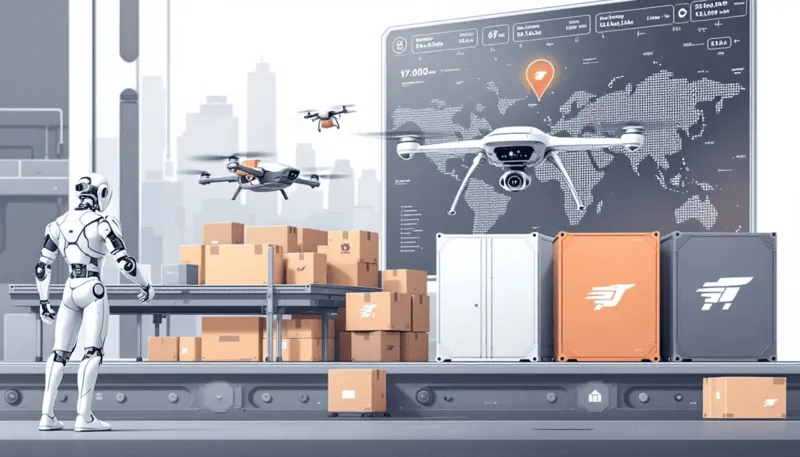
In this article
18 minutes
- Key Takeaways
- Understanding Ecommerce Shipping Solutions
- Key Features to Look for in Ecommerce Shipping Solutions
- Choosing the Right Shipping Solution for Your Business
- Top Ecommerce Shipping Solutions in 2025
- Enhancing Customer Experience with Shipping Solutions
- Reducing Shipping Costs with Advanced Solutions
- Streamlining Your Order Fulfillment Process
- Ensuring Security and Compliance
- Using Analytics to Optimize Shipping Operations
- Summary
- Frequently Asked Questions
Looking for the top ecommerce shipping solutions to improve your business? This guide highlights the best options for 2026 to streamline delivery, cut costs, and boost customer satisfaction. Pay special attention to those that are future proof.
Key Takeaways
- Ecommerce shipping solutions are critical for optimizing delivery processes and enhancing customer satisfaction, emphasizing the need for efficient strategies amidst industry competition.
- Key features for effective shipping solutions include integration capabilities, multi-carrier support, automation, and cost optimization, which are essential for improving operational efficiency.
- Future trends in ecommerce shipping focus on sustainability and technology, with advancements such as AI and machine learning optimizing logistics and enhancing eco-friendly practices.
Understanding Ecommerce Shipping Solutions
Ecommerce shipping solutions manage the entire fulfillment workflow: delivering products from the point of order completion to the customer’s doorstep, making them essential for business success. These solutions are not just about moving packages from point A to point B; they are about optimizing every step of the shipping process to ensure efficiency and customer satisfaction. Therefore, shipping solutions play a critical role in differentiating your business and keeping customers happy.
Online businesses face unique challenges in shipping, such as managing costs while meeting customer expectations for timely delivery. An effective shipping strategy must include key components like carrier selection, tracking methods, and cost management to navigate these challenges successfully. The shipping process directly impacts customer experience, with efficient packaging and timely delivery being crucial for customer satisfaction and retention.
Looking ahead, future trends in ecommerce shipping are focused on technological advancements and sustainable practices. These aim to improve efficiency and meet the evolving demands of customers, making it more important than ever to stay ahead of the curve.
Key Features to Look for in Ecommerce Shipping Solutions
Identifying the right ecommerce shipping solution begins with understanding its integration capabilities with existing sales channels and business software.
Factors to consider when selecting shipping solutions include:
- Integration capabilities
- Scalability
- Automation
- Flexibility
- Cost optimization
These features are crucial for ensuring efficient operations and meeting customer expectations. Prioritizing these features helps businesses optimize shipping processes and enhance overall performance. Key features to consider in ecommerce shipping solutions include integration capabilities, multi-carrier support, and automated label creation and printing.
Integration Capabilities
Seamless integration with your existing tech stack is a game-changer. It’s almost table stakes today, but suffice to say that robust shipping software allows for seamless integration with your channels as well as all of the different order management and fulfillment processes, improving overall efficiency. Integrating shipping software with ecommerce platforms automates tasks like order import, updating stock levels, and reducing manual data entry and errors. This creates a workflow where orders from your ecommerce platform automatically sync with your shipping software, but without overselling, ensuring a seamless customer experience.
Cahoot, for instance, integrates with all popular marketplaces and ecommerce platforms and can connect with custom-built software via an API. This level of integration not only streamlines shipping workflows but also enhances inventory management, ensuring that your stock levels are always accurate across all sales channels.
Multi-Carrier Support
Having access to multiple shipping carriers is a significant advantage. It enables businesses to offer competitive rates and diverse delivery options to customers of all demographics. Shoppers today expect a variety of shipping options, including next-day delivery, flat-rate shipping, and international shipping.
Shipping software with multi-carrier support facilitates rate comparisons, optimizing delivery times and costs. UPS, USPS, DHL Express, and Canada Post, for example, offer pre-negotiated rates that can provide cost savings to customers during checkout. This flexibility ensures that you can meet customer expectations without breaking the bank, especially when using the best shipping software, and efficient and reliable shipping services that deliver on time.
Automated Label Creation and Printing
Automated label creation and printing solutions significantly expedite the preparation of packages, enhancing operational efficiency while ensuring the optimal label is used for the specific shipping circumstance. Autonomous label creation reduces manual work, minimizes errors, accelerates fulfillment, and creates the cheapest shipping label using real-time carrier rate shopping, which is particularly beneficial as shipping volume increases.
Shipping platforms should feature batch shipping label creation and printing capabilities to prepare all necessary labels for the day’s shipments autonomously with just a few clicks to dramatically speed up order fulfillment and reduce the risk of errors.
Choosing the Right Shipping Solution for Your Business
Selecting the right shipping solution is crucial for ecommerce businesses to improve efficiency and meet their specific logistics needs. An ecommerce fulfillment warehouse plays a key role in managing order processing and shipping, making it essential to choose a solution that complements your fulfillment strategy.
Deciding on shipping rates and methods is a critical first step before shipping ecommerce orders. Next-generation shipping software must simplify operational complexities, drive efficiencies, and generate meaningful cost savings. Legacy shipping software can create more problems for Sellers as it is not equipped to handle the complexities of distributed fulfillment.
Understanding your shipping volume, managing costs, and ensuring international compliance are key factors in this decision-making process. Let’s explore these in more detail.
Assessing Your Shipping Volume
Understanding your shipping volume is essential for choosing a solution that can grow with your operational needs. It needs to accommodate seasonal spikes and consistent growth.
Recognizing and preparing for shipping volume fluctuations can help ensure that the selected solution meets both current and future business demands. This preparation is vital for maintaining efficiency and customer satisfaction during peak times.
Cost Management and Discounted Rates
Cost management is a cornerstone of any effective shipping strategy. Negotiating shipping contracts for bulk shipments often leads to favorable rates and significant savings. Analyzing shipping costs as a percentage of sales can highlight the impact of shipping on overall profitability.
Data analysis can uncover specific shipping routes and methods that lead to higher costs, allowing businesses to adjust their strategies for savings. Using shipping software can enhance carrier rate negotiations and streamline shipping processes, making cost management more efficient.
International Shipping Compliance
Compliance with international regulations is crucial to avoid delays in package delivery. Depending on the shipment terms, duties and taxes may be charged to the recipient, shipper, or a third party, which can cause friction if not handled properly.
Accurate completion of customs forms is necessary to prevent packages from being held up. These forms can be obtained online or at local post office/shipping retail locations. Ensuring compliance can help businesses avoid potential fines and restrictions on future shipments.
Top Ecommerce Shipping Solutions in 2025

Several top-tier ecommerce shipping solutions have emerged as leaders in 2025, each offering unique features and benefits. These include Cahoot, ShipStation, and Easyship. Each of these solutions provides distinct advantages that can help streamline your shipping workflow and wow your customers.
Exploring these options helps you find the best fit for your business needs and budget:
Cahoot
Cahoot is a next-generation, humanless ecommerce shipping software designed for high-volume merchants, but is so easy to use that businesses of any size can take advantage of the future proof technology. Because 97%+ of shipping labels are rate shopped and pre-created before you show up to the warehouse with coffee in-hand, it allows users to bulk-print labels with just one click, enabling immediate shipping. This feature streamlines order fulfillment by eliminating the need for manual rate comparisons and speeding up the shipping process by as much as 21X or more.
Cahoot integrates with all popular marketplaces, ecommerce platforms, and carriers, and can connect with custom-built software via an API. It notifies Sellers whenever a problem occurs with carriers delivering packages, allowing for proactive resolution and a better customer experience than competitive solutions.
ShipStation
ShipStation supports multi-carrier shipping, allowing businesses to compare rates and choose the best option for each shipment. It incorporates automation rules to efficiently manage shipping tasks, significantly reducing manual intervention and errors. And it has more integrations available than just about any other solution, including very niche and long-tail platforms.
Through branded tracking pages, ShipStation enhances the customer experience by allowing businesses to maintain their branding throughout the delivery process. This feature ensures that customers have a consistent brand experience from purchase to delivery.
Easyship
Easyship is a cloud-based shipping solution that offers discounted shipping rates, customer tracking, seamless integration, and dynamic rates at checkout. These discounted shipping rates can significantly reduce costs for businesses.
The dynamic rates at checkout improve conversion rates by providing customers with real-time shipping costs. Additionally, Easyship’s comprehensive tracking features allow customers to monitor their shipments effectively, enhancing the overall customer experience.
Enhancing Customer Experience with Shipping Solutions
Delivering an exceptional customer experience is of utmost importance (no pun intended). Efficient shipping not only improves the bottom line, but it supports ongoing customer relationships, potentially increasing sales and loyalty. Shipping costs play a crucial role in ecommerce profitability, making cost reduction vital for retaining customers. An effective shipping strategy can reduce customer inquiries about order statuses, allowing support teams to focus on other issues.
Incorporating features like real-time tracking and notifications, flexible delivery options, and branded packaging and tracking pages can elevate your shipping strategy to new heights.
Real-Time Tracking and Notifications
Real-time tracking is essential for keeping customers informed about their orders. Shipping solutions should provide visibility into shipment tracking, consolidating all orders in one interface for wider visibility and easier management. Automated notifications throughout the fulfillment and shipping timeline can reduce customer anxiety, improve satisfaction, and limit the customer service burden.
Shipment notifications can be delivered via various channels, including email, SMS, and mobile app alerts, keeping customers engaged and informed. This level of transparency and meeting the customer where they are can significantly boost their confidence in your business.
Flexible Delivery Options
Offering flexible delivery options is crucial for today’s online shopper. According to many studies, customers prefer flexible delivery options. Providing diverse shipping methods allows customers to select options that best meet their needs, budgets, and availability.
Having multiple delivery options can enhance customer satisfaction and minimize the likelihood of cart abandonment. This flexibility ensures that your customers can choose the delivery method that works best for them, making their shopping experience more convenient and enjoyable.
Branded Packaging and Tracking Pages
Branded packaging and custom tracking pages play a crucial role in shaping customer perceptions and experiences during the shipping process. Customized tracking pages can enhance the customer experience by providing a branded touchpoint during the shipping process.
Integrating branded packaging and custom tracking pages not only elevates the customer experience but also fosters brand loyalty and reduces the likelihood of cart abandonment. This cohesive branding can make a lasting impression on your customers, encouraging repeat business and positive reviews.
Reducing Shipping Costs with Advanced Solutions
Shipping costs are a significant expense for ecommerce businesses, and reducing these costs can improve profitability. Key metrics to monitor include on-time delivery rates, shipping costs per shipment, and carrier performance on speed and reliability. Tracking shipping expenses over time allows businesses to identify cost trends and potential financial issues.
Advanced solutions like rate comparison tools, volume discounts, and efficient packaging strategies can help reduce shipping costs and streamline operations.
Rate Comparison Tools
Shipping rates are influenced by various factors, including courier options and unique business variables. Using rate comparison tools in ecommerce shipping allows businesses to identify the best shipping rate deals available in the market.
Cahoot, for example, automatically finds and assigns the lowest cost labels for each order, ensuring users save money on every package shipped without compromising delivery speed. Utilizing lightweight packaging like poly mailers can further reduce shipping costs as they adjust to different volumes and weights.
Volume Discounts
Consolidating shipping volumes helps businesses negotiate better rates with carriers. Volume discounts can significantly lower shipping expenses for ecommerce businesses. Securing volume discounts allows businesses to optimize their shipping costs and improve profit margins.
Overall, leveraging volume discounts through an effective ecommerce shipping strategy can enhance the efficiency and cost-effectiveness of ecommerce operations.
Efficient Packaging Strategies
Optimizing packaging can lead to lower shipping rates and reduced operational costs. Understanding the average package weight can help in optimizing packaging to minimize shipping costs.
Businesses should consider carrying a variety of package sizes and materials to meet diverse shipping needs efficiently. This approach not only reduces packaging costs but also ensures that products are protected during transit, reducing the risk of damage and returns.
Streamlining Your Order Fulfillment Process
Streamlining your order fulfillment process is necessary for improving efficiency and customer satisfaction. Fulfillment services can enhance the efficiency of order processing by managing logistics and inventory storage. Using platforms like ShipStation simplifies the management of orders and fulfillment workflow by automating order imports and logistics.
Partnering with third-party logistics providers can significantly improve customer experience by streamlining logistics operations. Regularly monitoring shipping metrics such as delivery times and order accuracy will help you stay on top of your shipping performance and bring clarity when deciding if outsourcing fulfillment should be considered.
Leveraging route optimization tools can significantly reduce delivery times by identifying the fastest paths for shipment.
Batch Processing and Automation
Implementing batch processing can significantly enhance the speed of order packing and shipping. Automated systems can cut down the time required for packing and shipping orders. Data analytics can pinpoint inefficiencies in shipping routes and processes, enabling targeted cost-reduction strategies.
This level of automation and data-driven decision-making can make a substantial difference in your order fulfillment efficiency.
Inventory Management Integration
Integrating shipping solutions with inventory management software ensures that stock levels remain accurate across all sales platforms, and minimizes double data entry (or triple, or more!). Or better yet, select a solution that has inventory management capabilities built-in.
Effective integration with ecommerce platforms can streamline the order fulfillment process, ensuring that your inventory is always up to date and that orders are processed efficiently.
Scheduling Carrier Pickups
Scheduling carrier pickups helps businesses manage their shipping tasks more effectively. Scheduling pickups helps businesses streamline the shipping workflow, provide predictability, and reduce time spent dropping off packages at carrier hubs. Arranging carrier pickups can eliminate the need to stand in lines, saving time and resulting in smoother operations. Some ecommerce shipping solutions such as ShipStation will allow you to schedule pickups from within their software.
Ensuring Security and Compliance
Ensuring security and compliance is essential for maintaining customer trust and avoiding legal issues. Ecommerce businesses must implement robust security measures to protect customer data. Ecommerce brands face increased risks just having access to this sensitive information due to multiple parties needing access to order data, making shipping insurance essential.
International regulations, paperwork, customs forms, and duties calculations are required for shipping to ensure compliance. Regulations are increasingly mandating reduced packaging waste, pushing ecommerce brands to adopt sustainable packaging solutions.
Shipping Insurance
Shipping insurance is vital for protecting shipments, helping ecommerce businesses manage risks associated with theft, loss, and damage during transit. For imported inventory, marine cargo insurance provides comprehensive coverage for the full value of goods throughout their shipping journey from overseas. Consumer delivery insurance allows customers to insure their shipments during checkout, addressing concerns about theft or damage. Limited liability insurance relies on carriers’ own policies, which typically cover only minimal amounts, resulting in a riskier option for ecommerce companies. Carrier included liability limits vary by carrier and service; for example, current UPS and FedEx documentation generally includes up to $100 of liability at no extra charge, so coverage terms should be checked before relying on carrier liability alone. Using inexpensive third-party cargo insurance is recommended.
Data Security Measures
Shipping solutions must implement robust data security measures to protect sensitive customer information from unauthorized access. Encryption protocols are essential for protecting customer data during transactions and communications. Encrypting sensitive information, using firewalls, and maintaining antivirus protection are essential for data security in ecommerce.
Authentication methods such as two-factor verification and IP monitoring help ensure secure online transactions. And sensitive data should be redacted from ecommerce shipping solutions after transactions are settled and no longer needed.
Using Analytics to Optimize Shipping Operations
Using analytics in shipping operations can significantly enhance overall efficiency by identifying areas for improvement. Regular updates and audits of ecommerce software are critical in preventing vulnerabilities from being exploited. Emerging technology in shipping includes AI and predictive analytics, which enhance demand forecasting and operational efficiency.
AI applications in shipping help companies predict demand by analyzing historical data and live market trends. Agentic AI solutions can act on their findings independently and create Purchase Orders with vendors within established budget guidelines. By leveraging advanced analytics, businesses can make data-driven decisions that improve their shipping and procurement operations.
Tracking Performance Metrics
Tracking key performance metrics is essential for evaluating shipping efficiency and delighting customers. Use tools to monitor on-time delivery rates as higher percentages correlate with customer happiness.
Average delivery time is also an important metric, helping businesses gauge their shipping efficiency against industry standards and delivery promises. Shipping software analyzes shipping data to provide insights into business performance and optimize logistical efficiency.
Identifying Cost-Saving Opportunities
Analytics can reveal cost drivers linked to various carriers and services, shipping supplies, and waste from inefficient shipping such as using boxes that are too large and push the shipment into more expensive dimensional weight rates. Reviewing the data enables businesses to negotiate better rates on the shipping weights, sizes, and zones they are actually using while minimizing unnecessary expenses.
Improving Delivery Times
Utilizing data insights can significantly enhance the optimization of delivery routes for ecommerce businesses. Advanced analytics enable companies to analyze traffic patterns, weather conditions, and delivery performance to select the most efficient routes and shipping locations to reduce transit times, fuel consumption, and operational costs. The effective application of data insights in delivery planning leads to faster delivery times, higher customer satisfaction, and improved overall efficiency.
Summary
Choosing the right ecommerce shipping solution involves understanding your business needs and the key features that can optimize your workflows and deliver meaningful business impact. From integration capabilities and multi-carrier support to automated label creation and printing, these features play a crucial role in enhancing operational efficiency and customer satisfaction. As ecommerce continues to evolve, adopting advanced shipping strategies and the solutions that support them will be key to maintaining a competitive edge and ensuring long-term success.
Frequently Asked Questions
What are the key features to look for in ecommerce shipping solutions?
When selecting ecommerce shipping solutions, prioritize integration capabilities, multi-carrier support, automated label creation and printing, cost management, and compliance with domestic and international regulations.
How can I reduce shipping costs for my ecommerce business?
To effectively reduce shipping costs for your ecommerce business, optimize packaging for weight and size, utilize flat-rate shipping options for heavy items, explore discounted shipping rates, and offer local delivery or pickup. Many platforms like Cahoot, ShipStation, and Easyship offer discounted shipping rates through their carrier relationships that can save many thousands of dollars. Also, utilize rate comparison tools, secure volume discounts, and optimize your packaging strategies (shipping supplies and cartonization technology). These approaches will help you streamline expenses and enhance profitability.
Why is real-time tracking important for ecommerce shipping?
Real-time tracking is crucial for ecommerce shipping as it enhances customer satisfaction by keeping them informed about their order status, thereby reducing anxiety associated with uncertainty. This transparency fosters trust and loyalty towards the brand.
What is the best online shipping service?
The Top 3 Online Shipping Services are:
- Cahoot
- ShipStation
- EasyShip
What’s the difference between Cahoot’s network and Cahoot’s shipping software?
Cahoot’s platform is a peer-to-peer order fulfillment services network where top-rated merchants share warehouse space and fulfillment services with one another. Cahoot’s shipping software is next-generation ecommerce shipping software that can support any size merchant, including high-volume merchants shipping millions of parcels per year. Merchants can use either or both. Our fastest-growing clients use both.
What are the carriers for ecommerce shipping?
The most common national carriers are UPS, USPS, and FedEx, while popular regional carriers include OnTrac, Courier Express, and PITT OHIO, among others. Amazon Shipping currently states that it serves approximately 95% of the population in the contiguous United States, with coverage and pickup areas continuing to expand. For international shipments, DHL Express and GlobalPost are most common, however, UPS, USPS, FedEx, and many other carriers also support international deliveries.
How to ship items you sell online?
To ship products from your house, you can use a shipping carrier like USPS, FedEx, or UPS. First, package your product securely and weigh it to determine the shipping cost. Then, create a shipping label online and either schedule a carrier pickup or drop them off at a carrier location. You can also purchase postage and drop your packages off at the same time at any post office, The UPS Store, and/or FedEx Office location.
Written By:
Indy Pereira
Indy Pereira helps ecommerce brands optimize their shipping and fulfillment with Cahoot’s technology. With a background in both sales and people operations, she bridges customer needs with strategic solutions that drive growth. Indy works closely with merchants every day and brings real-world insight into what makes logistics efficient and scalable.
Turn Returns Into New Revenue
Related Articles
Why Fast Ground Delivery Requires Distributed Fulfillment
Fast hazmat shipping for products restricted to ground transportation comes from inventory placement, not from a faster service upgrade.
Modern Order Fulfillment Strategies for Ecommerce Success
In today’s fiercely competitive ecommerce landscape, ecommerce order fulfillment has evolved from a back-office operation to a critical strategic advantage.
Shipping Insurance for High-Value Items: Carrier Liability vs Third-Party Coverage
Most ecommerce losses on high-value shipments are not caused by theft.
Top 7 Supply Chain Strategies for Making Free Shipping Profitable
In this article
18 minutes
Free shipping has become an expectation in ecommerce, but for many businesses, it feels like an uphill battle against shrinking profit margins. The key to making free shipping work isn’t just about absorbing the cost, it’s about optimizing your supply chain to offset those expenses. From strategic inventory management to innovative fulfillment methods, businesses that refine their logistics can transform free shipping from a financial burden into a competitive advantage. In this guide, we’ll explore supply chain strategies that not only help sustain free shipping but also attract more customers without compromising your bottom line.
1. Minimize Inventory Storage With Just-in-Time Procurement
Just-in-Time inventory Stocking (JIT) is a common inventory management technique and a lean methodology to increase efficiency. A successful example is the apparel retailer Zara, with its “mind-spinningly supersonic” supply chain. Zara operates in an industry where inventory “spoils” quickly so they commit less than a quarter of a season’s line and produces about half of its line at the start of the season. The remaining? They were designed and produced during the season. Zara identifies popular styles and puts new similar designs in stores throughout the season while they’re still popular. With JIT, Zara improved its cash flow by reducing low-demand inventory while doubling down on what’s working.
Today, online Sellers can quickly gather and process historical sales data to make better demand predictions, but they are still just guesses. And yes, some safety stock is still needed as a buffer, but Sellers don’t need to dedicate as much space for storage as they had in the past. With proper data analysis and planning for smaller but more frequent procurement cycles, merchants can derisk the capital investment and direct the savings into their customer acquisition strategy.
Another application of JIT is cutting storage costs at 3PLs such as Fulfilled by Amazon. FBA is generally an excellent option, but only if the Seller can handle the storage costs (including peak season storage rates and aged inventory surcharges). As of January 16, 2026, Amazon updated aged inventory surcharge rates for items aged 366 days or more, so FBA storage-cost examples should be checked against the current fee schedule before they are used in planning. By estimating their sales via FBA, Sellers can ship items regularly to FBA warehouses in quantities that will sell quickly. The remaining items can be stored in an inexpensive warehouse or their own facility.
2. Buy Online Pick Up In Store (BOPIS)
This is not strictly a solution for improving shipping costs, but it can help the customer get their order on their schedule at a lower cost to you. Buy Online Pick Up in Store (BOPIS) enables customers to pick up their items from one of your physical retail locations. The key here is to eliminate the shipping cost altogether by encouraging the customer to pick up their order.
Customers expect free and fast shipping and in some categories such as grocery, healthcare products, and some household items, fast shipping is a priority over free shipping. You may even want to offer a discount to encourage in-store pick-up which is a win-win for both you and your customer.
BOPIS bypasses the shipping process, cutting delivery from days to mere hours. Moreover, it can be a differentiator between you and a competitor, leading to higher top-line revenue. To minimize additional staffing needs and wait times, self-service package lockers can be used as a touchless way for customers to pick up their orders. Prepared orders are delivered to a locker inside or outside of your store that customers can open via an app or one-time password.
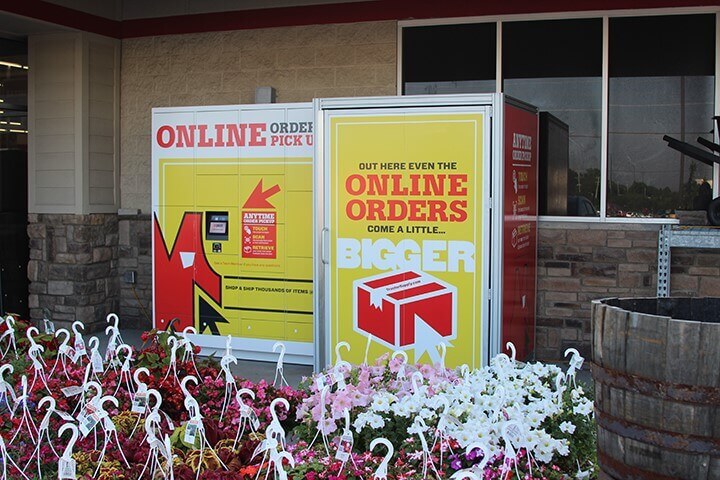
3. Zero Inventory Through Dropshipping
Dropshipping is a popular order fulfillment method used by many online Sellers. Dropshipping is an ecommerce business model that allows retailers to sell products without holding onto inventory. Instead, the retailer forwards customer orders to a third-party supplier who ships the product directly to the customer for a fee. Sellers don’t stock the items in their warehouse, effectively making it a zero-inventory business. When an order for a dropship item is received, the Seller purchases the item from a wholesale supplier who ships the order directly to the customer on behalf of the Seller. Sellers don’t handle or even see the product in the whole process.
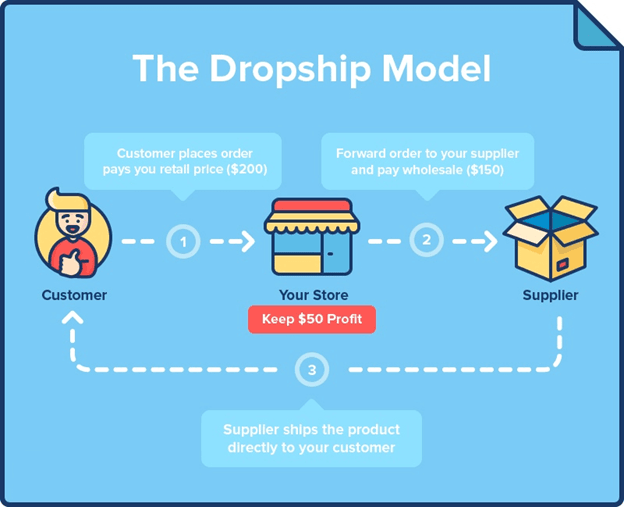
Dropshipping has a host of advantages as the online Seller does not require capital to pre-purchase inventory, does not need a warehouse to store it, and doesn’t even need expertise in order fulfillment and operations. However, the Seller must contend with low margins and no control over fulfillment. Therefore, dropshipping should be pursued by Sellers who intend to focus on building a diverse and creative product portfolio and concentrate on marketing to drive sales and revenue growth.
In the dropshipping model, the suppliers assume the risk of unsold inventory, though it’s minimal as they tend to have many affiliates selling their wares, and they pass the cost of logistics to the dropship Seller. Running an assetless business and maintaining low operational costs allows you to offer free shipping while concentrating on improving your sales without worrying about fulfillment.
Another form of dropshipping is cross-docking. In this ecommerce business model, instead of the wholesaler shipping orders directly to their affiliate’s customers, they bulk ship all the days’ orders to the merchant’s warehouse, who then fulfills all the customer orders. Cross-cocking tends to be used by merchants that already have the fulfillment infrastructure and the sunk costs of operating a physical ecommerce business. However, this strategy enables them to sell an expanded product catalog with lower product pricing and logistics fees, which results in higher profitability at a lower risk profile comparable to pure-play dropshipping.
4. Streamlining Your Supply Chain
The supply chain, in general, is not easy to manipulate. However, it’s a good idea to step back and reassess your supply chain for opportunities to improve your cost structure and allow you to offer free shipping.
Here are a few high-level recommendations to streamline your supply chain:
Optimize Sourcing: When you first open an online store, you would typically start with the easiest product sourcing options. As you scale and increase your bargaining power, though, you should look beyond the current sourcing and look for alternative suppliers that align with your selling strategy, which can be a cost leader, highly differentiated, or anywhere in between. You should also consider talking directly with manufacturers, if you’re not already (and using a broker or aggregator), and have a conversation about how you can bring your landed costs down. For example, sometimes overseas factories have preferred freight forwarders with much better ocean container rates than you might currently have available. Ask your 3PL/4PL if they can help with container shipping rates for the same reason…they can often get better rates by aggregating volume across clients.
Optimize Your Order Fulfillment Location: Ecommerce allows businesses to operate from anywhere they can get an internet connection. But as you scale, the inbound and outbound shipping becomes one of the most significant contributors to fulfillment costs. Moving your fulfillment location closer to the customer can save you money AND delight customers with faster shipping; middle of the country, for example (if more than one warehouse is not feasible, though Cahoot makes it easy to add warehouse locations to your existing setup to improve efficiency and reduce cost). On the other hand, being closer to vendors will help you reduce lead time and inbound costs. Both of these factors should be considered in deciding the optimal fulfillment center location. In addition, some locations also enjoy cheaper warehouse rents, cheaper labor costs, and may have government incentives. Taken together, an optimized fulfillment infrastructure can sometimes save substantial money.
Reduce Inventory: As an ecommerce business grows, the common reaction is to increase the size of the warehousing facility as well as the inventory on hand to meet the customer demand. But inventory is a cost trap and increasing inventory should be avoided as much as possible. Explore options such as reducing lead time from suppliers and getting rid of slow-moving inventory. Drastic measures such as liquidation and promotional sale of obsolete items should be standard practices in an industry with dynamic SKUs.
Consider Distributed Inventory: Distributed warehousing is a well-known solution for offering fast and free shipping. Whether leveraging a 3PL service such Amazon FBA, Multi-Channel Fulfillment (MCF), or a 3PL that has many locations, the benefits of distributing inventory to minimize final-mile shipping cost can often improve margins enough to be able to offer free shipping.
Multi-Channel Sales: Many studies have shown that the advantage of selling on many channels is huge. You reach more customers and the topline sales growth increases. This is not different from the conventional brand offering their product through the flagship store, departmental stores, specialty stores, or even outlets. In a similar vein, online shoppers have different channel preferences, and as such, different channels tend to command the attention and loyalty of different demographics. For example, Gen Z is more likely to shop via social channels and be drawn to influencer marketing while millennials prefer comparing different marketplaces and stores. Mix up your strategy to reach more eyeballs to grow revenue and earn the budget needed to cover free shipping.
5. Optimize Shipment Packaging
Packaging is an often-overlooked opportunity to optimize shipping costs. Shipping costs are dependent on the size and weight of the package, and online Sellers should look to cut down on both while choosing the optimal packaging. Shipping “air” is throwing money out the window.
If you are using small cardboard boxes, you can cut down on weight and size both by going with poly bubble mailers (if the product can ship and deliver safely in one). Poly mailers are versatile and can accommodate different shapes and sizes of items while keeping the cubic volume and weights low. For example, a poly bubble mailer of size 7.5” x 12” can weigh just 0.5 ounces compared to 3.6 ounces for a small 6”x6”x4” box. Be mindful of only shipping small and strong items using poly mailers like books, cables, or kitchen gadgets. For apparel, some brands like Abercrombie & Fitch use un-padded poly mailers that cost and weigh even less than their bubble-padded brethren.
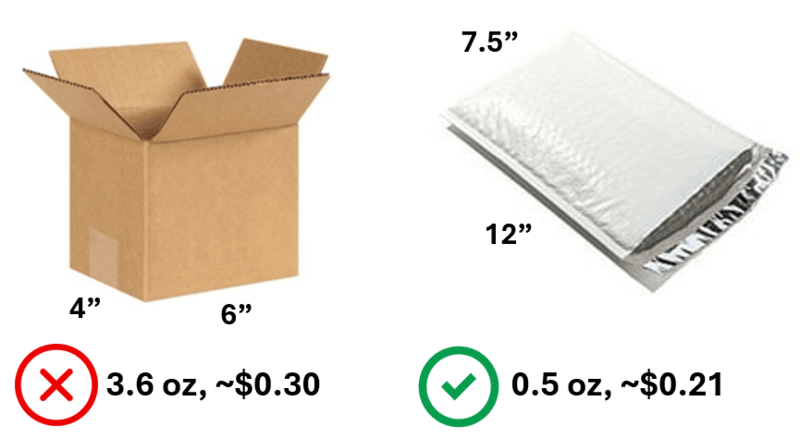
Another way to cut costs is to use carrier-provided boxes or packaging. Some carriers provide free or complimentary packaging for selected services: USPS offers free Priority Mail Flat Rate supplies, FedEx offers complimentary packaging for eligible expedited services, and UPS offers shipping supplies with availability tied to shipping activity. USPS increased published shipping-service prices effective January 18, 2026, while Priority Mail still offers free Flat Rate boxes and envelopes and 2–3 day delivery. UPS now says free shipping supplies are distributed based on shipping activity, so availability may depend on your account usage. If you are shipping within that service, buying a separate box and affixing the label to it may be more costly than just going with the carrier-provided packaging.
Lastly, consolidate shipping supplies into the 20-ish sizes that are used most often and negotiate bulk discounts to help reduce your packaging costs. As a part of the exercise, take the time to optimize your packaging sizes around the frequency of multi-line/multi-quantity orders by SKU. In other words, figure out the most frequently ordered quantities for your products and purchase the packaging that is optimum for those orders. For example, you may be using the same package to ship multiple quantities of an item like soap. But if your box is designed to accommodate 5 units of soap, and your most commonly order quantity is 2 units, you should consider getting a separate smaller package and save money on the cheaper box or mailer and lower shipping cost. It increases complexity but will save money over time.
Smart cartonization software can be worth its weight in gold and could protect most of your shipping budget by itself by helping you automatically ship in the most economical packaging, minimizing the amount of shipped “air” and extra cost associated with the larger shipment. It can also help you track packaging inventory and alert you when you’re running low.
PRO TIP: Order packaging in bulk directly from overseas manufacturers for the most impactful savings. Buying from domestic suppliers allows you to buy Just In Time and minimize how much is spent at once, but the advantage of saving ~30 – 40% on shipping supplies may far outweigh the convenience of local sourcing in the long run.

6. Reuse Packaging from Inbound Orders
There are two main benefits of reusing supplies from inbound orders. The first is reducing waste (most used shipping supplies are sent to the landfill), and the second is reducing the supplies you need to buy. Packaging supplies like boxes, mailers, and void fill may look trivial when you consider the cost of 1 unit, but en masse, the costs can really add up because they apply to every order shipped.
If you offer fragile or sensitive items that require special packaging, chances are some materials from your inbound shipments can be reused. For example, reusing void fill materials like bubble wrap, peanuts, or crinkled paper can reduce your spending on new supplies while reducing waste. Of course, the amount that can be reused may vary from each Seller, but it’s generally a better idea to reuse before finally recycling them.
Inbound boxes can also be reused to save money here and there, especially if you’re shipping larger items. But be aware that customers can be sensitive to what their package looks like when it’s delivered. If a reused box has old shipping labels, stickers, tape, and/or writing on them, they may have a poor experience and may not buy from you again.
7. Warehouse Robots
Autonomous mobile robotics (AMR) is an exciting innovation in warehousing operations that helps reduce the costs of the picking, packing, and sorting parts of the fulfillment workflow. The robots eliminate the cost of labor from these steps while increasing efficiency. Fulfillment is faster and there are fewer mistakes when a robot conducts an operation. Currently, order fulfillment centers that have robots working alongside humans can transport many more items at once, and in some cases, the complete rack of shelves are brought to stations manned by humans, rather than humans going to the shelves to pick products.
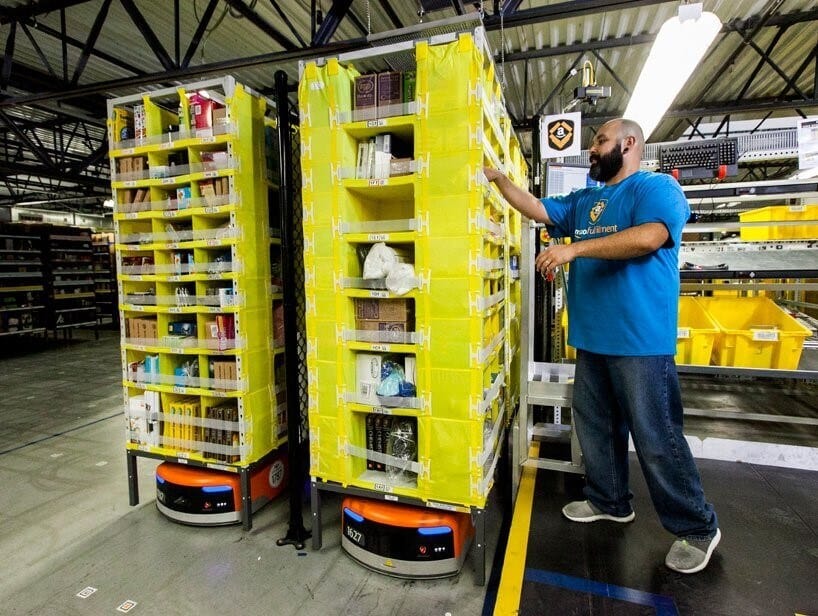
In other cases, robots speed-sort items by weight and volume to be packaged accordingly for different shipping services. This reduces human error while increasing fulfillment speed.
Kiva Systems and 6 River Systems have been two breakthrough AMR robot developers that have helped lower costs significantly for ecommerce Sellers. Kiva specializes in moving the entire shelf of products mentioned previously and was acquired by Amazon for the exclusive use of Amazon fulfillment centers. 6 River Systems was acquired by Shopify and is best known for their collaborative mobile robot named “Chuck” that uses sensors to navigate warehouses, avoiding obstacles and slowing down around people and equipment, guiding workers through their work zones to reduce walking and increase efficiency.
In 2025, Amazon said it had deployed its 1 millionth robot and that DeepFleet improves robot travel efficiency by 10%.
Using robots helps businesses cut the time required to fulfill each order. At the same time, it has allowed better utilization of space by building narrower isles and getting rid of handling mechanisms that were required before.
For a warehouse without any robots, simple solutions such as Automated Guided Vehicles (AGV’s) can be an entry level solution. They are used extensively on factory floors and follow a predetermined path to transport materials without human intervention. This helps reduce manpower. Another solution could be Autonomous Mobile Robots (AMR’s) that can identify their environment and information on packages, where items are located on shelves, and can be used for picking, putaway, sorting, counting, and replenishment tasks, reducing human intervention even further.
Summary
Successful ecommerce businesses don’t just offer free shipping, they master the logistics behind it. Whether through just-in-time inventory, dropshipping, or regional fulfillment centers, the right logistical decisions can make all the difference. Businesses that stay ahead in supply chain optimization will not only keep shipping costs under control but also position themselves for scalable, long-term success. The key is to continuously refine operations, embrace emerging technologies, and find efficiencies that drive long-term savings that can be reinvested into a growth strategy that includes free shipping. With the right approach, free shipping can become a sustainable and profitable part of your business.
Download The Ultimate Guide to Profitable Free Shipping
Frequently Asked Questions
How to lower supply chain costs?
Companies can reduce their supply chain costs by working with suppliers, choosing specialist logistics and warehousing firms, using technology to boost efficiency, and finding ways to reduce waste such as materials or time.
How to reduce the cost of supply chain?
Streamlined processes, efficient transportation, and optimized inventory management all contribute to significant cost savings. By minimizing waste and maximizing resource utilization, businesses can lower expenses and boost profitability.
What is an efficient supply chain?
Supply chain efficiency focuses on delivering quality products to customers at the lowest possible cost by maximizing such resources as materials and labor. Supply chain responsiveness focuses on customers’ expectations and strives to provide a quality product faster.
What is cost control in supply chain management?
It involves optimizing operations to deliver maximum value with minimum waste, thereby impacting the total cost of the products or services. Supply chain managers and leaders have a pivotal role in analyzing and optimizing the supply chain.
Where can I reduce supply chain costs?
Some examples include: avoid minimum order quantities, know your reorder point, get rid of obsolete stock, implement Just-in-Time inventory management practices, and use consignment inventory (or a drop shipping business model).
Written By:

Manish Chowdhary
Manish Chowdhary is the founder and CEO of Cahoot, the most comprehensive post-purchase suite for ecommerce brands. A serial entrepreneur and industry thought leader, Manish has decades of experience building technologies that simplify ecommerce logistics—from order fulfillment to returns. His insights help brands stay ahead of market shifts and operational challenges.
Turn Returns Into New Revenue
Related Articles
Why Fast Ground Delivery Requires Distributed Fulfillment
Fast hazmat shipping for products restricted to ground transportation comes from inventory placement, not from a faster service upgrade.
Modern Order Fulfillment Strategies for Ecommerce Success
In today’s fiercely competitive ecommerce landscape, ecommerce order fulfillment has evolved from a back-office operation to a critical strategic advantage.
Shipping Insurance for High-Value Items: Carrier Liability vs Third-Party Coverage
Most ecommerce losses on high-value shipments are not caused by theft.
Understanding Dimensional Weight Pricing
As ecommerce continues to grow year-over-year, shipping costs remain one of the most critical elements affecting profitability. Dimensional weight pricing, often abbreviated as dim weight, is a crucial concept that every ecommerce business must grasp to avoid overpaying for shipping. This pricing model is designed to account for the space that a package occupies in relation to its actual weight. Whether you are a small business owner or managing logistics for a large ecommerce operation, understanding how dimensional weight works can help streamline your shipping processes and save on costs. In this article, we will break down what dimensional weight is, why carriers use it, and how to manage and minimize its impact on shipping expenses.
What is Dimensional Weight?
Dimensional weight is a pricing technique used by shipping carriers to charge based on the volume of a package rather than its actual weight. In traditional weight-based shipping models, customers pay according to the physical weight of their package. However, this approach doesn’t always account for packages that are large but lightweight—think of a large box filled with foam padding or bubble wrap, but containing only a small item inside. In these cases, the carrier is still using valuable space on their truck or aircraft, and thus, dimensional weight is applied.
To calculate dimensional weight, the carrier will use a formula that considers the dimensions of the package—its length, width, and height. For most carriers, this is usually done by multiplying these three dimensions together to find the volume of the package. That number is then divided by a standard “dimensional factor,” which varies depending on the carrier.
For example, if a box measures 12 inches long, 10 inches wide, and 8 inches tall, the volume would be 960 cubic inches (12 x 10 x 8). The carrier would then divide that number by the dimensional factor (let’s say it’s 139 for domestic ground shipping with FedEx or UPS), which results in a dim weight of 6.9 pounds (rounded up to the nearest pound, so 7 pounds). If the actual weight of the package is 3 pounds, the carrier would charge for the 7-pound dimensional weight instead of the actual weight, since it takes up more space.
Why Do Carriers Use Dimensional Weight?
Carriers adopted dimensional weight pricing to more accurately reflect the costs of transporting packages. Shipping is not only about the weight of the package—it’s also about how much space it occupies in a truck or airplane. The more space a package takes up, the less room there is for other packages. For shipping carriers, this means they can carry fewer goods, which ultimately reduces their efficiency and increases costs.
In recent years, the rise of ecommerce has led to an influx of smaller, lightweight items that are packaged in oversized boxes. While these packages are light in weight, they take up considerable space in transportation vehicles. As a result, carriers needed a way to ensure they were being fairly compensated for the space they were losing in favor of these packages. Dimensional weight provides a more accurate measure of the space a package occupies, which helps carriers balance costs, maximize capacity, and avoid inefficiencies.
Additionally, with the increasing popularity of express shipping and global commerce, international shipping has become more complex. In the case of air freight, the cost of moving goods is heavily influenced by the weight-to-space ratio. Shipping carriers must account for both weight and volume when determining prices to remain competitive while covering their expenses. Dimensional weight ensures that carriers are not subsidizing the cost of lighter, bulkier packages, which is crucial for maintaining profitability in a highly competitive and resource-intensive industry.
The Importance of the DIM Factor
The “DIM factor” is a crucial element in dimensional weight pricing. This factor represents the “expected” ratio of a package’s volume (in cubic inches) to its weight. It plays a vital role in determining the dimensional weight of a package, and its value can vary depending on the carrier and the mode of transportation (ground, air, etc.). The DIM factor is a multiplier that converts the volume of the package into a weight equivalent. A lower DIM factor means that less volume per pound is “expected,” resulting in a higher dimensional weight, while a higher DIM factor leads to a lower dimensional weight for the same package.
Understanding the DIM factor is essential for ecommerce shippers because it allows them to better estimate shipping costs. As indicated above, different carriers may use different DIM factors, and knowing these differences can help make more informed decisions about which carrier to choose for a specific shipment. Additionally, some carriers may update their DIM factors periodically, so it’s important to stay informed about any changes to ensure you’re not caught off guard by unexpected cost increases.
Carriers can offer different DIM factors depending on the type of shipment. For example, express and international shipments might have a different DIM factor compared to standard ground shipping. This variation in the DIM factor means that dimensional weight can affect the total cost of shipping depending on how quickly the package needs to reach its destination and the method of transport being used.
Differences in DIM Factors Among Carriers and 3PLs
Different shipping carriers use slightly varied dimensional weight (DIM) calculation methods, primarily by adjusting the DIM factor, which influences how volume converts to weight. For example:
- FedEx, DHL, and UPS generally use a DIM factor of 139 for ground shipments within the U.S.
- USPS uses a factor of 166.
Additionally, different DIM factors may be used for air as opposed to ground shipments. This means that the same package might be billed at different rates depending on which carrier is used, making it crucial for shippers to compare options before selecting a service.
Some carriers also offer customized DIM factors for high-volume shippers or businesses that negotiate specific contracts. Additionally, certain services, such as USPS Priority Mail, do not apply dimensional weight pricing unless the package exceeds a particular size threshold (e.g., one cubic foot for domestic shipments). Understanding these variations can help ecommerce businesses strategically choose carriers and optimize packaging to minimize shipping costs.
In addition to differences in DIM factors among carriers, various 3PL services may use differing DIM factors when assessing fulfillment or inventory removal fees. Just as carriers use different DIM factors when calculating rates for different kinds of shipments, 3PLs may use different factors for domestic as opposed to international shipments, or for specific product classes. Be sure to confirm the DIM factors used by any 3PL service, including FBA, to accurately forecast shipping and fulfillment costs.
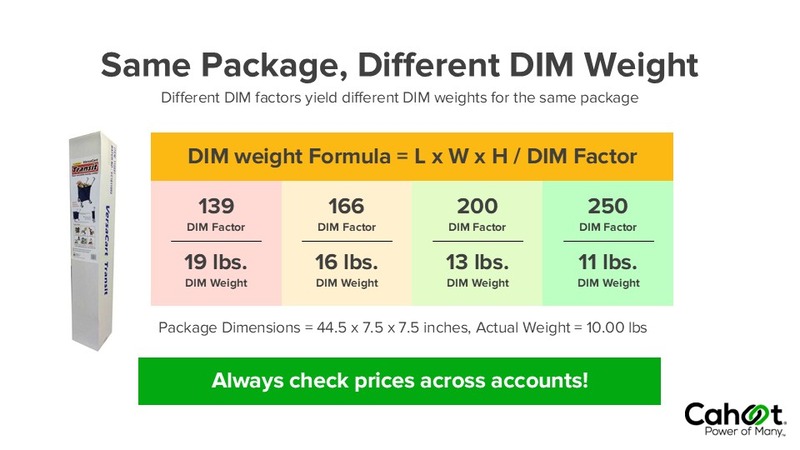
How to Minimize Dimensional Weight Costs
While dimensional weight pricing is a reality that ecommerce shippers must navigate, there are several strategies that can help minimize the associated costs. Here are some practical tips for reducing the financial impact of dimensional weight:
- Optimize Packaging: One of the most effective ways to reduce dimensional weight charges is to carefully consider the packaging you use. Shipping products in unnecessarily large boxes is a common mistake that results in higher shipping costs. Choose packaging that fits the product as closely as possible without wasting space. Nowadays, there is cartonization software that helps you decide what package to use to minimize excess space. If you can’t, you may also want to explore packaging materials like air pillows or foam inserts that can better protect your products while minimizing wasted space.
- Use Custom Packaging: If you consistently ship products that have irregular shapes or sizes, investing in custom packaging could be a smart move. Custom packaging allows you to reduce empty space within the box, which will help lower the dimensional weight.
- Consolidate Shipments: For businesses that ship multiple items, consolidating shipments into fewer packages can help lower dimensional weight charges. Instead of sending each item individually, combine them into a larger, more efficient package. This strategy helps spread out the dimensional weight across multiple products, reducing the overall cost of shipping.
- Take Advantage of Volumetric Pricing: Some carriers offer volume discounts or reduced dimensional weight charges for larger or heavier shipments. If you regularly ship large volumes, consider negotiating with carriers for better rates based on your shipment sizes. Shipping in bulk or negotiating long-term contracts with carriers can also provide discounts on dimensional weight charges.
- Compare Carrier Rates: As we’ve discussed, the DIM factor used can vary between carriers or between services for a given carrier. The exact same package can be billed as 18 pounds in one carrier account and 35 pounds in another. Therefore, it’s important to compare rates from different carriers to see who offers the most cost-effective pricing based on your packages’ size and weight.
- Monitor Your Shipments: Consistently tracking your shipping costs and reviewing your packaging practices can lead to ongoing savings. If you notice that certain shipments are disproportionately affected by dimensional weight pricing, reassess your packaging and look for ways to reduce the dimensions of those shipments.
- Choose the Right Service: When selecting a shipping method, choose the one that best fits the size and weight of your package. Ground shipping, for example, often has different dimensional weight rules than air freight, and express services can come with higher fees due to the faster delivery time. Take time to analyze your options before committing to a particular service.
Conclusion
Dimensional weight pricing is a necessary part of modern shipping, particularly for ecommerce businesses that regularly ship lightweight but bulky packages. Understanding dimensional weight, the importance of the DIM factor, and how to minimize costs can significantly improve your bottom line. By optimizing packaging, choosing the right carrier, and staying informed about changes in pricing, you can effectively navigate dimensional weight charges and keep your shipping expenses in check. In the competitive world of ecommerce, small adjustments to your shipping strategy can lead to big savings, ultimately helping you offer more competitive pricing and enhancing your customers’ satisfaction.
Fortunately, Cahoot is here to help. Our state-of-the-art shipping software is able to integrate across all major sales channels and compares rates across carriers to automatically select the most cost-effective options to meet your delivery requirements. Our nationwide network of warehouses ensures that, whatever your product and wherever your customer base, we are able to accommodate your specific fulfillment needs. Our proven solutions can help small businesses scale into established players, provide needed savings to sellers seeking to remain competitive, or find the best shipping solutions for bulky or hard-to-ship products. Whatever blockers are keeping your business from reaching its potential, Cahoot is here to help.
Frequently Asked Questions
Why is dimensional weight used by carriers?
Dimensional weight is used to account for the space taken up by a package as well as its weight. This kind of pricing has long been used for services like air freight, where space is at a premium and must be accounted for. With the explosion of ecommerce in the late 2000s and early 2010s, the major carriers began to apply dimensional weight pricing to ground shipments around 2015, to ensure that limited space in freight and delivery trucks is used efficiently.
Why do DIM factors differ between carriers or services?
Different carriers use varying DIM factors to align their pricing models with their specific operational costs, transportation methods, and target markets. The DIM factor represents the volume that equates to one pound of billable weight, and adjusting the factor allows carriers to balance space utilization and profitability. A lower DIM factor results in a higher dimensional weight, meaning shippers are charged more for bulky but lightweight packages. Conversely, a higher DIM factor allows for more generous volume-to-weight conversions, reducing costs for shippers.
Written By:
Indy Pereira
Indy Pereira helps ecommerce brands optimize their shipping and fulfillment with Cahoot’s technology. With a background in both sales and people operations, she bridges customer needs with strategic solutions that drive growth. Indy works closely with merchants every day and brings real-world insight into what makes logistics efficient and scalable.
Turn Returns Into New Revenue
Related Articles
Why Fast Ground Delivery Requires Distributed Fulfillment
Fast hazmat shipping for products restricted to ground transportation comes from inventory placement, not from a faster service upgrade.
Modern Order Fulfillment Strategies for Ecommerce Success
In today’s fiercely competitive ecommerce landscape, ecommerce order fulfillment has evolved from a back-office operation to a critical strategic advantage.
Shipping Insurance for High-Value Items: Carrier Liability vs Third-Party Coverage
Most ecommerce losses on high-value shipments are not caused by theft.
UPS Next Day Air Saver: Delivery Times, Costs & When to Use It

In this article
6 minutes
- Key Takeaways
- What Is UPS Next Day Air Saver?
- UPS Next Day Air Saver vs Other UPS Services
- Delivery Times and Guarantees
- Shipping Costs and Rates
- Weight and Size Limits
- Signature Requirements
- Service Coverage Areas
- Scheduling and Pickup
- Why Ecommerce Businesses Choose UPS Next Day Air Saver
- When to Choose UPS Next Day Air Saver
- Tips to Maximize Savings
- Final Thoughts
- Frequently Asked Questions
Key Takeaways
- UPS Next Day Air Saver offers fast, overnight shipping at a lower cost than standard Next Day Air, making it ideal for urgent deliveries.
- Delivery is guaranteed by the end of the day for residential addresses, with potential money-back guarantees for late shipments, providing reliability for businesses.
- The service accommodates packages up to 150 pounds and offers substantial savings for regular shippers, benefiting industries like ecommerce, legal, and medical fields.
What Is UPS Next Day Air Saver?
UPS Next Day Air Saver is a next-day air service from UPS that guarantees packages will be delivered by the end of the next business day. It’s similar to regular UPS Next Day Air, but more affordable, with delivery typically by 3:00 PM to commercial addresses and end-of-day for residential addresses.
You still get timely delivery, tracking, and access to express shipping options, just with slightly later arrival times, ideal for businesses that want to leverage UPS without paying premium rates.
UPS Next Day Air Saver vs Other UPS Services
Here’s a snapshot comparison of UPS Next Day Air Saver with other popular UPS expedited services:
|
Service
|
Delivery Time
|
Coverage
|
Saturday Delivery
|
Typical Use Case
|
|---|---|---|---|---|
|
UPS Next Day Air
|
By 10:30 AM
(most locations) |
All 50 states
|
Optional with fee
|
Highest-priority packages needing early delivery
|
|
UPS Next Day Air Saver
|
By 3:00 PM (commercial)
End-of-day (residential) |
48 contiguous states + limited AK/HI
|
Optional with fee
(metro only) |
Cost-effective next-day delivery for ecommerce and businesses
|
|
UPS 2nd Day Air
|
By the end of the 2nd business day
|
All 50 states
|
Optional with fee
|
Less urgent packages that can wait a day
|
Note: UPS Next Day Air Saver is not available in areas where guaranteed morning delivery (UPS Next Day Air Early) is already promised by other UPS services.
Delivery Times and Guarantees
For commercial addresses, delivery speed for UPS Next Day Air Saver is guaranteed by 3:00 PM; however, UPS now uses zone-based time windows, so in some metro areas, Air Saver commercial deliveries may be later than 3:00 PM. For residential addresses, packages arrive by the end of the business day (“end-of-day” is typically defined as 7:00 PM, but deliveries have been known to deliver after 11 PM local time in some cases). These guaranteed delivery times make it a strong alternative to pricier services like UPS Next Day Air Early AM.
UPS may offer a money-back guarantee for late deliveries on eligible shipments, though coverage varies by zone, season, and contract. You’ll want to confirm this on the UPS website or contact UPS customer service if timing is critical.
Shipping Costs and Rates
The next-day air saver cost depends on multiple variables:
- Package’s weight
- Dimensions (dimensional weight may apply)
- Origin and destination
- Chosen shipping methods and optional services
Businesses often see cost savings of $2.95 to $10.23 per shipment versus standard Next Day Air rates, depending on weight, zone, and contract rates. That makes the next-day air saver package a favorite for ecommerce shipping and bulk senders.
Here’s an illustrative example from the current UPS Rate and Service Guide. These rates assume actual weight (not dimensional weight), with no declared value, accessorials, or Saturday delivery. Important caveats: Rates vary by account volume, service tier, fuel surcharge, and peak-season surcharges. Always confirm pricing with your UPS rep or shipping software.
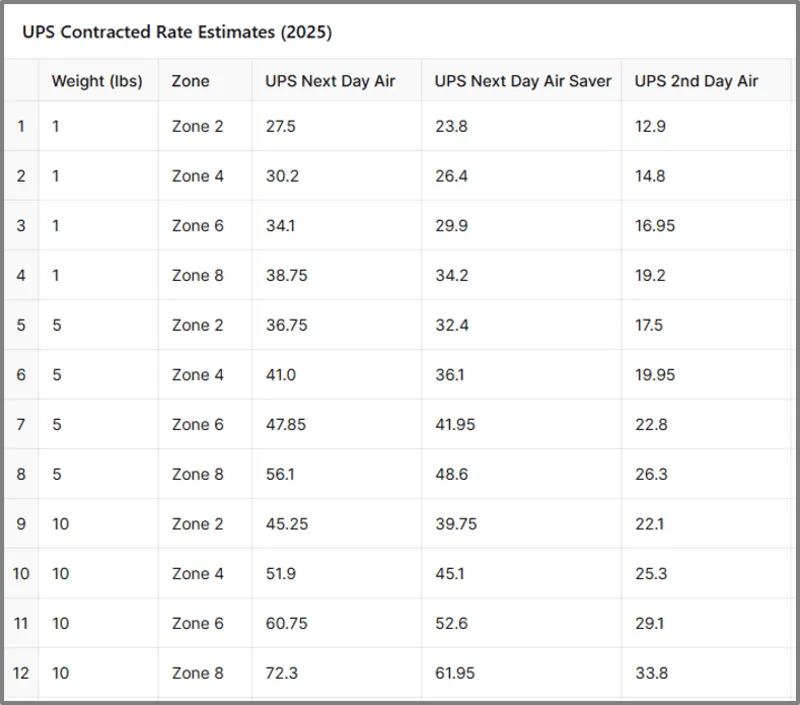
Weight and Size Limits
- Maximum weight limit: 150 lbs per package
- Max size: 108 inches in length, or 165 inches in combined length + girth
Exceeding these limits can require freight classification or other UPS services.
Signature Requirements
- Commercial address: Signature is required for delivery
- Residential addresses: No signature required unless requested
This flexibility balances customer expectations with security and speed.
Service Coverage Areas
UPS Next Day Air Saver is available across the 48 contiguous states, with limited availability in Alaska and Hawaii. It’s not available in areas already covered by guaranteed morning delivery under UPS Next Day Air Early.
International shipments require separate UPS Express shipping services.
Scheduling and Pickup
- Cutoff times: Typically 4:00 PM to 6:00 PM local time
- Can specify pickup windows and reference numbers
- Missed pickups can be rescheduled via your UPS account
UPS also supports Saturday delivery for Air Saver shipments, but not by default. Saturday delivery for Air Saver is only available in limited metro areas, and often requires an upgrade to Next Day Air or an additional surcharge.
Why Ecommerce Businesses Choose UPS Next Day Air Saver

If you’re shipping high volumes or dealing with customer demands for one-day delivery, UPS Next Day Air Saver is the best compromise between fast delivery and affordable shipping.
Industries that benefit:
- Ecommerce & DTC brands
- Medical and pharmaceutical shipping
- Legal and financial services
Using Air Saver helps brands:
- Meet customer expectations for speed
- Reduce shipping charges while maintaining quality
- Handle urgent shipments reliably
- Boost sales with competitive delivery options
When to Choose UPS Next Day Air Saver
- You want overnight shipping but don’t need early AM delivery
- You’re sending to commercial addresses where 3 PM is sufficient
- You’re balancing shipping speed and budget
- You’re optimizing shipping costs during peak ecommerce cycles
Use UPS Next Day Air Saver when:
Tips to Maximize Savings
- Set a free shipping threshold to increase cart size
- Choose next-day air saver shipping only for qualifying zones and weights
- Compare against UPS 2nd Day Air and standard Next Day Air rates weekly
- Revisit contract discounts quarterly with your UPS rep
- Combine with third-party shipping options or rate shopping tools to reduce waste
Final Thoughts
UPS Next Day Air Saver gives ecommerce brands, shippers, and logistics managers a powerful way to get packages delivered quickly without overspending. It’s a proven method to meet customer expectations, reduce costs, and protect margins, especially when delivery times are important, but guaranteed morning delivery isn’t necessary.
Want more strategies to lower your shipping costs and improve fulfillment? Explore Cahoot’s distributed order fulfillment solutions built for fast, affordable delivery across all major carriers.
Frequently Asked Questions
What is UPS Next Day Air Saver?
A UPS overnight delivery service that guarantees next-day delivery by end of business day at lower rates than standard Next Day Air.
How does UPS Next Day Air Saver differ from Next Day Air?
Next Day Air arrives by 10:30 AM; Air Saver by 3:00 PM (commercial) or end-of-day (residential). Air Saver is more affordable.
Does UPS Next Day Air Saver support Saturday delivery?
Yes, but only in select metro areas and for an added fee.
Are there weight and size limits for UPS Next Day Air Saver?
Packages can weigh up to 150 lbs and be up to 165 inches in length + girth.
Where is UPS Next Day Air Saver available?
It serves the 48 contiguous U.S. states and some areas in AK/HI, except where guaranteed morning delivery supersedes it.
Written By:
Jeremy Stewart
Jeremy Stewart leads customer success at Cahoot, helping merchants achieve high-performance logistics through smart technology and process optimization. With a background in both ecommerce operations and client services, Jeremy ensures that every merchant using Cahoot gets measurable results—whether they’re scaling from one warehouse to many or managing complex returns.
Turn Returns Into New Revenue
Related Articles
Residential Surcharge vs Delivery Area Surcharge: Why You May Pay Both
A residential surcharge is a per-package fee based on delivery destination type: it applies when a carrier classifies the address as residential or home-based.
Amazon Meltable Fulfillment: Keep Chocolate Selling Through Summer
Amazon meltable fulfillment does not have to stop when FBA’s summer restrictions begin.
Crafting a Return Policy that Drives Customer Loyalty and Reduces Returns
Let’s talk about ecommerce returns policies.