
Why Scale and Consolidation Failed to Reduce Returns
In this article
 14 minutes
- Introduction
- Scale Solved Some Local Problems
- But Scale Did Not Change the Loop
- Consolidation Optimized Reverse Logistics Handling, Not Structural Waste
- Bigger Networks Can Magnify the Same Inefficiencies
- Bigger Footprints Did Not Mean Better Economics
- The Importance of Customer Experience
- Product Quality and Returns
- The Real Constraint Was Architecture, Not Network Size
- Future Outlook
- Frequently Asked Questions
Introduction
Bigger networks and more consolidation did not solve returns. Scale improved local execution, throughput, and bargaining power, but it did not change the warehouse-first logic underneath the system, which means the structural costs of returns management stayed exactly where they were.
That distinction matters because most operators still assume size will eventually fix the math. It hasn’t. The industry built bigger footprints, tighter carrier relationships, and more centralized recovery hubs, and per-return economics barely moved. In some cases, scale spread the same inefficiencies across a wider footprint. If you’re trying to figure out why returns kept getting more expensive even as return networks grew, the answer is architectural, not operational.
Scale Solved Some Local Problems
It’s worth being fair about what scale actually did.
Many brands have experienced real, measurable gains from scaling their returns operations. Bigger return networks delivered specific improvements in key areas. More nodes meant broader geographic reach. Higher consolidated volume meant smoother throughput during peaks and troughs. Larger players negotiated better rates with carriers and earned better terms with downstream recovery partners. Process consistency and reporting improved as more returns operations flowed through standardized intake and disposition workflows.
These are not trivial wins. A returns operation that can absorb a holiday surge without crippling delays is genuinely better than one that can’t. A network that can move returned inventory between regional hubs to balance load is genuinely more resilient. A buyer with enough volume to negotiate carrier surcharges down by a few percentage points is genuinely better off.
The problem isn’t that scale did nothing. The problem is what scale didn’t do.
But Scale Did Not Change the Loop
Every one of those improvements happens inside the same structural pattern: an item moves through the return flow, traveling backward from the customer, landing at a centralized recovery facility, getting handled, and waiting for value to be restored before it can move forward again.
Network size does not change direction. A return routed through a bigger system is still a return routed backward. A drop-off network with more locations is still a funnel into the same warehouse-centric pipeline. A carrier with more reach is still moving the same package through the same number of legs to reach the same kind of endpoint.
The most labor-intensive parts of returns management—such as inbound freight, intake, inspection, repackaging, and restocking—are all components of returns processing that sit on the back end of that loop. They are not solved by adding nodes to the front end of it. This is the heart of the warehouse-centric return loop, and no amount of network expansion changes its physics.
Consolidation Optimized Reverse Logistics Handling, Not Structural Waste
Consolidation gets framed as a structural fix because it sounds like one. Combine more volume under fewer roofs, the thinking goes, and unit economics will bend.
What consolidation actually does is optimize handling. It coordinates more activity across more places. It reduces some duplication in administration and overhead. It creates leverage in negotiation. These are coordination gains, and they show up as marginally lower per-handle costs, slightly faster throughput, and modestly improved disposition rates.
Picture a brand that consolidates returns from three regional partners into one national reverse logistics provider. Intake gets standardized. Disposition codes line up across regions. Carrier rates drop a few points because total volume is now negotiable as a single block. Reporting improves because the data lives in one system, making it easier to track key metrics such as ROI, cost per return, and customer experience indicators. These are real wins, and they show up cleanly in operating reviews.
What does not show up in those reviews is the cost layer that did not move. The returned item still travels backward from the customer to a recovery facility. It still waits in a queue. It still loses resale value while it waits. It still gets repackaged before it can move forward again. Consolidation made the handling of those steps more efficient. It did not eliminate any of them.
That distinction is easy to lose when coordination metrics improve year over year and leadership concludes the system is getting better. The metrics are improving. The system is not. As we’ve covered in the myth of “efficient” reverse logistics, process efficiency inside the wrong system is not the same as system-level cost reduction.
Bigger Networks Can Magnify the Same Inefficiencies
This is the sharpest point in the argument, and it tends to surprise operators who haven’t traced the math through.
Shipping still happens. Handling still happens. Delay still happens. Markdown drag still happens. None of these go away because the network got bigger. What changes is how widely they get distributed. A bigger network means more nodes participating in the same backward flow, more carrier legs absorbing the same redundant shipping, more facilities holding the same aging inventory while resale value decays. Scale spreads the pattern, it doesn’t break it.
Consider the cost layers that survive every consolidation move:
- Inbound freight from customer to recovery node
- Labor at intake and inspection, now distributed across more facilities
- Time-driven markdown exposure, now affecting more units in transit
- Outbound freight when items eventually move to resale or liquidation
- Fraud and shrinkage opportunities, multiplied across more handoffs, with significant financial implications for profitability as these risks and costs accumulate at scale
A bigger network with the same loop means more touchpoints exposed to the same risks. This is why first-mile improvements like expanded drop-off networks haven’t bent the curve either. They’re a real convenience win for customers, but as we’ve explained in why drop-off networks improve UX but don’t fix economics, they preserve the same downstream recovery logic and do little to address how a high ecommerce return rate impacts profit margins. The consumer-facing friction goes down. The structural cost stays put.
The pattern repeats with automation. Faster sorters, better scanners, smarter routing inside the warehouse. Each of these tools makes the existing loop run more smoothly without making the loop itself shorter or cheaper, which is the territory we cover in why more automation didn’t lower return costs.
Bigger Footprints Did Not Mean Better Economics
Here’s a useful test. Look at the major returns network expansions and consolidations of the past few years. Carriers acquiring drop-off specialists. Reverse logistics platforms rolling up under enterprise supply chain stacks. Brand networks expanding regional intake capacity. In nearly every case, the strategic narrative was the same: scale will deliver structural cost improvement.
The economics tell a different story. Per-return cost has not materially declined across the industry. Recovery rates—the percentage of returned goods successfully resold—have not meaningfully improved. The true cost of returns, which includes not just the refund amount but also markdown drag, lost cost of goods, and the additional sales needed to compensate for returns, still consumes a large portion of returned value, particularly in apparel and seasonal goods, where time-to-resale is the single most important variable in determining whether a return becomes a partial recovery or a near-total loss.
What got better was reach. What got better was throughput coordination. What got better was the ability to negotiate. None of those things change the equation that says a return traveling backward through a centralized recovery process loses value at every stage, regardless of how big the network handling it is.
A returns network can add carriers, add nodes, add volume, and improve regional execution. Every one of those returns still travels backward through the same recovery logic before value is restored. The business has made the same loop bigger. It has not made the loop smarter.
The Importance of Customer Experience
Customer experience sits at the heart of effective ecommerce returns management. In today’s competitive landscape, the returns process is no longer just a backend operation—it’s a defining moment in the customer journey. When ecommerce brands deliver a seamless, transparent, and hassle-free returns process, they build customer trust and foster brand loyalty through an exceptional returns program that encourages customer loyalty. Customers who feel confident that returns will be handled smoothly are far more likely to make repeat purchases and recommend the brand to others.
On the flip side, a complicated or slow returns process can quickly erode customer satisfaction. Delayed refunds, unclear return eligibility, or cumbersome return requests can turn a single return into a lost customer. For ecommerce brands, this means that returns management is not just about controlling costs; it’s about protecting and enhancing the overall customer experience while understanding the true cost of offering free returns and whether that promise is sustainable.
Best-in-class ecommerce returns management prioritizes streamlined returns processes, clear communication, and flexible options. Features like free returns, extended return windows, and in-store returns give customers the confidence to buy, knowing they have control if something isn’t right. By making the returns process as frictionless as possible, brands can turn what was once seen as a pain point into a strategic advantage—driving customer satisfaction, repeat purchases, and long-term loyalty.
Product Quality and Returns
Product quality is a foundational driver of returns in ecommerce. High-quality products not only delight customers but also significantly reduce the volume of returns, minimizing the need for costly reverse logistics and return shipping. When product quality slips, returns spike—triggering a cascade of operational inefficiencies, increased shipping costs, and lost revenue.
Ecommerce brands that treat returns management as a strategic function use returns data to identify patterns and root causes behind returns. By analyzing which products are most frequently returned and why, brands can make targeted improvements in product design, manufacturing, and quality control. This data-driven approach not only reduces returns but also enhances customer satisfaction and loyalty, as customers receive products that meet or exceed expectations.
Ultimately, investing in product quality pays dividends across the entire returns lifecycle. Fewer returns mean lower operational costs, less strain on reverse logistics, and a stronger reputation for reliability. For ecommerce brands, focusing on quality is not just about reducing returns—it’s about building a foundation for sustainable growth and customer loyalty in a crowded market, especially in categories where understanding the average ecommerce return rate is critical to planning and performance.
The Real Constraint Was Architecture, Not Network Size
The reason scale didn’t bend the curve is that the bottleneck was never network size in the first place. It was the architecture of the loop.
Footprint is not the same as redesign. A bigger system that still routes every return backward through centralized recovery is solving the wrong problem at a larger scale. The constraint is structural: the assumption that returned items must travel backward before they can move forward again. Until that assumption changes, network growth produces local improvements without producing structural cost relief.
This is the bridge to a deeper rethink, which we’ve laid out in our argument that returns need to go forward, not back. It’s also why the wider innovation cycle in returns has plateaued in the way we describe in why reverse logistics innovation plateaued. The vendors and networks running the existing loop have largely optimized what they can optimize. The remaining cost is locked into the architecture itself, and returns management at this stage risks becoming just damage control rather than a source of strategic value.
For operators evaluating returns management strategy, the implication is concrete. If your case for cost relief depends on getting bigger, getting more nodes, or signing better carrier contracts, you will get marginal improvement and call it progress. If your case for cost relief depends on changing where returns go, you will move the line that actually matters.
Scale and consolidation made returns networks bigger and sometimes smoother. They did not make the warehouse-first model fundamentally cheaper. The architecture is what determines whether the next dollar spent on returns produces real recovery or just another lap around the same loop.
Future Outlook
The future of ecommerce returns management is being shaped by a shift in mindset: from viewing returns as just a cost center to recognizing them as a strategic priority and potential competitive advantage, where crafting the perfect e-commerce returns program becomes part of core customer and margin strategy. As customer expectations continue to rise, ecommerce brands must invest in returns processes that deliver both operational efficiency and exceptional customer experience, often by adopting modern returns management software for 2025 that can automate and orchestrate the loop more intelligently.
Emerging technologies are at the forefront of this transformation. AI and machine learning are enabling smarter return authorization, real-time inventory accuracy, and personalized customer communication, often delivered through platforms like the Return Prime returns solution that plug directly into ecommerce stacks. Automation is reducing manual processes and human error, speeding up refund cycles and improving the overall returns process. At the same time, sustainability is becoming a key consideration, with brands exploring ways to recycle, refurbish, or resell returned units to minimize environmental impact and design eco-friendly returns practices that align cost management with customer expectations.
Brands that treat returns management as more than just a cost—by leveraging returns data, optimizing the returns flow, and prioritizing customer satisfaction—will be best positioned to turn returns into a source of significant value. By making returns a strategic priority, ecommerce brands can drive customer loyalty, unlock new revenue streams, and secure a lasting competitive advantage in an ever-evolving market. As the industry continues to innovate, those who invest in efficient, customer-centric returns management will lead the way in shaping the future of ecommerce.
Frequently Asked Questions
Did scale and consolidation make returns cheaper?
Not structurally. Scale produced local gains in throughput, bargaining power, and process consistency, but it did not lower per-return economics in a meaningful way. The cost layers built into backward flow, inbound freight, intake labor, delay-driven markdowns, and late recovery, remained intact regardless of how big the network became.
Why doesn’t a bigger returns network bend the cost curve?
Because the cost is structural, not operational. Per-return economics are dictated by where the item has to go before value is restored. A bigger network with the same warehouse-first routing moves more items through the same backward path. It can move them more smoothly, but it can’t make the path shorter or cheaper.
Is consolidation pointless for returns management?
No. Consolidation produces real coordination gains and can improve handling efficiency across a wider footprint. The point is that handling efficiency is not the same as removing structural waste. Consolidation should be evaluated for what it actually delivers, which is operational coordination, not for what it doesn’t, which is architectural redesign.
What’s the difference between scale and structural redesign in returns?
Scale changes how much volume the system can absorb and how efficiently it coordinates handling. Structural redesign changes where returned items go in the first place. Scale optimizes the existing loop. Structural redesign questions whether the loop needs to exist in its current form.
Can scale magnify returns problems instead of fixing them?
Yes. A bigger network means more nodes participating in the same backward flow, more carrier legs absorbing the same redundant shipping, and more facilities holding aging inventory while value decays. Without changing the underlying routing logic, scale can spread the same inefficiencies across a wider footprint rather than removing them.
What actually reduces returns cost if scale doesn’t?
Changing the routing itself. The most meaningful cost reductions come from rerouting eligible returns out of the warehouse-first loop entirely, rather than running them through a bigger or more consolidated version of it. The architecture determines the economics, not the footprint.
Written By:

Manish Chowdhary
Manish Chowdhary is the founder and CEO of Cahoot, the most comprehensive post-purchase suite for ecommerce brands. A serial entrepreneur and industry thought leader, Manish has decades of experience building technologies that simplify ecommerce logistics—from order fulfillment to returns. His insights help brands stay ahead of market shifts and operational challenges.

Turn Returns Into New Revenue
Related Articles
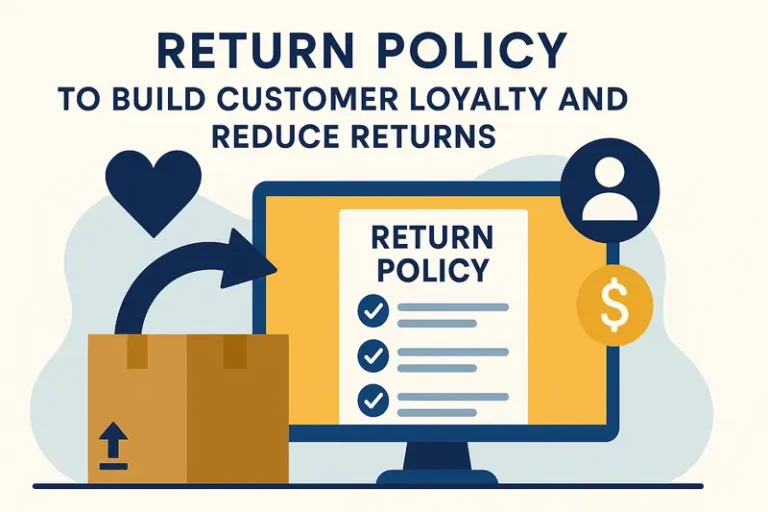
Crafting a Return Policy that Drives Customer Loyalty and Reduces Returns
Let’s talk about ecommerce returns policies.

Cheapest Shipping from USA to UK: What It Really Costs
Shipping from the USA to the UK is one of the most common international routes for ecommerce brands, and it is also one of the most misunderstood from a cost perspective.

Why Faster Refunds Made Returns More Expensive
Introduction Faster refunds feel like obvious progress.
Why More Automation Didn’t Lower Return Costs
In this article
15 minutes
- Introduction
- Automation Solved Real Execution Problems
- But Return Cost Was Never Just a Labor Problem
- Automation Improved Throughput Inside the Wrong Loop
- Faster Processing Did Not Remove Reverse Logistics, Shipping, Delay, or Markdown Drag
- Improving Customer Experience in the Returns Process
- Understanding Return Data and Its Impact on Costs
- Automating a Broken Flow Scales Waste
- The Real Constraint Was Architecture, Not Effort
- Frequently Asked Questions
Introduction
Returns automation has done a lot of useful things over the past decade. It cut manual touches, smoothed out intake, sped up sorting, and made workflow execution far more consistent. What it did not do is materially lower the cost of a return. The bills got paid faster. They did not get smaller.
That gap, between operational improvement and structural cost relief, is the thing most operators underestimate when they evaluate automation pitches. Speed inside a warehouse-first reverse loop is not the same as a cheaper returns system. The biggest cost layers in a return are not labor. They are shipping, time, markdown drag, and recovery lag, and none of those move when you put a faster conveyor under the same broken design. This article explains why automation made returns smoother to process without making them fundamentally cheaper to have, and why the real constraint was always the architecture, not the effort.
Automation Solved Real Execution Problems
Let’s be fair to the technology. Returns automation actually delivered on the operational promises it made, with the ability to streamline workflows, automate complex processes, and enhance the overall customer experience. Returns automation increases efficiency by simplifying and speeding up the returns process, eliminating the need for manual handling of each return request and saving significant time.
Inside the four walls of a returns center, automation reduced manual effort, improved consistency, and accelerated the steps that used to be the most painful: intake scanning, disposition routing, condition grading, label generation, refund triggering, system updates. Automated returns processing uses intelligent business rules to trigger actions, update inventory in real-time, and provide a seamless interface for both warehouse teams and customers, replacing slow, error-prone human touches and reducing human error, much like dedicated returns management software for ecommerce businesses. Automation also frees up the customer service team to focus on more complex issues, rather than routine return requests. Throughput went up. Errors went down. Seasonal spikes became survivable. For operators who had been drowning in paper RMAs and Excel disposition logs five years earlier, that was real progress.
This is the part that gets glossed over by automation skeptics, and it shouldn’t be. The frontline experience of running returns is meaningfully better with modern tooling than it was without it. Local efficiency gains at the warehouse line are real. The customer-facing portal experience is real. The data visibility is real.
The problem is not that automation failed to do what it said. The problem is what people assumed would follow.
But Return Cost Was Never Just a Labor Problem
Here is the contrarian piece most automation business cases skip: manual labor was never the dominant cost in a return.
When you decompose what a return actually costs, the line items stack up across categories that have nothing to do with how fast a worker can scan a box:
- Shipping in both directions, often two full freight legs before an item is even ready for resale
- Handling returns and inspection, including the queue time before inspection happens
- Delay, which silently destroys resale value while the item sits
- Markdown drag, because by the time the item is ready to relist, the window has shifted
- Recovery lag, the gap between when cash left the business and when any of it comes back
- Exception complexity, which scales nonlinearly with volume
Manual labor is in there, but it is one slice of a much larger pie. Even if automation drove manual labor cost on a return to zero, which it can’t, the rest of those layers would still be sitting on the P&L. Automating the returns process can help reduce costs associated with handling returns by minimizing manual work and saving on labor and operational expenses, especially when brands adopt modern returns management software platforms. This is the heart of the myth of “efficient” reverse logistics: the assumption that the work itself is worth preserving, when in fact the work is a symptom of routing the item the wrong direction in the first place.
If you’ve ever looked at a fully loaded cost-per-return number and wondered why it barely budged after a six-figure tooling investment, this is the answer. You optimized the smallest cost layer.
Automation Improved Throughput Inside the Wrong Loop
Every modern returns platform, whether it sits at the portal layer or the warehouse layer, was built on top of one assumption: the item goes back to a centralized facility. Intake, inspection, repackaging, restocking, and disposition all happen at a node that is not where the next buyer lives.
While automation made that node run faster, it did not change the fact that the node exists, or that the item has to physically travel there. However, automated returns processing can help reduce costs by optimizing transportation routes, increasing labor productivity, and accelerating time-to-resale, thereby preventing product depreciation.
So the warehouse-first architecture stayed exactly the same. Two shipping legs, still there. Centralized intake, still there. Time-to-relist measured in days or weeks, still there. The item still moves backward through the same expensive chain. The only thing that changed is that the chain runs more smoothly.
This is a different problem from what returns management software doesn’t actually fix, and it’s worth being precise about the distinction. Software-layer tools mostly relieve symptoms in the customer-facing flow, like portals, policies, and exchange UX. Operations automation, especially in a returns process based on specific rules and triggers, can use intelligent business rules to trigger actions such as real-time inventory updates and customer notifications, providing a seamless interface for both warehouse teams and customers. Both are useful. Neither changes routing. The item still goes backward, and going backward is what’s expensive.
Faster Processing Did Not Remove Reverse Logistics, Shipping, Delay, or Markdown Drag
Here is the practical version of the argument, and it’s the one CFOs respond to.
A returns operation can automate intake, speed up sorting, reduce manual touches, and standardize disposition decisions. Automation also enables real-time tracking of the status of each return, providing transparency throughout the process. These gains are real and measurable. Additionally, returns automation provides real-time updates on inventory levels, which aids in restocking and relisting returned items efficiently. This leads to faster restocking cycles, ensuring that returned items are processed and relisted quickly, maintaining product value and reducing the risk of markdowns. What stays unchanged after all of that:
- The inbound freight cost on the return leg
- The outbound freight cost when the item resells (assuming it does)
- The days the item spends in motion or in queue, during which its market value decays
- The markdown the merchandising team eventually has to take to move it
- The gap between refund-out and revenue-in
You can run the most automated returns center on the continent and still not touch any of those numbers. They are properties of the routing decision, not the processing speed. A 30-second intake versus a 3-minute intake doesn’t change what the carrier charges, doesn’t change how long the item has been off-shelf, and doesn’t change the price the next buyer is willing to pay for last season’s color.
This is why per-return cost curves have flattened, not bent, across the industry. Local efficiency hit a ceiling that the architecture defined.
Improving Customer Experience in the Returns Process
A positive customer experience in the returns process is no longer a nice-to-have—it’s a competitive advantage for any online store, and an exceptional ecommerce returns program is often the foundation of that advantage. Customers expect a hassle-free returns experience, and how a business manages returns can directly impact customer loyalty and customer lifetime value. When the returns process is smooth, transparent, and quick, customers are more likely to return for future purchases, even after a return.
Implementing a robust returns management system is key to delivering this seamless experience. Automated notifications keep customers informed at every stage, from the moment they submit a return request to when their refund, store credit, or exchange is processed. Clear return instructions and an intuitive return portal reduce confusion and frustration, making it easy for customers to process returns without needing to contact the support team for routine tasks.
Offering flexible options—such as store credit or coupon codes—can turn a return into an opportunity for more revenue, encouraging customers to shop again rather than walk away. A streamlined exchange process also helps retain sales that might otherwise be lost. Ultimately, a well-designed returns management approach not only increases customer satisfaction but also builds long-term customer loyalty, driving value for both the customer and the business.
Understanding Return Data and Its Impact on Costs
Return data is a powerful asset for any business looking to optimize its returns management solution and reduce costs, and it directly shapes how ecommerce return rates impact profit margins. By systematically collecting and analyzing return data through returns management software, businesses can uncover the underlying return reasons—such as product defects, inaccurate descriptions, or sizing issues—that drive customer returns and contribute to the rise of ecommerce return rates. Addressing these root causes can significantly reduce the volume of returns, saving money on reverse logistics and improving operational efficiency.
Beyond cost savings, return data provides valuable insights into the customer journey. By understanding patterns in customer behavior, businesses can refine their product offerings, improve descriptions, and enhance the overall customer experience. This data-driven approach allows companies to proactively identify pain points in the returns process and implement targeted improvements, leading to higher customer satisfaction and a more efficient returns process.
Leveraging returns analytics not only helps manage returns more effectively but also informs broader business decisions, from inventory management to product development. In a competitive e-commerce landscape, using return data to drive continuous improvement in returns management can be a game changer—helping businesses save time, reduce costs, and craft a more effective ecommerce returns program that keeps customers happy.
Automating a Broken Flow Scales Waste
This is the sharpest version of the point, and it’s worth sitting with.
If the underlying flow is structurally wrong, then making it faster doesn’t fix it. It just lets the business handle more of the wrong motion in less time. Throughput of returned products goes up. The cost-per-unit of the wrong motion stays roughly where it was. The system gets better at handling waste without eliminating it.
Returns automation tools streamline the returns process by simplifying return requests, tracking inventory, and providing timely updates, which reduces operational costs for eCommerce stores while enhancing customer satisfaction. However, even with reduced manual intervention, automation alone cannot solve structural issues in the returns process.
This is the same trap behind why scale and consolidation failed to reduce returns. More volume through the same loop, even with better tools, doesn’t bend the cost curve. It widens it. A bigger network running a faster version of the wrong process is still running the wrong process, just at scale.
Efficiency, in other words, is not the same as design. You can be highly efficient at moving items in a direction that destroys value. The output looks impressive (units processed per hour, dwell time at intake, days-to-disposition) right up until you compare it to the actual recovered margin per return, at which point the gains evaporate.
The problem isn’t that automation is bad. The problem is that automation inside a structurally expensive loop produces structurally expensive results, just faster.
The Real Constraint Was Architecture, Not Effort
Tools help. Effort matters. Better execution beats worse execution every time. None of that is in dispute.
What’s worth being honest about is the ceiling. The ceiling on how much you can lower return cost through automation alone is set by the architecture of the loop you’re automating. If the loop sends items backward through a centralized chain before they can move forward again, then the maximum savings available through automation are bounded by how much labor and process friction sit inside that chain. Once you’ve squeezed those out, you’re done. The shipping, delay, and markdown layers are still there, untouched, because they aren’t effort problems. They are routing problems.
Integrating returns automation with your ecommerce platform is crucial, as seamless connections between your online store and fulfillment services can streamline order management and scaling. Optimizing the returns process in this way can help protect profit margins by reducing unnecessary costs and inefficiencies. Rethinking the architecture can also help businesses save money by minimizing waste and operational expenses.
This is why the more interesting conversations in returns right now are about whether returns need to go forward, not back in the first place. Not as a marketing pivot, but as a structural question: what would the cost curve actually look like if the item didn’t have to be routed through the centralized loop at all? That’s a different argument than this one, and it deserves its own treatment. The point here is narrower: automation cannot answer that question, because automation operates inside whatever architecture you give it.
If the architecture is the constraint, the architecture is what you have to change. Automating around it gets you a smoother version of what you already have.
Frequently Asked Questions
Did returns automation lower costs at all?
Yes, but mostly at the labor and process-friction layer. Automation reduced manual touches, sped up workflow execution, and improved consistency, which translated into measurable savings on the smallest portion of the total cost of a return. Automating the returns process also allows customers to easily initiate return requests, print return labels, and track the status of their returns, significantly improving customer experience. Key features of returns automation systems include automatic label generation and real-time tracking updates, which further streamline the process. The larger cost layers, including shipping, delay, markdown drag, and recovery lag, were largely unaffected because they are determined by routing rather than by processing speed.
What’s the difference between returns automation and returns software?
Returns automation usually refers to operational tooling at the warehouse and workflow layer, including intake, sorting, disposition, and refund triggering. Returns software more often refers to the customer-facing portal layer, including return initiation, policy enforcement, and exchange flows. Implementing returns automation involves transitioning to a system-led approach centered on a self-service returns portal, which empowers customers to manage their own returns efficiently. An integrated knowledge base is also an important component of returns automation, enabling self-service, improving customer satisfaction, and supporting seamless customer support. Both improve specific parts of the experience. Neither changes whether the item has to travel back to a centralized facility, which is where most of the cost lives.
Why didn’t automation reduce shipping costs on returns?
Because shipping cost is a function of carrier rates, distance, and the number of legs in the journey. Automation can speed up what happens between shipments, but it doesn’t eliminate the shipments themselves. However, integrating with shipping APIs can provide discounted rates for return shipments, helping to reduce costs. Additionally, offering drop-off returns at designated locations, such as Return Bar® locations, can further reduce shipping costs and improve convenience for customers. As long as the architecture requires an inbound leg back to a warehouse and often an outbound leg again afterward, the freight bill stays roughly the same regardless of how fast the warehouse runs.
Is the argument that automation is bad for returns?
No. Automation produced real, durable improvements in execution and is worth the investment for what it does well. Returns automation provides valuable data and can provide insights into customer behavior and operational efficiency, helping businesses optimize the process. Additionally, collecting and analyzing customer feedback is important for monitoring and continuously improving the returns automation process. The argument is narrower: automation cannot deliver structural cost reduction in a system whose biggest costs are structural. Recognizing that limit is what separates a useful automation strategy from one built on overstated expectations.
What does it take to actually lower return costs materially?
Material cost reduction in returns generally requires changing the routing of the item rather than the speed of processing it. That means looking at whether eligible returns have to travel backward through a centralized loop at all, or whether some portion of them can move forward to the next buyer directly. That conversation is about architecture, not tooling, and it’s where the larger cost layers actually live. Providing customers with seamless return options, such as drop-off returns at Happy Returns-style Return Bars and in-store returns at a physical store, can greatly enhance the post-purchase experience. A robust returns solution can automatically approve or reject return requests based on specific conditions, streamlining the process and reducing manual intervention. Optimizing the returns process not only helps protect profit margins by minimizing manual work, increasing accuracy, and saving time and resources, but also significantly improves customer experience—leading to increased loyalty and higher customer lifetime value, even as merchants confront the real cost of offering free ecommerce returns. In fact, 65% of customers say the speed and ease of refunds affect where they choose to buy from, so a streamlined and automated returns process can have a direct impact on conversion rates and customer retention. Improving the returns process can also positively influence online purchases and retail sales by building trust and making the customer journey more convenient.
Written By:
Manish Chowdhary
Manish Chowdhary is the founder and CEO of Cahoot, the most comprehensive post-purchase suite for ecommerce brands. A serial entrepreneur and industry thought leader, Manish has decades of experience building technologies that simplify ecommerce logistics—from order fulfillment to returns. His insights help brands stay ahead of market shifts and operational challenges.
Turn Returns Into New Revenue
Related Articles
Crafting a Return Policy that Drives Customer Loyalty and Reduces Returns
Let’s talk about ecommerce returns policies.
Cheapest Shipping from USA to UK: What It Really Costs
Shipping from the USA to the UK is one of the most common international routes for ecommerce brands, and it is also one of the most misunderstood from a cost perspective.
Why Faster Refunds Made Returns More Expensive
Introduction Faster refunds feel like obvious progress.
Why Returns Look Manageable Until They Suddenly Aren’t

In this article
19 minutes
- Introduction
- Understanding Customer Expectations
- Returns Management Can Look Manageable Early
- Returns Do Not Fail Linearly
- Threshold Effects Change the Reverse Logistics Game
- Quiet Erosion in the Cost of Returns Can Turn Into Visible Breakage
- Fraudulent Returns
- Technology and Returns Management
- The Suddenness Is Often an Illusion
- What Looks Like an Ops Problem Is Usually a Structural Threshold Problem
- What This Means for Customer Satisfaction and How You Should Read Your Own Numbers
- Frequently Asked Questions
Introduction
Returns management rarely fails the way leadership expects it to. It does not degrade in a clean, linear curve that finance teams can model a quarter ahead. It absorbs stress quietly, locally, and imperfectly, until the system crosses a threshold and the economics stop behaving the way they used to. In the retail industry, especially with the growth of online sales, high return rates have become a major challenge for businesses adapting to new consumer behaviors.
That is the part most operators miss. Returns can look manageable for a long time before they suddenly aren’t. The volume creeps up, individual teams absorb a little more work, a few more refunds get processed, and the dashboards keep producing numbers that look tolerable. However, customer returns can have a significant impact on profitability, with e-commerce return rates hovering between 15% and 30%. A company’s return policy and the management of customer returns are critical to business outcomes, as returns can consume 20% to 65% of an item’s original value due to significant hidden costs. Then delay, labor strain, fraud, markdown drag, and visibility breakdown start reinforcing each other, and the curve bends much faster than anyone planned for. This article is about that pattern. It is about why returns fail non-linearly, why the break tends to look sudden from the outside even though it had been building for months, and why treating returns as a smooth cost line is one of the more dangerous assumptions in modern ecommerce.
Understanding Customer Expectations
Customer expectations have become a defining force in returns management. Today’s shoppers expect a seamless, hassle-free returns process—one that is as easy and transparent as the original purchase. They want clear instructions, simple return initiation (often online), and prompt refunds or exchanges. The ability to offer free returns or a straightforward process is no longer a luxury; it’s a baseline expectation that directly impacts customer satisfaction and loyalty.
A strong returns management process that prioritizes customer experience can be a powerful lever for building trust and encouraging repeat business. According to the National Retail Federation, retailers with a hassle-free returns process enjoy a distinct competitive advantage: more customers are willing to buy, knowing they can return items without friction. This is especially true in ecommerce, where the inability to physically inspect products before purchase makes an exceptional returns program a key differentiator.
Meeting or exceeding customer expectations in the returns process is not just about avoiding complaints; it’s about increasing customer satisfaction and maintaining customer loyalty over the long term. Retailers who invest in a robust, customer-centric returns management process are better positioned to turn returns from a cost center into a driver of brand loyalty and customer lifetime value.
Returns Management Can Look Manageable Early
Early-stage returns pain is almost always absorbed locally. A few extra hours in the inbound dock. A slightly longer queue at inspection. A handful of items missing their resale window. A customer service rep who learns to triage faster. None of these read as systemic problems on their own.
That is the trap. Pain that is distributed across multiple teams and multiple departments—such as suppliers, store representatives, and managers—looks like normal operational noise. Each absorption point is small enough to stay invisible at the executive level, and each team learns to compensate inside its own function. The warehouse adjusts staffing. Customer service adjusts scripts. Finance adjusts the reserve. The system flexes, and confidence builds because nothing has visibly broken.
Customer service teams also become the front line for handling customer inquiries related to returns, refunds, and product issues, ensuring customers receive guidance and support throughout the process.
Several dynamics reinforce this false confidence:
- Losses are spread across line items that no single owner sees end-to-end
- Markdown decisions happen in a different system than the one tracking return volume
- Fraud losses get coded as shrinkage or write-offs rather than return-driven cost
- Refund cycle times move slowly enough that the trend is hard to read in real time
Administrative costs—including the time and resources required to process returns, handle customer inquiries, and issue refunds or exchanges—can be significant for businesses facing rising e-commerce return rates.
The returns architecture absorbs early stress reasonably well because that is what local optimization is good at. But absorbing stress is not the same as resolving it. The pressure has to go somewhere, and in returns it accumulates in places that are slow to surface in reporting. This is part of why ecommerce returns were never designed for scale in the first place: the original assumptions about volume, velocity, and SKU complexity have been quietly violated for years before anyone formalizes the breakage.
Returns Do Not Fail Linearly
The most expensive misunderstanding in returns management is the assumption that twice the volume produces twice the cost. It does not. Returns compound. Each pressure point makes the others worse, and once enough pressure accumulates, the deterioration accelerates faster than the volume line.
Consider the actual mechanics. A traditional return carries shipping in two directions, intake labor, inspection time, repackaging, restocking, and markdown exposure. Industry analyses put the operational cost in the range of seventeen to thirty percent of the original sale price, with average per-return costs around forty dollars and shipping adding seven to nine dollars per leg. However, the average return actually costs retailers two-thirds of the original item’s price in labor, transportation, and warehousing. Shipping costs are a significant component of the overall expenses associated with product returns, directly impacting profits and inventory management. The cost of managing a return has increased approximately 75% over the past four years due to labor and freight increases. Returns can cost retailers as much as 60% of the sale price of the item due to the costs associated with transporting, processing, and reselling returned items. Those numbers describe steady-state economics. They do not describe what happens when the warehouse is operating at the edge of its capacity.
When the system gets crowded, a different math kicks in:
- Inbound queues stretch, which means items wait longer to be inspected
- Items that wait longer miss resale windows, which deepens markdown loss
- Inspection labor under pressure misses subtle fraud signals
- Missed fraud signals raise the effective cost of every cohort behind it
- Refund cycle times slow, which raises customer support contact rates
- Higher contact rates pull labor away from intake, which lengthens queues again
This crowding also disrupts inventory management, making it harder to track returns, reduce excess inventory, and integrate returns data with existing systems. As a result, the need to minimize costs becomes even more critical to maintain operational efficiency.
Each loop feeds the next. None of them are visible as a single line on a chart, which is why the curve looks deceptively smooth right up until it doesn’t. This is the same compounding logic that makes the hidden economics of a $100 return so much worse than the per-return averages most retailers track. Averages hide variance, and variance is where the damage lives.
Threshold Effects Change the Reverse Logistics Game
There is a moment in every returns system where the operating regime changes. Before that moment, returns are an annoying line item. After it, returns are a structural drag on margin, working capital, and operational throughput. The transition is rarely gradual.
What changes at the threshold is not the volume itself. It is the way the forces inside the system interact:
- Labor strain stops being a staffing question. It starts producing service spillovers. Trained intake staff become the bottleneck, and any turnover or seasonality shock cascades into refund delays.
- Delay stops being a queue problem. It starts changing economics. Items sitting four extra days in inspection during a fast-moving season can lose ten to twenty percent of their resale value before they ever hit the floor.
- Markdown drag stops being a merchandising decision. It becomes a forced response to inventory that aged in the wrong place at the wrong time.
- Fraud stops being an edge case. Fraud losses grew from twenty-seven billion dollars in 2019 to over one hundred billion by 2023, and the schemes that thrive at scale are the ones that exploit handoffs and opacity, both of which get worse when the system is stressed.
- Visibility breaks down. The dashboards that worked at lower volume start lagging reality. Leadership sees the deterioration after it has already accelerated.
Analyzing returns data can help businesses identify patterns and common return reasons, such as sizing issues, product quality, or misleading descriptions, which can inform improvements and reduce unnecessary returns. Additionally, the length of the return window can significantly affect the returns lifecycle, potentially creating operational challenges by extending the period during which returns must be managed.
This is why scale alone does not save retailers. There is a reason the [scale and consolidation playbook failed to reduce returns]: bigger networks process more items, but they do not change the underlying interactions that turn manageable stress into structural damage once thresholds are crossed.
Efficient returns operations are critical for maintaining supply chain performance, and leveraging returns data is essential for identifying operational bottlenecks and optimizing reverse logistics processes.
Quiet Erosion in the Cost of Returns Can Turn Into Visible Breakage
Some of the early pain in returns is genuinely hidden. Margin leaks across shipping, labor, repackaging, markdowns, and wasted acquisition spend, and most of it lives below the visibility line of standard P&L reporting. That kind of distributed erosion is its own problem, and it is the subject of a separate analysis on why returns became a silent margin killer.
The point that matters here is different. Hidden erosion does not stay hidden forever. Once the system crosses its threshold, the same losses that were quiet for months become loud quickly. Refund cycle times stretch into customer complaints. Inspection delays show up in inventory variance. Markdown drag stops being a quarterly footnote and starts pulling gross margin down by points. Fraud stops looking like noise and starts showing up as a category-level loss.
The transition from quiet erosion to visible breakage usually has a few markers:
- Customer service contact volume rises sharply without a corresponding change in order volume. Keeping customers informed throughout the returns process with regular updates and clear communication is essential to reduce confusion and build trust.
- Refund cycle times become a metric the executive team starts asking about by name
- Inventory write-downs accelerate in categories that were previously stable
- Returns-related fraud appears in board reporting for the first time
Providing excellent customer service and prompt responses to customer inquiries can help maintain customer loyalty and prevent unnecessary customer returns. Addressing customer questions quickly and transparently not only improves satisfaction but also helps prevent returns by resolving issues before they escalate.
When those markers show up together, the system is no longer absorbing stress. It is broadcasting it.
Fraudulent Returns
Fraudulent returns represent a persistent and costly challenge in returns management, with industry estimates suggesting that roughly 5% of approved returns are fraudulent. This can translate into significant financial losses, especially as return rates climb with the growth of online purchases. Returns fraud and refund fraud take many forms, from returning used or counterfeit items to exploiting loopholes in the company’s return policy.
To combat this, retailers are increasingly turning to data-driven strategies. Monitoring return rates and patterns, verifying the authenticity of returned products, and leveraging analytics to flag suspicious activity are all essential components of a modern returns management strategy. Step-by-step approaches to detecting and preventing ecommerce returns fraud show how effective returns management software can help identify anomalies in return requests, track exchange and refund rates, and provide early warnings of potential fraud.
By proactively addressing fraudulent returns, retailers can minimize unnecessary costs and protect their bottom line. A strong approach to managing fraudulent returns not only reduces direct losses but also helps maintain the integrity of the returns management process, ensuring that genuine customers continue to enjoy a fair and hassle-free experience.
Technology and Returns Management
Technology has become indispensable in the evolution of returns management. A modern returns management system (RMS) streamlines the entire returns process, making it easier for customers to initiate returns and for retailers to process them efficiently. These systems automate workflows, reduce manual errors, and provide real-time visibility into return rates, reasons for returns, and customer behavior.
Reverse logistics software further enhances the ability to manage the flow of returned products, optimize reverse logistics, and ensure that inventory is processed, restocked, or disposed of in the most cost-effective way. The data generated by these systems is invaluable: it allows retailers to identify trends, address product quality issues, and make informed decisions that improve both the customer experience and the supply chain.
By leveraging technology, retailers can not only reduce the cost of returns but also increase customer satisfaction and gain a competitive advantage. The insights provided by returns management software help companies adapt quickly to changing customer expectations, minimize unnecessary returns, and continuously refine their operational process. In a landscape where returns can quickly become unmanageable, technology is the key to maintaining control and driving successful business outcomes.
The Suddenness Is Often an Illusion
The most useful thing an operator can internalize about returns is this: the break never actually arrives suddenly. It only looks sudden because the system was absorbing stress quietly for too long.
Inside the operation, the buildup is usually visible to people doing the work. Warehouse managers know when intake queues started stretching. Customer service leads know when contact rates started climbing. Inventory planners know when markdowns started compressing. The information exists. What does not exist, in most companies, is a way to aggregate those signals into a single read on whether the returns system is approaching its threshold. An effective returns management system leverages valuable data—accurate and real-time information on return rates and reasons for returns—to help leadership identify patterns and trends before a threshold is crossed. Effective returns management relies on this detailed data to spot issues early and optimize processes.
So leadership sees a clean curve, then a sudden cliff. The cliff is not the failure. The cliff is the moment the failure became impossible to ignore.
This is why returns increasingly show up as a board-level topic. Boards do not get involved when a cost line drifts up two percent. They get involved when a cost line breaks the operating model, and by the time it does, the buildup that produced it has been running for a year or more.
What Looks Like an Ops Problem Is Usually a Structural Threshold Problem
When returns suddenly become hard, the instinct inside most companies is to treat it as an operations problem. Hire more intake labor. Add a returns module. Tighten the policy. Renegotiate carrier rates. Each of those moves is rational, and each of them addresses a real symptom. However, the appearance versus reality of returns management is that while these actions seem sufficient, crafting a comprehensive e-commerce returns program requires a strategic approach that goes beyond surface-level fixes.
None of them address the underlying issue, which is that the architecture was never built for the regime the business is now operating in. A warehouse-centric returns model assumes items can move backward, be inspected, be repackaged, be restocked, and be resold without losing too much value along the way. That assumption holds at low volume. It holds at moderate volume with low return rates. It does not hold once volume, return rates, fraud sophistication, and markdown velocity all start interacting at the same time. Key strategies for addressing these structural issues include improving process coordination and leveraging automation, which is critical in returns management to reduce error rates, lower labor costs, and improve customer satisfaction.
The structural answer is to stop sending recoverable inventory backward in the first place. That is the case for why returns need to go forward, not back at the architectural level, and it is the reason peer-to-peer rerouting and other reverse logistics models matter. But that is a longer argument than this piece is trying to make. The point here is narrower: Effective returns management also uses data to analyze reasons for product returns, helping to identify manufacturing or design defects and inaccurate product descriptions, which can improve product quality and reduce future returns.
When returns break, the cause is rarely that the team got busier. The cause is that the system crossed a threshold it was never designed to cross.
Treating that as an ops problem produces ops-sized fixes for an architecture-sized failure. It buys time. It does not bend the curve.
What This Means for Customer Satisfaction and How You Should Read Your Own Numbers
Returns management does not give you much warning. The system absorbs stress until it can’t, and then the deterioration moves faster than the reporting cadence most companies use to track it. Monitoring the returns management process from the moment a customer initiates a return is crucial, as early detection of issues can prevent larger problems. Efficient processing returns—including receiving, inspecting, restocking, and refund processing—is essential to maintain operational efficiency and customer satisfaction. The practical implication is that the question worth asking is not “what is our average cost per return.” It is “where in the cycle are we, and how close are we to the point where the math stops behaving.”
That requires a different read on the data. Watch the second derivatives. Watch the variance, not just the mean. Watch the interactions between refund cycle time, inspection queue length, and markdown velocity. Watch what happens to fraud detection rates when the warehouse is at peak. Those are the signals that tell you whether the system is still in the absorption phase or whether it is approaching the threshold where compounding takes over.
Regularly reviewing and improving return policies based on return data can help businesses identify trends and areas for improvement, evaluate whether offering free returns is sustainable, and ultimately reduce return rates over time.
Returns often do not fail gradually in a way leadership can feel. They fail after the system has already been absorbing too much stress for too long. That is the part to plan around, because by the time the failure is obvious, the cheapest interventions are no longer available.
Frequently Asked Questions
What does it mean for returns to fail non-linearly?
It means that the cost of returns does not rise in proportion to the volume of returns. Once the system crosses certain thresholds in queue length, labor utilization, fraud exposure, markdown velocity, and excess inventory, those forces start reinforcing each other, and the cost curve bends sharply upward. Twice the volume can produce three or four times the cost, impacting both brand reputation and the ability to manage inventory efficiently.
Why do returns problems often look sudden when they finally surface?
Because the buildup is distributed across teams and absorbed locally for a long time before it becomes visible at the executive level. Warehouses, customer service, and finance each compensate inside their own functions, which masks the systemic stress. The break only looks sudden because the underlying buildup was poorly seen, not because it actually happened quickly. For ecommerce businesses and online retailers, especially in the fashion industry, these issues are amplified due to high return rates from sizing and fit challenges.
Is this the same as saying returns slowly erode margin over time?
No. Quiet margin erosion is a related but different problem. This article is specifically about the threshold pattern: returns can look manageable for an extended period and then deteriorate quickly once compounding kicks in. The hidden margin erosion question is about distributed losses that stay below the reporting line, such as costs from excess inventory and losing customers due to poor return experiences. The threshold question is about what happens when those losses stop being distributed.
Can a retailer prevent the threshold from being crossed?
Not by hiring more intake labor or adding more software on top of the existing reverse loop. Those interventions push the threshold out by a quarter or two but do not change the underlying architecture. Preventing the threshold failure means changing the routing logic for recoverable inventory so that compounding pressure has fewer surfaces to act on. For online retailers and ecommerce businesses, this also involves optimizing returns management to save money, reduce carbon footprint, and manage inventory more effectively.
What are the early signals that a returns system is approaching its threshold?
The most useful signals tend to be variance-based rather than average-based. Watch for stretching refund cycle times, rising customer service contact rates without matching order growth, accelerating inventory write-downs in previously stable categories, and fraud losses that start showing up as a category line rather than as noise. When those signals move together, the system is closer to the threshold than the dashboards suggest. Tracking these can help businesses manage inventory, reduce excess inventory, and protect brand reputation.
Why do scale and consolidation not solve this problem?
Because returns suffer from diseconomies of scale, not economies of scale. Larger networks process more items but also create more handoffs, more opacity, and more opportunities for compounding pressure to build. Bigger does not bend the curve. It just spreads the same broken loop across more surface area, increasing exposure to ecommerce return and refund fraud and making it harder to evaluate network-specific solutions like Happy Returns and similar reverse logistics providers, increasing the risk of losing customers and inflating the carbon footprint if not managed properly.
Written By:
Manish Chowdhary
Manish Chowdhary is the founder and CEO of Cahoot, the most comprehensive post-purchase suite for ecommerce brands. A serial entrepreneur and industry thought leader, Manish has decades of experience building technologies that simplify ecommerce logistics—from order fulfillment to returns. His insights help brands stay ahead of market shifts and operational challenges.
Turn Returns Into New Revenue
Related Articles
Crafting a Return Policy that Drives Customer Loyalty and Reduces Returns
Let’s talk about ecommerce returns policies.
Cheapest Shipping from USA to UK: What It Really Costs
Shipping from the USA to the UK is one of the most common international routes for ecommerce brands, and it is also one of the most misunderstood from a cost perspective.
Why Faster Refunds Made Returns More Expensive
Introduction Faster refunds feel like obvious progress.
The Myth of “Efficient” Reverse Logistics

In this article
21 minutes
- Types of Reverse Logistics
- Reverse Logistics Can Improve the Process Without Improving the Reverse Logistics System
- Efficiency Does Not Change Where the Item Is Going in the Supply Chain
- Reverse Logistics Optimizes Handling, Not Direction
- A Faster Backward Loop in the Reverse Supply Chain Is Still a Backward Loop
- Better Warehouse Execution Does Not Remove Shipping, Delay, or Markdown Drag in Returns Management
- The Impact of Delivery Failure
- Environmental Impact
- Circular Economy
- The Myth Is Not That Reverse Logistics Cannot Improve. It Is That Improvement Solves the Wrong Problem
- The Future of Reverse Logistics
- Conclusion
- Frequently Asked Questions
Efficient reverse logistics is treated as a goal worth chasing. It is actually a better version of the wrong objective. Faster intake, cleaner sorting, and tighter disposition all reduce friction inside the warehouse, but none of it changes where the returned item is going or why it costs so much to send it there.
That distinction is the entire point of this article. Reverse logistics can absolutely improve as a process. What it cannot do, no matter how well executed, is fix a system that depends on shipping goods backward into a centralized recovery node before any value can be restored. A faster backward loop is still a backward loop, and the costs that matter most live in the direction of the flow, not in the speed of the handling. In contrast, forward logistics and traditional logistics focus on moving goods from the manufacturer or supplier to the customer, following the standard supply chain direction, while reverse logistics manages the return flow of products back from the customer for returns, recycling, or disposal.
For founders, operators, and finance leaders evaluating “optimization” claims in returns, the question worth asking is not how efficient the reverse loop has become. It is whether the loop should exist in its current form at all.
Types of Reverse Logistics
Reverse logistics refers to a spectrum of activities that extend far beyond simply handling customer returns. The most common types of reverse logistics include returns management, repair and refurbishment, recycling, and resale—each with its own operational nuances and strategic implications.
Returns management is the most visible type, encompassing the entire process of receiving customer returns, inspecting items, and determining the appropriate next step—whether that’s issuing a refund, sending a replacement, or routing the product for repair. This process is foundational to any reverse logistics strategy, as it directly impacts customer satisfaction and the efficiency of the reverse logistics system.
Repair and refurbishment involve restoring products to a sellable or usable condition. This can mean anything from minor repairs to full-scale refurbishment, allowing businesses to recover value from items that would otherwise be written off. These activities are especially relevant for high-value goods and electronic equipment, where the cost of repair is justified by the potential resale value.
Recycling focuses on breaking down products into raw materials for reuse in manufacturing. This type of reverse logistics is critical for managing end-of-life products and reducing environmental impact, as it diverts waste from landfills and supports a more sustainable supply chain.
Resale channels, such as secondary markets or outlet stores, provide a way to move returned or used goods back into the value chain. By reselling items that are still in good condition, companies can recapture revenue and reduce excess inventory.
Understanding these types of reverse logistics is essential for developing a solid reverse logistics plan that aligns with business goals, minimizes costs, and maximizes recovery across the product life cycle.
Reverse Logistics Can Improve the Process Without Improving the Reverse Logistics System
Credit where it is due. Modern reverse logistics has gotten meaningfully better at the things it actually controls. Warehouses receive returns faster than they used to. Sorting is more accurate. Disposition routing is cleaner. Returns Management Systems generate labels in seconds, automate policy enforcement, and feed data back into ecommerce platforms with a fluency that did not exist five years ago. Warehouse management systems and logistics providers now play a crucial role in streamlining reverse logistics processes by integrating inbound and outbound logistics, real-time analytics, and inventory tracking.
These are real improvements. They reduce local friction, speed up touch time, and lower the labor cost per processed unit at the margin. Key performance indicators are used to measure the effectiveness of these improvements and track progress in reverse logistics operations. None of this is fake.
But there is a category error baked into how the industry talks about these gains. Process improvement and system improvement are not the same thing. A warehouse can become more efficient at handling returns and the underlying warehouse-centric return loop can still be the wrong shape for ecommerce-scale volume. Local optimization is real. Local optimization is also bounded. The article you are reading is not anti-execution. It is anti-conflation.
Efficiency Does Not Change Where the Item Is Going in the Supply Chain
Here is the part that gets quietly skipped in most “we improved our returns” announcements. When a customer initiates a return today, that item is still going to the same kind of place it has always gone: a centralized recovery node. The end customer, as the final recipient in the supply chain, is the one who initiates the return process. A brand-owned warehouse, a 3PL intake dock, a carrier-managed reverse hub, an inspection facility. The destination is the same. Only the speed of the handoff has changed.
That matters because direction drives cost more than handling does. The structural cost of returns is built from:
- Backward shipping legs the item should not have had to take
- Centralized recovery that pools inventory away from demand
- Time delay between return initiation and resale eligibility
- Markdown drag that compounds while the item waits its turn
Distribution costs are a significant part of the overall expenses in reverse logistics, and optimizing the reverse logistics process can help reduce these costs, ultimately improving profitability.
You can speed up every one of those steps and still leave the entire structure intact. A 30% faster intake at the dock is a 30% faster on-ramp to the same destination. The endpoint did not move. The math at the endpoint did not move either. Process gains do not change the destination, and destination is where the dollars actually leak.
Reverse Logistics Optimizes Handling, Not Direction
This is the line worth underlining. Reverse logistics is genuinely good at handling. It is good at receiving, sorting, processing, consolidating, and disposing of returned goods. Vendors in this category have spent fifteen years getting better at exactly these tasks, and the good ones are very good. Logistics companies and logistics providers can also help businesses, especially smaller brands, manage complex reverse logistics operations efficiently.
What reverse logistics does not do, and structurally cannot do from inside its own boundaries, is ask whether the item should have moved backward through that chain in the first place. That question lives one level above the handling layer. It is a routing question, not a processing question.
The handling-vs-direction distinction is the cleanest way to read the entire returns technology market. Returns portals optimize the customer-facing front of the loop. Reverse logistics specialists optimize the operational middle. Recommerce platforms optimize the back end. All three optimize handling. Implementing lean principles alongside reverse logistics can further streamline operations by reducing waste and combining shipping and returns processes. None of them ask whether the loop should be running in that direction at all. That is not a criticism of any individual vendor. It is a description of the design space they all share.
A Faster Backward Loop in the Reverse Supply Chain Is Still a Backward Loop
Speed is the most seductive version of this confusion. When intake gets faster, dashboards light up, cost per touch comes down, and refund cycles shrink. It feels like the system is getting better. In one specific sense, it is.
But speed inside the wrong loop is not the same as structural correctness. A return processed in two days instead of seven is still a return that traveled backward, generated two shipping legs, sat through inspection, and waited for resale eligibility before any value could be restored. The clock got faster. The shape of the path did not change. Scheduling return shipments is an important step in efficiently handling product returns and organizing refunds or replacements, but it does not address the underlying structural issues.
This is the same logic that explains why bigger networks did not solve the problem either. The reasons scale and consolidation failed to reduce returns are direct cousins of the reasons efficient reverse logistics fails as a goal. More volume through the same loop produces more throughput, not a different shape. More carriers in the network produce more drop-off convenience, not a different endpoint. Drop off locations, supported by AI-powered technology, provide customers with convenient options for returning items and help streamline the returns process, as seen with convenient drop-off networks like Happy Returns, but they do not fundamentally change the outcome. The loop bends, but it does not break.
A better backward loop is still a backward loop. Efficiency inside the wrong loop does not make the loop structurally right.
Better Warehouse Execution Does Not Remove Shipping, Delay, or Markdown Drag in Returns Management
Strip away the process gains and look at what remains after a fully optimized reverse logistics operation runs at peak performance.
The item still ships backward. The customer ships it to a node, and the node eventually ships it forward again to a buyer or a liquidator. That is two shipping legs minimum, often three. Cleaner intake does not remove either leg. The item still passes through centralized recovery. Pooled inventory in a recovery facility waits for disposition decisions, channel routing, and resale matching. After processing through reverse logistics, outbound logistics plays a key role in delivering goods to the next customer or destination. Rental equipment is also managed through reverse logistics, with products being returned to the manufacturer for recycling or reissuing to other customers.
Markdown drag still applies. Time is the silent killer of return value. Every day an item sits in the loop, seasonal demand decays, fashion cycles move on, and the resale price drops. Better execution can shorten that window. It does not eliminate it.
Pooled inventory also means that store credit is often offered as an alternative to cash refunds during the returns process, providing flexibility for both retailers and customers. These are not edge cases. They are the structural costs that made returns expensive in the first place, and they survive almost any process improvement you can throw at them. This is part of why more automation didn’t lower return costs the way the industry expected. Automation made handling cheaper. It left direction untouched.
Warehouse execution can be improved by integrating warehouse management systems with ERP systems, which helps increase efficiency and customer satisfaction.
The Impact of Delivery Failure
Delivery failure is a persistent challenge in the reverse logistics process, with consequences that ripple through the entire supply chain. When a delivery fails—whether due to incorrect address information, customer absence, or delivery refusal—the product is typically routed back to the sender, triggering a cascade of additional costs and operational headaches.
Each failed delivery adds to reverse logistics operations by increasing transportation expenses, complicating inventory management, and requiring extra handling at reverse logistics centers. More importantly, delivery failures can erode customer satisfaction, as customers experience delays, confusion, or outright dissatisfaction with the return process. As a type of broader carrier shipment exception in ecommerce, this can negatively impact customer loyalty and future sales, especially in a market where customer expectations for seamless service are higher than ever.
To mitigate these risks, supply chain professionals are turning to strategies like real-time tracking, flexible delivery options, and improved address verification. By collecting data on delivery failures and analyzing root causes, companies can streamline operations, reduce unnecessary returns, and enhance the overall customer experience. Ultimately, minimizing delivery failure is not just about saving money—it’s about building a more resilient and responsive supply chain and reducing avoidable contributors to rising ecommerce return rates.
Environmental Impact
The environmental impact of reverse logistics is an increasingly urgent concern for both businesses and consumers. The reverse logistics process generates significant waste, from excess packaging materials to transportation emissions and the disposal of unsold goods. Every backward shipping leg and every touchpoint in the reverse flow adds to the environmental footprint.
However, reverse logistics operations also present a unique opportunity to reduce waste and support a circular economy. By adopting reusable packaging, optimizing transportation routes, and designing products for easier recycling or refurbishment, companies can significantly lower their environmental impact. Packaging management becomes a key lever—choosing materials that are recyclable or reusable not only reduces landfill waste but can also save money over time, especially when paired with eco-friendly returns strategies.
Sustainable reverse logistics practices are no longer optional; they are becoming a core expectation from customers and regulators alike. Businesses that prioritize environmental impact in their reverse logistics strategy can enhance their brand reputation, meet regulatory requirements, and appeal to the growing segment of environmentally conscious consumers while adapting to the decline of free ecommerce returns driven by cost and sustainability pressures.
Circular Economy
A circular economy reimagines the traditional supply chain process by focusing on keeping products, components, and materials in use for as long as possible. In reverse logistics operations, this means designing systems that facilitate product take-back, repair, refurbishment, and recycling—turning what was once waste into valuable resources.
By embracing circular economy principles, companies can reduce waste, lower their dependence on raw materials, and improve operational efficiency. For example, implementing product take-back programs or leveraging secondary markets for resale can extend the useful life of products and create new revenue streams. Recycling initiatives not only divert materials from landfills but also feed raw materials back into the manufacturing process, closing the loop.
The shift toward a circular economy is not just about environmental impact; it’s also about future-proofing the business. As supply chain professionals face increasing pressure to demonstrate sustainability, those who integrate circular economy practices into their reverse logistics strategy will be better positioned to reduce costs, comply with regulations, and meet evolving customer expectations.
The Myth Is Not That Reverse Logistics Cannot Improve. It Is That Improvement Solves the Wrong Problem
To be clear about what this argument is and is not: reverse logistics can improve. It already has. Reverse logistics is a specialized aspect of supply chain management, involving the movement of goods from customers back to sellers or manufacturers. Execution discipline matters. Process discipline matters. Vendors who build better intake systems, smarter sorting, and tighter disposition logic are doing real work that produces real value at the margin.
The myth is not in the improvement. The myth is in the goal.
When the industry talks about “efficient reverse logistics” as if it were the answer to expensive returns, it is treating a process metric as if it were a system outcome. Efficiency inside a warehouse-first loop tells you the loop is running well. It does not tell you the loop is right. Two different questions, two different answers, and conflating them is how brands end up several years and several million dollars into “returns optimization” projects that left their per-return economics roughly where they started.
Reverse distribution is also a related process, focusing on managing unsold, damaged, expired, or recalled goods within the supply chain by removing them from retailers and directing them back through the supply chain, a layer that platforms like Return Prime’s returns solution touch on the software side without owning the physical logistics.
The right target is upstream of handling. It is a routing question about whether eligible returns need to go backward at all, or whether the better answer is for returns to go forward, not back, directly to the next buyer. That is a different system, not a tuned version of the existing one.
To optimize these processes, companies can establish performance metrics aligned with the five ‘R’s of reverse logistics: returns and exchanges, repackaging and reselling, repairs, recycling and disposal, and replacements.
The Future of Reverse Logistics
The future of reverse logistics is being shaped by rapid technological innovation, shifting consumer behaviors, and mounting environmental pressures. As e-commerce continues to drive up return volumes, businesses are recognizing the need for more sophisticated and sustainable reverse logistics systems.
Emerging technologies like artificial intelligence, machine learning, and the Internet of Things (IoT) are set to transform reverse logistics operations. Predictive analytics can help forecast returns, optimize inventory management, and streamline the return process, while IoT-enabled tracking provides real-time visibility into the reverse supply chain. These advancements promise not only greater operational efficiency but also faster refunds and improved customer satisfaction.
At the same time, the rise of the circular economy is pushing companies to rethink their approach to returns management, emphasizing recycling, refurbishment, and product take-back programs. As customer expectations for sustainability grow, businesses that invest in optimized reverse logistics and sustainable practices will gain a competitive edge.
Ultimately, the future of reverse logistics will be defined by those who can balance cost savings, customer experience, and environmental responsibility—turning what was once a cost center into a driver of value and loyalty.
Conclusion
Reverse logistics can reduce pain inside the old system. It cannot replace the need for a different system. Faster intake, cleaner sorting, and tighter disposition are real wins at the local level, and brands should keep pursuing them. They are also not the same thing as structural correctness, and treating them as such is how the returns problem stays expensive year after year.
The question worth asking in any returns review is not “how efficient is our reverse logistics?” It is “what is the right direction for this item in the first place?” The first question optimizes the handling. The second question redesigns the system. Only one of them changes the cost curve in a way that holds up under scale. Additionally, efficient reverse logistics can help businesses win more sales by improving return policies and customer satisfaction.
Efficient reverse logistics is a better version of the wrong objective. The work that matters happens one layer up.
Frequently Asked Questions
What is the difference between reverse logistics and a structural returns redesign?
Reverse logistics handles the operational flow of returns through receiving, sorting, processing, and disposition. The most common reverse logistics process is returns management, where customers send back items due to issues like damage or incorrect fit. A structural redesign changes the direction of the flow itself, asking whether eligible returns need to travel backward to a centralized node at all. The first improves handling. The second changes routing.
Can efficient reverse logistics meaningfully reduce return costs?
It can reduce some costs at the margin, particularly labor per touch and intake throughput time. However, unpredictable return volumes make planning for returns difficult compared to forward logistics. It does not remove the structural costs that make returns expensive: backward shipping legs, centralized recovery delay, and markdown drag. Those costs are tied to direction, not handling speed.
Why is “a faster backward loop is still a backward loop” the central argument?
Because speed and correctness are different properties. Evaluating the condition of returned goods is time-consuming and often requires expert handling. A return processed twice as fast through the same warehouse-first loop generates the same shipping legs, the same delay-driven markdown exposure, and the same centralized recovery dependency. The loop is faster. The loop has not changed shape.
Does this mean reverse logistics vendors do not add value?
No. Reverse logistics vendors add real value at the handling layer, and brands should expect their RMS, 3PL, and recommerce partners to keep getting better at execution. However, reverse logistics can be expensive, especially for small businesses, as the costs of transporting, processing, and redelivering items add up, often falling on the seller due to customer expectations for free return shipping. The argument is narrower: handling improvement is not the same as system improvement, and treating one as a substitute for the other leads to disappointing economics.
What should operators measure if efficiency is not the right target?
Look at fully loaded cost per return broken out by shipping, labor, markdown, and returns and refund fraud, alongside time-to-resale and recovery rate. Streamlined returns processes improve customer satisfaction, and e-commerce customers expect a fast, seamless experience—84% will not shop again with a retailer after a bad returns experience. Those metrics expose the structural costs that survive process optimization, and they make it possible to evaluate whether routing changes, not just handling changes, would move the curve.
What are the different types of reverse logistics?
The different types include returns management, remanufacturing, packaging management, unsold goods handling, delivery failure management, rental equipment returns, repairs and maintenance, and end-of-life product management.
How common are customer returns in e-commerce?
Returns management is the most common type of reverse logistics, where customers return items for reasons such as damage or dissatisfaction. According to the National Retail Federation, around 30% of all products ordered online are returned, highlighting the significance of reverse logistics practices and their impact on customer loyalty and revenue.
What is green reverse logistics?
Green reverse logistics focuses on returning products in an environmentally friendly manner, involving processes such as repair, recycling, or responsible disposal before products are resold.
How does reverse logistics handle generic customer returns?
Reverse logistics manages generic customer returns by collecting used packaging or products, optimizing cost savings and waste reduction through efficient processing and recycling.
How complex is the reverse logistics process?
Reverse logistics involves managing multiple processing channels, including inspection, testing, repurposing, repairing, repackaging, and resending, which can be overwhelming for businesses without proper systems in place.
Can companies recapture value by refurbishing and reselling returned items?
Yes, companies can recapture value by refurbishing, repairing, or reselling returned items in secondary markets, reducing losses and preventing waste.
What role does reverse logistics play in sustainability?
Reverse logistics supports sustainability by promoting the circular economy, helping companies reduce their environmental footprint through trade-in and repair programs, and diverting products from landfills.
What is the financial impact of returns?
Returns cost retailers an estimated $890 billion in 2024. In 2022, U.S. consumers returned 14.5% of purchases, costing retailers $743 billion in lost revenue, underscoring the importance of an effective reverse logistics process to recoup losses.
Why is a seamless return experience important?
A seamless return experience is a major driver of repeat business; up to 96% of shoppers would buy again from a brand that offers smooth returns. Efficient returns management strengthens trust and brand loyalty.
What are the five ‘R’s of reverse logistics?
The five ‘R’s are returns, reselling, repairs, repackaging, and recycling, which serve as key performance metrics for reverse logistics operations.
How can companies optimize reverse logistics?
To optimize reverse logistics, companies should implement cohesive strategies that account for speed, efficiency, and cost, focusing on policies, partners, data, capacity, logistics, and transportation. Utilizing technology and automation can significantly enhance reverse logistics processes, streamlining operations and reducing costs.
What is the difference between traditional logistics and reverse logistics?
Traditional logistics focuses on getting a product into a customer’s hands, while reverse logistics focuses on reclaiming value or ensuring proper disposal after the sale.
What is the global scale of returns?
In 2022, worldwide returns amounted to $1.8 trillion, a figure that has more than doubled in less than a decade, highlighting the growing importance of reverse logistics in the context of e-commerce.
Why is reverse logistics important for maintaining an efficient flow of goods?
Reverse logistics is essential for maintaining an efficient flow of goods, as it helps reduce costs, create value, and complete the product life cycle by managing the return of products and materials.
How does reusing packaging and materials benefit companies?
Reusing packaging or materials can lower raw material costs and support sustainability initiatives.
What are the benefits of optimized returns handling?
Companies can recover inventory and reduce losses on defective items through optimized returns handling, improving profitability and resource utilization.
Written By:
Manish Chowdhary
Manish Chowdhary is the founder and CEO of Cahoot, the most comprehensive post-purchase suite for ecommerce brands. A serial entrepreneur and industry thought leader, Manish has decades of experience building technologies that simplify ecommerce logistics—from order fulfillment to returns. His insights help brands stay ahead of market shifts and operational challenges.
Turn Returns Into New Revenue
Related Articles
Crafting a Return Policy that Drives Customer Loyalty and Reduces Returns
Let’s talk about ecommerce returns policies.
Cheapest Shipping from USA to UK: What It Really Costs
Shipping from the USA to the UK is one of the most common international routes for ecommerce brands, and it is also one of the most misunderstood from a cost perspective.
Why Faster Refunds Made Returns More Expensive
Introduction Faster refunds feel like obvious progress.
Why “Free Returns” Was Always a Loss Leader
In this article
17 minutes
- Free Returns Boosted Conversion for a Reason
- A Loss Leader Can Work — Until People Mistake It for a Business Model
- Low Volume Made the Economics Look Safer Than They Were
- Return Costs Were There Long Before Most Brands Modeled Them
- Venture Subsidy and Operational Inertia Kept the Illusion Alive
- Free Returns Didn't Fail Overnight — They Were Misread as Sustainable
- The Takeaway
- Frequently Asked Questions
Free returns were not a durable economic truth. They were a conversion-era subsidy that looked sustainable only because return volume was lower, cost visibility lagged, and the downside was masked by growth. The mistake was not offering free returns — the mistake was mistaking them for a permanent model.
Clear return policies and transparent return terms are essential for building customer trust and reducing abandoned carts. Personalized and clearly communicated return policies, including dynamic return terms, help increase conversion by providing clarity and reassurance to shoppers.
That distinction matters because a lot of the current anxiety around returns policy is being misread. Brands are framing today’s corrections as a reversal of something that once worked. It is more accurate to say those corrections are a delayed recognition of something that was always conditional. Free returns functioned as a growth lever from the start. They were never structurally self-sustaining. Understanding why they appeared that way for so long is more useful than debating whether to bring them back.
In fact, 72% of consumers say return policies directly influence their purchasing decisions, highlighting how effective return policies can increase conversion and turn browsers into paying customers.
Today, businesses are shifting their approach to view returns as a strategic opportunity rather than merely a cost, aiming for more sustainable, data-driven ecommerce returns programs.
Free Returns Boosted Conversion for a Reason
When early ecommerce brands introduced free returns, the decision was rational. Buying online meant purchasing something sight unseen. Consumers could not feel the fabric, check the fit, or verify the color in person. Most online retailers made offering free returns and free return shipping a top priority to attract customers and reduce purchase risk. Removing the penalty for being wrong reduced hesitation at the moment it mattered most — the purchase decision.
The tactic worked. Conversion rates improved, with offering free returns boosting sales conversion by up to 30%. Average order values increased. Notably, 79% of shoppers consider free returns an important factor in their purchasing decisions, often ranking it higher than fast shipping. Ecommerce adoption accelerated in categories like apparel and footwear, where the mismatch between online browsing and physical product experience was sharpest. Free returns did not just reduce friction for individual customers; they helped normalize online shopping as a behavior across entire consumer segments.
None of that was irrational. The brands that adopted free returns early were responding correctly to the conditions in front of them. A hassle-free return process became crucial, as over 90% of shoppers will buy again if returns are easy, but nearly 80% may churn after a poor return experience. A lower-volume environment, a relatively small ecommerce market, and a consumer base that needed convincing — free returns addressed all three. The tactic made sense in context. The problem came later, when the context changed and the tactic did not.
86% of online shoppers are more likely to return to merchants offering free returns.
A Loss Leader Can Work — Until People Mistake It for a Business Model
A loss leader is a well-understood commercial concept. A business accepts a short-term loss on a specific product or service in order to attract customers, build volume, or drive adoption. Grocery stores use it on staple goods. Software companies use it on introductory plans. The logic is the same: absorb cost now to earn more later.
Free returns operated on exactly that logic. The immediate cost of absorbing a return was justified by the conversion lift, the reduced customer acquisition friction, and the signal it sent about brand confidence. While offering free returns can boost customer lifetime value and top-line revenue through higher conversion rates, it can also erode net profit margins due to high operational costs, environmental impact, and increased return volumes. The tactic helped bring customers in. In that narrow sense, it worked, but retailers must now weigh the true cost and sustainability of free returns.
What a loss leader cannot do is sustain itself indefinitely. The economics only hold if the business model around it captures enough value elsewhere to cover the ongoing cost. Retailers can incur an average loss of 3.8% in profit annually due to returns, with some sectors, like apparel, experiencing even higher losses. When that does not happen — when the subsidy keeps running without a compensating structure — the loss leader stops being a strategy and starts being a liability.
That is what happened with free returns. The tactic helped acquisition and conversion. It was never recalibrated as volume scaled. And over time, the distinction between a smart short-term tactic and a permanent operating model collapsed. What had been a growth lever became an assumed entitlement — for consumers, for industry analysts, and in many cases for the brands themselves. If managed strategically, the returns process can shift from being a cost center to a strategic opportunity by finding the right balance between customer satisfaction and protecting profit margins.
Short-term rationality is not the same as long-term durability. Understanding that distinction is the foundation of understanding why free returns were always, structurally, a loss leader.
Low Volume Made the Economics Look Safer Than They Were
The early ecommerce environment had one property that made free returns appear sustainable: the volume was manageable. When return counts are low, the absolute dollar amount of losses is low. According to the National Retail Federation, the average return rate in 2022 was 16.5%, resulting in an estimated $816 billion in returns across the retail industry. Operationally, a warehouse that processes a few hundred returns a week can absorb that activity without visible strain. The labor, space, and logistics costs exist, but they are small enough to be treated as rounding errors, even though rising ecommerce return rates can quietly erode profit margins.
This created a distorted picture. Because the pain was small in absolute terms, it felt proportionate and controllable. Brands were not wrong to feel that way — at that scale, the model genuinely was not breaking anything. However, processing a single return can cost a retailer between 15% and 30% of the original purchase price, including transportation costs and labor for handling return items. The system was absorbing the cost because the system was small enough to absorb it.
The mistake was treating low-volume viability as proof of structural durability. A model that works when you are processing 500 returns a month looks very different when you are processing 50,000. The unit economics do not improve with scale in reverse logistics the way they do in outbound fulfillment. Labor, space, and shipping costs compound. The cost of handling a return is approximately 17% of the purchase cost, which can escalate to as high as 30% depending on factors such as product handling and shipping. Operational strain increases. The same return that cost a few dollars to process at low volume starts costing significantly more as volume, SKU complexity, and geographic spread increase.
The economics were always conditional on the environment staying small. The environment did not stay small. And the model was never recalibrated because the growth in return volume was gradual enough that no single moment forced a reckoning. Roughly 10% of returned merchandise cannot be resold, and items that are resold often require steep markdowns, especially for seasonal goods.
Return Costs Were There Long Before Most Brands Modeled Them
Every return has a cost. Inbound shipping, intake labor, inspection, repackaging, restocking, markdown risk — the cost stack exists regardless of whether it is fully visible on a P&L. Online purchases tend to have higher return rates, and online retailers face significant financial risks due to return fraud, which can further erode profitability. These forms of returns and refund fraud range from wardrobing to receipt manipulation and product switching, compounding the already high cost of processing legitimate returns. The reason these costs went unmodeled for so long is not that the costs were hidden. It is that they were distributed, delayed, and easy to rationalize when top-line metrics were strong.
A brand running a successful quarter does not urgently investigate why return processing costs are rising. The conversion lift from free returns shows up immediately in revenue. For every $100 in returned products, online retailers lose an average of $10.30 to return fraud, underscoring the financial risks associated with generous return policies. The downstream cost of processing those returns is spread across logistics invoices, warehouse labor bills, markdown activity, and inventory distortion — each of which arrives at a different time, in a different budget line, managed by a different team.
That structure made it genuinely difficult to connect cause and effect. The conversion gain was attributable and visible. The return cost was diffuse and lagging. For example, for an average $50 purchase with a 10% margin, a single $15 return process results in a net loss of $10 for the retailer, highlighting how the costs associated with product returns can quickly outweigh the initial profit. Early success reinforced the policy because the gain was measurable and the downside was not yet fully assembled into a clear number.
This is not a failure of intelligence. It is a predictable consequence of how cost visibility works in complex operations. The full economics of a $100 return — including wasted customer acquisition spend, inventory distortion, and markdown exposure — are not obvious until someone builds the model deliberately. Analyzing returns data is essential to identify inefficiencies and manage the costs associated with product returns. For a long time, most brands did not. If you want to understand what that math actually looks like, the hidden economics of a $100 return breaks it down in full.
Venture Subsidy and Operational Inertia Kept the Illusion Alive
Two forces extended the life of the free returns model well past the point where the economics justified it: external capital and organizational inertia. Return policies play a significant role in customer retention and brand loyalty, particularly among loyal and existing customers who have come to expect free returns as part of their shopping experience, making an exceptional returns program a powerful loyalty lever.
During the high-growth era of ecommerce, many brands were operating on venture capital or growth equity that prioritized customer acquisition over unit economics. In that environment, subsidizing conversion through free returns was not just acceptable — it was consistent with the broader mandate to grow fast and worry about margins later. The return cost was a line item. The customer growth was the story. When capital is cheap and the market rewards growth, subsidizing behavior at the top of the funnel makes rational sense within that framework. To protect profits, retailers are increasingly adopting tiered return policies, offering free returns only for loyalty program members or high-value orders.
The problem is that subsidy logic only works while the subsidy continues. When capital became more expensive and investor priorities shifted toward profitability, the same free returns policy that had been a growth tool became a margin drag. Brands had built customer expectations, supplier relationships, and operational processes around a policy that was never intended to be permanent. Unwinding that is harder than setting it up. Offering free returns also helps segment customer return policies, providing leniency to loyal customers while implementing stricter policies for serial returners.
Operational inertia compounded the issue. Returns policies, once established, become embedded in customer communication, website copy, logistics contracts, and team workflows. The effort required to revisit, redesign, and communicate a policy change is significant. As long as the cost of inaction felt lower than the cost of change, the inertia held. Early success was repeatedly misread as evidence of sustainability rather than evidence that conditions had not yet forced a correction. The importance of customer experience in shaping customer retention and brand loyalty cannot be overstated, as seamless and transparent return processes directly impact how customers perceive and remain loyal to a brand.
Free Returns Didn’t Fail Overnight — They Were Misread as Sustainable
This is the core reframe the data supports: free returns did not work and then stop working. They were always conditional, and the conditions changed gradually enough that no single moment forced an honest accounting.
The trajectory of total U.S. retail returns makes the point clearly. In 2018, returns totaled $396 billion. By 2021, that figure had reached $761 billion — a 78% increase in a single year. By 2024, total retail returns hit $890 billion, the highest level on record. That is not a sudden reversal. That is a structural escalation that was visible in the data for years before most brands adjusted their policies. Retailers are increasingly implementing return fees and dynamic return policies to manage high return rates and control costs, reflecting a shift toward paid returns as a strategy to protect profit margins and influence customer behavior.
The reason so many brands are now recalibrating — tightening windows, introducing fees, restricting certain categories — is not that the economics suddenly changed. It is that the gap between the real cost of free returns and the assumed cost of free returns became too large to ignore, prompting many retailers to question whether free returns are coming to an end as a default practice. Setting a clear return window of 30 to 60 days is essential to prevent dead stock and manage customer expectations. What is happening now is delayed realism, not betrayal. Brands are recognizing something that was always true but was masked for long enough that it looked like a standard.
Understanding why ecommerce returns were never designed for scale in the first place is useful context here. The system was built for lower volume, simpler SKU sets, and a smaller consumer base, yet rising ecommerce return rates and behaviors like bracketing have pushed that system beyond its limits. Free returns made sense within that system. They became structurally untenable when the system grew well beyond what it was designed to handle. That longer structural argument is covered in detail in the article on why ecommerce returns were never designed for scale.
Today’s policy corrections are not the industry abandoning a successful model. They are the industry catching up to what the model always was. For retailers, clarifying return terms is crucial to ensure transparency about any costs or conditions associated with returns, especially for serial returners who frequently exploit return policies. Marketplace guidelines such as Amazon-aligned returns policy standards also influence how generous or restrictive individual merchants can be. And for readers wondering what comes after the correction — whether free returns are still expected, still offered, or simply no longer sacred — that shift in expectations is its own story, one that the broader question of whether free returns aren’t sacred explores directly.
The Takeaway
Free returns were not irrational. They were temporary. The tactic boosted conversion, reduced purchase friction, and helped normalize online shopping at a moment when those outcomes were worth subsidizing. The brands that adopted them were making reasonable decisions given the environment they were operating in.
The structural mistake was not the policy. It was the misclassification of the policy — treating a low-volume, growth-era conversion subsidy as if it were a permanent operating model. Once that misclassification took hold, it became self-reinforcing. Consumers expected it. Analysts treated it as a standard. Operators built around it. And the cost kept accumulating beneath the surface, visible in aggregate data long before it was visible in any single brand’s decisions. Returns policies must be managed effectively to balance customer satisfaction with profitability, ensuring that operational costs do not erode net profit margins while still meeting customer expectations.
The correction now underway reflects a clearer reading of what free returns always were: a loss leader with conditions attached, not a permanent law of ecommerce. For those tracking where returns need to go forward, not back, that reframe matters as much as any policy change. For example, some brands lean on third-party solutions such as Happy Returns’ reverse logistics network to deliver convenient drop-off experiences while still controlling costs. Others focus on eco-friendly returns strategies that reduce waste, cut emissions, and align with sustainability-minded shoppers. Free returns also help segment customer return policies, offering leniency to loyal customers while implementing stricter policies for serial returners.
Frequently Asked Questions
Were brands making a mistake when they first offered free returns?
No. Free returns were a rational tactic in the early ecommerce environment. They reduced purchase hesitation, boosted conversion, and helped drive adoption in categories where consumers were unfamiliar with buying online. The tactic made sense given the volume levels, competitive dynamics, and consumer behavior of the time. The mistake was not offering free returns — it was treating them as a permanent model rather than a conditional one.
What does it mean to say free returns functioned as a loss leader?
A loss leader is a tactic where a business accepts a short-term financial loss on one element in order to generate acquisition, conversion, or loyalty. Free returns fit that definition precisely. The cost of absorbing returns was justified by the conversion lift and customer acquisition benefit at the top of the funnel. That logic can be rational without the underlying subsidy being structurally sustainable.
Why did free returns look sustainable for as long as they did?
Three forces masked the real economics: lower return volume kept absolute losses small, lagging cost visibility prevented a clear picture of total return cost from assembling in any one place, and external capital subsidized growth-era policies that prioritized acquisition over unit economics. When those conditions changed — volume grew, capital became more expensive, and cost visibility improved — the model’s fragility became apparent.
Did the economics of returns suddenly change, or was this always coming?
The economics did not suddenly change. Total U.S. retail returns grew from $396 billion in 2018 to $890 billion in 2024. The escalation was gradual and visible in the data well before most brands adjusted policy. What changed was not the underlying economics but the point at which the gap between assumed cost and real cost became impossible to rationalize. Today’s corrections reflect delayed realism, not a sudden reversal.
What is the difference between a free returns policy that works and one that is structurally sustainable?
A policy that works produces the outcomes it was designed for — in the case of free returns, improved conversion and reduced purchase friction. A policy that is structurally sustainable can generate those outcomes while also recovering the costs they create at scale. Free returns accomplished the first. They were never structured to accomplish the second. That gap is what makes them a loss leader rather than a durable business model.
Is offering free returns still reasonable today?
Context still matters. For certain categories, customer segments, or competitive situations, absorbing return costs may still be a rational tactic. The argument here is not that free returns are never appropriate — it is that they should be treated as a deliberate, conditional tactic rather than a default policy. Brands that understand what they are subsidizing and why can make better decisions about when and how to offer it.
Written By:
Manish Chowdhary
Manish Chowdhary is the founder and CEO of Cahoot, the most comprehensive post-purchase suite for ecommerce brands. A serial entrepreneur and industry thought leader, Manish has decades of experience building technologies that simplify ecommerce logistics—from order fulfillment to returns. His insights help brands stay ahead of market shifts and operational challenges.
Turn Returns Into New Revenue
Related Articles
Crafting a Return Policy that Drives Customer Loyalty and Reduces Returns
Let’s talk about ecommerce returns policies.
Cheapest Shipping from USA to UK: What It Really Costs
Shipping from the USA to the UK is one of the most common international routes for ecommerce brands, and it is also one of the most misunderstood from a cost perspective.
Why Faster Refunds Made Returns More Expensive
Introduction Faster refunds feel like obvious progress.
Why Peer-to-Peer Returns Reduce Fraud by Design
In this article
18 minutes
- Fraud Thrives Where the Returns Process Chain Is Opaque
- Warehouse Returns Create Multiple Places for Claims to Hide
- Peer-to-Peer Reduces Fraud by Shortening the Chain
- Verification Emerges From Routing, Not Just Detection
- Fewer Handoffs Mean Fewer Places for Abuse to Hide
- Better Tools Help — But the Bigger Win Is Structural
- Peer-to-Peer Does Not Eliminate Fraud. It Changes the Conditions Fraud Depends On.
- Frequently Asked Questions
Return fraud in ecommerce is not primarily a bad-actor problem — it is a systems problem, and the system most brands rely on was built to create it. A peer-to-peer returns platform connects the original buyer of a product directly with a new customer, eliminating the need to ship the item back to a brand’s warehouse. Warehouse-centric returns generate fraud opportunity through opacity, delay, and handoff complexity, and adding more detection tools on top of that structure does not close the loop — it just raises the cost of managing it.
The contrarian insight that most operators miss is this: the strongest fraud control is not always more detection. Sometimes it is fewer handoffs. Peer-to-peer returns reduce fraud structurally by shortening the return chain, moving proof earlier in the process, and leaving fewer places for abuse to hide quietly. By streamlining the return process and eliminating additional shipping legs, peer-to-peer returns can reduce operating costs and improve cash flow for ecommerce businesses, while supporting the broader goal of encouraging customer loyalty with an exceptional returns program. Peer-to-peer returns platforms also implement safeguards and verification measures to protect both businesses and their customers during the returns process. That is not a claim that fraud disappears. It is a claim that the environment fraud depends on gets harder to exploit. The broader case for why returns need to go forward, not back, runs deeper than fraud alone — but fraud is one of the clearest places where routing design produces a measurable structural difference. Additionally, the peer-to-peer returns model supports sustainability goals by reducing waste associated with traditional returns processes, which often involve multiple shipping stages, aligning closely with best practices for supporting eco-friendly returns, while also delivering attractive returns for businesses by streamlining the process and connecting returns with new buyers.
Fraud Thrives Where the Returns Process Chain Is Opaque
Most discussions about return fraud focus on the fraudster. The more useful question is what the system gives them to work with.
Fraud is an emergent property of opaque systems. When verification is delayed, when accountability is fragmented across multiple parties, and when claims move faster than confirmation, abuse finds room to operate. The problem is not just that bad actors exist. The problem is that the return chain, in its warehouse-centric form, is structurally suited to hide what they do.
Return fraud grew from $27 billion in 2019 to over $101 billion in 2023, with projections approaching $125 billion by 2025, turning into a silent profit killer for retailers. That trajectory did not happen because fraudsters suddenly got smarter. It happened because return volume scaled inside a chain architecture that was never designed to verify what was actually happening at each step.
More volume flowing through a system built on delayed verification does not just maintain fraud risk. It multiplies it, as seen across a spectrum of ecommerce return and refund fraud schemes. Understanding why fraud detection alone will never stop returns abuse starts here — with the structure, not the actors.
Warehouse Returns Create Multiple Places for Claims to Hide
A warehouse-centric return passes through several stages before a business has high-confidence confirmation about what was returned, in what condition, and where ambiguity entered the process.
The chain looks something like this: a customer initiates a return, ships an item back, a carrier moves it, a warehouse receives it, a team inspects it, and someone eventually updates the record. At each transition, there is a window where the item’s identity, condition, and chain of custody are uncertain. Those windows are where fraud operates.
Wardrobing thrives when warehouses cannot detect subtle use, making wardrobing and how to minimize it a critical topic for any retailer. Item-swapping persists when multiple identical SKUs move through intake at scale — condition differences blur in the volume. Empty-box fraud survives because lagging proof of condition means the claim has already been processed before verification catches up.
The issue is not a single weak point. It is that the chain has multiple weak points, each compounding the last. Blurred accountability spreads across handoffs. Delayed verification creates time gaps that make claims harder to challenge. Ambiguity about what was returned and when allows abuse to settle quietly into the noise of operational throughput.
This is structural, not incidental. A longer chain with more transitions is not just slower — it is genuinely harder to verify. That design reality is what makes warehouse-centric returns a favorable environment for return fraud to scale.
Peer-to-Peer Reduces Fraud by Shortening the Chain
Peer-to-peer returns change the fraud environment by changing where the return goes. Instead of routing items backward through a warehouse before they reach the next buyer, a peer-to-peer returns platform connects the original buyer of a product with a new customer who wants to purchase it, avoiding the need to ship the item back to the brand’s warehouse. This platform enables direct transactions between users, making the process more efficient and cost-effective, while complementing more traditional approaches to detecting and preventing ecommerce returns fraud. That single routing change has meaningful consequences for verification quality.
To understand how peer-to-peer returns actually work at the mechanics level, the step-by-step process is covered in detail at [/how-peer-to-peer-returns-work]. The relevant point here is what the shorter chain removes from the fraud equation.
First, eligibility screening happens before the return moves. The platform evaluates whether the item qualifies based on SKU type, condition thresholds, return reason, and demand signals. This is condition proof earlier in the process — not after the item arrives at a warehouse days later, but before a label is generated.
Second, the item moves directly to the next buyer. There is no warehouse intake queue, no anonymous handoff, no period where the item sits in a staging area while a claim is processed. The chain is shorter, and the fewer touchpoints it has, the fewer places a claim can hide.
Third, buyer confirmation on arrival closes the proof loop. The refund is tied to a confirmed delivery event, not to a warehouse intake scan. That structural change tightens accountability in a way that detection tools alone do not.
The fraud types that warehouse-centric returns enable – wardrobing, item swapping, empty-box scams – each depend on gaps in verification. P2P does not eliminate the motivation to commit fraud. It removes several of the gaps that fraud depends on to go undetected.
To start using a peer-to-peer returns platform, ecommerce sellers can integrate the system, set product eligibility rules, and let the platform connect returns with new buyers, streamlining processes.
Verification Emerges From Routing, Not Just Detection
This is the distinction most fraud strategies miss.
Verification quality is not only a function of how sophisticated the detection tools are. It is a function of when and where in the chain verification happens. A detection tool operating late in a long chain is working with delayed information, on an item that has already passed through multiple anonymous handoffs. The most capable AI risk model cannot fully compensate for a chain that was designed to obscure what happened upstream.
Routing changes that. When the chain is shorter, earlier proof points are not an upgrade — they are a natural consequence of the architecture. The item moves fewer times, through fewer parties, with fewer opportunities for condition ambiguity to enter.
This does not mean detection tools are irrelevant. AI, rules-based screening, and risk-scoring can improve outcomes at every stage of a returns process. But there is a meaningful difference between tools operating on top of a shorter, clearer chain versus tools trying to compensate for a longer, opaque one. Tools on top of a better structure beat tools alone.
The larger win is structural, not just better monitoring. That framing holds whether a brand is evaluating its current fraud exposure or planning a P2P pilot, or rethinking how to craft the perfect e-commerce returns program around both customer experience and risk.
Fewer Handoffs Mean Fewer Places for Abuse to Hide
The core logic of fraud reduction through P2P can be compressed into one principle: ambiguity scales with handoffs, and reduced ambiguity reduces abuse opportunity.
Every transition in a return chain is a moment where the answer to “what exactly was returned, and in what condition” becomes slightly less certain. In a warehouse-centric flow, those uncertainty moments stack. In a P2P flow, most of them never happen.
Direct point-to-point shipping means the item’s movement is traceable to specific parties. When a return is not going to an anonymous warehouse intake queue but to a specific next customer, the behavioral dynamic shifts. The returner is no longer interacting with an abstraction — they are part of a transaction that has a visible downstream recipient. That accountability, even when informal, changes the calculus for the marginal fraudster who operates in the space where nobody seems to be watching.
Shorter chains reduce the number of ambiguous transitions. Fewer ambiguous transitions mean fewer places for a claim to settle into the noise. The result is that quiet abuse — the kind that does not trigger a detection flag because it is just similar enough to a normal return — becomes harder to execute successfully.
This is not a guarantee. Determined fraud will find other vectors. But the baseline of operational abuse that thrives in complexity and delay is directly addressed by a system that removes complexity and delay by design.
For cases where P2P routing is not the right fit — certain fragile goods, regulated categories, or damaged items — traditional warehouse handling remains the appropriate path, often supported by software-only tools like the Return Prime returns solution. The full picture of where peer-to-peer returns don’t work is worth understanding before making adoption decisions.
Better Tools Help — But the Bigger Win Is Structural
Nothing in this article argues against fraud detection tools. AI risk scoring, refund gating, serial binding, and rules-based screening all contribute to a more defensible returns operation. The point is narrower than that.
When fraud detection sits on top of a warehouse-centric chain, it is compensating for structural conditions that generate fraud opportunity in the first place. The tools can reduce the volume of successful fraud, but they cannot fully close the gaps that the chain architecture keeps opening.
When those same tools operate on top of a shorter, more accountable P2P chain — with earlier proof points, direct shipment visibility, and buyer confirmation built in — the tools are doing less compensatory work. They are reinforcing a system that is already harder to abuse, rather than patching one that is inherently porous.
That is the practical argument for thinking about fraud as a routing problem first, and a detection problem second. Understanding why fraud detection alone will never stop returns abuse is a useful frame for anyone approaching this from the detection side. The structural argument does not replace detection — it changes what detection is working with.
Common objections to peer-to-peer returns often include concerns about condition trust and whether a returner can be relied on to prep an item properly. Those objections are worth understanding clearly, but they tend to assume the wrong comparison point. The relevant comparison is not P2P against a perfect warehouse-centric system. It is P2P against the actual warehouse-centric system — with its opacity, its handoffs, and its structural ambiguity. On that comparison, the fraud surface area picture is clear.
Peer-to-Peer Does Not Eliminate Fraud. It Changes the Conditions Fraud Depends On.
The goal of this article is not to position P2P as a fraud elimination technology. It is not that. Returns fraud will exist in any system, and any honest accounting of P2P needs to say so.
What P2P does is reduce some of the specific conditions that make fraud easy to execute quietly and at scale. The contrast is concrete: in a warehouse-centric flow, a fraudster who ships back an item that does not match the original may not face meaningful scrutiny until days after the return was accepted, after a refund was issued, after the claim has already settled. In a P2P flow, the next buyer’s confirmation of what arrived is part of the settlement event. The proof loop closes faster, and the window for quiet substitution shrinks.
Shorter chains mean fewer handoffs. Fewer handoffs mean fewer ambiguous transitions. Fewer ambiguous transitions mean fewer places for claims to hide inside operational delay. Earlier proof points and buyer confirmation tighten the accountability loop in ways that detection tools, applied downstream in a long chain, cannot fully replicate.
That structural difference matters whether a brand is running thousands of returns a month or tens of thousands. The fraud surface area shrinks because the chain shrinks. Not to zero — but to a size that is meaningfully harder to abuse without detection.
The system becomes harder to exploit quietly. That is what fraud reduction by design actually means.
Frequently Asked Questions
Does peer-to-peer returns eliminate return fraud entirely?
No. Peer-to-peer returns reduce fraud by removing structural conditions that fraud depends on, such as opacity, delayed verification, and multiple anonymous handoffs. Fraud can still occur in a P2P system, but it has fewer places to hide quietly and is more likely to be detected because accountability loops are tighter and proof points appear earlier in the process.
Why does the number of handoffs in a return chain affect fraud risk?
Each handoff in a return chain introduces a moment of ambiguity — about what was returned, in what condition, and where the chain of custody stands. Fraud tends to operate in those ambiguous transitions, where claims can settle into the noise before verification catches up. Fewer handoffs mean fewer ambiguous moments, which reduces the surface area available for quiet abuse.
How does peer-to-peer returns change the verification process compared to warehouse-centric returns?
In warehouse-centric returns, verification typically happens after the item has passed through multiple parties and arrived at a central facility — often days after the return was initiated. In a P2P flow, eligibility screening and condition assessment happen earlier, and buyer confirmation on delivery closes the proof loop in a way that ties refund settlement to a real delivery event rather than a warehouse intake scan.
Are fraud detection tools still necessary in a peer-to-peer returns system?
Yes. AI risk scoring, rules-based screening, and refund gating all remain valuable in a P2P returns operation. The structural argument is not that tools become unnecessary — it is that tools operating on top of a shorter, clearer chain are doing less compensatory work. They reinforce a system that is already harder to abuse, rather than trying to compensate for a system that generates fraud opportunity by design.
What types of return fraud are most reduced by peer-to-peer routing?
P2P routing most directly reduces the conditions that enable wardrobing, item swapping, and empty-box fraud. Each of these depends on delayed verification, anonymous warehouse handling, or ambiguity about what was actually returned. By removing those conditions through direct point-to-point shipment and earlier proof requirements, P2P makes these fraud types harder to execute without detection.
Does peer-to-peer returns work for all product categories?
No. Some product categories are not well suited for P2P routing, including fragile goods, regulated categories like cosmetics and medical devices, and items that arrive damaged or defective. For these, warehouse-based returns remain the appropriate path. P2P is most effective for durable, resaleable goods with stable demand. The realistic target for most ecommerce operations is routing fifty to sixty percent of eligible returns through P2P, with the remainder handled through traditional flows.
How do peer-to-peer returns benefit ecommerce businesses financially?
Peer-to-peer returns help reduce operating costs by eliminating the need for large warehouses and minimizing shipping expenses. This model improves cash flow for ecommerce brands, especially those without access to traditional loans or significant storage facilities, by providing faster turnaround and greater financial flexibility. Additionally, P2P returns increase customer satisfaction through quicker resolutions and more convenient processes.
FAQ: Peer-to-Peer Lending, Returns, and Investment Concepts
What is peer-to-peer lending (also called peer p2p lending, p2p lending, or peer lending)?
Peer-to-peer lending refers to online platforms that connect individual borrowers directly with individual lenders, bypassing traditional financial institutions and banks. These lending platforms allow borrowers to request personal loans and receive loan offers from individual lenders or investors, who can invest money directly into these loans. This model is also known as social lending and is used worldwide to provide access to credit and investment opportunities.
How do lending platforms operate and what roles do individual lenders and borrowers play?
Lending platforms facilitate the process by allowing individual borrowers to apply for loans and individual lenders (investors) to fund those loans. Investors can invest in personal loans, diversify their portfolio by spreading funds across many loans, and use features like auto invest to automate their investments. Borrowers receive loan offers based on their creditworthiness, and lenders can select loans that match their risk preferences.
What are the potential returns and risks of peer-to-peer lending compared to traditional banks and savings accounts?
P2P lending platforms often offer higher returns and attractive interest rates for lenders compared to traditional banks or savings accounts, as well as better interest rates for borrowers. However, these higher returns come with higher risk, including the risk of borrower default, platform failure, and lack of government insurance. Loans are typically rated from lower risk (AA) to higher risk (HR), and investors can choose their preferred risk-reward profile.
Why is diversification important in P2P lending, and how can investors achieve it?
Diversification helps reduce the impact of a single default by spreading investments across hundreds of small loans. Many platforms offer auto invest features that allow investors to automatically allocate funds across a diversified portfolio, optimizing returns and managing risk.
What types of fees are charged by P2P lending platforms, and how are payments processed?
P2P lending platforms may charge various fees, including loan origination fees, late fees, and transaction fees. Payments from borrowers are processed monthly and paid to lenders, often automatically. Investors should review all fees before investing, as they can affect net returns.
Are P2P investments protected by government insurance or federal government guarantees?
No. Unlike bank deposits, P2P investments are not protected by government insurance such as FDIC coverage. The federal government does not guarantee repayment in the event of borrower defaults or platform failure, so there is a risk of losing invested funds.
How is interest from P2P lending taxed?
Interest earned from P2P lending is typically treated as taxable income, similar to interest from a savings account. However, it lacks government protections like FDIC insurance, and investors are responsible for reporting and paying taxes on their earnings.
How liquid are P2P investments, and can funds be withdrawn early?
Funds invested in P2P loans are usually locked in until the loan term ends. Early liquidation is difficult unless the platform offers a secondary market for selling loans. This limited liquidity is an important risk factor for investors.
Can P2P loans help stabilize my investment portfolio?
Yes. P2P loans can act as an alternative asset class with low correlation to the stock market, helping to stabilize overall portfolio performance and diversify investments beyond stocks and bonds.
What are the average returns and default rates for P2P lending?
Average net annual returns for well-diversified P2P portfolios typically range from 5% to 12%, with higher-risk loans reaching up to 18%. However, defaults on P2P platforms can be more common than at traditional banks, with default rates sometimes exceeding 10%. Diversification helps mitigate the impact of borrower defaults.
How do I open an account and invest in P2P lending? What security measures are in place?
To invest, you open an account on a lending platform, deposit money, and select loans or use auto invest features. Platforms implement security measures such as cybersecurity protocols and FDIC-insured accounts for uninvested funds, but invested funds are not government-insured.
What is the Prosper platform, and how do stock, inventory, loan offers, and sold items work in P2P systems?
The Prosper platform is a leading P2P lending marketplace where investors can fund loans and manage their portfolio. Some platforms also allow investment by purchasing company stock. Inventory refers to the available loans (Notes) for investment, and loan offers are proposals made to borrowers. In peer-to-peer systems, once an item or loan is sold, it is transferred directly to the new owner, streamlining the process without the need for returns or restocking.
Is P2P lending available worldwide, and what is social lending?
Yes, P2P lending platforms operate globally, supporting borrowers and lenders in many countries. Social lending emphasizes the community aspect, connecting people directly and often supporting underserved populations.
How does P2P lending differ from traditional banks and financial institutions?
P2P lending bypasses traditional financial institutions, connecting borrowers and lenders directly. This can result in better interest rates for both parties, but also means there are fewer regulatory safety nets and higher risks compared to traditional banks.
Written By:
Manish Chowdhary
Manish Chowdhary is the founder and CEO of Cahoot, the most comprehensive post-purchase suite for ecommerce brands. A serial entrepreneur and industry thought leader, Manish has decades of experience building technologies that simplify ecommerce logistics—from order fulfillment to returns. His insights help brands stay ahead of market shifts and operational challenges.
Turn Returns Into New Revenue
Related Articles
Crafting a Return Policy that Drives Customer Loyalty and Reduces Returns
Let’s talk about ecommerce returns policies.
Cheapest Shipping from USA to UK: What It Really Costs
Shipping from the USA to the UK is one of the most common international routes for ecommerce brands, and it is also one of the most misunderstood from a cost perspective.
Why Faster Refunds Made Returns More Expensive
Introduction Faster refunds feel like obvious progress.
Returns as a Margin Lever, Not a Cost Center
In this article
18 minutes
- The Old Frame Is Costing You More Than You Think
- Cost Center Is the Wrong Mental Model
- Margin Lever Means Recovery Value of Returns Can Be Actively Improved
- The Real Opportunity Is Not Just Cost Reduction, But Enhancing Customer Experience
- Returns and Reverse Logistics Sit at the Intersection of Margin, Recovery, and Loyalty
- The Companies That Reframe Returns Will Outperform the Ones That Just Absorb Them
- A Lever Has to Be Measured, But It Has to Be Reframed First
- Conclusion
- Frequently Asked Questions
The Old Frame Is Costing You More Than You Think
Returns should no longer be treated as a passive cost center to absorb and minimize. They are a strategic margin lever that leadership can redesign, measure, and improve to unlock better recovery, lower waste, stronger profitability, and smarter customer outcomes.
That framing shift sounds simple. Its consequences are not. Most ecommerce businesses are still organized around the old assumption: returns are overhead, the job is containment, and success means keeping the line item flat. Many retailers now face high return rates, especially with ecommerce returns, which present unique challenges in management, cost, and customer satisfaction. Ecommerce return volumes are now roughly three times higher than physical retail returns, with many retailers using around 30% as a benchmark for online return rates in internal planning. Notably, ecommerce return volumes are projected to reach 12.1% of total ecommerce revenue by 2029, underscoring the growing economic impact of returns on margins. That posture is now one of the most expensive strategic mistakes a leadership team can make.
With U.S. retail returns hitting $890 billion in 2024, the highest level on record, the financial consequences of passive management are no longer rounding errors. They are structural drains on margin that compound quietly across every return processed. The true cost of a return goes far beyond just the refund, encompassing reverse shipping, quality control labor, lost selling days, and inventory distortion, all of which can significantly affect overall profitability. And the organizations still asking “how do we reduce the pain?” are falling further behind the ones asking “how do we improve the outcome?”
That shift in framing is everything.
Cost Center Is the Wrong Mental Model
A cost center is a business function where the primary goal is to limit spending. The frame is inherently passive. The organization is not trying to generate value. It is trying to minimize loss.
When returns are categorized as a cost center, the organizational response follows that logic exactly:
- Invest just enough to keep operations moving
- Set policies to reduce return volume
- Measure success by whether costs stayed flat or declined
- Treat any improvement as a logistics win, not a strategic one
The problem with this frame is not that it is inaccurate. It is that it narrows ambition.
Consider what cost-center behavior looks like in practice. A brand sees return volume spike after a peak season. The response is to audit label costs, tighten eligibility windows, and push for faster warehouse processing times. The operations team reports back that cost per return held steady. Leadership accepts this as a win. Nothing about the underlying system changed. The same items traveled the same routes, absorbed the same labor costs, and experienced the same markdown pressure. The brand contained the visible cost without touching the actual problem. These decisions always involve trade-offs, such as balancing cost containment with customer experience or operational efficiency.
That is the cost-center trap. The operations get cleaner. The financial impact does not. The true financial impact of returns is not just about visible costs, but about the broader return economics, which include all costs and profitability factors associated with returns.
A company that treats returns as a cost center will almost never ask whether the system can be redesigned to capture more value. It will ask how to trim visible cost at the margins without changing the underlying approach. The result is a series of incremental fixes that reduce the sting without improving the outcome.
Cost-center thinking leads to containment. Containment, by definition, is not improvement.
This is how so many ecommerce businesses end up spending years processing returns more efficiently while losing the same margin year after year. To grasp how ecommerce return rates erode profit margins and what levers actually fix it, it helps to examine how ecommerce return rate affects profit margins. But the diagnosis alone is not sufficient. The starting point has to be the frame.
Margin Lever Means Recovery Value of Returns Can Be Actively Improved
A lever is something you can pull. It changes outcomes based on how you design and operate it.
That is the right mental model for returns management. Returns management is a strategic lever that can be pulled to optimize business outcomes and protect margins, especially when you deliberately craft a returns program that balances customer experience with the real economics of reverse logistics.
When leadership treats returns as a margin lever rather than a cost center, the operational and strategic posture changes entirely. Instead of asking how to absorb the loss, teams start asking how to redesign the system to generate a better result. That is not a semantic difference. It is a fundamentally different organizational response.
In practical terms, a margin lever has three properties that a cost center does not.
It is measurable. Leadership cannot improve what it cannot track. When returns are a lever, measurement becomes purposeful. The question shifts from “what did returns cost us?” to “which parts of the returns system can we redesign, and what would a better outcome look like?” Treating returns as a margin lever requires making intentional strategic decisions about system design and measurement.
It is redesignable. A cost center is absorbed. A lever is engineered. Businesses that treat returns as a lever invest in changing routing logic, recovery systems, disposition decisions, routing rules, and disposition rules, as well as policy design. To achieve efficiency, speed, and trust, they must transform the operating model for returns, not just improve the portal experience.
It is influenceable by leadership decisions. This is the most important property. A cost center sits in the operations budget. A margin lever sits in the strategy conversation. That is a very different seat at the table. Treating returns as a margin lever builds strategic capability for the organization, enabling it to adapt and thrive as returns management becomes more complex.
A cost center gets tolerated. A margin lever gets redesigned.
The Real Opportunity Is Not Just Cost Reduction, But Enhancing Customer Experience
Here is where the reframe becomes commercially significant.
Most leadership teams, when they finally do focus on returns, focus on cost reduction. Reduce the number of returns. Reduce the cost per return. Reduce the friction in the process. These are not bad goals, especially when trying to address the recent rise of e-commerce return rates. But they represent only a fraction of the actual opportunity.
Treating returns as a margin lever means recognizing that the lever affects multiple dimensions of business performance simultaneously:
Inventory recovery. A well-designed returns system captures more value from returned goods. Maximizing recovery value depends on faster processing and optimized routing, which directly improve revenue recovery and revenue retention by salvaging more value from each return. Items that would otherwise sit in a warehouse queue, lose resale value, and get liquidated at a steep discount can instead be recirculated faster, at a better price point, with better margin outcomes. However, inefficient returns management can result in lower recovery or lower recovery value, reducing the amount recovered from returns and negatively impacting profitability. Recovery is a revenue conversation, not just a cost conversation.
Waste reduction. Roughly 44% of apparel returns never reenter inventory. They are liquidated, incinerated, or discarded. Every item that follows that path represents not just a financial loss but an avoidable operational failure. Many of these are avoidable returns, which can be prevented by providing accurate product content, sizing guidance, and clear delivery promises to reduce purchase ambiguity and improve the customer experience, rather than reflexively relying on broad free returns policies that quietly inflate costs and environmental impact. A better-designed system produces less waste as a direct result of better routing and faster recirculation, not as a sustainability campaign added on afterward, even though eco-friendly returns practices are increasingly central to how brands signal their values to customers.
Stronger profitability. The fully loaded cost of a return, including shipping, labor, inspection, repackaging, restocking, and markdown exposure, averages around $40 per return, which is a major reason many retailers are reassessing the long-term sustainability of free returns. That number is not fixed. It is a function of how the system is designed. Leadership that treats returns as a lever can materially reduce that figure through smarter disposition decisions and better routing logic to reduce cost as well as improve margin outcomes. Processing a single return can consume anywhere from 20% to 65% of the item’s original value, significantly impacting margins.
Faster recirculation of good inventory. Time destroys the value of returned goods. Every day an item sits in a reverse logistics queue is a day closer to a markdown, a missed selling window, or a disposal decision. A returns system designed around recirculation rather than containment gets good inventory back in front of buyers faster.
Better customer outcomes when the system is designed intelligently. Faster refunds, clearer condition disclosures, and smarter exchange paths all improve the post-purchase experience, especially when they are built into an exceptional returns program that is explicitly designed to earn loyalty. That has measurable effects on loyalty, repeat purchase rate, and lifetime value. Returns that are handled well retain customers. Returns that are handled passively often lose them. Differentiating good customers—those who are trusted and typically behave honestly—and providing them with a convenient, flexible returns experience is essential to preserving customer trust while managing risk.
None of these outcomes are achievable through cost containment alone. They require redesign.
Reducing the volume of returns is the most effective way to protect profit margins.
Returns and Reverse Logistics Sit at the Intersection of Margin, Recovery, and Loyalty
One reason returns have historically been misclassified as a cost center is that they are difficult to assign to a single business function.
Finance sees returns as a cost. Operations sees returns as a logistics workflow. Marketing sees returns as a customer experience issue. Because returns touch all three simultaneously, no single team tends to own them strategically. They become a shared inconvenience rather than a shared opportunity.
That cross-functional nature is actually the strongest argument for treating returns as a strategic margin lever.
Consider what a return actually represents at the business level. It is a financial event that affects gross margin. It is an inventory event that affects working capital. It is a customer event that affects loyalty and repeat purchase behavior. Effective returns management directly impacts customer loyalty by meeting or exceeding customer expectations during the returns process, shaping the overall customer journey and influencing customer lifetime value. And it is an operational event that affects throughput, labor costs, and warehouse capacity.
A business that treats returns as a cost center addresses each of these effects separately, usually in reactive mode. A business that treats returns as a margin lever addresses them together, through proactive design.
For operations, managing returned inventory is critical to maintaining inventory accuracy and avoiding inventory distortion, which can otherwise lead to stock discrepancies, increased write-offs, and reduced profitability. Effective returns management also requires careful oversight of inventory moves and the physical movement of goods within the supply chain, ensuring that reverse logistics processes—such as transporting, inspecting, and restocking returned items—are optimized for value recovery and operational efficiency, whether you manage them in-house or leverage solutions like Happy Returns’ reverse logistics network.
That is why returns are increasingly becoming a board-level conversation rather than an operations-floor one. As more leadership teams recognize that returns touch margin durability, working capital efficiency, customer retention, and ESG disclosures simultaneously, the conversation naturally moves up the hierarchy. Understanding why returns are becoming a board-level topic helps explain how that shift in executive attention is unfolding across the industry.
The finance evaluation lens reinforces the same conclusion. When leaders begin examining how CFOs should evaluate returns strategy, the conversation almost always expands beyond cost per return into recovery rates, inventory velocity, and the real P&L impact of poor returns design. That expansion only happens when returns are already being treated as something worth improving, not just tolerating.
The Companies That Reframe Returns Will Outperform the Ones That Just Absorb Them
This is the point most returns conversations avoid making directly.
The framing is not just philosophical. It is competitive.
A company that treats returns as a cost center sets its ambition ceiling at “reduce the pain.” It will invest in better portals, cleaner processes, and tighter policies. It will track return rates and average cost per return. And it will produce marginal improvements while the underlying economics remain unchanged. Many brands still handle returns internally, but as brands scale, they face increasing challenges with complexity and operational limits, making this approach less sustainable.
A company that treats returns as a margin lever sets a different ambition entirely. It asks what a better-designed returns system would produce in terms of recovered margin, reduced waste, faster inventory turns, and stronger customer outcomes. Then it invests accordingly. Treating returns as a margin lever provides a competitive edge and competitive advantage in modern retail, allowing companies to differentiate themselves and drive profitability.
Over time, the gap between these two postures compounds.
Think about how each company responds to the same returns volume spike. The cost-center company activates damage control. It processes more returns faster, contains the cost increase, and reports back to leadership that the situation is under control. The margin-lever company activates redesign. It asks which portion of those returns could be routed more efficiently, standardizes how it processes returns to optimize operational efficiency, and automates routing returns to improve speed, minimize handling time and cost, and boost returns velocity as a key performance indicator. It also examines which SKUs are generating disproportionate loss, and how the system can be adjusted to improve recovery.
Same volume. Different response. Very different outcomes over time.
This is the strategic asymmetry that makes the reframe matter commercially, not just conceptually. Companies competing in markets where returns are endemic, apparel, footwear, consumer electronics, home goods, cannot afford to treat returns passively. The businesses that design their returns systems as active margin levers will compound operational advantages that their cost-center competitors will not be able to close through logistics efficiency alone. The right returns strategy should be tailored to the company’s business model, especially as brands scale and face increased complexity in their operations.
A Lever Has to Be Measured, But It Has to Be Reframed First
There is an important sequencing point that often gets missed in returns discussions.
Measurement matters. The baselines you establish, the KPIs you track, and the metrics you hold teams accountable to are all critical to improving returns performance. But measurement only works when the organization has first adopted the right frame. Analyzing returns data is especially valuable: it can reveal patterns that inform improvements to product descriptions and help prevent future returns, with studies showing a 10:1 ROI on such improvements.
A business that measures returns as a cost center will measure cost. It will track cost per return, total returns spend, and return rate. Those are not useless metrics. But they are the metrics of containment, not redesign.
A business that measures returns as a margin lever will measure outcomes. It will track inventory recovery rates, time-to-resale, markdown percentage on returned goods, refund cycle times, and the marginal contribution of returns improvements to gross margin. These are the metrics of a system that leadership is actively trying to improve, not merely report on. Adopting a dedicated returns platform and optimizing the returns process can drive operational improvement, enabling better data visibility, faster processing, and more actionable measurement outcomes; for some brands, tools like the Return Prime returns solution can be a pragmatic starting point as volume scales.
The practical implication is straightforward: the business cannot build an intelligent measurement system until it first decides what it is trying to optimize. And it cannot make that decision until the frame shifts from cost center to margin lever.
That sequencing matters. The frame comes first. The KPI system follows. Understanding the KPIs that actually matter for modern returns is a natural next step once the strategic reframe is in place, but designing a measurement system inside the old cost-center frame will produce the wrong set of metrics regardless of how rigorously they are tracked.
The same logic applies at the governance level. If leadership is presenting returns performance to a board or investor group, that conversation will be far more productive once it is grounded in the margin-lever frame. The language of redesign, recovery rates, and active improvement is a more credible strategic story than the language of cost minimization. How to talk to your board about returns becomes a more tractable question once the underlying frame has shifted.
Conclusion
Returns stop behaving like a passive cost center the moment leadership starts redesigning them as a strategic margin lever.
The framing shift is not complicated, but it is consequential. A cost center invites tolerance. A margin lever invites engineering. Those two postures produce different investments, different metrics, different organizational priorities, and ultimately different financial outcomes.
The businesses that recognize this early have a meaningful advantage. They are building returns systems that recover more value, generate less waste, protect margin, and create better customer outcomes — not because they tolerated returns more gracefully, but because they stopped tolerating them at all.
The question for every ecommerce leader is a simple one: are your returns being absorbed, or are they being redesigned?
Frequently Asked Questions
What is the difference between treating returns as a cost center versus a margin lever?
A cost center frame positions returns as overhead to be minimized. It encourages passive management and focuses organizational energy on containing pain. A margin lever frame positions returns as a system that leadership can redesign to improve recovery, reduce waste, protect profitability, and generate better customer outcomes. The practical difference is that a cost center gets tolerated while a margin lever gets actively engineered.
Why does the framing of returns management affect business outcomes?
Framing determines the question leadership asks. A cost-center frame produces the question “how do we reduce the pain?” A margin-lever frame produces the question “how do we improve the outcome?” Those two questions lead to different investments, different metrics, and different organizational responses. Over time, the gap between those outcomes compounds.
What opportunities does treating returns as a margin lever unlock beyond cost reduction?
The opportunity set includes improved inventory recovery, reduced waste, faster recirculation of good inventory, stronger gross margin protection, and better customer outcomes through faster refunds and smarter disposition decisions. Cost reduction is one component of this, but it is far from the full picture.
Which teams should be involved in redesigning returns as a margin lever?
Returns touch finance, operations, and marketing simultaneously, which is why passive management persists: no single team tends to own them strategically. An effective margin-lever approach requires finance to model the full P&L impact, operations to redesign routing and disposition logic, and marketing to understand how returns design affects loyalty and repeat purchase behavior.
Does treating returns as a margin lever require new technology?
Not necessarily as the first step. The reframe begins with leadership posture and organizational intent. Once the frame shifts, measurement systems and operational processes follow. Technology investments should be informed by a clear understanding of what outcomes the business is trying to improve, not deployed before that strategic clarity exists.
How do you know if your returns management system is still operating as a cost center?
If the primary metrics your team tracks are return rate and cost per return, if the budget conversation is about containment rather than improvement, and if returns are managed reactively rather than designed proactively, the cost-center frame is still in place. The shift to a margin-lever posture is visible in the questions leadership asks, the metrics the business prioritizes, and the ambition of the improvements it pursues.
Written By:
Manish Chowdhary
Manish Chowdhary is the founder and CEO of Cahoot, the most comprehensive post-purchase suite for ecommerce brands. A serial entrepreneur and industry thought leader, Manish has decades of experience building technologies that simplify ecommerce logistics—from order fulfillment to returns. His insights help brands stay ahead of market shifts and operational challenges.
Turn Returns Into New Revenue
Related Articles
Crafting a Return Policy that Drives Customer Loyalty and Reduces Returns
Let’s talk about ecommerce returns policies.
Cheapest Shipping from USA to UK: What It Really Costs
Shipping from the USA to the UK is one of the most common international routes for ecommerce brands, and it is also one of the most misunderstood from a cost perspective.
Why Faster Refunds Made Returns More Expensive
Introduction Faster refunds feel like obvious progress.
Why Drop-Off Networks Improve UX But Don’t Fix Economics\n
In this article
17 minutes
- Drop-Off Networks Make Returns Easier to Start
- The Expensive Part of Reverse Logistics Starts After the Drop-Off
- Convenience at the Front End Does Not Remove Cost at the Back End
- Happy Returns and FedEx Easy Returns Prove the Pattern
- Why Better UX Can Still Preserve a Broken Loop for Customer Satisfaction
- The Industry Keeps Improving Return Entry Instead of Rethinking Return Direction
- Conclusion
- Frequently Asked Questions
Drop-off networks have genuinely improved how customers experience the first step of a return — and that improvement is real. According to the National Retail Federation, ecommerce returns are projected to hit $890 billion in 2024, representing about 17% of total sales, which poses significant challenges in managing reverse logistics costs and operational efficiency. But improving the beginning of a return is not the same thing as improving the economics of returns management for the merchant on the other side of that transaction.
That distinction matters more than most operators realize. The growth of online shopping and ecommerce operations has made efficient returns management solutions and platforms essential for handling ecommerce returns at scale. When a customer walks into a Happy Returns location with no box and no printed label, the friction they feel goes down. What does not go down, at least not structurally, is the labor, transport, handling, delay, and markdown risk that kicks in the moment that item enters the centralized network on the other side. Better return entry is not the same thing as better return economics. That is the central argument of this piece, and it has real operational consequences for any ecommerce business treating drop-off convenience as a proxy for cost improvement.
Many ecommerce businesses now rely on returns management software and platforms to improve operational efficiency and manage reverse logistics costs, but drop-off networks alone do not address the underlying economic challenges.
Drop-Off Networks Make Returns Easier to Start
Let’s give the model fair credit, because it deserves it.
Traditional mail-back returns were friction-heavy. Customers had to find a box, print a return label, tape everything up, and then locate a drop-off point. For many shoppers, that sequence was enough to turn a neutral return into a negative brand experience. In fact, 75% of users find returns to be the most difficult aspect of ecommerce, and 87% report that a negative returns process will deter them from shopping at that retailer again.
Drop-off networks solved that problem meaningfully. Modern return portals and self-service options now allow customers to initiate return requests online, meeting customer expectations for convenience and keeping customers informed throughout the returns process. Box-free and label-free returns eliminate the two most common physical obstacles in the return process. A customer can walk into a UPS Store, hand over an item in a shopping bag, and walk out. The consolidation happens downstream, invisible to them. From a customer effort standpoint, that is a genuine improvement.
The result is lower first-mile friction, higher return completion rates, and a smoother post-purchase experience. Automation rules and self-service portals streamline the returns process, reducing customer support requests by automating return approvals and keeping customers updated. Merchants benefit from that too. Returns that are easier to initiate tend to produce faster inventory feedback, cleaner data on return reasons, and fewer customer service contacts from shoppers stuck mid-return. The UX case for drop-off networks is solid, especially when paired with an exceptional returns program that builds loyalty.
Many drop-off points now facilitate label-free and box-free returns via a simple QR code scan. The process typically involves customers initiating a return online, selecting a nearby drop-off location, and then dropping off the item, making it quick and low-hassle for busy shoppers.
That is not the problem.
The Expensive Part of Reverse Logistics Starts After the Drop-Off
The problem is what happens next.
Once a customer hands off that item at a drop-off location, the item enters a centralized network. It still needs to be consolidated with other returned items. It still needs to be transported, often across significant distances, to a return center or warehouse. Once there, it still requires intake labor, inspection, repackaging decisions, and disposition routing. If it can be resold, it needs to be restocked or relisted. If it cannot, it moves toward liquidation or disposal. Many retailers report that managing returns manually becomes expensive and operationally complex, leading to significant resource allocation for customer support and warehouse handling, which can hurt profitability, underscoring why businesses look for ways to optimize reverse logistics.
None of those steps disappear because the drop-off experience was smoother.
This is the core mechanics of warehouse-centric returns management: two shipping legs are unavoidable, labor is unavoidable, and delay is unavoidable. The item still flows back into the same warehouse-first economic loop that makes returns expensive for merchants. The drop-off location is, operationally speaking, a longer foyer attached to the same building. However, returns management software and platforms can automate the entire returns process—including return approvals, label generation, and refund processing—which helps manage returns more efficiently and reduce operational costs.
This matters because merchants often evaluate returns innovation through the lens of customer experience metrics. When customers rate a return as easy, operators can reasonably interpret that as a signal that the process is working. But customer effort and merchant-side cost are measuring different things. Automating the process of handling product returns, exchanges, and refunds reduces the operational burden on ecommerce businesses and improves the management of returned inventory. A return can score high on customer satisfaction and still carry the same per-unit economics as a return that was painful to initiate, especially in a world where ecommerce return rates continue to rise.
Convenience at the Front End Does Not Remove Cost at the Back End
Here is where the distinction needs to be made concrete.
Consider what happens on both sides of the same return. A shopper walks into a drop-off location with a pair of shoes and no packaging. There is no box to find, no label to print, no tape to locate. She hands the shoes to the associate and walks out in under two minutes. From her perspective, the return is done. The experience was easy. She is satisfied.
From the merchant’s perspective, that return just began. Those shoes now need to be consolidated at the drop-off location with dozens of other items, picked up by a carrier, transported to a processing facility, received into an intake queue, inspected for condition, repackaged if resellable, and either restocked or routed to a liquidation channel. Every one of those steps carries a cost. The shoes may sit in the pipeline for days or weeks before they are available for resale, and during that time their resale value is quietly eroding.
The customer’s effort went down. The merchant’s cost structure did not.
When a merchant adopts a drop-off network, the specific costs that remain largely unchanged include—regardless of whether the merchant is also offering promotions like free returns that carry their own cost burden:
- Labor at the return center for intake, inspection, and disposition decisions
- Inbound transport from the consolidation point to the processing facility
- Delay between when the item is dropped off and when it is available for resale
- Markdown drag as inventory sits in reverse logistics pipelines, losing value over time
- Inventory distortion as items are unavailable during the return cycle
Return costs and reverse logistics costs remain high due to shipping costs and the need for consolidated returns to optimize the process. These costs are a function of where the item goes after the handoff, not how the handoff was executed. Improving the handoff experience is a real improvement. It is just not the same category of improvement as reducing what it costs to process and recover a returned item.
The consolidation process at drop-off locations enables consolidated returns and bulk shipping, which reduces shipping expenses by lowering the need for individual packaging and leveraging cheaper bulk carrier rates. This approach also improves cash flow and supports stock management for retailers. Bulk shipping and reusable packaging in return processes reduce cardboard waste and carbon emissions from transit. These networks act as a critical solution in reverse logistics by consolidating shipments and accelerating the returns process.
The contrarian insight here is straightforward: convenience at the front end and unchanged economics at the back end are not contradictory. They coexist regularly. A polished front end does not signal a reformed back end. It signals a better on-ramp to the same destination.
Happy Returns and FedEx Easy Returns Prove the Pattern
The two most visible examples in the drop-off space illustrate this dynamic clearly, and the trade-offs are especially clear when you look closely at Happy Returns’ advantages and disadvantages.
Happy Returns built its reputation on the box-free, label-free return experience. Acquired by PayPal in 2021 and then sold to UPS in 2023, it is now fully integrated into the UPS Store network as a UPS company. Its drop off locations and drop off points include stores, lockers, and shipping centers, forming a returns drop-off network—a group of physical locations where customers can return online purchases, saving time and avoiding hassle. The product improved drop-off convenience at scale. What it did not do is structurally change what happens to items after they enter the consolidation and handling pipeline. Items collected at Return Bars still need to flow through centralized processing. The economics of that processing remain intact.
These drop-off networks increase foot traffic to retail locations and can positively impact retail sales by bringing more customers into stores. The fact that Happy Returns has increasingly focused on partnering with other returns management platforms rather than competing as a standalone system reflects its actual value proposition: ownership of the return entry point, not redesign of the reverse logistics destination. Its value is physical convenience. The warehouse-bound economics that follow are not what it was built to solve. In-store returns and online return in-store options further improve convenience for shoppers and help businesses cut costs and restock faster, supporting a more efficient system that builds customer trust and forms part of a broader strategy for crafting the perfect ecommerce returns program.
FedEx launched FedEx Easy Returns in 2025, signaling that carriers see significant strategic value in owning where returns begin. Carriers are racing to control return entry points because doing so gives them first-mile volume, customer relationship data, and network density advantages. That race is about owning the start of the return, not about bending the cost curve of centralized processing downstream.
That is not a criticism of either network. They deliver what they promise: a better experience for customers initiating a return. But when evaluating whether a drop-off network improves returns management economics, the carrier’s motivation for building it is a useful signal. Owning the entry point and restructuring the economics of what happens downstream are different strategic objectives. The industry’s two leading drop-off investments confirm that the innovation is concentrated at the front of the loop, not in the loop itself.
Why Better UX Can Still Preserve a Broken Loop for Customer Satisfaction
What merchants experience and what customers experience in a return are genuinely different things, and conflating them produces bad operational decisions.
From the customer’s perspective, a return is essentially over at the moment of drop-off. The effort is done. The experience is complete. Customers expect a seamless and convenient return process, and meeting customer expectations is a key factor in customer decision-making. Whether that item takes two days or two weeks to process, whether it gets restocked or liquidated, whether the merchant absorbs a 25% markdown or a 40% markdown — none of that is visible or relevant to the customer who just handed over a bag at a UPS Store.
From the merchant’s perspective, the return is just beginning at the moment of drop-off. Every step that follows carries a cost. And those costs compound in ways that average per-return metrics tend to obscure. Transport, labor, delay, and markdown risk are not edge cases. They are structural features of the warehouse-centric model that drop-off networks attach to rather than replace.
A smooth return experience encourages customers returning and enhances customer loyalty, driving repeat purchases. This is why better return entry can coexist with an otherwise expensive and inefficient return system. Improving how returns start does not automatically improve what happens to them. A well-designed on-ramp still leads to the same road.
This is also why it is worth being deliberate about what question you are actually asking when evaluating returns innovation. If the question is “are customers finding it easier to return items?”, drop-off networks can meaningfully move that number. If the question is “are our per-return economics improving structurally?”, the honest answer with drop-off networks alone is: probably not much. That is not a failure of execution. It is a function of what these networks were designed to do.
For a deeper look at why returns software more broadly preserves this same loop, returns software doesn’t actually fix returns covers that argument in full.
The Industry Keeps Improving Return Entry Instead of Rethinking Return Direction
There is a pattern worth naming. Across the last several years of returns innovation, the dominant investment has been in making returns easier to initiate, not in changing where returned items ultimately go. Drop-off networks, box-free experiences, label-free QR codes, in-store return options — these are all improvements to return entry. Many returns platforms and management software solutions now integrate with ecommerce platforms to streamline this process, centralizing and automating workflows for greater efficiency. They reduce friction at the moment of handoff.
What the industry has not broadly cracked is how to change the destination. As long as the default endpoint for a returned item remains a centralized warehouse or return center, the structural cost drivers remain intact regardless of how smoothly the item arrived there. This pattern is directly connected to why scale and consolidation failed to reduce returns — a topic covered separately, but worth naming here because the drop-off investment follows the same logic: more and better infrastructure around the existing loop, rather than a challenge to the loop itself.
The distinction between improving the beginning of the loop and rethinking the loop itself is not academic. It has direct implications for where merchants allocate returns-related investment and what they should expect to get back from it. For example, AfterShip Returns is a returns platform that offers key features such as automated return approvals, branded portals, and carrier integrations, supporting seamless automation and integration with major ecommerce platforms. Other tools, such as the Return Prime returns solution, focus heavily on software workflows while leaving physical logistics to external providers. When selecting a returns management solution, it is important to evaluate key features and core capabilities to ensure the software meets specific brand needs. Convenience improvements are worth pursuing for their customer experience benefits. But they should not be evaluated as though they are solving the same problem as structural cost reduction.
If the destination remains a warehouse, the economics remain a warehouse problem. Improving how items arrive at that destination is a different category of solution than changing where items go. Merchants who understand that distinction are better positioned to evaluate which investments will actually bend their returns management cost curve and which will improve customer satisfaction scores without touching their P&L.
For merchants curious about what structural rerouting looks like in terms of cost, the economics of peer-to-peer returns covers the comparison in detail, just as solutions like the ZigZag returns management platform illustrate how software can reshape routing options without fully owning the logistics network.
Conclusion
Drop-off networks are a genuine improvement in customer experience. No serious evaluation of returns management should dismiss that. Box-free, label-free return initiation reduces friction, improves completion rates, and produces better data. Those are real benefits, and they belong in any honest accounting of what these networks deliver. However, optimized reverse logistics and efficient processes to process returns are essential for reducing costs and maximizing the value of these networks.
But the expensive parts of returns management are not located at the drop-off point. They are located in everything that happens after: consolidation, transport, intake, inspection, handling, delay, and markdown risk. Those costs remain structurally intact in a warehouse-centric model regardless of how smooth the entry experience is. Drop-off networks improve the first mile of a return. They do not improve the full model.
Merchants who treat convenience at the front end as a proxy for economic improvement at the back end will find themselves with satisfied customers and an unchanged cost structure. Offering store credit and instant refunds can further enhance the returns experience, support customer retention, and incentivize loyalty as part of a comprehensive returns management strategy. Understanding that difference is not a reason to abandon drop-off networks. It is a reason to evaluate them accurately — and to keep asking the harder question about what it would actually take to make returns cheaper to finish, not just easier to start.
Frequently Asked Questions
Do drop-off networks reduce the cost of returns for merchants?
Not structurally. Drop-off networks reduce first-mile friction for customers by eliminating the need for a box or printed label, but the item still enters a centralized network requiring consolidation, transport, inspection, and handling. However, many drop-off networks provide preprinted or digital return labels or return shipping labels, making the process easier for customers. Real-time return status updates are also available through many platforms, giving both you (retailers and customers) better visibility into the return process. Those costs remain largely intact regardless of how smoothly the item was handed off at the drop-off point.
Why do carriers like UPS and FedEx invest in drop-off return networks if they don’t fix economics?
Carriers are competing to own return entry points because doing so gives them first-mile volume, customer relationship data, and network density advantages. Owning where a return starts is a different strategic objective than restructuring what happens to the item once it enters the reverse logistics pipeline. The investment is about controlling the beginning of the loop, not redesigning it. Both you (retailers and customers) benefit from improved security and accessibility, especially through secure lockers and staffed counters that protect returns and make drop-offs easier.
What is the difference between front-end returns convenience and back-end returns economics?
Front-end convenience refers to the customer experience of initiating a return — how easy it is to hand off an item. Back-end economics refers to the merchant-side costs that accumulate after that handoff: transport, labor, delay, inspection, repackaging, and markdown risk. Improving the former does not automatically improve the latter, and conflating the two produces inaccurate evaluations of returns management investments. In-person scanning at drop-off locations also helps minimize return fraud by verifying each return as it enters the network.
Is Happy Returns an example of structural returns improvement?
Happy Returns improved drop-off convenience at meaningful scale. It did not structurally change the economics of what happens to items after they enter the centralized processing network. Items collected at Return Bars still require consolidation, transport, and warehouse-based disposition. The UX innovation is real; the structural economic improvement is limited. Drop-off networks also improve accessibility for customers in underserved areas or those without home printers, and secure lockers reduce the risk of package theft or weather damage compared to doorstep pickups.
If drop-off networks don’t fix returns economics, what does?
Structural cost reduction in returns management requires changing where returned items go, not just how they arrive at the current destination. Approaches that reroute eligible returns forward toward the next buyer rather than backward through a centralized system address the cost drivers that drop-off networks leave intact. The economics of peer-to-peer returns explores what that looks like in practice.
Should merchants stop using drop-off networks?
No. Drop-off networks deliver real customer experience benefits and can improve return completion rates and data quality. The point is not that they are without value — it is that their value is concentrated in customer convenience, not merchant-side cost reduction. Merchants should evaluate them accordingly and not conflate UX improvement with structural economic improvement in their returns management strategy.
Written By:
Manish Chowdhary
Manish Chowdhary is the founder and CEO of Cahoot, the most comprehensive post-purchase suite for ecommerce brands. A serial entrepreneur and industry thought leader, Manish has decades of experience building technologies that simplify ecommerce logistics—from order fulfillment to returns. His insights help brands stay ahead of market shifts and operational challenges.
Turn Returns Into New Revenue
Related Articles
Crafting a Return Policy that Drives Customer Loyalty and Reduces Returns
Let’s talk about ecommerce returns policies.
Cheapest Shipping from USA to UK: What It Really Costs
Shipping from the USA to the UK is one of the most common international routes for ecommerce brands, and it is also one of the most misunderstood from a cost perspective.
Why Faster Refunds Made Returns More Expensive
Introduction Faster refunds feel like obvious progress.
The KPIs That Actually Matter for Modern Returns

In this article
19 minutes
- Most Returns Teams Still Measure What Is Easy, Not What Matters for Operational Costs
- A Modern Returns KPI Should Reflect Economics, Reverse Logistics, Recovery, or Routing Quality
- The Four KPIs That Matter Most for Customer Satisfaction
- Vanity Metrics Still Have a Role — But They Cannot Be the System
- KPI Design Follows Strategy
- If You Cannot Measure the Return Process Lever, You Cannot Improve It
- Conclusion
- Frequently Asked Questions
Modern returns management has a measurement problem: most teams track what is easy to count, not what actually changes decisions. Key performance indicators (KPIs) are essential measurable metrics for tracking returns management performance, but if your returns dashboard shows return volume, return rate, refund count, and top return reasons but cannot tell you whether the system is getting economically smarter, you are optimizing the wrong things.
The contrarian point worth stating plainly at the start: if you track the wrong metrics, you will optimize the wrong returns system. A crowded dashboard is not the same as strategic visibility. The KPIs that belong at the center of a modern returns program are outcome-oriented measures tied to economics, recovery, speed, and routing quality. Understanding the true cost of returns is crucial for strategic decision-making in returns management. Everything else is supporting context.
Most Returns Teams Still Measure What Is Easy, Not What Matters for Operational Costs
Walk into almost any ecommerce operations review and you will find the same metrics on the slide deck: return rate, return volume, refund count, and top return reasons. These numbers are not useless. A spike in return rate for a specific SKU is worth knowing about, especially given how ecommerce return rates directly erode profit margins. Persistent reason codes pointing to size inaccuracy have real product implications. None of that is noise.
However, return KPIs and ecommerce return KPIs are essential for tracking and improving returns management, as they provide measurable insights that go beyond basic activity metrics.
The problem is what these metrics cannot tell you.
A team can watch return volume hold steady and still have no idea whether they are recovering value faster, reducing net return cost, routing more items through better paths, or generating less waste per return. The dashboard looks active. The business is not improving. Tracking the right KPIs helps identify patterns in why customers return products, uncovering root causes such as damage or quality issues that can be addressed to improve the returns process.
This is the core distinction: activity metrics describe what is happening. Outcome KPIs reveal whether the system is improving. Most returns programs are built around the former. Modern returns management requires the latter. Tracking the return rate helps businesses identify patterns and trends in returns, which can inform improvements in product quality, customer service, and marketing strategies.
Returns as a margin lever, not a cost center is a framing that directly shapes which KPIs belong in your program. If you still treat returns as overhead to be minimized, you will naturally reach for volume and rate metrics because they describe the overhead. Once you treat returns as a recoverable value flow, you need KPIs that reflect whether value is actually being recovered. The measurement follows the framing. Monitoring the Rate of Purchase Return can provide valuable insights into customer satisfaction, product quality, and the effectiveness of sales and marketing strategies.
A Modern Returns KPI Should Reflect Economics, Reverse Logistics, Recovery, or Routing Quality
A useful KPI has one defining characteristic: it changes decision-making. If a metric tells you something happened but cannot tell you what to do differently, it belongs in a reporting appendix, not on the executive dashboard.
Modern returns performance should be measured across four dimensions:
Economics. The financial cost of processing a return, including shipping, labor, markdowns, and fraud exposure. Tracking cost per return and understanding the gross margin impact of returns is essential for profitability. Cost management in returns involves identifying high-cost areas such as return shipping, handling, and restocking risks. The cost of returns captures the total financial impact, including shipping, handling, and markdown losses. The cost of returns can significantly impact a business’s profitability, especially when returned products cannot be resold at their original price, leading to revenue loss and additional processing costs. Shipping and handling costs account for a large share of total return costs, and the perceived customer benefit of free returns in ecommerce comes with significant financial and environmental tradeoffs, so tightening these processes and policies can help reduce costs.
Recovery. How much value is being recaptured from returned inventory. This includes resale speed, recovery rate, and whether items are reaching their next use case quickly or sitting in liquidation queues. Improving operational efficiency and warehouse efficiency in processing returns and managing inventory can increase recovery rates.
Speed. How fast returns move through the system from initiation to resolution. Speed matters on both sides: it affects customer experience through refund timing and affects operational quality through inventory velocity. Minimizing processing time for returns is important to improve operational efficiency.
Routing quality. How intelligently items are being directed through the available return paths. A return that goes back to a warehouse when it could have gone directly to the next buyer is a routing failure, even if the warehouse processed it efficiently. Optimizing reverse logistics and inventory management can reduce operational costs and improve routing outcomes.
Here is what the gap looks like in practice. A dashboard can show that return volume is up, refund count is stable, and top return reasons are unchanged. That information confirms activity is occurring. But it still does not tell leadership whether the business is recovering value faster, lowering net return cost, routing more items through better paths, or reducing waste per return. A modern KPI set answers those questions directly. Activity metrics cannot.
These four dimensions map to where returns programs leak margin. Tracking key KPIs and critical KPI is essential for driving improvement in returns management. Tracking metrics that do not connect to at least one of them means tracking something that cannot drive improvement.
The Four KPIs That Matter Most for Customer Satisfaction
The four KPIs below function as the measurement spine for a modern returns program. Each reflects an outcome, not an activity. Each changes what a team would decide to do differently.
Refund Time
Refund Time is the average number of days between a customer initiating a return and receiving their refund. It is a speed and trust metric with direct economic implications. Slow refunds damage customer satisfaction and retention. They also signal operational friction inside the returns flow — waiting on inspection queues, carrier delays, or settlement logic that has not been optimized. When Refund Time improves, something structural has gotten faster. When it stalls or worsens, that is a diagnostic signal, not just a customer service complaint.
Refund tracking and monitoring the time to refund are essential KPIs for managing customer satisfaction and operational efficiency. The Returns Processing Cycle Time (RPCT) measures the total duration from when a customer initiates a return to when the item is fully processed, with a benchmark target of under 48 hours for high-tier clients. Faster processing times help streamline the reverse logistics workflow and directly improve customer satisfaction. Tracking the Return Rate, Return Processing Time, and Time to Refund are key performance indicators for effective returns management and optimizing the return process.
% P2P Eligible
Percent P2P Eligible measures the share of returns that qualify for peer-to-peer routing — meaning direct forwarding from the returning customer to the next buyer without passing through warehouse intake. This metric reveals structural opportunity. A low % P2P Eligible number does not just mean fewer peer-to-peer returns are happening. It tells you something about your SKU mix, your return reason distribution, your eligibility rules, or your demand-matching capability. It is a routing quality metric that surfaces how much of the system is set up to recover value efficiently versus defaulting to the most expensive path available.
Net Cost per Order
Net Cost per Order is the total returns-related cost divided by total orders. It is the most honest economic KPI in returns management because it normalizes cost against business volume. Raw return count or total returns spend can both be misleading as a business grows. Net Cost per Order tells you whether return economics are improving or deteriorating relative to the scale of the business. A team can watch total returns spend increase while Net Cost per Order falls — that is a sign the system is scaling efficiently. The reverse pattern is a warning.
Return cost per unit is a critical metric for understanding the logistical cost associated with processing returns, including inspection and restocking. The restock rate (recovery rate) measures the percentage of returned items that pass inspection and are immediately available for resale, with a goal of above 90%. Additionally, the return-to-exchange conversion rate and repurchase rate post-return are important for measuring customer loyalty and the effectiveness of return policies. Offering store credit can help retain loyal customers and improve customer loyalty by encouraging repeat purchases and providing a positive return process experience.
This is the kind of metric that matters when thinking about how CFOs should evaluate returns strategy. It connects operational performance to margin outcomes in language that travels across the organization and holds up in a finance review.
Scope 3 Delta
Scope 3 Delta measures the change in emissions attributable to returns logistics over time — typically captured as the carbon reduction achieved through fewer shipping legs, less packaging, and reduced warehouse processing. This KPI matters for two reasons. Regulators in the EU have already moved on emissions disclosure mandates through the Corporate Sustainability Reporting Directive, and the SEC has signaled similar direction for U.S. markets. Scope 3 Delta turns returns into a reportable sustainability improvement rather than a hidden liability.
Beyond compliance, it is a signal of routing quality. Every return that routes peer-to-peer instead of back to a warehouse eliminates an entire shipping leg. Scope 3 Delta captures that structural improvement in a way that shows up in ESG reporting and investor conversations, not just logistics reviews. Valuable insights from tracking these KPIs can help improve customer satisfaction and operational efficiency throughout the return process.
Vanity Metrics Still Have a Role — But They Cannot Be the System
None of this means return rate, return volume, refund count, or reason codes should disappear from your dashboards. The argument is not that they are meaningless. The argument is that they cannot serve as the measurement spine of a modern returns program.
Here is the practical distinction for each:
- Return rate tells you the scale of the problem. It does not tell you whether you are solving it. High return rates are a significant issue in eCommerce, leading to increased costs and lost revenue, while achieving fewer returns indicates higher customer satisfaction and better product quality — and as many retailers reassess whether free returns are sustainable in the long run, the economics behind those rates matter more than ever.
- Return volume tracks activity. It does not track economic performance.
- Refund count describes process output. It does not describe recovery quality.
- Reason codes explain why returns happen. They do not tell you whether the handling of those returns is improving. Tracking return reason frequency helps identify product quality issues or inaccuracies in product listings.
These metrics are useful for diagnosis and pattern detection. A sudden shift in reason codes for a specific SKU or product category is worth investigating. Return rate benchmarked against category averages and industry benchmarks can surface structural product issues. Analyzing return data and using return labels can help identify expectation gaps between what customers anticipate and what they receive, streamlining the return process and improving operational efficiency. Statista estimates that around 24.5% of roughly $1.5 trillion in US online sales in 2024 were returned, highlighting the significant burden of returns in eCommerce compared to in-store sales. Additionally, monitoring the return fraud rate helps track patterns like wardrobing or returning empty boxes, protecting margins while maintaining fair policies in the face of returns fraud and refund fraud as a silent profit killer. Analyzing return data can also help prevent future returns by addressing root causes and customer feedback.
A well-defined return policy can help balance customer expectations and business profitability, as each policy choice affects the margin lost when products are returned.
What they should not do is dominate the discussion of returns performance at the leadership level. A dashboard full of activity metrics creates an illusion of visibility. Leadership can see that returns are happening without seeing whether the business is handling them intelligently. That gap is where margin gets quietly destroyed — which is a large part of why returns became a silent margin killer for so many ecommerce businesses before the damage registered on the P&L.
Think of activity metrics as supporting context. The four outcome KPIs are the measurement spine. Both have a place. Only outcome KPIs should drive investment and improvement decisions.
KPI Design Follows Strategy
There is a direct reason most returns programs are still measured with activity metrics: most returns programs are still framed as overhead management.
When the mental model is “returns cost us money and we want fewer of them,” the natural KPIs are return rate and return volume. Both describe the overhead. Neither tells you how efficiently that overhead is being managed or how much recoverable value is being captured from it. For example, the Rate of Purchase Return — calculated by dividing the number of units returned by the total number of units sold and multiplying by 100 — matters because it directly impacts profitability and helps identify areas for improvement in returns management.
The moment you treat returns as a recoverable value flow, the KPI requirements change. You no longer just want to know how many returns happened. You want to know how fast they resolved, how much value came back, what the total cost per order looked like, and how much routing efficiency improved. Those are outcome KPIs. They reflect what the system is doing with returns, not just how many exist. Aligning returns KPIs with marketing strategies and marketing efforts can further improve overall business outcomes by reducing returns, enhancing brand reputation, and increasing customer satisfaction.
This is the measurement follows strategy argument in its simplest form. The wrong strategic frame produces the wrong KPI set. A business that has reframed returns as a margin lever needs a measurement program that reflects that framing. In this context, tracking customer acquisition, customer acquisition cost, and sales commissions is essential to understand the full impact of returns on profitability. Additionally, monitoring total revenue, monthly recurring revenue (MRR), and net revenue retention (NRR) are critical KPIs for forecasting cash flow and setting growth targets. For business sustainability, cash runway is a key metric that shows how long a business can operate with current cash reserves, especially important for scaling service businesses. Customer metrics such as overall sales, new customers, and customer lifetime value provide insight into the long-term impact of returns management on business growth and retention. A team still measuring returns as overhead is running the wrong scoreboard even if their operations team is executing well. The effort is real. The signal is wrong.
If You Cannot Measure the Return Process Lever, You Cannot Improve It
The practical consequence of tracking the wrong returns KPIs is that improvement becomes impossible to validate — or even to detect.
A common pattern in returns programs that have invested in better software, better portals, and cleaner dashboards: two years of effort with no clear evidence that anything structural improved, because the metrics being tracked did not measure the things that structurally matter. The software got better. The dashboard got more tiles. The economics stayed flat, even though returns management software can unlock major efficiency and customer experience gains when paired with the right KPI design.
Modern returns KPIs are the mechanism by which a returns program learns and improves over time. Analyzing return data provides valuable insights that help identify patterns in returns, such as common reasons for product returns or recurring quality issues. Refund Time tells you when routing decisions are getting faster. % P2P Eligible tells you when eligibility expansion is working. Net Cost per Order tells you when the economics are actually moving. Scope 3 Delta tells you when sustainability commitments are translating into operational change rather than staying in the deck.
Operational visibility enables teams to track the movement of goods in reverse logistics, identify bottlenecks, and improve customer experience by ensuring smoother and more transparent processes. Improved product quality metrics track return reasons to identify manufacturing defects and reduce future returns, further enhancing operational efficiency and customer satisfaction.
Without those metrics, the returns program is flying without instruments. Decisions get made on intuition, on volume trends, or on activity metrics that reward busyness rather than improvement.
The goal is not a larger dashboard. It is a smaller set of high-signal measures that each change decisions. If a metric does not change what a team would do differently, it belongs in the appendix.
Teams rebuilding their returns measurement discipline will find useful sequencing guidance in the returns strategy roadmap, which covers how to baseline performance and sequence change without operational disruption. And when it comes time to take the measurement argument to leadership, the framing in how to talk to your board about returns provides a useful structure for making that case clearly and credibly.
Key takeaways: Effective returns management KPIs deliver valuable insights, help identify patterns, improve customer satisfaction, and drive operational and financial improvements.
Conclusion
Modern returns KPIs should tell you whether the system is getting economically smarter, not just operationally busier. That distinction is the difference between a returns program that compounds improvements over time and one that simply reports on itself with increasing dashboard complexity.
The four anchors — Refund Time, % P2P Eligible, Net Cost per Order, and Scope 3 Delta — are not arbitrary choices. Each reflects an outcome that connects directly to the economic and operational performance of the returns system. Each one changes decision-making in ways that return volume and return rate alone never will.
Activity metrics describe the problem. Outcome KPIs drive the solution. Most returns programs need more of the latter, and considerably less of the former.
Frequently Asked Questions
What is the difference between a vanity metric and a useful KPI in returns management?
A vanity metric describes activity — it tells you something happened. A useful KPI reflects an outcome and changes what decisions get made. Return rate and return volume are activity metrics. Net Cost per Order and % P2P Eligible are outcome KPIs. Both types have a role, but only outcome KPIs can drive genuine improvement in returns economics and system performance.
Why is return rate alone not enough to measure returns management performance?
Return rate tells you the scale of the problem but not how efficiently the business is handling it. A company with a 20% return rate that recovers value quickly, routes items intelligently, and keeps net cost per order low is outperforming a company with a 15% return rate that loses margin on every return. Rate without economics is incomplete visibility.
What does % P2P Eligible actually measure?
% P2P Eligible measures the share of returns that qualify for peer-to-peer routing — meaning direct forwarding to the next buyer without warehouse intake. It is a routing quality metric that reveals structural opportunity in the system. A persistently low percentage signals that the program is defaulting to the most expensive return path for items that could be handled more efficiently.
Why does Scope 3 Delta belong in a returns KPI set?
Scope 3 Delta measures emissions reduction from returns logistics over time. It belongs in the KPI set for two reasons: regulatory pressure on emissions disclosure is increasing in both EU and U.S. markets, and it is a concrete signal of routing quality. Fewer warehouse trips and shorter shipping legs produce lower Scope 3 impact. The metric connects sustainability commitments to operational decisions in a measurable and reportable way.
How does strategic framing affect which returns KPIs a team should use?
The KPI set follows the strategic frame. If returns are framed as overhead to be minimized, the natural metrics are volume and rate. If returns are framed as a recoverable value flow, the metrics shift toward economics, recovery speed, and routing quality. Teams that have reframed returns strategically but kept the old measurement system are running the wrong scoreboard regardless of how well they execute against it.
What is Net Cost per Order and why is it more useful than total returns spend?
Net Cost per Order divides total returns-related cost by total orders, normalizing expense against business volume. Total returns spend can increase simply because revenue is growing. Net Cost per Order reveals whether return economics are improving or deteriorating relative to scale, which is the question that matters for margin management and defensible CFO-level reporting.
How many KPIs should a modern returns program track at the leadership level?
Fewer than most teams currently track. The goal is a small set of high-signal measures that each change decisions — not a large dashboard that produces the appearance of visibility. The four anchors — Refund Time, % P2P Eligible, Net Cost per Order, and Scope 3 Delta — form a defensible leadership-level set. Activity metrics like return rate and reason codes belong in supporting operational reports, not in the strategic performance conversation.
Written By:
Manish Chowdhary
Manish Chowdhary is the founder and CEO of Cahoot, the most comprehensive post-purchase suite for ecommerce brands. A serial entrepreneur and industry thought leader, Manish has decades of experience building technologies that simplify ecommerce logistics—from order fulfillment to returns. His insights help brands stay ahead of market shifts and operational challenges.
Turn Returns Into New Revenue
Related Articles
Crafting a Return Policy that Drives Customer Loyalty and Reduces Returns
Let’s talk about ecommerce returns policies.
Cheapest Shipping from USA to UK: What It Really Costs
Shipping from the USA to the UK is one of the most common international routes for ecommerce brands, and it is also one of the most misunderstood from a cost perspective.
Why Faster Refunds Made Returns More Expensive
Introduction Faster refunds feel like obvious progress.
Why Reverse Logistics Innovation Plateaued
In this article
14 minutes
- Introduction
- The Returns Industry Really Did Innovate the Reverse Logistics Process
- But the Warehouse Stayed the Default Endpoint
- Most Innovation in Returns Management Improved Symptoms, Not Structure
- The Industry's Favorite Alternatives in the Reverse Supply Chain Still Clustered in the Bottom Half
- UPS + Happy Returns and FedEx Easy Returns Prove the Pattern
- These Tools Bought Time, But They Didn't Rewrite the System or Address Environmental Impact
- Conclusion
- Frequently Asked Questions
Introduction
Reverse logistics innovation did not stall because the industry stopped trying. It stalled because nearly every improvement happened inside the same warehouse-first box, which meant the tools got better while the economics did not. Software matured, drop-off got easier, fraud modules multiplied, and carrier networks expanded. None of it changed the one thing that drives the cost of a return: the assumption that the item must travel backward to a central node before it can move forward again.
That distinction matters operationally because it explains why a decade of investment left cost per return roughly where it started. If you run ecommerce ops, finance, or supply chain, you have probably bought several of these improvements and watched your returns line item keep climbing anyway. This article explains why. The short version is that the industry mostly treated symptoms instead of structure, and symptom relief, however polished, is transitional rather than transformational.
The Returns Industry Really Did Innovate the Reverse Logistics Process
It would be dishonest to claim the returns industry sat still. Reverse logistics refers to managing goods as they move back from the end consumer through the reverse supply chain after purchase. It has been busy, and a lot of the work was genuinely good.
Returns Management Systems matured into a crowded, capable market. Modern platforms deliver branded return portals, policy automation, exchange flows, return-reason analytics, label generation, and customer communications. These are real improvements to customer experience and process visibility. Shoppers get self-serve flows and faster approvals; ops teams get RMAs, disposition codes, and basic analytics they never had before. This software layer also supports reverse logistics management within broader supply chain management and inventory management workflows, illustrating many of the top benefits of using returns management software.
The convenience layer expanded too. Box-free, label-free drop-off networks made the first mile dramatically easier for customers. Carriers integrated returns into their footprints. Fraud modules appeared across the major platforms, adding risk scoring, serial binding, and refund gating. Recommerce partnerships gave brands a way to resell returned goods and tell a circular-economy story. Larger players consolidated reverse logistics to coordinate more of the journey under one roof. The global market for reverse logistics operations was valued at $768.59 billion in 2023 and is projected to reach $1.17 trillion by 2032.
So this is not a story about stasis. The point is not that nothing happened. For e commerce businesses, that investment makes sense: worldwide returns reached $1.8 trillion in 2022, more than double the level of less than a decade earlier. The point is what kind of thing happened, and where it stopped.
But the Warehouse Stayed the Default Endpoint
Here is the center of the problem. Almost every one of those improvements was built to sit on top of warehouse-centric logistics, not to challenge it. In nearly every case, the returned item still routes back to a brand-owned warehouse, a 3PL, a centralized inspection facility, or a carrier-managed reverse logistics hub—the default endpoint in the reverse logistics process, unlike forward logistics in traditional logistics where goods move out toward the customer.
When the endpoint stays the same, the cost logic stays the same. The Returns Bible research states it plainly: warehouses remain the default endpoint, labor and time remain unavoidable, fraud detection remains delayed, and sustainability costs remain externalized. The tools get better. The economics do not. Effective reverse distribution depends on streamlined handling that recovers value quickly from returned, damaged, or end of life products.
This is why better visibility never translated into better margins. Knowing why an item was returned does not eliminate inbound freight, remove inspection labor, prevent markdown decay, reduce waste, or stop fraud. Rapid disposition matters because the less time items spend in limbo, the more asset recovery improves when they are routed immediately to the right destination. The reverse logistics process also often spans inspection, testing, repackaging, repair, and resale channels, which adds coordination demands across supply chain operations. In some cases, smoother tooling actually increases return velocity, which feeds more volume into the most expensive part of the system faster. A polished portal can become a faster on-ramp to an expensive engine. That is the trap that the myth of “efficient” reverse logistics keeps brands stuck in: optimizing a flow whose direction is the actual cost driver.
Most Innovation in Returns Management Improved Symptoms, Not Structure
The cleanest way to understand the plateau is to separate the benefits of reverse logistics described on paper from the limited structural change achieved in practice.
What clearly improved:
- Convenience, through box-free and label-free drop-off
- Visibility, through tracking, dashboards, and return-reason data
- Control, through policy automation and refund rules
- Physical access, through wider drop-off coverage
- Fraud screening, through reactive scoring and gating, even as e-commerce return rates continue to rise due to issues like bracketing, sizing problems, and changing shopper behavior
What did not change structurally:
- The endpoint, which is still a centralized node
- The direction, which is still backward
- The timing, since recovery still happens late, after handling and consolidation
- The underlying warehouse-first logic that sets the cost floor
Across the common types of reverse logistics, including returns management, remanufacturing, packaging management, unsold goods, delivery failure, rental equipment, repairs and maintenance, and end-of-life processing, most flows still route through the same centralized logic.
Symptom relief gets mistaken for transformation because it is visible and immediate. A faster refund feels like progress. A cleaner portal feels like progress. But the question that determines economics is not “how smoothly did this return get processed,” it is “where did the item go within the product life cycle, and how long did it take to recover value,” because delayed recovery weakens potential cost savings. On those dimensions, most innovation left the system exactly where it found it. Improvements in execution are not the same as a change in architecture, which is also why more automation didn’t lower return costs in any structural way.
The Industry’s Favorite Alternatives in the Reverse Supply Chain Still Clustered in the Bottom Half
When you map the major alternatives against adoption and impact on core economics, a pattern emerges. They cluster in the bottom half. Adoption varies, but structural impact stays low.
- Recommerce: medium adoption, low impact. It extends product life and earns sustainability headlines, but every resale still costs intake, inspection, and markdown, and some returned or excess inventory ends up in secondary markets when it is not suitable for regular stock.
- Drop-off networks: high adoption, medium impact. They are convenient and cut packaging waste in ways that reduce packaging materials use and save costs, but items still funnel back to DCs.
- Refurbish and recycle: low adoption, low impact. Expensive, slow, and still niche at scale, even when recycling programs recover raw materials and support environmental sustainability.
- BORIS, or buy online return in store: medium adoption, medium impact. It works for store-heavy retailers and is a non-starter for DTC-first brands.
- “Shop now” exchanges: medium adoption, low impact. They retain revenue, but the returned item still goes through the same warehouse slog.
Reverse logistics can reduce waste and minimize environmental impact by reusing products and materials, extending their life cycle, and lowering demand for natural resources.
Effective reverse logistics also helps companies comply with environmental rules through proper disposal and other sustainable practices, especially when teams focus on optimizing reverse logistics with better routing, technology integration, and data-driven decisions.
The takeaway is not that any of these is useless. Each solves one or two real pain points. The takeaway is that none of them fundamentally changes the cost structure, because none of them changes the endpoint. They remained transitional, not transformational. This is the same pattern behind why scale and consolidation failed to reduce returns and why drop-off networks improve UX but don’t fix economics: the loop got more sophisticated without getting fundamentally different.
The Bible’s framing is blunt, and worth borrowing once: these are not innovations, they are anesthetics. They dull the pain, but the patient is still bleeding out.
UPS + Happy Returns and FedEx Easy Returns Prove the Pattern
If you want the clearest single example of scale without structural change, look at Happy Returns. It was acquired by PayPal in 2021, sold to UPS in 2023, and folded into the UPS Store network through 2024 and 2025. The product improved drop-off convenience. It did not improve return economics, a pattern that becomes clearer when you examine the advantages and disadvantages of Happy Returns.
The mechanics are the proof. Items dropped off through Happy Returns still enter a centralized network, still require handling and consolidation, and still flow back into warehouses or resale pipelines. The fact that Happy Returns now partners with other RMS platforms rather than competing with them is telling: its value is physical convenience, not systemic cost reduction. These networks still depend on fulfillment centers and conventional logistics management to process returns.
FedEx’s launch of FedEx Easy Returns in 2025 confirms where the industry’s energy is going. Carriers are racing to own return entry points, not to eliminate reverse logistics. Entry-point control is a land grab for the front of the loop. It is not loop replacement.
This is the difference that gets blurred in vendor messaging. Owning the drop-off bar, the locker, or the label is a convenience play. It can be a good business. But it leaves the expensive steps in the return process, including inbound transport, inspection, customer returns handling, repackaging, restocking, and markdown risk, fully intact. That may save money at the front end through convenience, but it does not help a business save money structurally because the reverse logistics strategy remains unchanged. The same dynamic explains why returns outsourcing didn’t solve the problem: transferring ownership of the loop is not the same as redesigning it.
These Tools Bought Time, But They Didn’t Rewrite the System or Address Environmental Impact
Put the pieces together and the plateau makes sense. Despite better software, more scale, more capital, and more analytics, the industry has not meaningfully reduced cost per return, fraud exposure, environmental impact, or time to recovery. The failure is not execution. It is architecture. Even a solid reverse logistics plan still depends on clear return policies, automated RMA tracking, routing rules, and similar tactics to optimize reverse logistics operations, but those do not fix the structural problem.
Symptom relief is valuable, but it is not enough, because the constraints that drive return cost are physical. Distance, time, labor, and handling compound regardless of how clean the interface is. Reverse logistics is bi-directional, so it also depends on the right infrastructure and software to track each step across the reverse flow, as well as a thoughtful approach to crafting an effective e-commerce returns program that balances customer expectations with cost. No amount of volume or software removes those constraints if the item still has to go backward through the system. That is why the cost curve flattened instead of bending.
Here is the simple test for any returns improvement. A platform can add fraud scoring, easier drop-off, box-free returns, deeper carrier integration, analytics that systematically categorize the root cause of returns, and recommerce partnerships to improve the common reverse logistics process. Those are real features. Teams also use KPIs such as return cycle time, processing cost per item, and salvage value recovery to optimize reverse logistics, and many of the best returns management software options for 2025 highlight these metrics. But if the returned item still enters a centralized reverse logistics chain before its value is restored, the system has become more sophisticated without becoming fundamentally different. Sophistication inside the same box is the definition of the plateau.
This is also why the more interesting question is no longer “how do we optimize returns” but “why do returns have to work this way at all.” Streamlining reverse logistics processes with a customer-centric returns policy helps meet customer expectations, protect customer satisfaction, and drive repeat business, especially when 84% of consumers say they will not shop again after a bad returns experience. That pressure is especially acute in e-commerce, where shoppers expect returns to be fast and seamless, and where an exceptional returns program can drive loyalty rather than just absorb cost. That question is what the argument that returns need to go forward, not back steps into, and it is the natural next read once the inside-the-box ceiling becomes obvious.
Conclusion
The returns industry did innovate. It built better portals, easier drop-off, smarter fraud modules, and bigger networks, and many of those improvements were worth buying. The plateau happened anyway, because nearly all of that effort stayed inside the same warehouse-first box instead of replacing it. The tools got better. The economics did not.
That is the realization worth carrying forward. Convenience, visibility, and control are not the same as structural change, and treating them as equivalent is how a decade of investment produced a flatter cost curve instead of a lower one. The ceiling on returns innovation was never a lack of tools. It was the unquestioned assumption that returns must travel backward at all.
Frequently Asked Questions
What does it mean that reverse logistics innovation plateaued?
It means the rate of meaningful improvement in return economics flattened even as the volume of new tools increased. The industry kept adding software, convenience layers, and fraud controls, but cost per return, recovery time, and fraud exposure stayed roughly where they were because the underlying warehouse-first architecture never changed. Here, reverse logistics refers to the movement of goods back through the supply chain after purchase.
Did returns software actually improve anything?
Yes. Returns Management Systems genuinely improved customer experience and process visibility through branded portals, policy automation, exchange flows, and analytics. Many also connect with inventory tools and a warehouse management system to support warehouse workflows. Solutions like the ZigZag returns management platform show how far this digital layer has come, even as physical logistics remain separate. The limitation is that they optimize the front end of returns while still routing items back to a centralized endpoint, so they rarely change cost per return, which is what matters to finance teams.
Why didn’t drop-off networks fix return costs?
Drop-off networks improved first-mile convenience and reduced packaging waste, which is why adoption is high. When customers initiate a return, the process often includes scheduling return shipments, but the item still funnels back to distribution centers for handling and consolidation. Convenience improved; the endpoint and the cost structure did not, and many RMS tools, such as the Return Prime returns solution, explicitly stop at digital orchestration rather than owning that physical loop.
What is the difference between symptom relief and structural transformation in returns?
Symptom relief improves how a return feels or how smoothly it is processed, things like faster refunds, cleaner tracking, and easier drop-off. Structural transformation changes where the item goes and how quickly value is recovered. A simple case is reverse return logistics, where an item can go back into stock for resale without extra processing, like an unworn clothing return. Most returns innovation delivered the former while leaving the latter untouched.
Does the UPS acquisition of Happy Returns prove the point?
It illustrates it well. Happy Returns improved drop-off convenience and gained scale through PayPal and then UPS, but returned items still enter a centralized network and flow back into warehouses or resale pipelines. As one of several reverse logistics examples, it shows how brands can streamline entry points without changing the downstream path. FedEx Easy Returns follows the same logic, with carriers competing to own entry points rather than eliminate reverse logistics.
If the tools work, why hasn’t the cost of returns gone down?
Because returns are physical. Shipping legs, inspection labor, repackaging, restocking, and markdown risk are driven by distance, time, and handling. In 2022, U.S. consumers returned 14.5% of purchases, costing retailers an estimated $743 billion in lost revenue, which shows why effective execution matters and why understanding the true cost of “free” returns is critical for long-term sustainability. More than 80% of shoppers review return policies before buying, tying seamless returns to customer loyalty and customer demand. Software can reorder and optimize those steps, but it cannot remove them while the item still travels backward to a central node. That is the structural limit the industry kept running into.
Written By:
Manish Chowdhary
Manish Chowdhary is the founder and CEO of Cahoot, the most comprehensive post-purchase suite for ecommerce brands. A serial entrepreneur and industry thought leader, Manish has decades of experience building technologies that simplify ecommerce logistics—from order fulfillment to returns. His insights help brands stay ahead of market shifts and operational challenges.
Turn Returns Into New Revenue
Related Articles
Crafting a Return Policy that Drives Customer Loyalty and Reduces Returns
Let’s talk about ecommerce returns policies.
Cheapest Shipping from USA to UK: What It Really Costs
Shipping from the USA to the UK is one of the most common international routes for ecommerce brands, and it is also one of the most misunderstood from a cost perspective.
Why Faster Refunds Made Returns More Expensive
Introduction Faster refunds feel like obvious progress.